SpaceX announces new Starship 13 test flight target date and details technical recovery following launch abort

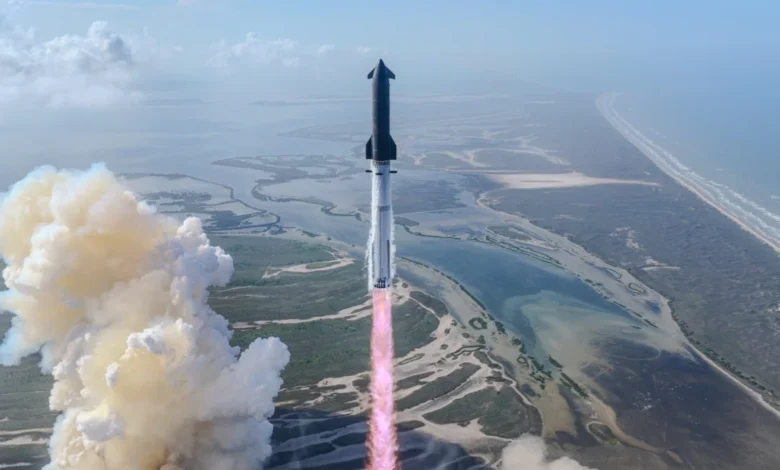
SpaceX has officially confirmed a new launch window for the thirteenth test flight of its Starship launch vehicle, targeting Monday, July 20, 2026, with the window scheduled to open at 6:45 p.m. ET (5:45 p.m. CT). This announcement follows a high-profile automated abort that occurred during the final seconds of a launch attempt on Thursday, July 16. The rescheduling marks a critical juncture for the aerospace manufacturer, as Flight 13 represents the first mission attempted since SpaceX’s historic initial public offering (IPO) in June, which saw the company list on the stock market under the ticker SPCX.
The scrub on July 16 occurred at the "T-zero" mark, the most critical point of the ignition sequence. Despite a countdown that proceeded smoothly through the loading of more than 11.5 million pounds of liquid methane and liquid oxygen, the automated flight control system triggered a stand-down when four of the Super Heavy booster’s 33 Raptor 3 engines failed to ignite as expected. SpaceX CEO Elon Musk later clarified the situation via social media, stating that while the abort was handled safely by the vehicle’s onboard computers, the decision was made to roll the booster back to the hangar to ensure total mission success.

Technical Analysis of the Flight 13 Abort
The Super Heavy booster, designated Booster 20 for this mission, utilizes the latest iteration of SpaceX’s propulsion technology: the Raptor 3 engine. These engines are designed for higher thrust and simplified manufacturing compared to their predecessors, but the complexity of igniting 33 engines simultaneously remains one of the most significant engineering challenges in modern rocketry. According to Musk, two of the Raptor engines will be entirely removed and replaced before the next attempt. This proactive maintenance is intended to mitigate any risk of a repeat failure or a sub-optimal ascent.
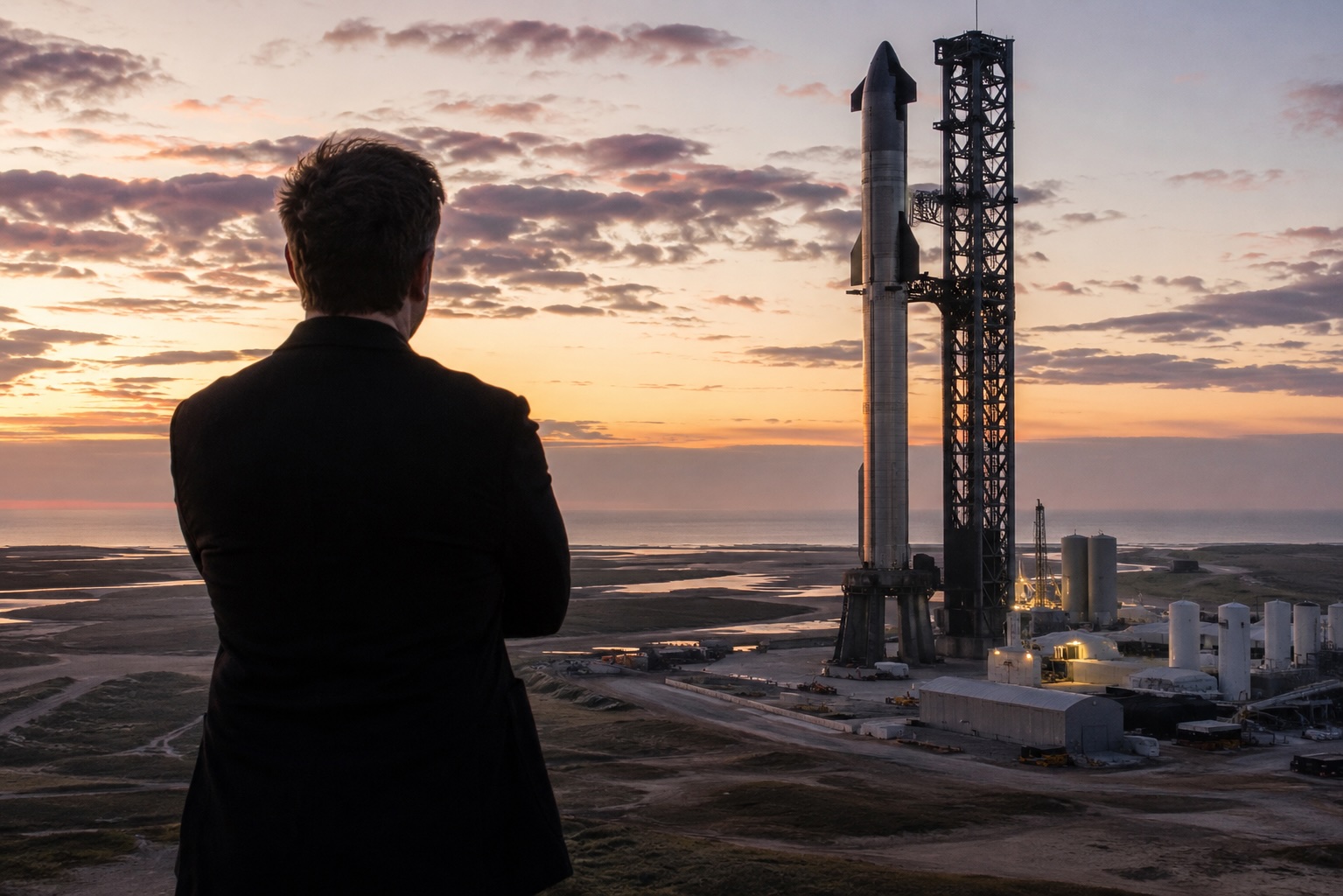
The failure of four engines at the moment of ignition is a setback that SpaceX engineers are currently analyzing. In previous flights, Starship has demonstrated the ability to fly with "engine-out" capability—meaning it can reach orbit even if a small number of engines fail during flight. However, a failure at the point of liftoff triggers a mandatory abort to prevent a potential "RUD" (Rapid Unscheduled Disassembly) on the launch pad, which would cause catastrophic damage to the Starbase infrastructure in Boca Chica, Texas.
Following the abort, ground teams immediately began the delicate process of de-fueling the massive rocket. This process involves draining millions of pounds of cryogenic propellant, a procedure that must be handled with extreme precision to avoid structural stress on the rocket’s stainless-steel tanks. Once the vehicle was rendered safe, Booster 20 was transported back to the production facility for the engine swap.

Mission Objectives and the Starlink V3 Payload
Flight 13 is not merely a technical demonstration of the rocket’s launch and return capabilities; it is a milestone mission for SpaceX’s commercial operations. For the first time, Starship is slated to carry an operational payload: 20 Starlink V3 satellites. These next-generation satellites are significantly larger and more capable than previous iterations, designed to provide increased bandwidth and lower latency for the global Starlink internet constellation.
A unique aspect of this mission involves the deployment of six specific satellites equipped with external-facing high-resolution cameras. These cameras are positioned to provide a live, external view of Starship’s heat shield during the intense heat of atmospheric reentry. This "self-inspection" approach is a new experimental technique for SpaceX, aimed at gathering real-time data on how the thermal protection system handles the plasma environment of reentry. Such data is vital for achieving the company’s goal of rapid reusability, where a Starship could land, be inspected, and fly again within hours.
Furthermore, Flight 13 aims to complete an in-space relight of a single Raptor engine. This maneuver was originally planned for Flight 12 in May 2026 but was bypassed after the vehicle experienced engine issues during the ascent phase. Successful in-space relight is a non-negotiable requirement for future missions, as it is necessary for de-orbit burns, orbital refueling, and deep-space maneuvers required for lunar and Martian trajectories.
The Financial and Strategic Context of Flight 13
The stakes for Flight 13 are amplified by SpaceX’s recent transition to a public company. The SPCX IPO in June 2026 was the largest in history, raising $75 billion and valuing the company at unprecedented levels. For the first time, retail and institutional investors are reacting to launch successes and failures in real-time, moving the stock price based on the perceived progress of the Starship program.
The Starship program is the linchpin of SpaceX’s long-term valuation. It is the vehicle intended to fulfill NASA’s Artemis program requirements, specifically the Human Landing System (HLS) that will return astronauts to the lunar surface. Any significant delay in Starship development has ripple effects on NASA’s timeline and SpaceX’s internal goals of establishing a permanent base on Mars.
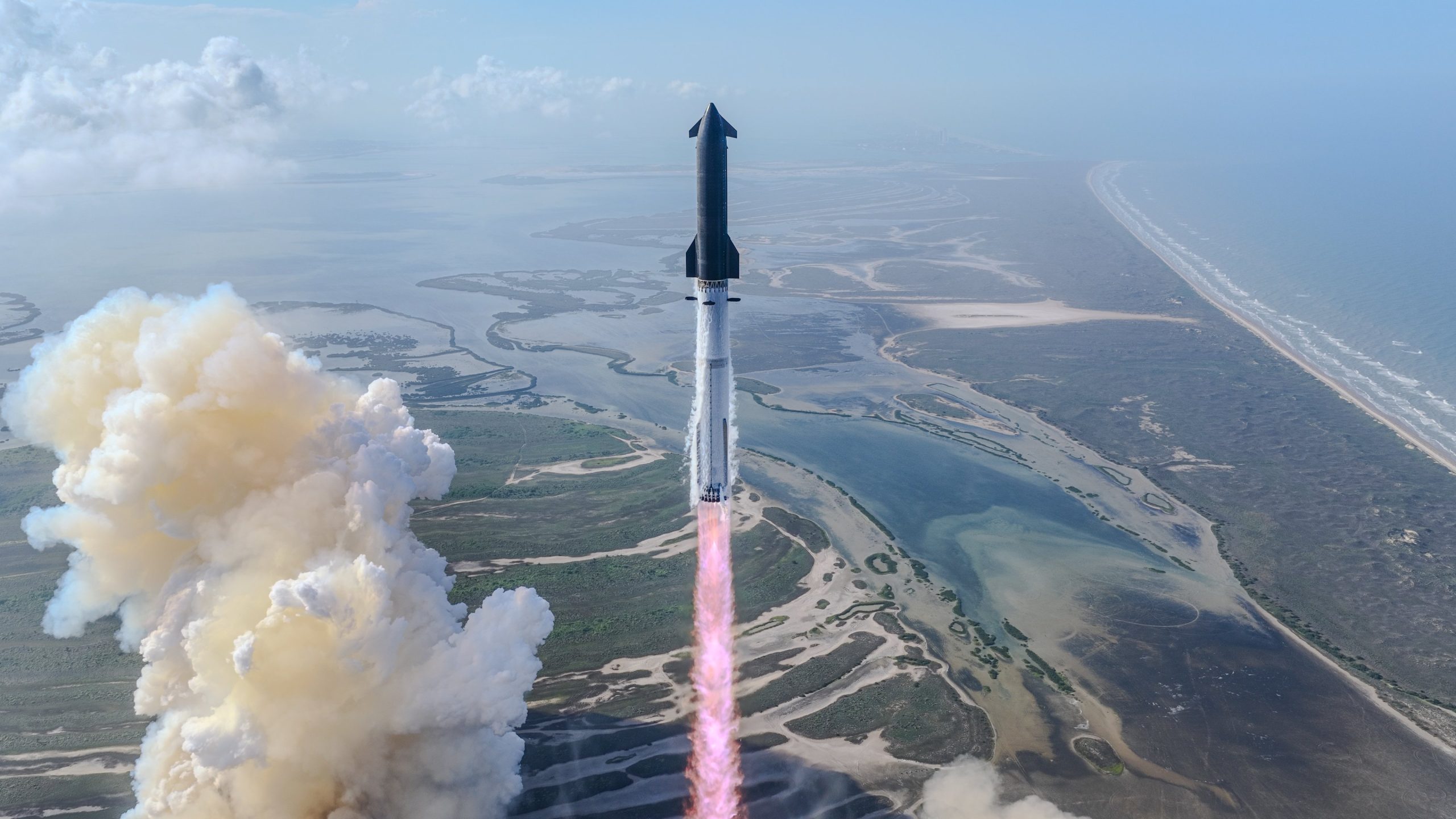
While SpaceX has successfully performed "catches" of the Super Heavy booster using the "Mechazilla" launch tower arms in the past, Flight 13 will not include a catch attempt. Instead, the booster is programmed to perform a controlled splashdown in the Gulf of Mexico, while the Starship upper stage is targeted for a splashdown in the Indian Ocean. This flight profile allows the company to focus on ascent performance and payload deployment rather than the high-risk recovery of the booster.

A Legacy of Innovation: The Texas Ranch Gallery
As SpaceX navigates the complexities of Flight 13, Elon Musk has also turned his attention toward a retrospective of his career. Recently, Musk announced the creation of a "product gallery" at his expansive ranch in Bastrop County, Texas. This project comes at a time when industry leaders, including JPMorgan CEO Jamie Dimon, have compared Musk to historical figures like Albert Einstein, citing his contributions to multiple industries simultaneously.
The ranch, managed through Horse Ranch LLC, has grown to encompass several thousand acres east of Austin. This site is expected to house a comprehensive collection of Musk’s inventions and milestones, spanning more than four decades of work. The gallery will reportedly begin with Blastar, a space-themed video game Musk coded and sold at age 12 in 1984, and move through his major corporate achievements:
- Zip2 (1995): His first major software venture, which revolutionized digital city guides.
- X.com/PayPal (1999): The platform that transformed global digital payments.
- SpaceX (2002) and Tesla (2003): The foundations of private spaceflight and the electric vehicle revolution.
- Neuralink and The Boring Company (2016): Ventures into brain-machine interfaces and urban tunneling.
- xAI and SpaceXAI (2023-2026): His recent focus on artificial intelligence, culminating in the merger of his AI and aerospace interests.
The gallery is also expected to include cultural artifacts that have defined Musk’s public persona, such as the "Not-a-Flamethrower" and the Tesla Cybercab. This move to curate his legacy coincides with the $75 billion IPO, signaling a moment of reflection as SpaceX transitions from a high-growth startup to a pillar of the global industrial and financial sectors.
Future Implications for the Starship Program
The successful execution of Flight 13 on July 20 would validate several critical systems. First, it would prove that the Raptor 3 engines are reliable enough for operational missions. Second, it would demonstrate that Starship can function as a cargo vessel, opening the door for more frequent Starlink launches and eventually the transport of heavy infrastructure for the Moon.
If the July 20 attempt proceeds without further technical hitches, SpaceX is expected to accelerate its launch cadence. The company has multiple Starship vehicles in various stages of assembly at the Starbase factory, with the goal of reaching a monthly launch frequency by 2027. This cadence is necessary to support the "fuel depot" missions required for Artemis, where multiple Starships must be launched in quick succession to refuel a lunar-bound craft in Earth orbit.
For now, the eyes of the aerospace world and the financial markets remain fixed on the Texas coastline. The Monday evening launch window represents more than just a test flight; it is a test of SpaceX’s ability to maintain its rapid pace of innovation under the scrutiny of public ownership and the immense technical pressure of the most powerful rocket ever built. As teams work through the weekend to replace the faulty Raptor engines, the mission remains a testament to the "fail fast, fix fast" philosophy that has defined Musk’s career from the early days of Zip2 to the impending launch of Flight 13.