Searching for a reliable and capable laptop under $500 can initially feel like a formidable challenge, given the widespread perception that affordability often compromises quality. While it is true that budget-friendly models typically forego the premium features and cutting-edge specifications found in their pricier counterparts, a discerning approach reveals a vibrant segment of the market where machines adeptly meet essential computing needs, often surprising users with unexpected bonus functionalities. This comprehensive guide, regularly updated by Laptop Mag with the latest reviews and top picks for 2025, aims to demystify the process, highlighting exceptional value options for students, casual users, and those seeking a dependable secondary device without straining their finances.
The Evolving Landscape of Affordable Computing

The market for budget laptops has matured significantly over the past decade. Historically, sub-$500 laptops were often synonymous with frustratingly slow performance, dismal battery life, and flimsy build quality. However, advancements in component efficiency, manufacturing processes, and the proliferation of lightweight operating systems like ChromeOS have dramatically reshaped this segment. Today, consumers can expect machines capable of handling daily tasks with surprising fluidity, a far cry from the sluggish experiences of yesteryear.
Setting realistic expectations remains paramount. Buyers in this price bracket should not anticipate high-end graphics capabilities, robust processors for intensive tasks like video editing or advanced gaming, or luxurious metal chassis. Instead, the focus shifts to core competencies: efficient web browsing, seamless document creation, reliable media streaming, and smooth operation of productivity applications. The best budget laptops excel by making intelligent compromises, prioritizing crucial user experiences such as extended battery life and comfortable input devices over extravagant specifications. While Windows laptops do exist in this category, Chromebooks frequently emerge as the superior value proposition, leveraging their optimized ecosystem to deliver snappier performance on more modest hardware.
Key Considerations for the Budget-Conscious Buyer
To navigate the diverse offerings under $500, prospective buyers should focus on several critical factors:
- Budget vs. Features: Understanding what specific features are attainable within this price range is crucial. While top-tier specs are out of reach, a balance of reasonable performance, decent build quality, and essential features like long battery life should be sought. Consulting detailed reviews, such as those from Laptop Mag, provides invaluable insight into the actual user experience and the compromises made.
- Screen Size and Portability: Laptops in the 12-inch to 14-inch range generally offer the best balance of portability and screen real estate for budget devices. These sizes are typically lighter and thinner, making them ideal for students commuting between classes or users who need a device on the go.
- Form Factor: The choice between a traditional clamshell laptop and a convertible 2-in-1 (with a 360-degree hinge or detachable keyboard) depends on intended use. Clamshells often provide better raw specifications for the price, while 2-in-1s offer versatility for note-taking, drawing, or media consumption in tablet mode. Detachable keyboards, as seen in some Chromebooks, provide a more seamless tablet experience than 2-in-1s where the keyboard folds back, making the device thicker and exposing the keys.
- Battery Life: For any laptop, especially one intended for mobile use, battery endurance is a non-negotiable feature. Aim for models that offer at least 10 hours of battery life under typical usage conditions, as validated by independent testing. This ensures the device can last through a full workday or multiple classes without needing a recharge.
- Specifications (CPU, RAM, Storage): Within the sub-$500 segment, compromises are inevitable.
- CPU: Expect Intel N-series or Core i3 processors, or Qualcomm Snapdragon and MediaTek Kompanio chips. For Windows, an Intel Core i3 or i5 (even older generations) is preferable for general responsiveness. For Chromebooks, these processors, especially newer N-series or specific Snapdragon/Kompanio chips, can offer surprisingly robust performance due to ChromeOS’s lighter footprint.
- RAM: 8GB of RAM is increasingly becoming the baseline for comfortable multitasking, even for budget devices. While 4GB might appear on very low-end models, it’s a significant bottleneck.
- Storage: 128GB of eMMC storage is common. While slower than SSDs, it’s acceptable for ChromeOS, which relies heavily on cloud storage. For Windows, an SSD is highly recommended for system responsiveness, though finding one with ample capacity under $500 can be challenging.
Spotlight on Top Performers: Laptop Mag’s 2025 Picks
Laptop Mag’s rigorous testing protocols and hands-on evaluations identify several standout laptops that redefine expectations for the sub-$500 category.
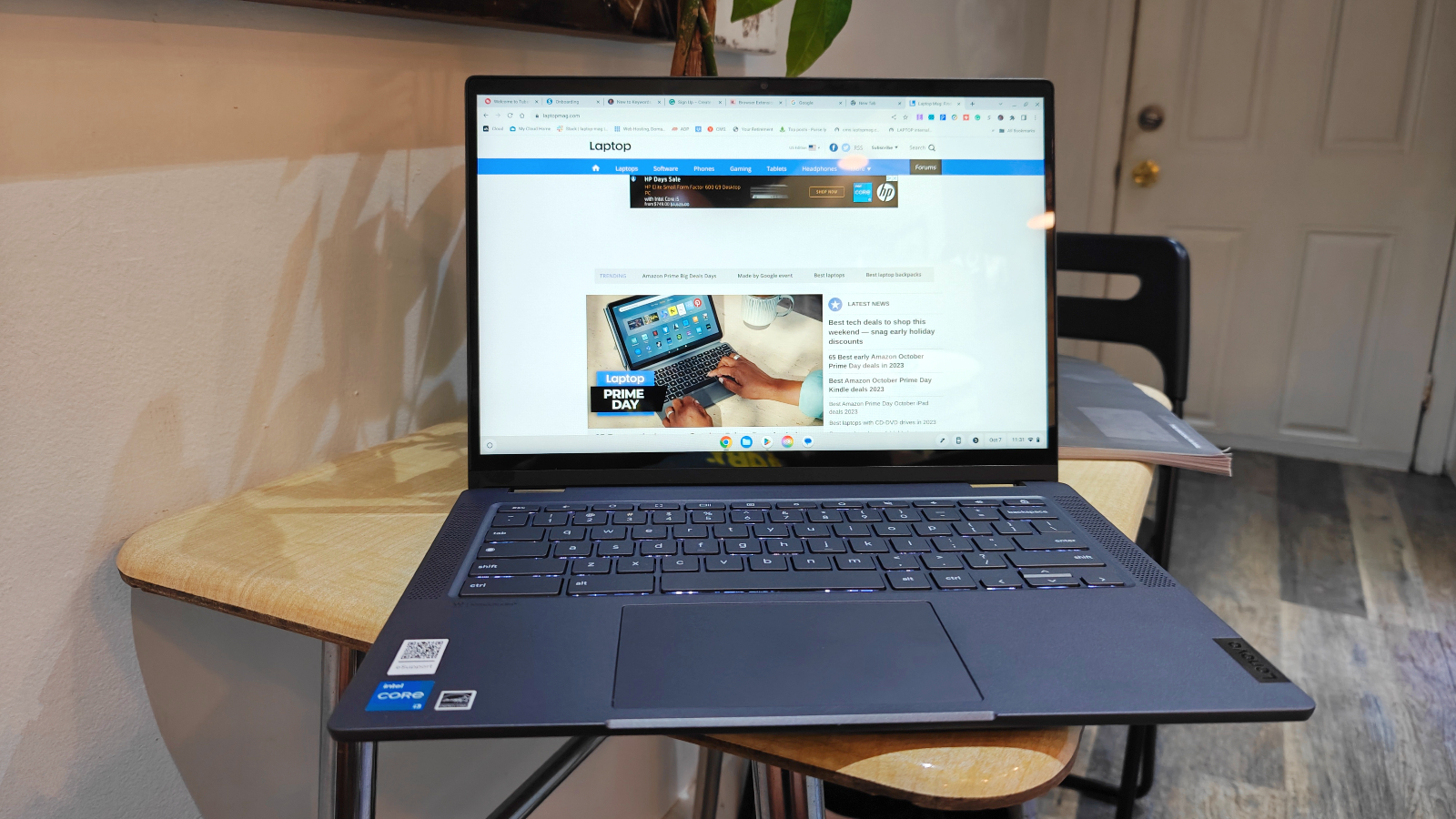
1. Lenovo IdeaPad Flex 5i Chromebook Plus: The Overall Value Champion
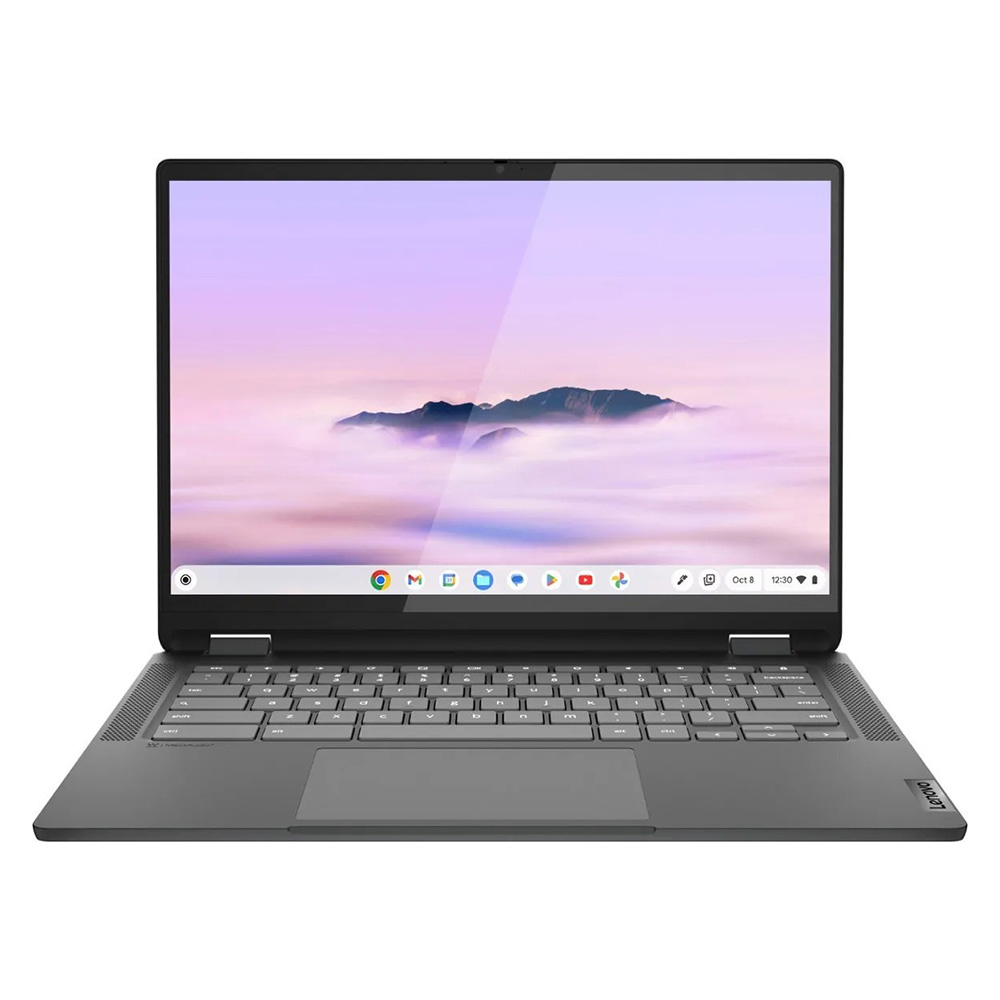
Emerging as the top recommendation, the Lenovo IdeaPad Flex 5i Chromebook Plus (Gen 7) impresses with its blend of modern design, AI-infused performance, and practical features, all within an accessible price point. Powered by an Intel Core i3-1315U processor and 8GB of RAM, this 2-in-1 Chromebook shatters preconceived notions about budget Chromebook capabilities. Its Geekbench 6 multi-core score of 5,384 significantly surpasses the Chromebook average of 5,259 and outclasses other budget devices like the Lenovo Duet 5 Chromebook (1,727 on Geekbench 5, which is not directly comparable but indicates a substantial performance gap) and the Lenovo Flex 5 14 (3,841 on Geekbench 5). This robust performance translates into a remarkably smooth user experience for web browsing, running multiple Chrome tabs, and utilizing various productivity apps.
The "AI-infused" aspect of the Chromebook Plus initiative means optimized software and hardware working in tandem, leading to enhanced video call quality, faster photo editing, and more efficient background processes. Beyond raw power, the IdeaPad Flex 5i boasts a sturdy and attractive chassis that belies its budget price. Its 14-inch, 1080p IPS touchscreen, while not exceptionally bright or colorful (46.5% DCI-P3 gamut, 306 nits brightness), benefits from a productivity-friendly 16:10 aspect ratio, offering more vertical screen real estate. The keyboard is noted for its excellent tactile feedback, crucial for extended typing sessions. With close to 10 hours of battery life, it confidently supports a full day of work or study. Its dimensions (12.4 x 9.0 x 0.8 inches, 3.57 pounds) make it portable enough for daily commutes while maintaining a solid feel.
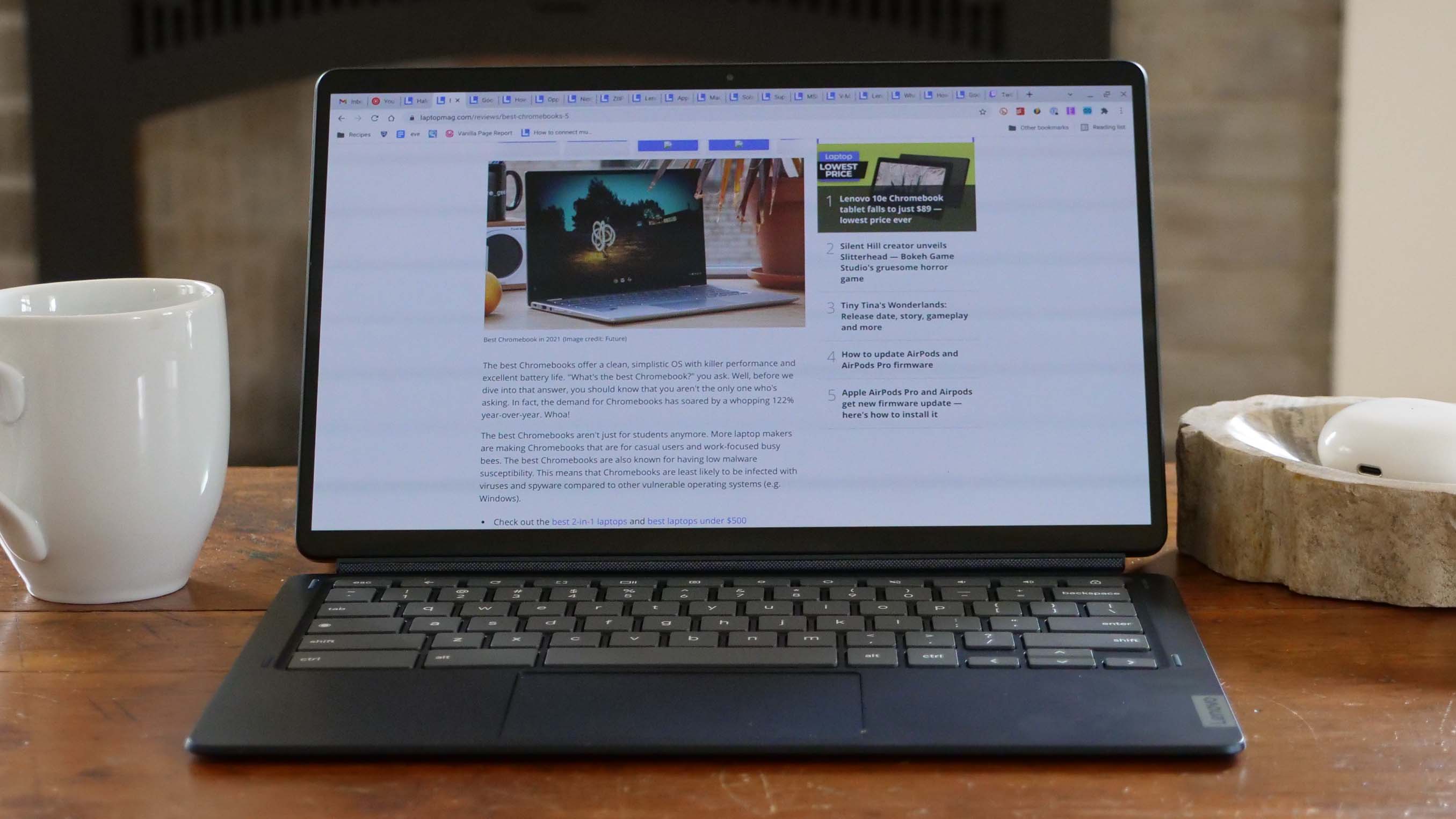
2. Lenovo Duet 5 Chromebook: Unbeatable Value Under $300
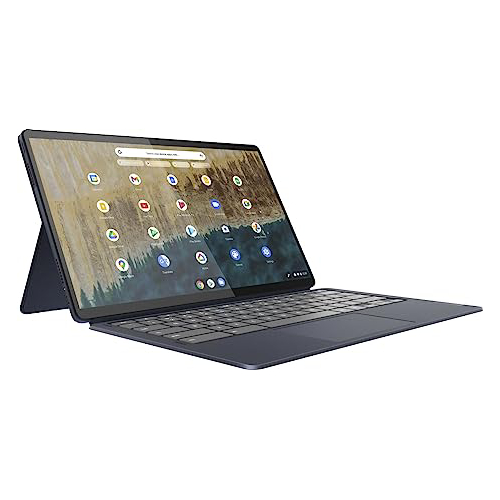
For those seeking exceptional value below the $300 mark, the Lenovo Duet 5 Chromebook remains an absolute champion, despite its slightly older processor. This detachable 2-in-1 device offers a unique combination of features typically found in much more expensive machines. Its most striking attribute is the vibrant 13.3-inch, 1920 x 1080 OLED display. This panel reproduced an impressive 85.2% of the DCI-P3 color gamut and achieved an average brightness of 361 nits, delivering colors and contrasts that rival premium laptops and even some dedicated media consumption devices. The inclusion of an OLED screen at this price point is a rarity and a significant draw for users prioritizing visual quality for streaming videos or browsing photos.
Powering the Duet 5 is a Qualcomm Snapdragon 7c Gen 2 processor, paired with 8GB of RAM and 128GB eMMC storage. While its Geekbench 5 multi-core score of 1,727 is modest compared to its Intel-powered counterparts, it is optimized for ChromeOS, providing sufficient performance for typical Chromebook tasks. The Snapdragon chip’s primary advantage lies in its exceptional power efficiency, contributing to the Duet 5’s astounding battery life of 13 hours and 31 minutes—a duration that places it among the longest-lasting notebooks on the market. This makes it an ideal companion for extended travel or all-day use without access to power outlets. The detachable design allows seamless transitions between laptop and tablet modes, enhanced by the thoughtful inclusion of both the keyboard and cover, an accessory often sold separately with other premium detachables. The primary drawbacks are its weaker raw performance and the absence of an included stylus.
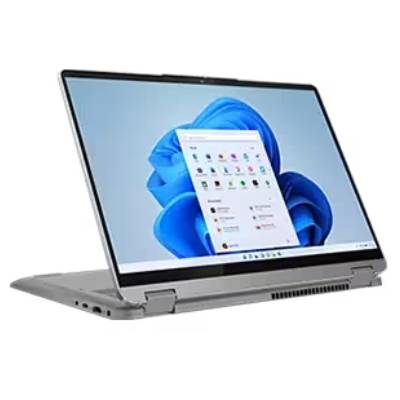
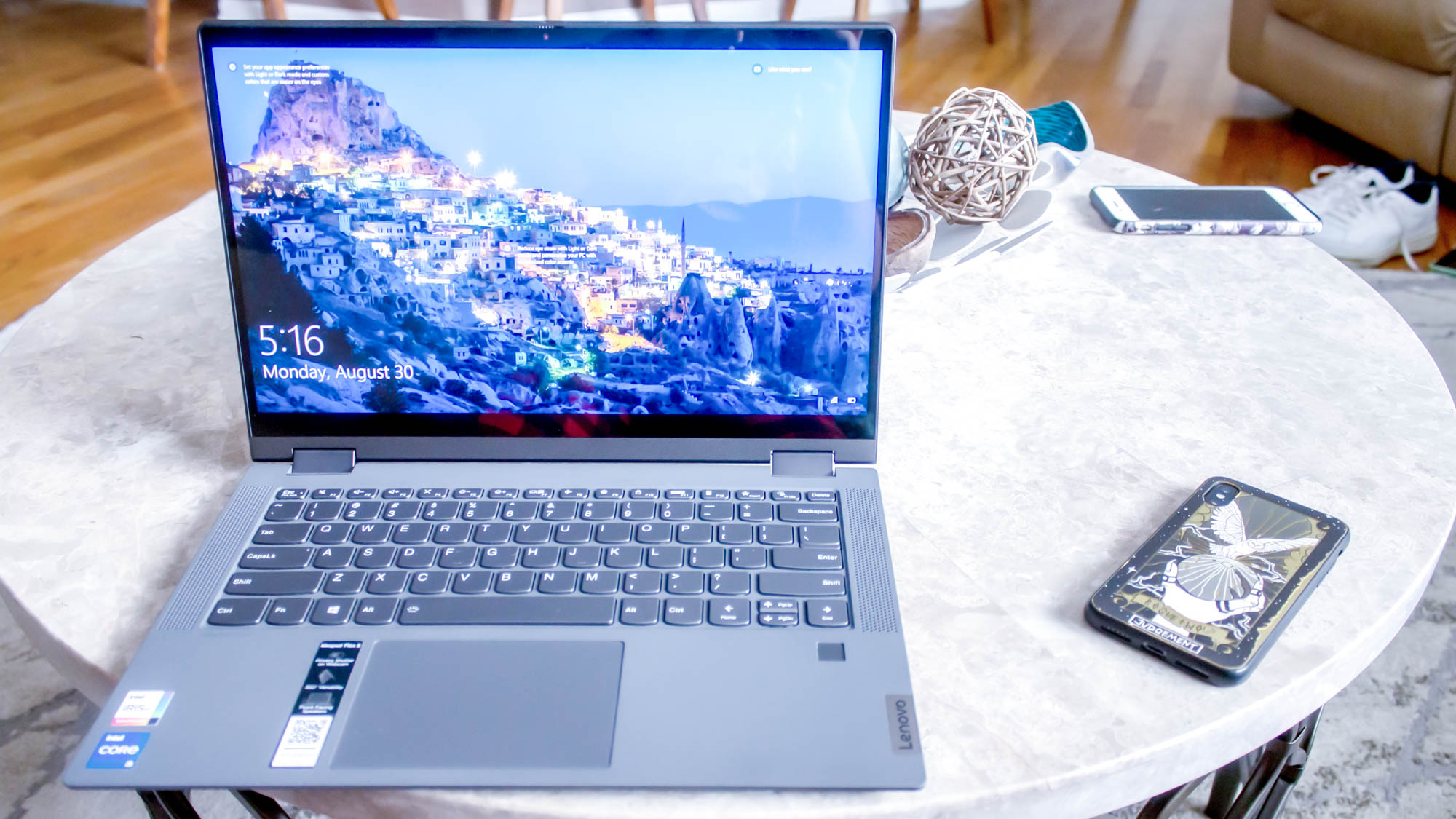
3. Lenovo IdeaPad Flex 5 14 (Intel): A Rare Gem in Budget Windows Laptops
Finding a genuinely capable Windows laptop under $500 is notoriously difficult, often fraught with underpowered components that lead to frustrating user experiences. The Lenovo IdeaPad Flex 5 14 (Intel) stands out as a significant exception, offering a compelling balance of performance, features, and value. This 2-in-1 Windows convertible is equipped with an Intel Core i5-1135G7 processor, Intel Iris Xe integrated graphics, a generous 16GB of RAM, and a 512GB SSD. This configuration is remarkably robust for its price point, allowing for smoother multitasking and application handling than most budget Windows machines. Its Geekbench 5 multi-core score of 3,841 significantly outperforms the Chromebook average (2,253) and other budget options, demonstrating its capability for more demanding Windows applications.
Beyond its solid internal specifications, the IdeaPad Flex 5 14 offers a comfortable and responsive keyboard, making long typing sessions a pleasant experience. The audio quality is also noted as good, providing an immersive experience for media consumption. Crucially, its battery life is exceptional for a Windows laptop in this category, lasting an impressive 14 hours and 16 minutes on a single charge. While its 12.3-inch (2400 x 1600) IPS touch display is described as dim (200 nits) and dull (45% DCI-P3), and it features only one USB-C port, these trade-offs are largely acceptable given the competitive pricing, which often sees it available for under $500, or even $400 for the base model. Buyers may also encounter an AMD Ryzen 3 model, which is expected to offer similar benefits with slight variations in performance and battery life.

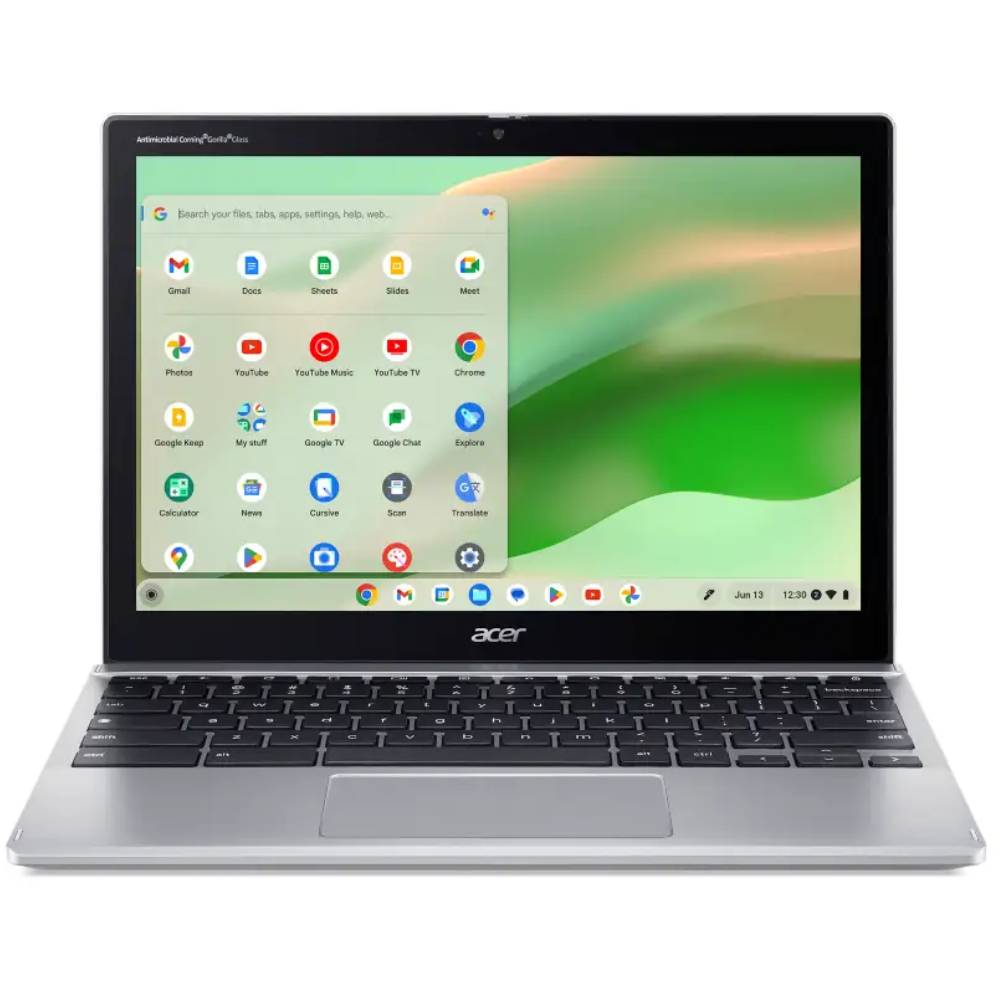
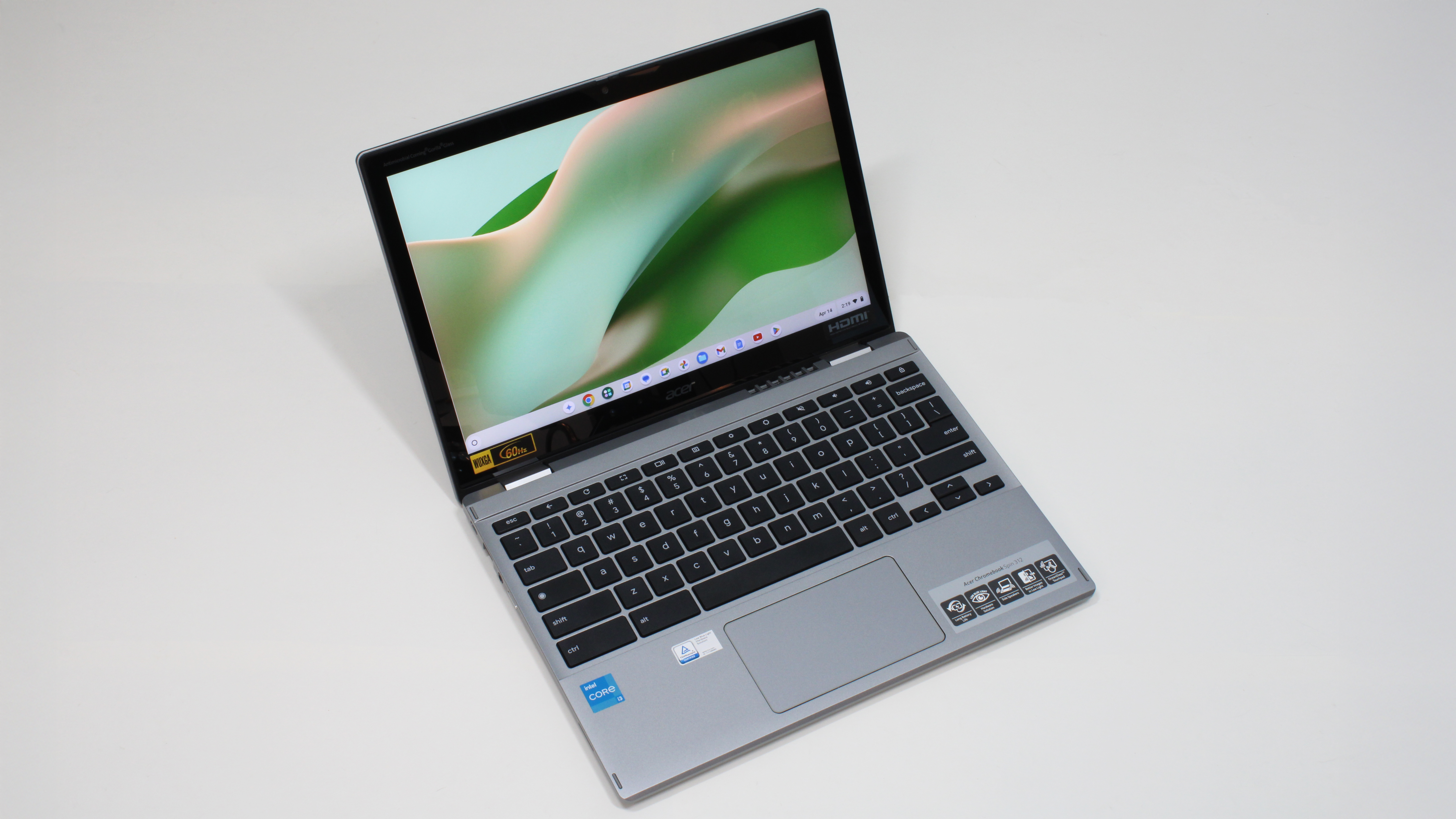
4. Acer Chromebook Spin 312: The Ideal Student Companion
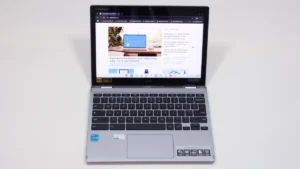
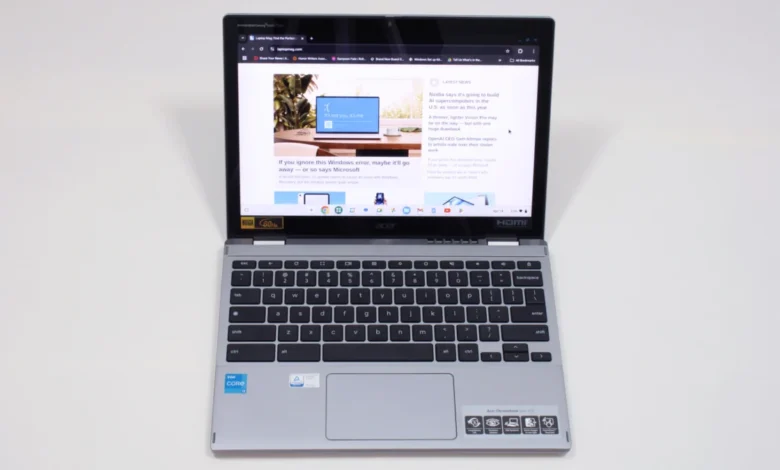
For students requiring a durable, portable, and affordable device, the Acer Chromebook Spin 312 presents an excellent solution. Priced around $450, this 2-in-1 Chromebook is designed with the rigors of academic life in mind. Its Intel Core i3-N305 processor, 8GB of RAM, and 128GB eMMC storage deliver reliable performance for typical student tasks, achieving a Geekbench 6 multi-core score of 4,477 and a Jetstream 2 score of 215, indicating strong web performance.
The Spin 312 boasts a silver-coated chassis that imparts a more premium look than its price suggests. At just under 3 pounds (2.84 pounds, 11.41 x 8.10 x 0.78 inches), it is one of the lightest options, making it easy to carry between classes throughout the day. Its battery life of 10 hours and 33 minutes ensures it can last through a full school day. Unique features enhance the user experience, such as Acer’s OceanGlass touchpad, which provides an exceptionally smooth and responsive feel—a rarity in budget laptops. The 12.2-inch (1920 x 1200) 60Hz IPS touch display, protected by Corning Gorilla Glass, enhances color vibrancy and contrast, making colors appear more vivid despite covering only 55% of the DCI-P3 color gamut. While the keyboard’s thin keycaps and "clicky-squishy" feel are minor drawbacks, its 2-in-1 functionality allows for flexible use, including handwritten notes with a stylus (not included), which can mitigate the keyboard concerns for certain tasks.
Deep Dive into Performance Metrics
Understanding benchmark results is key to evaluating budget laptops. Laptop Mag employs a suite of tests to provide a comprehensive performance profile:
- Geekbench (5 and 6): Measures overall CPU performance. Higher scores indicate faster processing power for general computing tasks. Geekbench 6 is a newer version with different scoring scales, so direct comparison between Geekbench 5 and 6 scores is not advised.
- Jetstream 2: Assesses web browsing performance by measuring JavaScript and WebAssembly execution speed. A higher score means a snappier, more responsive experience when navigating complex websites and web applications.
- CrXPRT 2: A benchmark specifically designed for Chromebooks, evaluating performance across typical ChromeOS workloads like photo editing, offline note-taking, and playing games. Higher scores are better.
- Handbrake Transcoding Test: Measures how quickly a laptop can convert a 4K video to 1080p. This is a CPU-intensive task, and lower times indicate stronger processing power, particularly relevant for content creators or those dealing with large media files.
- Battery Life (Web Surfing): Conducted by continuously surfing the web over Wi-Fi at 150 nits of brightness until the battery depletes. This provides a real-world estimate of endurance.
- SSD Transfer Speeds: Measures the read/write speeds of the storage drive (in MBps). Higher speeds mean faster boot times, application loading, and file transfers. eMMC storage, common in budget Chromebooks, is significantly slower than SSDs.
- DCI-P3 Color Gamut: Indicates the percentage of the DCI-P3 color space the display can reproduce. Higher percentages mean more vibrant and accurate colors, crucial for creative work or media consumption.
- Display Brightness (Nits): Measures the maximum brightness of the screen. Higher nits make a display more legible in bright environments and provide better contrast.
- Hottest Temperature: Recorded after 15 minutes of full-screen video playback, measuring the warmest spot on the laptop. A comfortable threshold is generally considered to be below 95 degrees Fahrenheit.
Strategic Purchasing: Navigating the Budget Laptop Market
- Are Budget Laptops Worth It? Absolutely, for users whose needs align with the capabilities of these machines. For tasks like email, web browsing, word processing, and video streaming, modern budget laptops, especially Chromebooks, offer an excellent return on investment. However, as Laptop Mag reviews editor Rami Tabari notes, buyers must be aware of "hidden costs" related to potential longevity issues if compromises are too severe, particularly concerning battery health and processor obsolescence. Prioritizing models with robust battery life and sufficient RAM is key to ensuring a device that lasts.
- Are Laptops Getting Cheaper? While the average price of laptops has remained relatively stable over the past several years, the quality and performance available at lower price points have significantly improved. This means consumers are getting more for their money than ever before. However, external factors like tariffs, such as those imposed during the Trump administration, can impact pricing. Future tariff hikes could potentially lead to significant price increases, making quality sub-$500 options even harder to find.
- When Are Laptops Cheapest? The best deals typically emerge during major sales events. Black Friday and Cyber Monday in late November are prime times for deep discounts. Back-to-School sales (July-August) and Amazon Prime Day (mid-summer) also offer competitive pricing. Throughout the year, manufacturers and retailers frequently offer promotions, making it worthwhile to monitor "best laptop deals" pages regularly.
Methodology: How Laptop Mag Ensures Trustworthy Recommendations
Laptop Mag’s commitment to delivering reliable reviews is underpinned by a rigorous and comprehensive testing methodology. Each laptop undergoes extensive benchmark testing, encompassing both synthetic evaluations and real-world application scenarios, before it reaches the hands of expert reviewers.
Lab-Based Benchmark Testing:
- Display Analysis: A Klein K10 colorimeter is used to precisely measure the display’s brightness (in nits) and its ability to reproduce colors across the DCI-P3 gamut.
- Performance Metrics: Laptops are subjected to a gauntlet of benchmarks, including Geekbench (5 and 6) for CPU performance and 3DMark for professional graphics capabilities. Chromebooks also undergo specialized tests like Jetstream 2 and CrXPRT 2 to assess web and ChromeOS-specific performance.
- Real-World Performance: To simulate everyday usage, laptops are tasked with converting a 4K video to 1080p resolution (CPU-intensive) and duplicating a 4.97GB multimedia file (storage speed). For graphics, the Sid Meier’s Civilization 6 Gathering Storm benchmark (medium settings at 1080p) is run.
- Thermal Management: Heat tests involve playing a 15-minute full-screen video, followed by measuring temperatures across various points on the laptop to ensure comfortable operation.
- Battery Endurance: The battery test simulates continuous web surfing over Wi-Fi at 150 nits of brightness, providing a consistent and repeatable measure of real-world battery life. For MacBooks and premium Windows 11 laptops, a runtime exceeding 9 hours is considered strong, while gaming laptops and workstations are praised for durations beyond 5 hours.
Expert Hands-On Evaluation:
Following the laboratory tests, each laptop is entrusted to Laptop Mag’s seasoned expert reviewers for an in-depth, hands-on assessment. Reviewers integrate the laptop into their daily workflows for several days, performing tasks such as writing, editing, video conferencing, streaming media, and general productivity. This lived-in experience provides invaluable insights into practical usability, keyboard comfort, trackpad responsiveness, speaker quality, and overall user satisfaction in real-world conditions. This dual approach of objective technical analysis and subjective user experience ensures that Laptop Mag’s reviews offer a well-rounded, honest, and actionable perspective on every laptop evaluated.
Why Trust Laptop Mag
Laptop Mag stands as a pillar of independent technology journalism, boasting three decades of experience in testing and reviewing a vast array of products, from ultralights to powerful gaming rigs. As part of Future Publishing, one of the world’s largest technology publishers, Laptop Mag benefits from unrivaled expertise across every tech sector, specializing in all things mobile technology. The editorial team’s unwavering commitment to independence and meticulous testing protocols ensures that readers receive trustworthy, unbiased recommendations, empowering them to make informed purchasing decisions with confidence.
In conclusion, the quest for a high-quality laptop under $500 is no longer a futile endeavor. With realistic expectations and a focus on essential features like performance for core tasks, excellent battery life, and comfortable usability, consumers can discover exceptional value. The highlighted models—the Lenovo IdeaPad Flex 5i Chromebook Plus, Lenovo Duet 5 Chromebook, Lenovo IdeaPad Flex 5 14, and Acer Chromebook Spin 312—represent the pinnacle of this budget segment, proving that affordability does not have to come at the expense of a genuinely satisfying computing experience.