Signal Ring Poised to Revolutionize Blood Pressure Monitoring with Calibration-Free Smart Ring Technology

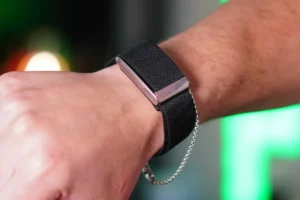
The landscape of personal health monitoring is on the cusp of a significant transformation with the introduction of the Signal Ring, a novel smart device that promises to deliver accurate, full blood pressure readings without the need for traditional cuff calibration. Developed by Vital Signals, this innovative ring represents a potential leap forward in the continuous and accessible monitoring of a critical health indicator often referred to as the "silent killer." While existing smartwatches, including five models of the Apple Watch leveraging watchOS 26, offer alerts for potential hypertension, they fall short of providing actual systolic and diastolic blood pressure measurements. Other smart rings and fitness trackers that do offer such readings typically necessitate regular calibration against a conventional arm cuff, a requirement the Signal Ring aims to eliminate entirely, backed by trials involving thousands of participants.
The Pervasive Threat of Hypertension: A Global Health Challenge
Blood pressure, a fundamental vital sign, measures the force exerted by circulating blood against the walls of the body’s arteries. Both abnormally high blood pressure (hypertension) and low blood pressure (hypotension) carry substantial health risks. However, hypertension stands out as a particularly insidious threat. It is aptly nicknamed the "silent killer" because it frequently develops without any discernible symptoms, progressing silently while causing severe and often irreversible damage to arteries, the heart, and the brain. The grave danger lies in its stealthy nature; individuals can live for years with high blood pressure, unaware of the internal damage accumulating until a catastrophic event, such as a heart attack, stroke, kidney failure, or vision loss, brings it to light.
Globally, hypertension is a widespread public health crisis. The World Health Organization (WHO) estimates that 1.28 billion adults aged 30-79 years worldwide have hypertension, with a significant proportion – approximately 46% – unaware of their condition. This lack of awareness contributes to the escalating rates of cardiovascular disease and premature death. In the United States alone, the Centers for Disease Control and Prevention (CDC) reports that nearly half of adults (47%, or 116 million) have hypertension, and only about 1 in 4 adults with hypertension have their condition under control. The economic burden is equally staggering, with hypertension contributing billions of dollars annually to healthcare costs through medical treatments, lost productivity, and premature mortality. Regular monitoring, especially for older individuals or those with known risk factors, is paramount for early detection and effective management. While traditional home cuffs offer a viable solution for periodic checks, the ideal scenario involves continuous, automatic monitoring integrated seamlessly into a device worn habitually.
The Current Landscape of Wearable Blood Pressure Monitoring

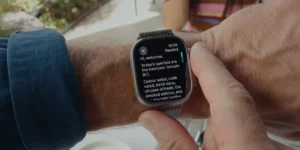
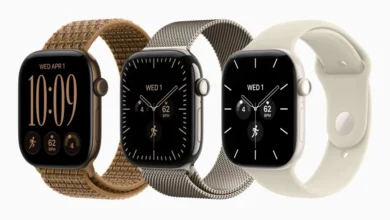
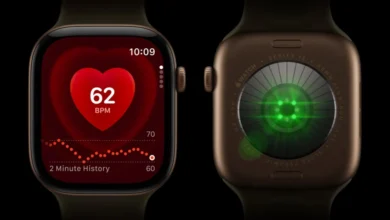
The evolution of wearable technology has steadily integrated health monitoring capabilities into daily life. Smartwatches, led by the ubiquitous Apple Watch, have become powerful tools for tracking fitness, heart rate, and even detecting atrial fibrillation. With the introduction of watchOS 26, Apple expanded the health monitoring capabilities of five of its Watch models to include the ability to measure blood pressure, generating alerts for possible hypertension. This feature, designed to enhance user awareness of potential risks, represents a significant step forward in preventative health. However, a crucial distinction remains: these Apple Watch models do not provide actual numerical blood pressure readings (systolic and diastolic). Instead, they function as an early warning system, prompting users to consult a healthcare professional or use a traditional cuff for definitive measurements if signs of potential hypertension are detected.
Other players in the smart wearable market, including popular smart rings like the Oura Ring, have also ventured into health monitoring, offering insights into sleep patterns, activity levels, and heart rate variability. While some of these devices are exploring blood pressure monitoring, they typically face similar limitations to the Apple Watch or require periodic calibration with a medical-grade blood pressure cuff to ensure accuracy. This calibration step, though essential for validated readings, introduces a layer of inconvenience that hinders true continuous, independent monitoring. The reliance on external calibration means that while these devices can provide useful trends, they cannot yet replace the diagnostic accuracy of a traditional cuff for on-demand, precise blood pressure numbers. The market has been actively seeking a solution that bridges this gap, offering both convenience and clinical-grade accuracy without the need for regular manual calibration.
Vital Signals and the Genesis of the Signal Ring
Against this backdrop, the startup Vital Signals emerges with a bold claim: the development of a smart ring capable of measuring blood pressure with accuracy comparable to a traditional arm cuff, entirely eliminating the need for calibration. This innovation is embodied in the Signal Ring. The company’s CEO, Tom Moss, shared a deeply personal motivation behind founding Vital Signals, revealing that his own health scare—nearly succumbing to undiagnosed hypertension—served as the catalyst. Moss, whose professional background includes stints at drone manufacturer Skydio Inc. and hardware companies like Razer Inc. and Nextbit Systems, transitioned into health technology following this life-altering experience.
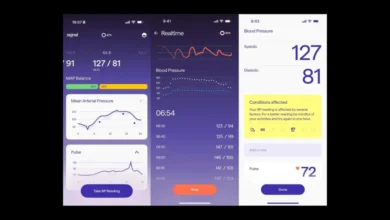
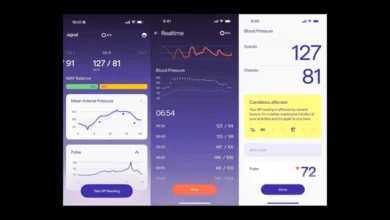
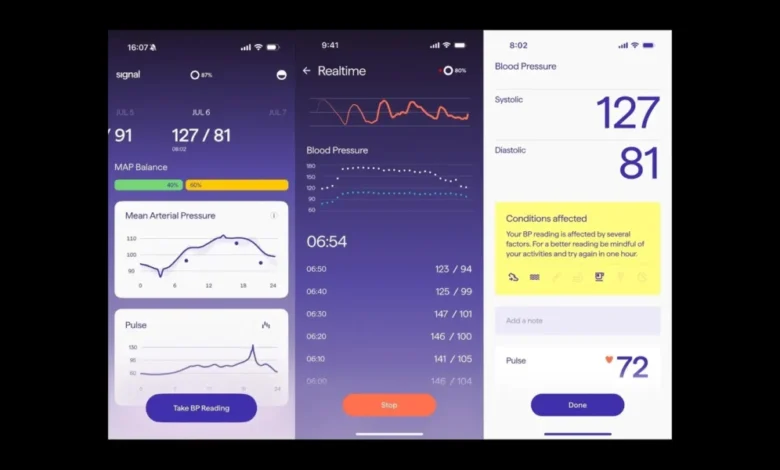
In an interview, Moss articulated the prevailing challenge he sought to address: "Fundamentally, there’s almost no real way for you to truly know your blood pressure as a consumer, and it’s kind of crazy." This sentiment underscores the gap in accessible and reliable personal blood pressure monitoring that Vital Signals aims to fill. The Signal Ring is engineered to provide users with both live blood pressure readings and the ability to track trends over time, all displayed within a user-friendly companion application. The technology behind this calibration-free measurement is proprietary, but it reportedly leverages advanced photoplethysmography (PPG) sensors and algorithms to derive blood pressure values from the pulsatile changes in blood volume in the finger, bypassing the need for an inflatable cuff.
Market Introduction, Pricing, and Strategic Positioning
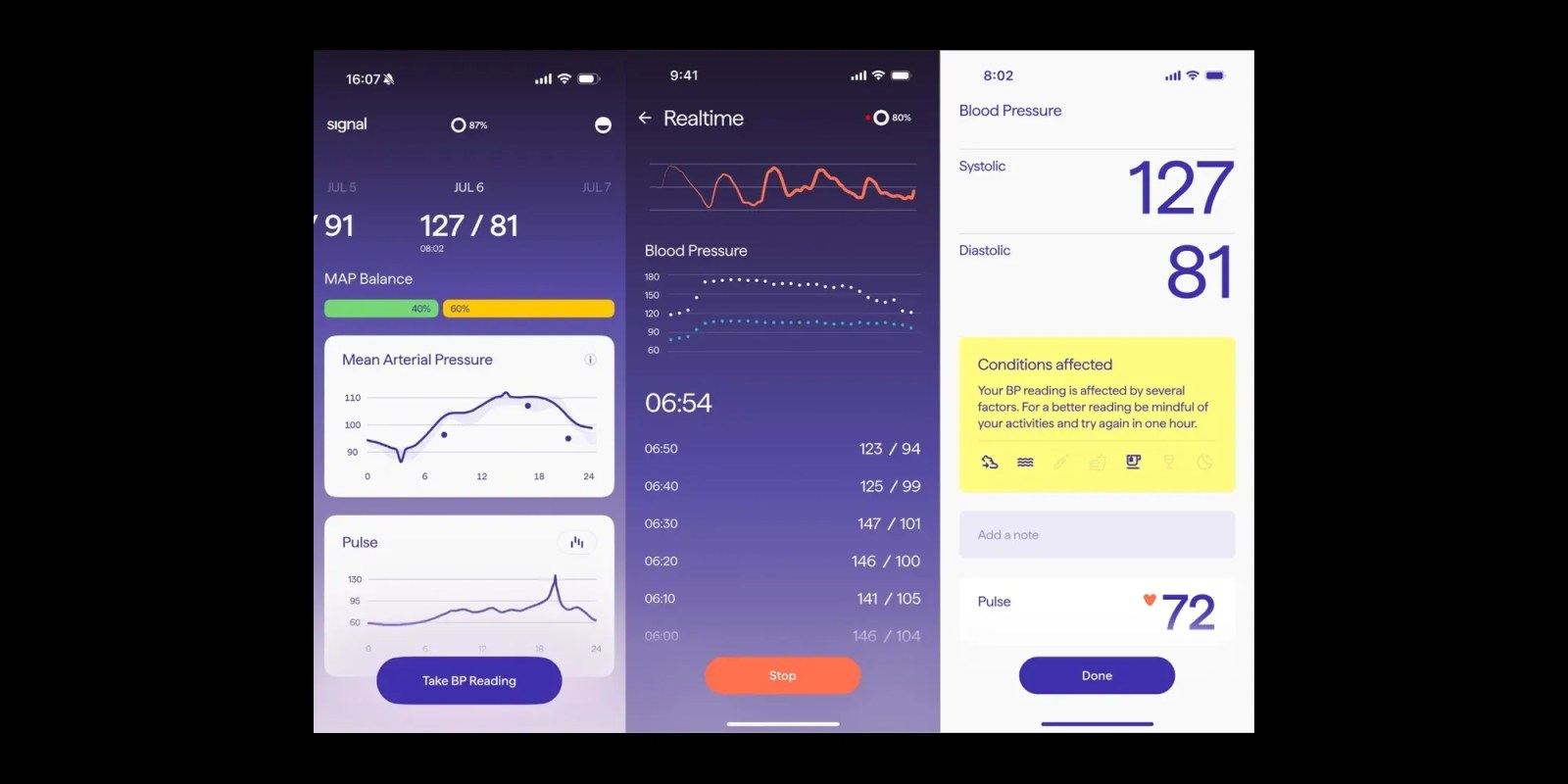
The Signal Ring is slated to go on pre-sale later today, with deliveries anticipated to commence in October. Priced at $399, the device aims to offer a premium health monitoring experience without the burden of ongoing subscription fees, a common model for many connected health devices. This one-time purchase model could prove attractive to consumers seeking long-term value from their health tech investments.
Interestingly, Vital Signals CEO Tom Moss has adopted a refreshingly candid approach to the Signal Ring’s market positioning, acknowledging that the device may not be for everyone. He explicitly states that the specialized capabilities of the Signal Ring are best suited for specific demographics: older individuals and those who have received medical advice indicating a risk of hypertension. This targeted marketing strategy implicitly suggests that while the Signal Ring excels in its core function of blood pressure monitoring, it might not offer the same breadth of features (such as comprehensive sleep tracking or extensive activity metrics) found in general-purpose smart rings or smartwatches. For younger, lower-risk individuals, or those confident in their blood pressure health, Moss advises, "Just buy an Oura or an Apple Watch." This transparent guidance distinguishes Vital Signals from competitors often striving for universal appeal, instead focusing on a niche where the Signal Ring’s unique value proposition is most critical.
Regulatory Hurdles and Clinical Validation
For any medical device, particularly one making significant health claims, regulatory approval is paramount. In the United States, clearance from the Food and Drug Administration (FDA) is a crucial benchmark, signifying that a device is safe and effective for its intended use. The original article notes that the Oura Ring has not yet received FDA clearance for its blood pressure monitoring capabilities, highlighting the rigorous process involved. Vital Signals, with its Signal Ring, is navigating this complex regulatory landscape. The company’s claim of accurate, calibration-free readings is supported by clinical trials involving thousands of participants. Such extensive trials are a prerequisite for demonstrating the device’s reliability and precision, essential for securing regulatory approvals. The successful completion of these trials and subsequent FDA clearance would not only validate Vital Signals’ technology but also significantly boost consumer and medical professional confidence in the Signal Ring. Beyond the US, devices often seek CE marking in Europe, indicating conformity with health, safety, and environmental protection standards for products sold within the European Economic Area. The journey through these regulatory bodies is often lengthy and resource-intensive, but it is a non-negotiable step for any device aspiring to be a legitimate medical-grade health tool.
Implications for Preventative Healthcare and Remote Patient Monitoring
The advent of a calibration-free, accurate blood pressure monitoring ring carries profound implications for preventative healthcare and the burgeoning field of remote patient monitoring (RPM). For individuals at risk of hypertension, continuous and unobtrusive monitoring could facilitate earlier detection of rising blood pressure, allowing for timely lifestyle interventions or medical treatment before severe complications arise. This proactive approach has the potential to significantly reduce the incidence of heart attacks, strokes, and other hypertension-related diseases.

In the context of RPM, the Signal Ring could empower healthcare providers to monitor their patients’ blood pressure trends remotely, receiving real-time data that allows for personalized adjustments to medication or treatment plans. This capability is particularly valuable for managing chronic conditions, reducing the need for frequent in-person clinic visits, and improving patient adherence to monitoring protocols. For elderly populations, or those with limited mobility, such a device could be a game-changer, providing essential health data from the comfort of their homes. Furthermore, the rich data generated by continuous monitoring can offer deeper insights into how daily activities, stress, sleep, and diet impact an individual’s blood pressure, fostering a more holistic understanding of cardiovascular health. This shift from episodic measurements to continuous data streams represents a paradigm shift in how chronic conditions are managed.
The Competitive Landscape and Future Outlook
The introduction of the Signal Ring injects new competitive energy into the rapidly expanding wearable health technology market. Traditional players like Apple and Oura, while dominant in their respective niches, may find themselves needing to respond to Vital Signals’ specialized offering. Apple, with its vast ecosystem and focus on health, could potentially integrate similar calibration-free technology into future Apple Watch models or develop its own smart ring. Oura, a pioneer in the smart ring space, might accelerate its own efforts to achieve FDA clearance and calibration-free blood pressure monitoring to maintain its competitive edge.
The broader market for wearable health devices is projected to grow substantially in the coming years, driven by increasing consumer awareness of personal health, advancements in sensor technology, and the rising prevalence of chronic diseases. While the Signal Ring’s initial target audience is specific, its success could pave the way for more integrated and multi-functional medical-grade wearables. Challenges remain, including ensuring sustained accuracy over time, addressing data privacy and security concerns, and gaining widespread acceptance among both consumers and the medical community. However, the potential for a device that offers convenient, accurate, and calibration-free blood pressure monitoring is immense. It represents a significant step towards democratizing access to crucial health information, empowering individuals to take a more active role in managing their cardiovascular health, and ultimately contributing to a healthier global population.