Motorola Edge 70 Max Emerges as a Performance and Endurance Powerhouse Amidst Lingering Software Update Policy Scrutiny

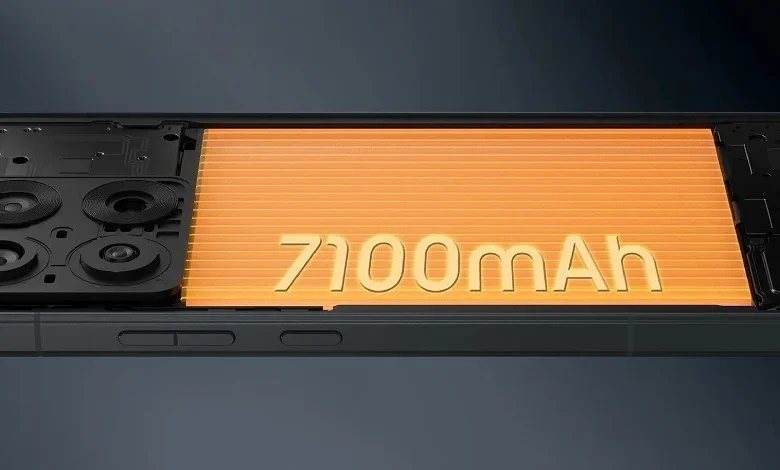
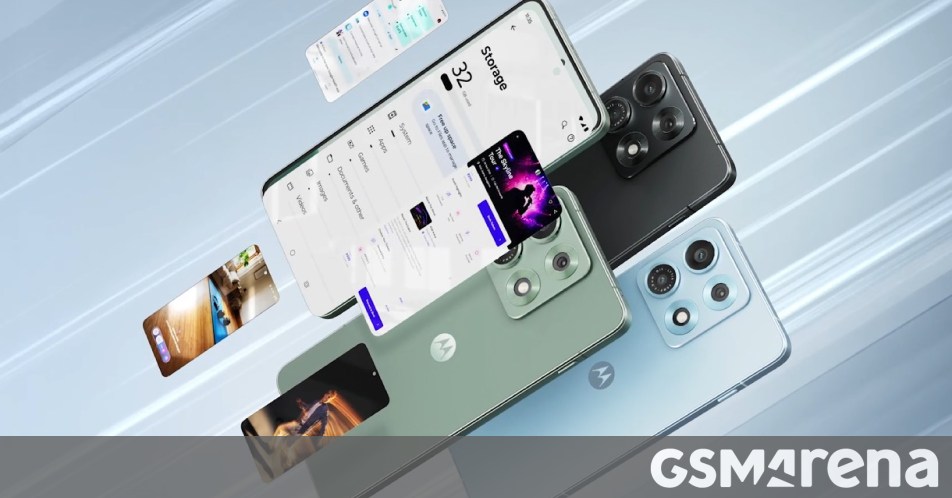
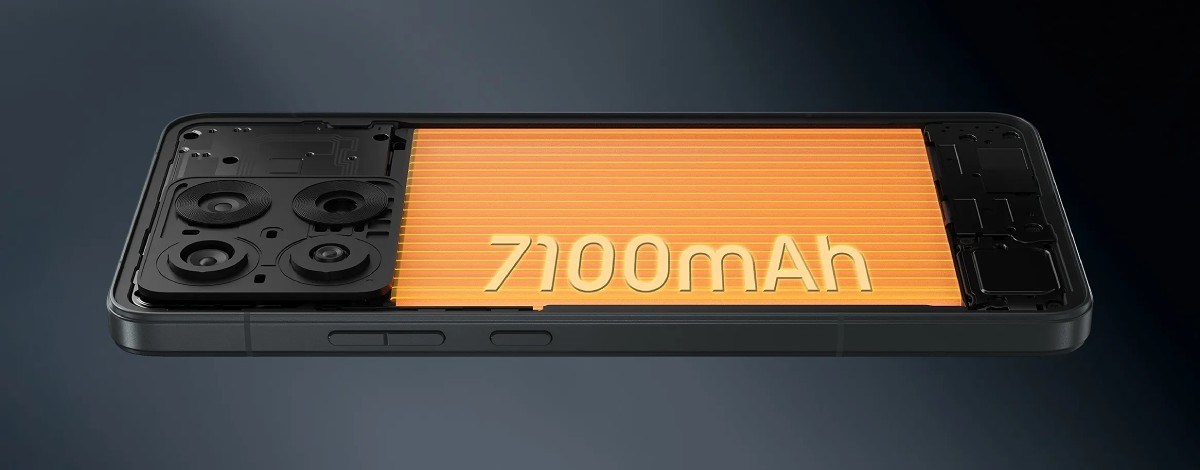
The Motorola Edge 70 Max has recently captured significant attention within the smartphone market, presenting itself as a compelling device after the initial controversy surrounding its software update policy was largely addressed, though not entirely resolved. Positioned as the most formidable offering within the Edge 70 series, this particular model boasts an impressive array of specifications that aim to challenge established players in the premium segment. At its core, the device is powered by the cutting-edge Snapdragon 8 Gen 5 chipset, a significant upgrade over the Snapdragon 7 and Dimensity 8 series processors found in its siblings, firmly planting it in the upper echelon of smartphone performance. This computational prowess is complemented by an extraordinary 7,100mAh battery, a capacity that not only surpasses typical flagship standards but also dwarfs the 6,500mAh units found in the Edge 70 Pro and Pro+ variants, making it the largest battery in the entire series.
The battery’s immense capacity is further enhanced by robust charging capabilities. The Edge 70 Max supports a rapid 90W wired charging, promising quick replenishment of its substantial power cell. Even more noteworthy is the inclusion of 25W wireless charging, complete with full Qi 2.2 support and magnetic alignment. This particular feature is a rarity in the Android ecosystem, typically reserved for a select few devices and brands, setting the Edge 70 Max apart from many of its competitors by offering a premium, user-friendly charging experience akin to Apple’s MagSafe.
Unpacking the Software Update Policy Controversy
The journey of the Motorola Edge 70 Max to market was not without its hurdles, primarily centered on Motorola’s software update policy. In an era where long-term software support is a critical factor for consumers investing in high-end smartphones, Motorola faced a backlash over perceived ambiguities and inconsistencies in its commitments. Initially, reports and discussions highlighted a lack of clarity regarding the number of Android OS updates and security patches the device would receive. This uncertainty sparked a considerable controversy, raising concerns among potential buyers about the longevity and future-proofing of such an expensive device.
Motorola, in response to the growing discontent, issued a clarification, aiming to quell the fears and provide more concrete information. While this clarification did address some of the immediate concerns, it did not entirely resolve the underlying ambiguity. For instance, the company indicated that the Edge 70 Max would receive either three OS updates or potentially just two, leaving a critical detail open to interpretation. Similarly, the commitment for security patches ranged from five years to merely three years. This ongoing vagueness, despite official communication, indicates a persistent challenge for Motorola in clearly articulating its software support strategy, a factor that weighs heavily on consumer confidence, especially for a device priced at a premium. Journalists, including those from this publication, attempted to seek definitive answers directly from Motorola but were met with inconclusive responses, further underscoring the lack of explicit commitments. This situation highlights a broader industry trend where some manufacturers struggle to match the comprehensive and transparent update policies offered by leaders like Samsung and Google, who often guarantee four or even seven years of OS and security updates for their flagship devices.
Hardware Prowess: A Deep Dive into Specifications
Beyond the software policy debates, the Motorola Edge 70 Max truly shines in its hardware configuration, starting with its core processing unit.
-
Processor and Performance: The inclusion of the Snapdragon 8 Gen 5 chipset marks a significant statement from Motorola. Manufactured on an advanced 4nm process, this SoC is designed to deliver top-tier performance, capable of handling the most demanding applications, intensive gaming, and complex multitasking with ease. Its architecture typically features a powerful prime core, several performance cores, and efficiency cores, alongside a cutting-edge Adreno GPU. This combination ensures not only raw speed but also efficient power management, crucial for a device with such a large battery. Compared to the Snapdragon 7 and Dimensity 8 series chips in other Edge 70 models, the Snapdragon 8 Gen 5 offers a substantial leap in CPU and GPU performance, often translating to a 30-50% improvement in benchmarks and real-world usage. This positions the Edge 70 Max as a true "flagship killer" in terms of computational power, capable of competing with the very best Android devices on the market.
-
Display Technology: The visual experience on the Edge 70 Max is equally impressive. It features a sprawling 6.82-inch OLED display, boasting a sharp 1440p+ resolution. This high resolution ensures crisp visuals, whether browsing web pages, watching high-definition content, or engaging with detailed applications. The display’s 144Hz refresh rate provides buttery-smooth scrolling and fluid animations, a noticeable enhancement for daily interactions and especially for gaming. A standout feature is the LTPO (Low-Temperature Polycrystalline Oxide) panel technology, which is unique to the Max variant in the series so far. LTPO allows for dynamic adjustment of the refresh rate, ranging from as low as 1Hz (for static content) up to 144Hz, significantly improving power efficiency without compromising the user experience. Furthermore, the screen is advertised with an astonishing peak brightness of 7,000 nits. While this figure typically refers to a small portion of the screen under specific HDR conditions, it nonetheless indicates exceptional outdoor visibility and a truly immersive HDR viewing experience, surpassing many competitors and ensuring content pops with vibrant colors and deep blacks inherent to OLED technology.
-
Battery Life and Charging Innovations: The 7,100mAh battery is arguably the most defining feature of the Edge 70 Max. In a market where 4,500mAh to 5,500mAh batteries are standard for flagships, this capacity promises exceptional multi-day endurance for even heavy users. This addresses a common pain point for many smartphone users – battery anxiety. The 90W wired charging capability ensures that despite its massive size, the battery can be topped up remarkably quickly, often reaching a significant percentage in under 30 minutes. The inclusion of 25W wireless charging with Qi 2.2 support and magnetic alignment is a significant differentiator. Qi 2.2, built upon Apple’s MagSafe technology, offers improved charging efficiency, faster speeds, and the convenience of magnetic attachment, ensuring optimal coil alignment every time. This feature is a premium offering, rarely seen outside of Apple’s ecosystem and a few high-end Android devices, providing a truly seamless and modern charging experience.
-
Design and Durability: The physical construction of the Edge 70 Max exudes a premium feel. It features a robust aluminum frame, which provides structural integrity and a refined aesthetic. Both the front and back panels are protected by Gorilla Glass 7i, a durable glass solution designed to resist scratches and drops, ensuring the device can withstand the rigors of daily use. Beyond material strength, the phone boasts dual IP ratings: IP68 and IP69. IP68 signifies resistance to dust and immersion in water up to 1.5 meters for 30 minutes, making it highly durable against environmental elements. The additional IP69 rating, which denotes resistance to high-pressure, high-temperature water jets, is an even rarer and more impressive certification, indicating exceptional resilience in harsh conditions and further solidifying its ruggedness.
Camera System: A Point of Contention
Despite its formidable performance, battery, and display, the camera system on the Motorola Edge 70 Max presents a more modest proposition, especially when considering its asking price. The device is equipped with a 50MP main sensor, an 8MP ultra-wide lens, and a 32MP selfie camera. While the 50MP main sensor is respectable, featuring a 1/1.56-inch optical format and capable of recording 4K video at 60 frames per second, its overall setup is relatively basic compared to other premium smartphones.
Many devices in this price bracket offer more versatile camera arrays, often including dedicated telephoto lenses for optical zoom, larger main sensors for superior low-light performance, or higher-resolution ultra-wide sensors. The absence of a telephoto lens, in particular, is a noticeable omission for a device that otherwise targets a flagship-tier experience. While the camera is not inherently "bad" and can produce good results in optimal conditions, it falls short of the expectations typically associated with a phone positioned as a high-end contender. This could be a strategic choice by Motorola to prioritize other aspects like performance and battery life to keep costs down, but it undoubtedly represents a compromise for photography enthusiasts.
Pricing and Value Proposition Across Regions
The Motorola Edge 70 Max is launched with varying price points across different markets, reflecting regional tax structures, market strategies, and included bundles.
| Motorola Edge 70 Max | 8/256GB | 12/256GB |
|---|---|---|
| UK | £700 | – |
| EU | €800 | – |
| India | ₹55,000 | ₹60,000 |
In Europe, the pricing of €800 for the 8GB/256GB model includes a notable incentive: a free pair of Moto Buds Loop and a charger (either 90W or 125W, depending on the specific region). This bundling strategy adds significant value, potentially offsetting some of the initial cost concerns and enhancing the overall proposition for European consumers. Similarly, in the UK, the device is priced at £700. In India, the pricing is ₹55,000 for the 8GB/256GB variant and ₹60,000 for the 12GB/256GB model, making it competitive within the premium segment of the Indian market.
When evaluating the price, it’s crucial to consider the robust hardware package offered, particularly the leading-edge Snapdragon 8 Gen 5, the massive 7,100mAh battery, the sophisticated LTPO OLED display, and the advanced magnetic wireless charging. These features represent significant investments in technology and differentiate the Edge 70 Max from many mid-range and even some entry-level flagship devices. However, the relatively basic camera system and the lingering ambiguities regarding software update longevity remain critical factors in the overall value assessment. For users prioritizing raw power and battery endurance over camera versatility and long-term software guarantees, the Edge 70 Max presents a compelling, albeit expensive, choice.
Competitive Landscape and Alternatives
The Motorola Edge 70 Max operates in a fiercely competitive segment, facing internal rivalry from its own series and external pressure from other manufacturers.
-
Motorola Edge 70 Pro: Launched earlier at approximately €800/£750, the Edge 70 Pro offers an alternative within Motorola’s lineup. It features a Dimensity 8500 Extreme chipset, which, while not matching the Snapdragon 8 Gen 5 in raw power, is still one of the fastest mid-range processors available. The Pro distinguishes itself with a more advanced camera setup, including a 50MP 3.5x/81mm telephoto camera and an upgraded 50MP ultra-wide sensor, offering greater photographic flexibility. Its battery is a 6,500mAh unit, supporting 90W wired and 15W non-magnetic wireless charging. For users who prioritize camera capabilities and are willing to accept a slightly less powerful (though still very capable) chipset, the Edge 70 Pro presents a strong alternative.
-
Motorola Edge 70 Pro+: This is essentially a regional variant of the Edge 70 Pro, primarily targeting the Indian market, where it starts at around ₹48,000. It offers similar specifications to the Pro, maintaining the focus on camera and a powerful mid-range SoC, but often at a more aggressive price point in its specific market.
-
External Competitors: In the broader market, the Edge 70 Max competes with devices from brands like OnePlus (e.g., OnePlus 12/12R), Xiaomi (e.g., Xiaomi 14/14 Pro), and even Samsung’s non-Ultra flagships or high-end A-series models. These competitors often bring their own strengths, such as more refined software experiences, established camera prowess, or longer update commitments, forcing consumers to weigh specific feature sets against their priorities. For instance, some flagships might offer superior camera algorithms and telephoto lenses, while others might focus on more premium build materials or ecosystem integration. The Edge 70 Max’s distinct advantages in battery size, raw processing power, and magnetic wireless charging will appeal to a specific niche of power users.
Broader Impact and Implications
The launch of the Motorola Edge 70 Max carries several implications for both Motorola and the wider smartphone market. For Motorola, it represents an ambitious attempt to reclaim a significant share in the premium segment, a space where it has historically faced stiff competition. By equipping the Edge 70 Max with top-tier components like the Snapdragon 8 Gen 5 and an unprecedented battery, Motorola signals its intent to compete on performance and endurance. The inclusion of advanced features like Qi 2.2 magnetic wireless charging also demonstrates a commitment to innovation and offering unique selling points that differentiate it from the pack.
However, the lingering uncertainty surrounding its software update policy remains a critical vulnerability. In an era where device longevity and security updates are paramount for consumer trust, Motorola’s ambiguous stance could deter potential buyers, especially those who plan to hold onto their devices for several years. This issue has broader implications for consumer perception of the brand, potentially undermining the excellent hardware experience. It underscores the importance of clear, long-term software support commitments as a non-negotiable aspect of premium smartphone ownership.

Ultimately, the Motorola Edge 70 Max stands as a device of contradictions: a powerhouse of performance and endurance, featuring some truly innovative charging technology, yet held back by a comparatively modest camera system and an unresolved software update policy. Its success will depend on whether its undeniable strengths can outweigh these perceived weaknesses for its target audience, and how effectively Motorola addresses and communicates its long-term support strategy going forward.