New 6 passenger, 780-mile PHEV from GM has North America written all over it

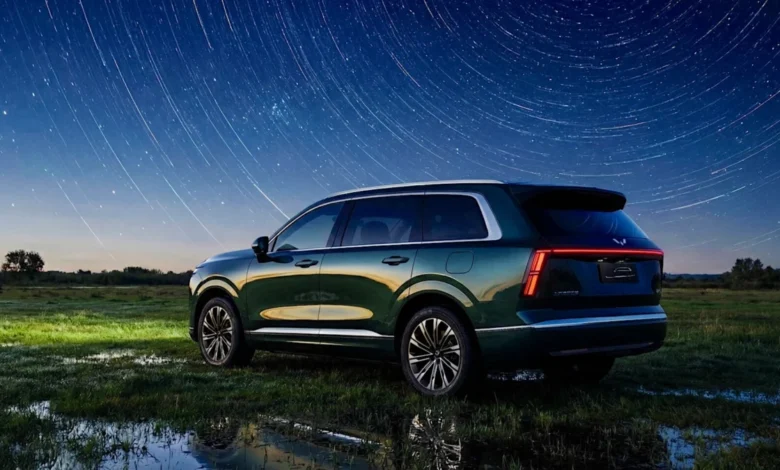
Engineering and Powertrain Specifications
The Wuling Starlight L is built upon a sophisticated hybrid architecture that prioritizes electric efficiency without sacrificing the utility of a traditional SUV. The vehicle is powered by a 1.5-liter Atkinson-cycle internal combustion engine (ICE) that produces 106 horsepower. While the engine itself is optimized for fuel efficiency rather than raw power, it works in tandem with a high-output electric motor. Together, the system delivers a combined output of approximately 170 kW, or 230 horsepower.
However, the most striking technical feature of the Starlight L is its energy storage system. Unlike many contemporary PHEVs that utilize small batteries for limited urban commutes, the Starlight L is equipped with a 37.9 kWh Lithium Iron Phosphate (LFP) battery pack. For context, this battery capacity is nearly double that of the Toyota RAV4 Prime and is comparable to the battery size found in early generations of dedicated battery electric vehicles (BEVs) like the Nissan LEAF.

According to the China Light-Duty Vehicle Test Cycle (CLTC), this substantial battery allows the Starlight L to achieve an all-electric range of 260 kilometers (approximately 162 miles). Even when adjusted for more stringent testing standards such as the EPA in the United States or the WLTP in Europe, the vehicle would likely maintain an electric range exceeding 100 miles. This capability effectively transforms the vehicle into an "Extended Range Electric Vehicle" (EREV) for the vast majority of daily driving cycles, utilizing the gasoline engine only for long-distance travel or emergency power.
Design and Interior Configuration
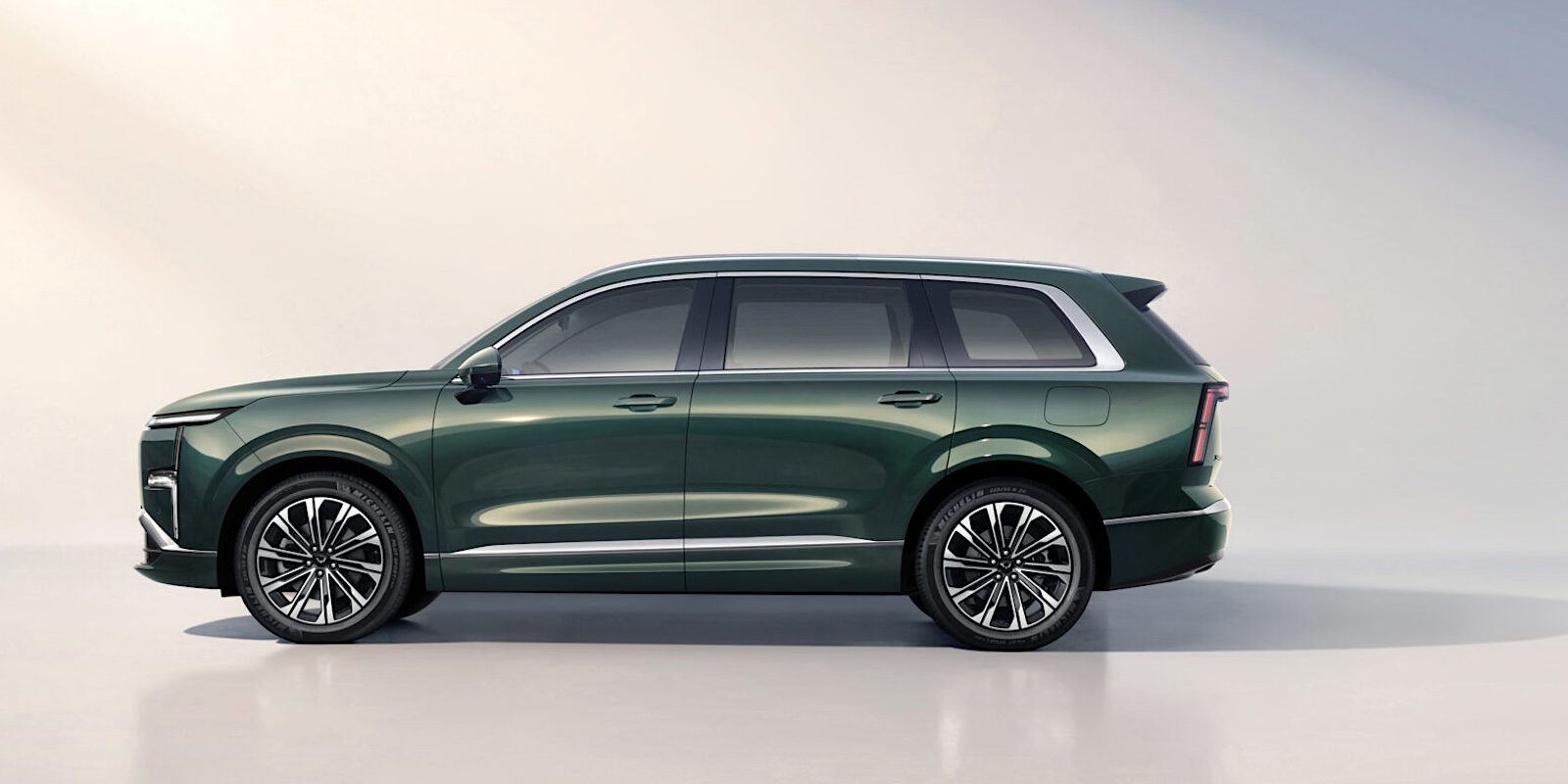
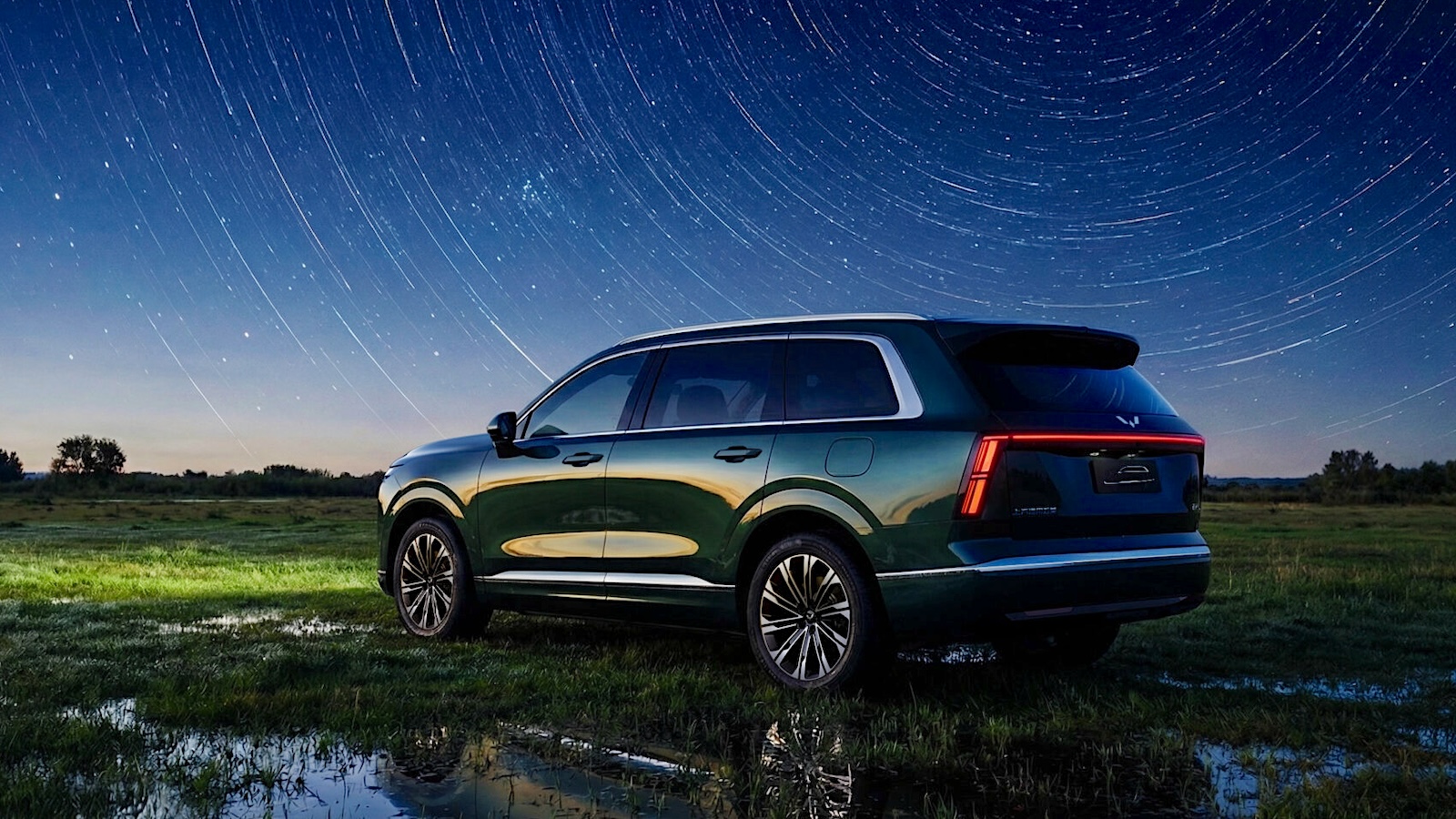
The Starlight L is a mid-to-large-sized SUV, measuring several inches longer and taller than the Chevrolet Blazer EV. Its exterior design language reflects a move toward a more premium aesthetic for the Wuling brand, featuring clean lines, an upright stance, and integrated LED lighting signatures that align with modern global tastes.
Inside, the vehicle is configured with a 2+2+2 seating arrangement. The second row features dual captain’s chairs, a configuration highly sought after in the North American market for its balance of passenger comfort and ease of access to the third row. The interior technology suite is anchored by a large central touchscreen and a digital instrument cluster, running a proprietary operating system that integrates smart navigation, voice commands, and vehicle diagnostic tools. The materials used in the cabin represent a significant upgrade for the Wuling brand, utilizing soft-touch surfaces and ergonomic design to appeal to middle-class families.
The SAIC-GM-Wuling Strategic Partnership
The development of the Starlight L is a direct result of the long-standing joint venture between Shanghai Automotive Industry Corporation (SAIC), General Motors, and Wuling Motors. Since its inception in 2002, SGMW has become one of China’s most successful automotive entities, famously producing the Hongguang Mini EV, which at one point became the best-selling electric vehicle in the world.
While Wuling was traditionally known for producing low-cost commercial vans and entry-level passenger cars, the "Starlight" sub-brand represents a strategic pivot toward more sophisticated, higher-margin vehicles. This evolution is critical for GM, as it allows the American automaker to leverage Chinese manufacturing efficiencies and supply chains to develop technology that can eventually be exported or rebadged for other markets. The Starlight L utilizes GM’s global quality standards and engineering oversight, making it a viable candidate for international expansion under different brand umbrellas, such as Buick or Chevrolet.
Chronology of Market Entry and Trade Dynamics
The rollout of the Starlight L comes at a time of intense geopolitical negotiation regarding the automotive trade. The timeline of this vehicle’s potential journey to North America is closely tied to recent trade agreements between China and Canada.
- Late 2023: SAIC-GM-Wuling announces the expansion of the Starlight platform from a sedan to a larger SUV variant to meet the growing demand for family-sized hybrids.
- Early 2024: The Starlight L enters mass production in Liuzhou, China, with an initial focus on the domestic market.
- May 2024: Reports surface regarding Canada’s interest in diversifying its automotive imports to reduce total reliance on U.S.-manufactured vehicles.
- July 2024: A milestone shipment of 18 Chinese-built Lotus Eletre EVs arrives in Canada. This marks the first significant entry of Chinese-owned EV brands into the Canadian market under a new quota system.
- Current Status: The Starlight L is launched in China at a starting price of 132,800 yuan (approximately $19,900 USD), sparking immediate speculation about its export potential.
Canada’s current trade stance, often referred to as the "Cars for Canola" deal, provides a unique opening. Under this framework, Canada allows for the importation of up to 49,000 Chinese-manufactured EVs and hybrids annually at reduced tariff rates. In exchange, China has indicated a willingness to lower import duties on Canadian agricultural products, specifically canola oil and pork. This reciprocal arrangement creates a "backdoor" for companies like GM to introduce Chinese-developed platforms to the North American continent without the prohibitive 100% tariffs currently imposed by the United States.
Comparative Market Analysis
To understand the disruptive potential of the Starlight L, one must compare it to the current offerings in the North American SUV segment. The average price of a three-row hybrid SUV in the United States and Canada typically ranges between $45,000 and $65,000. For example, the Chrysler Pacifica Hybrid and the Toyota Highlander Hybrid command significant premiums due to their complex powertrains and limited domestic competition.
The Starlight L, even when factoring in shipping costs, safety compliance modifications, and a hypothetical 100% markup for the Western market, could still be sold for under $40,000. At a price point of $39,900, it would offer more electric range than any PHEV currently on the market and provide a six-seat utility that is currently underserved in the affordable price bracket.
The use of LFP (Lithium Iron Phosphate) battery technology further enhances the vehicle’s value proposition. LFP batteries are notably more durable and less prone to thermal runaway than the Nickel Manganese Cobalt (NMC) batteries commonly used by Western manufacturers. They are also free of cobalt, a material associated with significant ethical and supply chain challenges. By utilizing LFP, SGMW ensures a lower cost of production and a longer lifecycle for the vehicle’s most expensive component.
Implications for the North American Market
The potential introduction of the Starlight L to North America carries profound implications for the domestic auto industry. For General Motors, the vehicle represents a low-risk opportunity to fill a glaring gap in its current lineup. While GM has committed to an all-electric future, the transition has been slowed by infrastructure challenges and consumer "range anxiety." A PHEV with 100+ miles of electric range, like the Starlight L, offers a pragmatic compromise that could accelerate the adoption of electrified platforms.
However, the arrival of such a vehicle also poses a threat to traditional domestic manufacturing. If Chinese-built vehicles can offer superior specifications at half the price, North American manufacturers will face immense pressure to innovate or seek further government protection. The Canadian experiment with Chinese imports will serve as a critical test case. If the Starlight L—perhaps rebadged as a Buick Enclave PHEV or a Chevrolet Equinox Plus—finds success in Canada, it will be nearly impossible for the U.S. market to ignore the demand for similar high-value hybrids.

Furthermore, the Starlight L challenges the narrative that PHEVs are merely a "stop-gap" technology. With a 37.9 kWh battery, the vehicle functions as a full EV for the majority of users, potentially reducing national gasoline consumption more effectively than expensive, low-volume luxury BEVs.
Conclusion
The Wuling Starlight L PHEV represents a new era of automotive engineering where the lines between budget-friendly utility and high-tech electrification are increasingly blurred. By combining a massive battery pack with a functional six-seat interior and an aggressive pricing strategy, SAIC-GM-Wuling has created a vehicle that demands global attention. As trade negotiations between North America and China continue to evolve, the Starlight L stands as a testament to the manufacturing prowess of the SGMW joint venture and a harbinger of the competitive pressures that will define the next decade of the global auto industry. Whether it arrives in North American showrooms under a Wuling, Buick, or Chevrolet badge, its influence on the market’s expectations for value and range is already being felt.