Selecting the right gaming keyboard is a foundational decision for any PC user, as the peripheral serves as the primary bridge between human intent and digital action. Whether you are navigating the complex macro requirements of a massively multiplayer online (MMO) game or demanding the millisecond-level precision required for high-stakes esports, the hardware beneath your fingertips significantly influences performance, ergonomic comfort, and overall longevity. While laptop manufacturers continue to refine integrated keyboards, the dedicated mechanical gaming keyboard remains the industry standard for competitive play due to its superior switch technology, customizable actuation, and robust build quality.
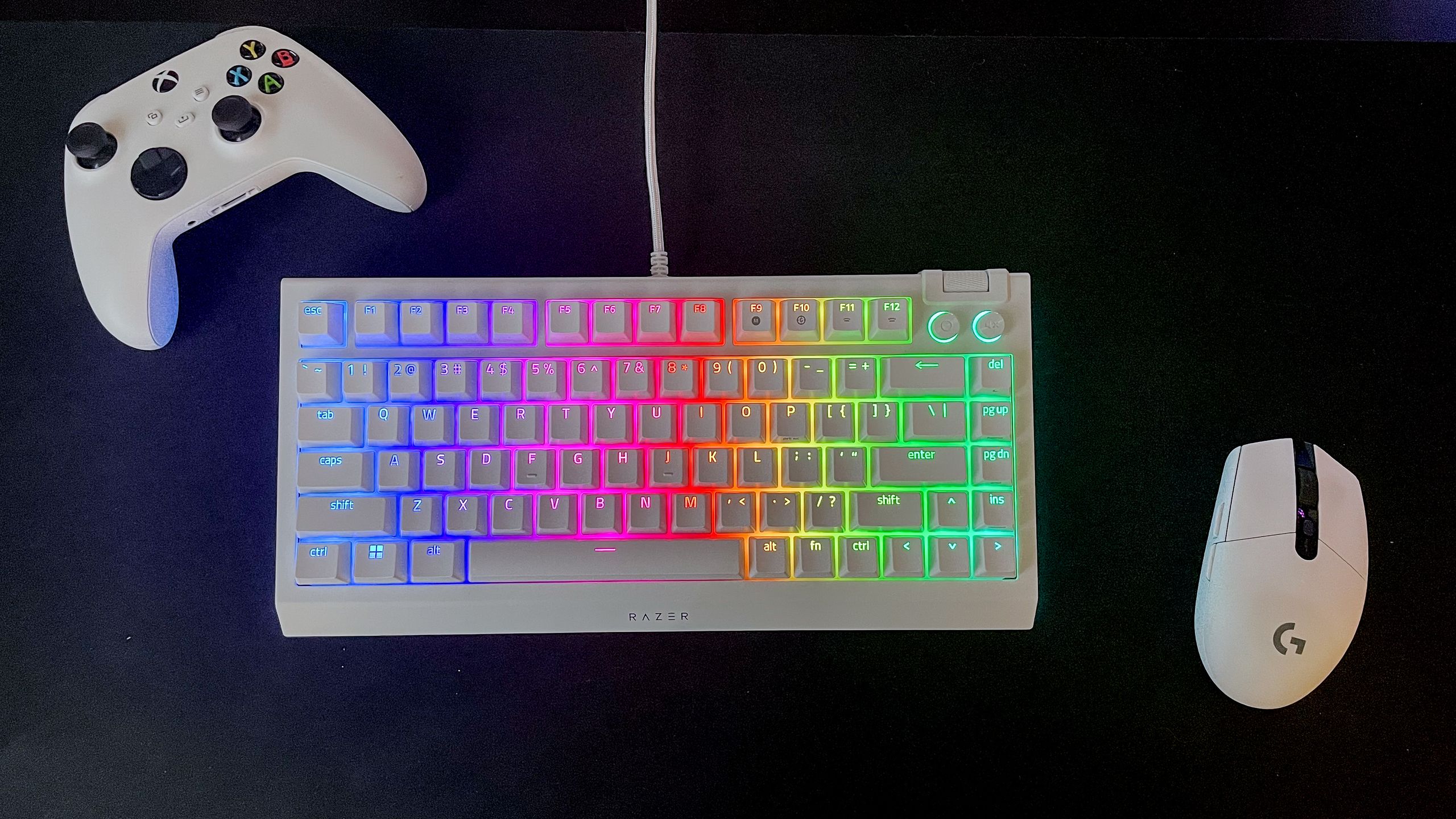
The evolution of gaming peripherals has reached a turning point in recent years. Manufacturers are shifting away from traditional mechanical switches toward advanced actuation technologies, including magnetic Hall Effect (HE) sensors and optical-mechanical systems. These innovations allow for adjustable actuation points—the depth at which a keypress is registered—and rapid trigger features that reset the key the moment it is released, rather than at a fixed reset point. This technological leap provides a tangible competitive advantage, particularly in shooters where movement speed and counter-strafing precision are paramount.
The Technological Landscape of Modern Switches
To understand why the current market of gaming keyboards is so diverse, one must first look at the underlying technology. Traditional mechanical switches rely on physical metal contacts that touch to complete a circuit. This method, while reliable for decades, introduces a minor amount of physical lag and mechanical wear.

In contrast, modern high-end keyboards, such as those utilizing the SteelSeries OmniPoint 3.0 HyperMagnetic switches or Razer’s Analog Optical Gen-2 switches, operate without physical contact for the signal. Instead, they use light beams or magnetic fields to detect the exact distance a key is pressed. This advancement has allowed companies to introduce "Rapid Trigger" functionality. In a standard mechanical keyboard, a key must travel a certain distance back up before it is considered "unpressed." With magnetic switches, the keyboard registers the release the instant the key starts to travel upward. Data from competitive gaming environments suggest that this feature can reduce movement latency by several milliseconds, a difference that often dictates the outcome of professional-level engagements.
Market Segmentation: Balancing Price and Performance
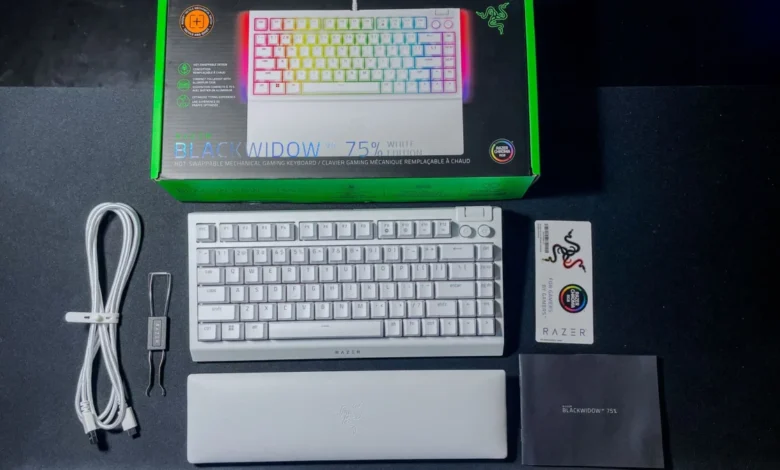
The current market is bifurcated between high-performance "pro" gear and accessible, feature-rich consumer models. The Razer BlackWidow V4 75% currently occupies the "best overall" position, reflecting a market trend toward the 75% form factor. This layout retains the essential arrow keys and function row while stripping away the numeric keypad, providing more desk real estate for mouse movement—a critical factor for low-sensitivity players.
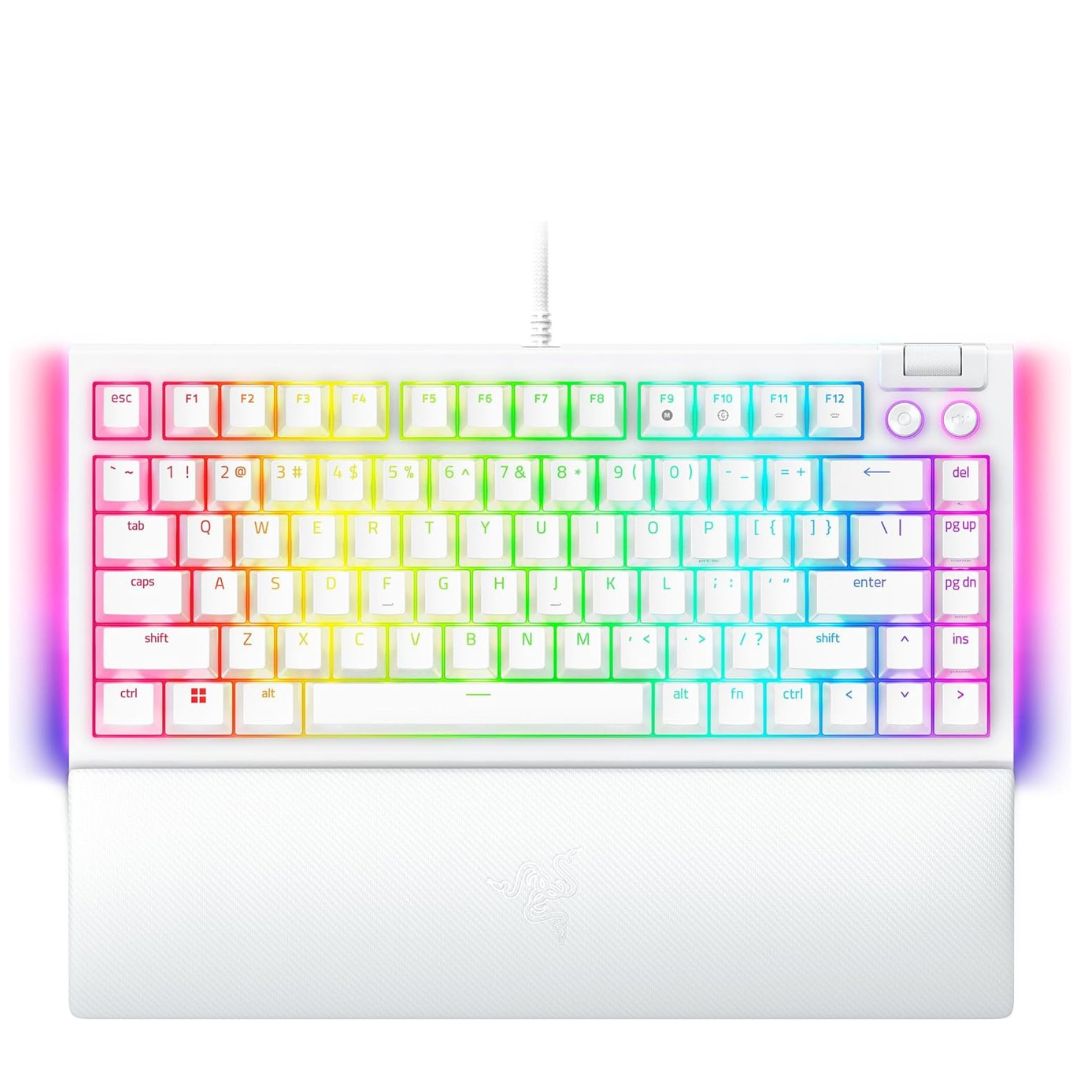
The prioritization of the 75% layout represents a significant shift in consumer demand. According to recent sales data from major peripheral manufacturers, the demand for full-sized, 104-key boards has been steadily declining in favor of Tenkeyless (TKL) and 75% layouts. Users are increasingly valuing desk ergonomics and the aesthetic appeal of a compact, gasket-mounted design that offers a softer, more "thocky" acoustic signature compared to the hollow, pingy sounds of older, plate-mounted keyboards.
The Rise of Value-Driven Mechanical Keyboards
The budget segment of the keyboard market has seen a dramatic improvement in quality, driven largely by the influx of boutique-style manufacturing techniques trickling down to mass-market brands. The Epomaker x Aula F75 is a prime example of this democratization of quality. A few years ago, an $80 keyboard was almost exclusively a membrane-based or entry-level plastic mechanical board. Today, that same price point often secures a gasket-mounted design, hot-swappable switches, and multi-mode wireless connectivity (Bluetooth, 2.4GHz, and wired).

This shift has forced legacy manufacturers to innovate or face obsolescence. The ability for users to "hot-swap" switches—pulling them out and pushing in new ones without soldering—has transformed the keyboard from a static peripheral into a customizable tool. This modularity extends the lifespan of the device, as users can replace a single faulty switch rather than discarding the entire unit.
Competitive Advantages in Esports
In the realm of esports, the requirements for a keyboard are highly specific. Durability and consistency are prioritized above aesthetic flair. The SteelSeries Apex Pro Gen 3 TKL and the Endgame Gear KB65HE represent the pinnacle of this segment. These boards are engineered for environments where a single missed keystroke could result in a lost round.

The implementation of "Protection Mode" in newer firmware—a feature that dynamically disables or adjusts the sensitivity of keys adjacent to the primary movement keys (WASD)—is a direct response to feedback from professional players. This software-level intervention prevents accidental inputs during high-stress scenarios. When integrated with per-key adjustable actuation, players can effectively tailor their board to their specific playstyle: shorter actuation for movement keys to allow for instant, twitchy response, and deeper, more deliberate actuation for utility keys to prevent accidental activation of abilities.
The Full-Size Requirement for Productivity and Macros
Despite the trend toward smaller form factors, the full-size keyboard remains an essential tool for specific demographics. For those who play games with complex command structures, such as World of Warcraft or various MOBAs (Multiplayer Online Battle Arenas), the macro functionality provided by extra keys is indispensable. The Razer BlackWidow V4 Pro caters to this audience by providing not just a full 104-key layout, but also additional dedicated macro keys and a multi-function dial.

From an industry perspective, these full-sized boards are often the "halo" products for brands. They demonstrate the full extent of a company’s software capabilities—such as the integration of Razer Synapse for complex lighting and macro mapping—and provide a platform for high-end aesthetic choices, such as underglow lighting and premium wrist rests. The inclusion of these accessories as standard, rather than optional, highlights the premium nature of the top-tier segment.
The Role of Optical Switches
Optical switches, as seen in the Razer Huntsman V3 Pro TKL, offer an alternative path to the speed provided by magnetic switches. By using a beam of light to register input, these switches eliminate the debounce delay associated with traditional metal contacts. This technology has proven to be incredibly durable, as there are fewer moving parts that wear out over time compared to mechanical or even some magnetic designs.

The primary implication for the user is long-term reliability. As gaming becomes more professionalized, the hardware lifecycle is being scrutinized more heavily. An optical switch that is rated for 100 million keystrokes is essentially immune to the "double-clicking" or "chatter" issues that plagued early mechanical keyboards. This makes them a favored choice for gamers who intend to use their hardware for years without needing to perform maintenance or replacements.
How to Navigate the Selection Process
When evaluating a purchase, consumers should focus on four primary pillars: switch type, form factor, connectivity, and software ecosystem.

- Switch Selection: If speed is the primary objective, look for magnetic or optical switches with rapid trigger capabilities. If the preference is for a tactile "feel" that provides confirmation of a press, mechanical switches like the Razer Orange or Cherry MX Brown remain the gold standard.
- Form Factor: Consider the space available on the desk. A 65% or 75% board is optimal for competitive play where the keyboard is often angled to accommodate a large mousepad. If the user also uses the PC for office work or creative tasks, a full-size board with a dedicated number pad is often more practical.
- Connectivity: Wired connections remain the standard for competitive esports due to the elimination of battery anxiety and the absolute absence of interference. However, modern 2.4GHz wireless technology has reached a point where latency is indistinguishable from wired connections, making wireless a viable choice for those who value a clean, cable-free desk.
- Software: The ecosystem is a significant, if often overlooked, factor. A keyboard is only as good as the software that manages it. Users who already own a mouse from a specific manufacturer should prioritize a keyboard from the same brand to consolidate software management under a single interface.
Future Implications for Peripheral Development
The rapid advancement of gaming keyboards suggests that the next phase of development will likely center on "smart" features. We are already seeing the integration of OLED displays for system monitoring, and it is highly probable that future high-end boards will include more advanced haptic feedback and AI-driven software profiles that automatically adjust settings based on the specific game being played.
Furthermore, the industry is trending toward sustainability. The move toward hot-swappable switches and replaceable components is a positive development that benefits both the consumer and the environment. By allowing users to maintain their hardware, manufacturers are acknowledging that a high-performance keyboard is a long-term investment, not a disposable item.
In conclusion, the selection of a gaming keyboard in 2024 is no longer about simply choosing a brand; it is about choosing a toolset that aligns with specific gaming requirements. Whether the priority is the sheer speed of a magnetic switch, the tactile satisfaction of a mechanical board, or the extensive macro capability of a full-size station, the market currently offers an unprecedented level of choice. By understanding the underlying technologies and assessing personal needs, users can secure a piece of hardware that significantly elevates their digital experience and competitive potential. As the industry continues to push the boundaries of what is possible in input technology, the bridge between the player and the virtual world becomes ever more seamless and precise.
Related posts: