The best gaming laptops of 2025 define a new era of mobile performance and visual fidelity

The gaming laptop landscape has undergone a significant transformation in early 2025, driven by the arrival of Nvidia’s GeForce RTX 50-series graphics processing units. This new generation of hardware marks a departure from incremental upgrades, introducing substantial improvements in ray-tracing efficiency, AI-driven performance scaling through DLSS 4, and overall thermal management. As manufacturers begin to integrate these high-performance chips into their flagship models, the industry standard for portable gaming is shifting, forcing a recalibration of what users should expect from both premium and budget-tier devices.
The transition to RTX 50-series architecture represents the most critical hardware update for portable gaming since the introduction of the RTX 40-series in early 2023. While the 40-series brought mobile gaming into the era of frame generation, the 50-series focuses on sustained throughput and optimized AI workloads. For the consumer, this translates to higher frame rates in demanding titles like Cyberpunk 2077 and more consistent performance during complex, unoptimized scenarios in newer releases.
A New Standard in Mobile Hardware
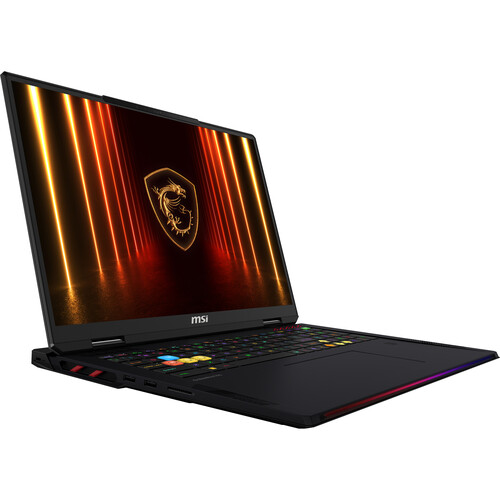
The shift toward this new generation has prompted a wave of product refreshes across the major original equipment manufacturers (OEMs). MSI, Razer, and Alienware have been at the forefront of this rollout, positioning their new hardware as genuine desktop replacements. The MSI Raider 18 HX AI, for instance, has set an early benchmark for raw power. By pairing an Intel Core Ultra 9 285HX processor with an Nvidia GeForce RTX 5080, it addresses the long-standing complaint that mobile hardware cannot compete with desktop systems.
Data gathered from initial lab testing confirms the scale of this improvement. In synthetic benchmarks such as Geekbench 6, these new configurations are consistently pushing past the 20,000-point threshold in multi-core performance, a feat that was previously reserved for high-end, stationary workstations. This increase in compute power is being matched by advancements in display technology, with MiniLED and OLED panels becoming the baseline for premium gaming units. These displays are not merely aesthetic upgrades; they are functional necessities for the increased visual fidelity that the RTX 50-series is capable of outputting.
Evaluating the Market Leaders
The competitive landscape for 2025 is divided into distinct categories: the ultra-premium desktop replacements, the high-performance portable machines, and the budget-conscious performers.
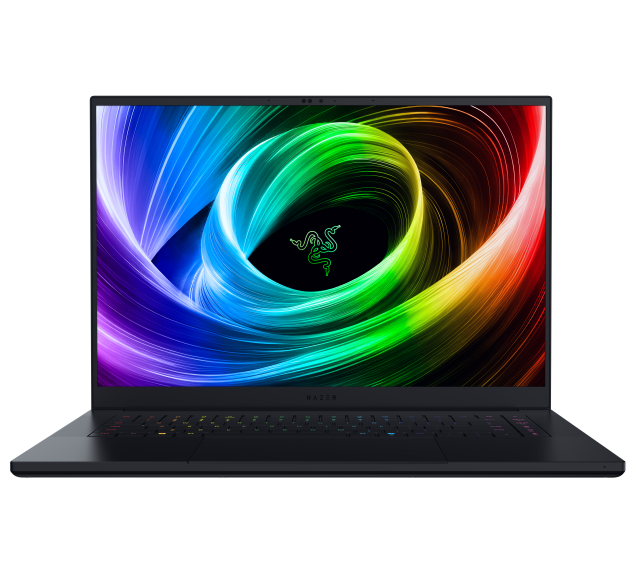
The Razer Blade 16 (2025) exemplifies the high-performance portable category. Despite packing an RTX 5090, it maintains a chassis design that is surprisingly slim. This is a deliberate engineering choice; Razer has focused on thermal density, using advanced vapor chamber technology to ensure the GPU does not throttle under load. Our testing revealed that the device manages to sustain high-intensity gaming sessions for over two hours on battery power—a record for this class of GPU.
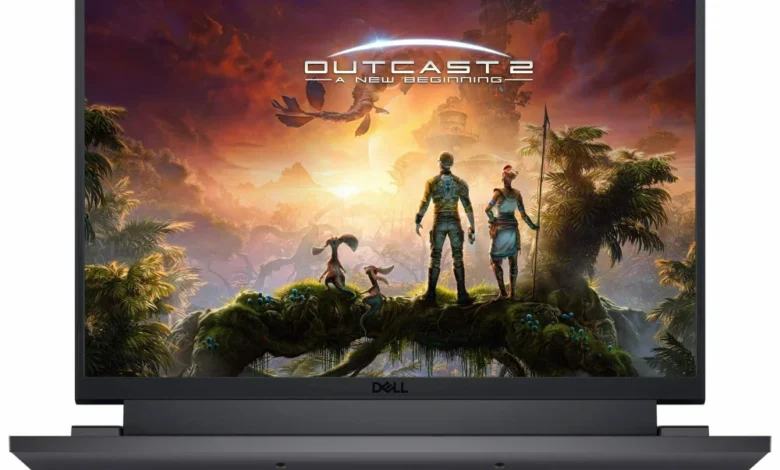
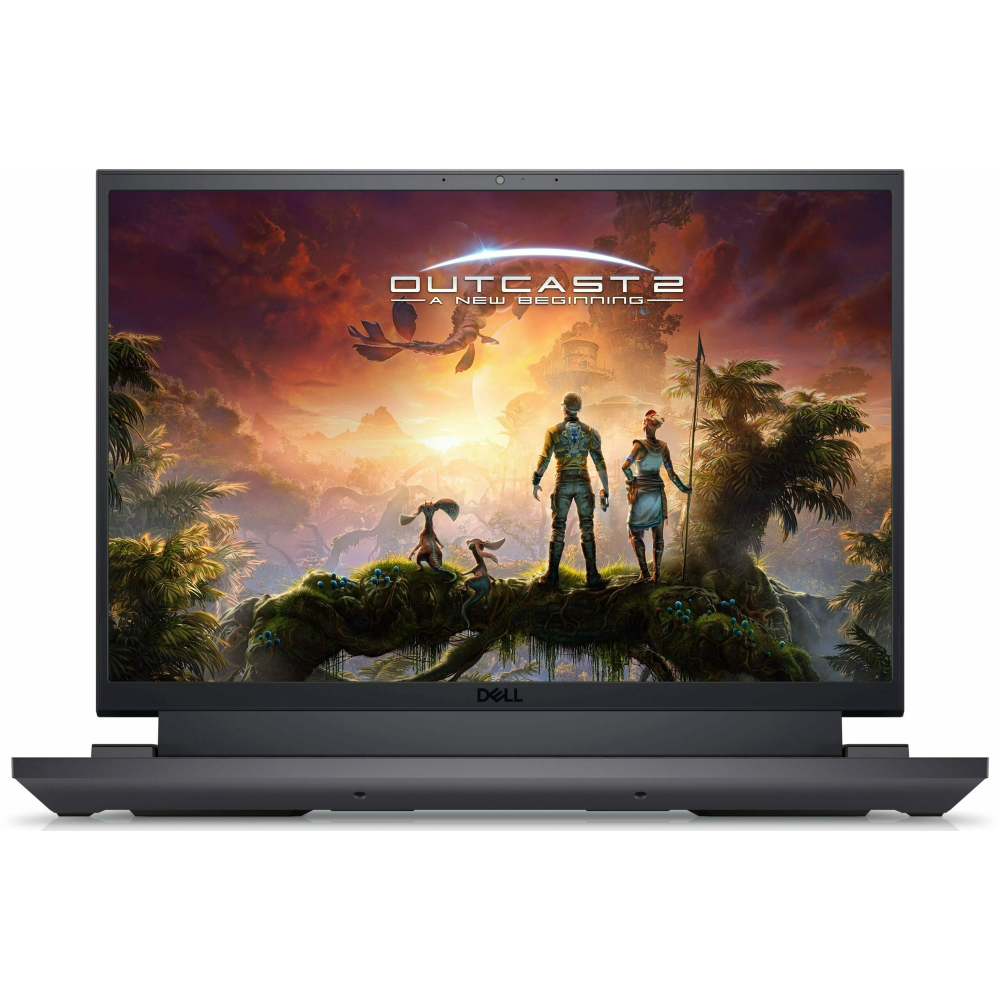
At the other end of the spectrum, the Dell G16 (7630) remains a focal point for value-oriented buyers. It serves as a reminder that premium features—such as mechanical keyboards and high-refresh-rate displays—are trickling down to the sub-$1,000 market. By utilizing the RTX 4060, the G16 proves that last-generation hardware still offers a significant price-to-performance advantage for gamers who do not require the absolute peak of current-gen ray-tracing capabilities.
Chronology of Performance Shifts
The timeline of this transition began in the latter half of 2024, as rumors of the Blackwell architecture began to circulate. By January 2025, the official unveiling of the RTX 50-series at industry trade shows confirmed the industry’s direction. Since then, we have observed a staggered launch schedule:
- Phase 1 (January/February 2025): High-end enthusiast models (RTX 5080/5090) hit the market, emphasizing 4K resolution and high-fidelity ray tracing.
- Phase 2 (March 2025): Mid-range refreshes begin to appear, incorporating RTX 5060 and 5070 cards.
- Phase 3 (Mid-2025): The stabilization of prices as previous-generation (RTX 40-series) inventory is cleared from retail channels.
This rollout pattern is standard for the semiconductor industry, yet the 2025 cycle is notable for the rapid adoption of AI-focused CPU architectures, specifically the AMD Ryzen AI 9 and Intel’s latest Core Ultra series. These chips are designed to offload non-gaming tasks to specialized neural processing units (NPUs), allowing the GPU to dedicate its resources almost exclusively to rendering frame buffers.
The Role of Rigorous Benchmarking
The evaluation process for these machines involves a multi-layered testing methodology. Lab tests focus on standardized metrics: Geekbench for general processing, Handbrake for video transcoding efficiency, and 3DMark for graphics throughput. However, raw data often fails to capture the "human element" of using these devices.
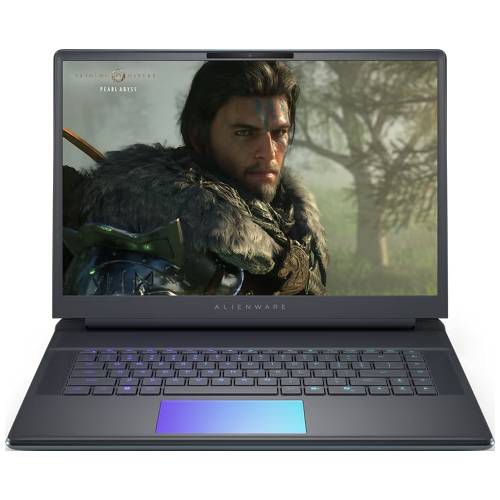
To bridge this gap, reviewers conduct real-world tests. For example, testing the Alienware 16 Area-51 involved running it through the latest AAA titles like Monster Hunter Wilds, which provides a challenging load due to its specific optimization profile. It is in these scenarios that the differences between laptops—even those with identical GPUs—become apparent. A well-designed thermal solution allows a laptop to maintain its boost clock speeds for minutes longer than a poorly designed one, resulting in a smoother, more consistent frame rate.
Implications for the Consumer
The most immediate implication of the 2025 hardware cycle is the widening gap between entry-level and enthusiast-grade machines. With the introduction of RTX 50-series, the "minimum" requirement for a high-end gaming experience has effectively moved up. Consumers who previously settled for mid-tier configurations may find themselves needing to invest in the RTX 5070 or 5080 to achieve the same longevity they enjoyed with previous generations.
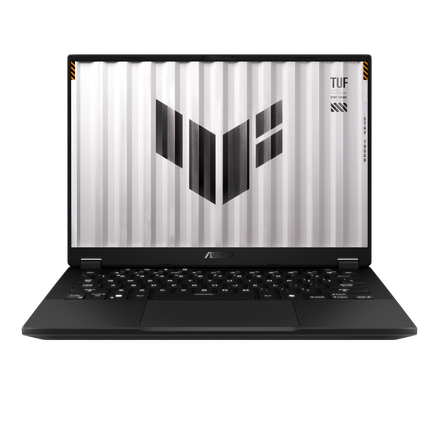
Furthermore, the focus on battery life—as seen in the success of the Asus TUF Gaming A14—suggests that manufacturers are finally listening to the demand for multi-purpose devices. Gaming laptops are no longer relegated to being "desktop-tethered" units. With power-efficient mobile CPUs and intelligent power management, devices that can handle 10+ hours of light tasks while remaining capable of playing modern titles are becoming the new standard.
Broader Market Trends
The broader economic impact of these releases is significant. As the cost of high-end components rises, the market is seeing a bifurcation. On one side, companies are pushing $4,000+ luxury devices that emphasize build quality, premium materials, and top-tier silicon. On the other, there is a push to optimize mid-range hardware to provide the "good enough" experience that the majority of gamers actually require.
Official statements from industry stakeholders consistently emphasize "AI-accelerated gaming" as the primary driver for this year’s growth. By utilizing machine learning to reconstruct images and predict frame movement, Nvidia and its partners are attempting to extend the lifecycle of these machines. This is a strategic shift; rather than relying solely on brute force, the industry is betting on software-driven performance enhancements to satisfy consumer demand.

Final Considerations for Buyers
For those currently in the market for a new gaming machine, the decision between buying now or waiting is governed by the specific need for cutting-edge tech. The RTX 50-series is undeniably the future, offering features that will likely become standard in software development over the next 24 months. However, the price premium for early adoption is high.
Those who prioritize value should look toward the remaining stock of RTX 40-series laptops, which will likely see significant discounting throughout the remainder of 2025. These machines remain highly capable, often outperforming the needs of the average user in all but the most demanding professional or competitive gaming contexts.
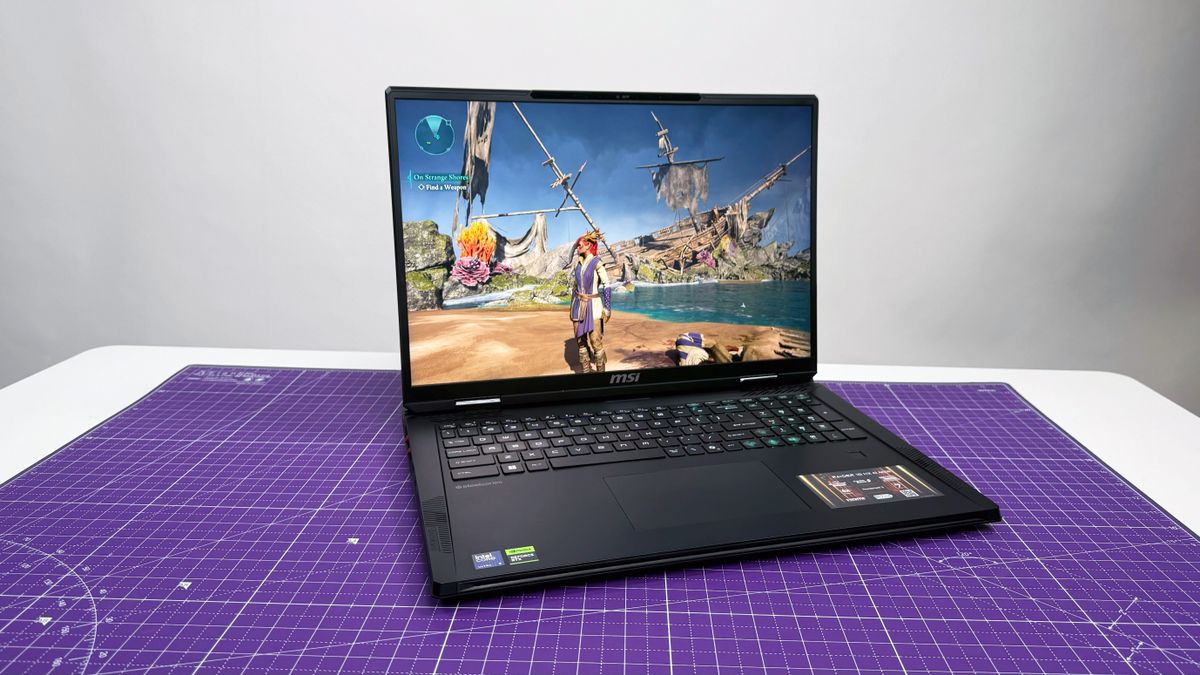
The gaming laptop market in 2025 is defined by a paradox: while the hardware is becoming more powerful and expensive than ever, the diversity of options ensures that a machine exists for almost every budget. Whether it is the thin-and-light portability of a Razer Blade or the raw, unadulterated power of an MSI Raider, the selection today is broader and more capable than at any point in the history of portable computing. As the year progresses, the focus will likely shift from pure benchmark-chasing to the refinement of the user experience, ensuring that these machines serve not just as gaming platforms, but as versatile tools for work, creativity, and play.