Apple Dominates US Smartphone Market with Record 57 Percent Share Amid Industry Contraction

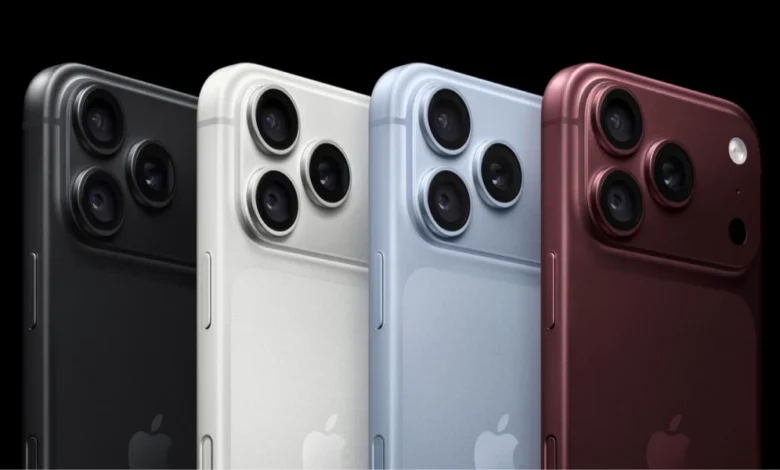
The landscape of the United States smartphone market has undergone a significant transformation in the third quarter of 2026, characterized by a sharp decline in overall device shipments and a stark divergence in performance between market leaders. According to the latest data from Counterpoint Research, Apple has surged to capture a 57% share of US smartphone shipments, up from 50% in the same period last year. This gain is particularly notable given that the broader industry saw total shipments plummet by 9% year-over-year. As supply chain volatility, rising component costs, and shifting consumer behavior reshape the tech sector, Apple remains the sole major manufacturer to effectively insulate itself from the downward trend.
A Period of Market Contraction
The broader smartphone industry has been grappling with significant headwinds throughout 2026. Global and regional reports indicate that manufacturers are struggling to manage fluctuating costs for raw materials, particularly semiconductors and memory modules. The third quarter data for the United States reflects this strain, with the 9% year-over-year decline in shipments serving as a barometer for reduced consumer confidence and tighter hardware margins.

While competitors struggled to maintain their footing, Apple’s ability to navigate these economic pressures has been attributed to its robust vertical integration and pricing strategy. By maintaining stable pricing throughout the year—only adjusting after the late-September launch of the iPhone 18 Pro lineup—Apple sustained demand in a way that its competitors, who were forced to implement multiple price hikes to offset manufacturing costs, could not replicate.
Chronology of Regional and National Shifts
The current dominance in the US follows a broader pattern of performance observed globally. Earlier this week, reports on the Latin American smartphone market highlighted a 24% decline in total shipments across that region. Even in that challenging environment, Apple outperformed its peers, recording the smallest year-over-year decline among the top five smartphone manufacturers and expanding its regional market share from 7% to 9%.
This trend of market consolidation toward Apple has been building throughout 2026. The company’s resilience in the face of global component shortages—a persistent issue that plagued the industry in previous years—has evolved into a competitive advantage. While rivals have had to throttle production or aggressively pass costs onto consumers, Apple has utilized its massive scale and refined logistics to maintain inventory levels and consumer interest. The release of the iPhone 18 Pro, which arrived in a market already starved for innovation, acted as a catalyst, allowing the company to cement its leadership position during a critical fiscal window.

Comparative Performance: Android vs. iOS
The disparity between Apple and its Android counterparts has never been more pronounced. The Counterpoint Research analysis specifically points to the "low-end" Android segment as the most significant casualty of the current quarter. As memory costs surged, manufacturers producing budget-friendly devices found themselves unable to maintain profitability without raising prices, effectively alienating the price-sensitive demographic that typically sustains high-volume Android shipments.
Samsung emerged as the only other major player to see growth, albeit modest. With a one-percentage-point increase in shipment share, bringing its total to 25%, the South Korean tech giant relied on a diversified portfolio that spans from premium flagships to the entry-level Galaxy A-series. By balancing high-end offerings with volume-driven budget models, Samsung managed to capture some of the market share left behind by other struggling Android manufacturers, though it remained unable to match Apple’s momentum.
Implications for Carriers and Retail
The ripple effect of this downturn has extended beyond manufacturers to the major US telecommunications carriers. The report indicates that smartphone sales across the three largest carriers collectively fell by 4% year-over-year. Historically, carrier promotions and subsidized upgrade programs have been the lifeblood of smartphone distribution in the United States. However, the current financial environment has forced these entities to become increasingly selective with their holiday promotional strategies.

Industry analysts suggest that this caution is a direct response to the persistent elevation of memory and component costs. Carriers are no longer as willing to absorb the cost of heavy handset subsidies if consumer demand remains tepid. Consequently, the combination of weakened carrier support and higher retail prices for hardware has created a "perfect storm" that is likely to suppress shipment volumes well into the final quarter of the year.
Future Outlook and Economic Headwinds
As the industry moves into the fourth quarter—typically the strongest period for smartphone sales due to the holiday shopping season—the outlook remains guarded. Counterpoint Research expects that memory costs will remain at elevated levels for the foreseeable future, continuing to pressure the bottom lines of handset makers.
Furthermore, the shift in carrier strategies suggests that the traditional "holiday surge" may be more muted in 2026 than in previous years. For consumers, this implies fewer aggressive trade-in deals and a higher barrier to entry for the latest flagship devices. The reliance on legacy devices and the secondary market may increase as consumers look for alternatives to paying premium launch-day prices for new hardware.

Strategic Analysis: The Apple Advantage
The dominance of Apple in the US market is not merely a result of product preference but a testament to its strategic pricing discipline. By deferring price increases until the iPhone 18 Pro launch, Apple successfully captured the high-end market segment while competitors were busy navigating the turbulence of the mid-range and budget segments.
Moreover, the "Apple Ecosystem" effect continues to provide a buffer against the economic volatility that impacts standalone hardware manufacturers. Customers locked into Apple’s software services, wearables, and computing hardware are statistically less likely to migrate to other platforms when prices rise, providing the company with a stable and predictable revenue stream that few, if any, of its competitors can claim.
Conclusion
The Q3 2026 data serves as a stark reminder that the smartphone market is undergoing a period of painful recalibration. As the industry grapples with the dual pressures of supply chain inflation and cooling consumer demand, the gap between the market leader and the rest of the pack is widening. Apple’s 57% share of US shipments is more than a statistic; it is an indicator of a brand that has successfully positioned itself as a defensive asset for consumers in an uncertain economic climate. Whether the market can recover in the coming year will largely depend on the stabilization of component costs and the ability of non-Apple manufacturers to find a sustainable value proposition in a price-sensitive environment. For now, the US market is undeniably an Apple-centric one, defined by a level of brand loyalty and market control that has set a new benchmark for the mobile industry.