The Best Laptops Under $500 Offer Surprising Value and Performance for Modern Users

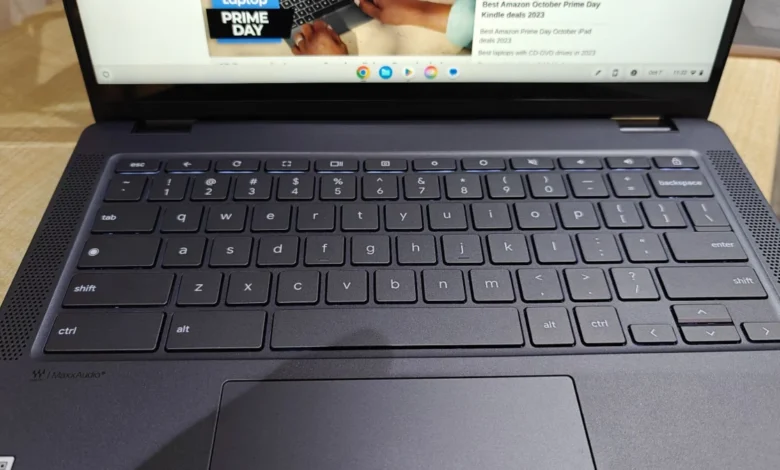
Finding a reliable, high-performing laptop for under $500 is often viewed as a compromise between affordability and functional longevity. However, as the computing market shifts toward cloud-based productivity and efficient hardware, the gap between budget machines and premium devices has narrowed significantly. Modern sub-$500 laptops now reliably handle daily tasks such as web browsing, academic research, professional document drafting, and media streaming, making them viable tools for students and professionals on a budget.
The Evolution of the Budget Laptop Market
The landscape of the personal computer market has changed drastically over the last decade. Historically, budget laptops were characterized by sluggish processors, fragile plastic chassis, and displays that lacked color accuracy. Today, the segment is dominated by Chromebooks, which leverage the lightweight ChromeOS to provide a snappy user experience on hardware that would otherwise struggle with traditional, resource-heavy operating systems like Windows.
This shift has been necessitated by the rising cost of living and the increasing necessity of digital access in education. According to data from industry analysts, the demand for affordable, portable computing devices spiked following the global transition to remote and hybrid work models in 2020. Manufacturers responded by optimizing entry-level silicon—specifically the Intel N-series and MediaTek Kompanio chips—to ensure that even the most affordable models remain functional for at least three to four years of standard use.
Strategic Compromises: What to Expect
When purchasing a laptop in the sub-$500 bracket, consumers must understand the nature of the trade-offs involved. Manufacturers prioritize essential features that impact the daily user experience—such as keyboard quality, trackpad responsiveness, and battery life—while cutting costs on secondary components.
For instance, users should not anticipate high-end discrete graphics or premium aluminum chassis. Storage is frequently limited to 128GB of eMMC memory, which is slower than traditional SSDs but sufficient for cloud-dependent workflows. Displays in this price range often target the standard 1080p resolution, though panel technology varies. While IPS panels are becoming standard, brightness levels may hover between 250 and 350 nits, which is adequate for indoor use but may struggle in direct sunlight.
Top Contenders in the Current Market
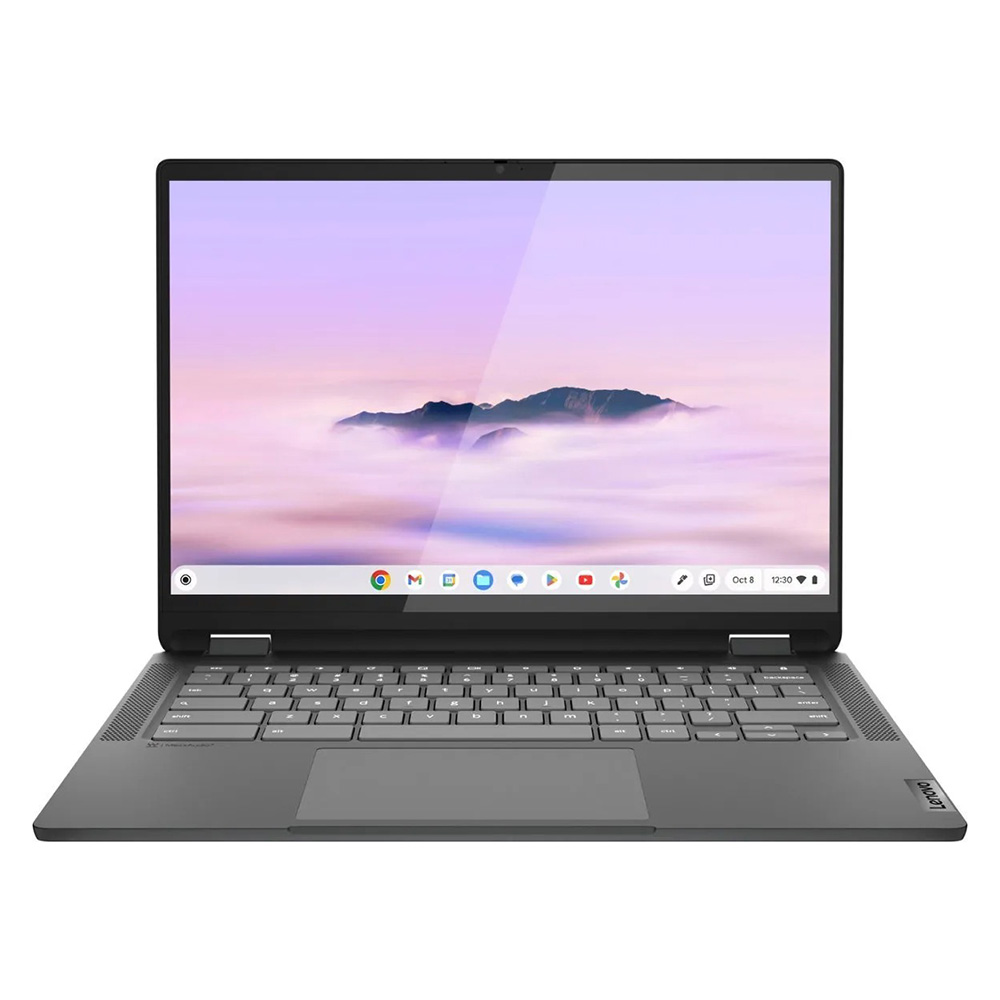
Lenovo IdeaPad Flex 5i Chromebook Plus
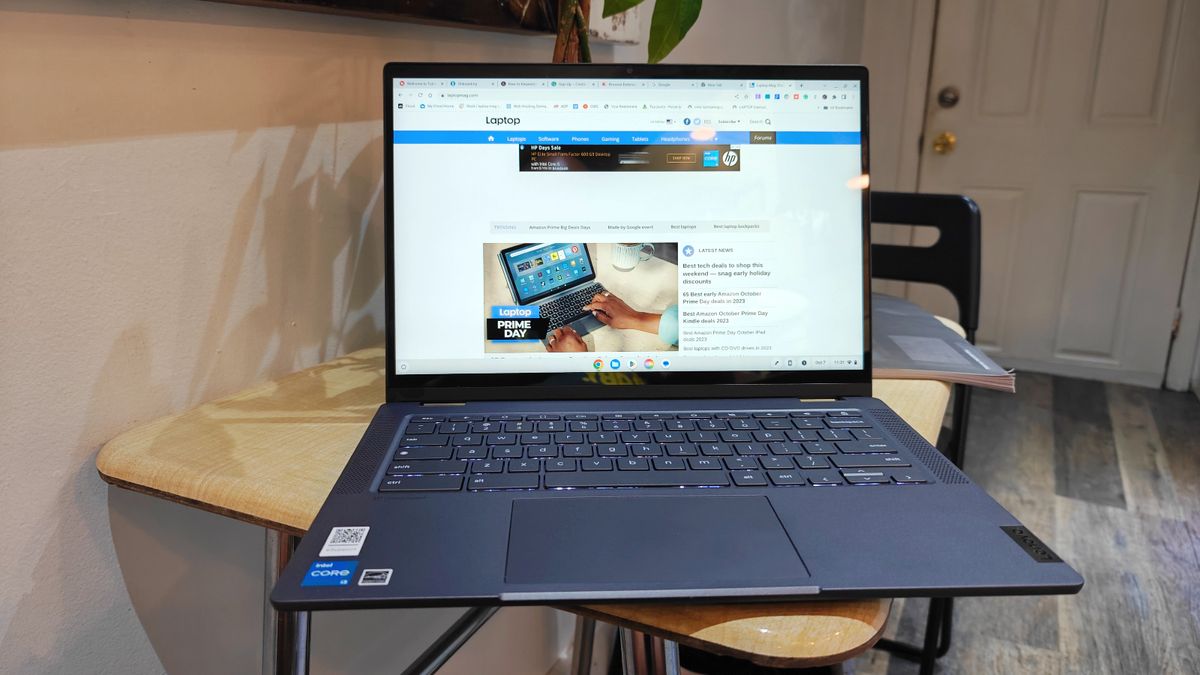
Currently leading the market as the best overall value, the Lenovo IdeaPad Flex 5i Chromebook Plus represents the "next-level" performance tier for ChromeOS. With an Intel Core i3-1315U processor and 8GB of RAM, this device consistently hits benchmark scores that surpass its competitors. In recent performance testing, it achieved a Geekbench 6 multi-core score of 5,384, providing a seamless multitasking environment. Its 2-in-1 design, coupled with a 14-inch 16:10 aspect ratio display, provides a vertical workspace that is superior to standard 16:9 panels, making it an excellent choice for document editing.
Lenovo Duet 5 Chromebook
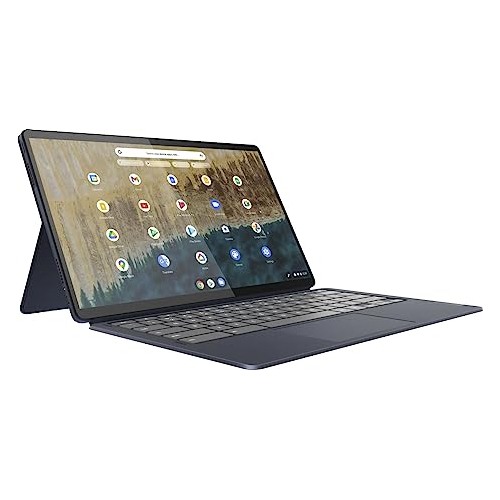
For those prioritizing portability and visual fidelity, the Lenovo Duet 5 Chromebook remains a top recommendation under $300. It is distinguished by its 13.3-inch OLED display, a rarity in this price bracket. The inclusion of an OLED panel allows for deeper blacks and more vibrant colors, which are typically reserved for laptops priced well over $1,000. While its performance on synthetic benchmarks is more modest—averaging a Geekbench 5 multi-core score of 1,727—it excels in longevity, offering over 13 hours of battery life on a single charge. As a detachable 2-in-1, it serves as a versatile companion for students who alternate between tablet-based note-taking and keyboard-driven assignments.
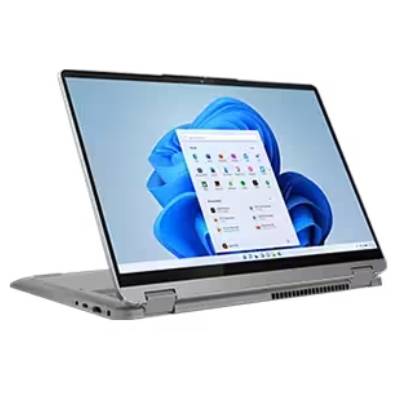
Lenovo IdeaPad Flex 5 14 (Windows)
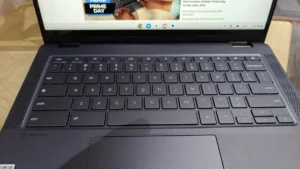
Finding a Windows-based machine under $500 that does not suffer from immediate performance degradation is difficult, yet the Lenovo IdeaPad Flex 5 14 remains a reliable option. It bridges the gap for users who require specific Windows applications that cannot run on ChromeOS. With an Intel Core i5-1135G7 and 16GB of RAM, it offers a more traditional computing experience. Its standout feature is the keyboard, which provides a tactile, responsive feel that is frequently missing from budget-tier Windows devices.
Acer Chromebook Spin 312
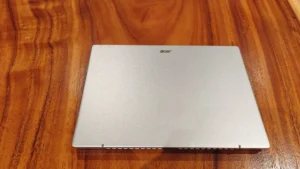
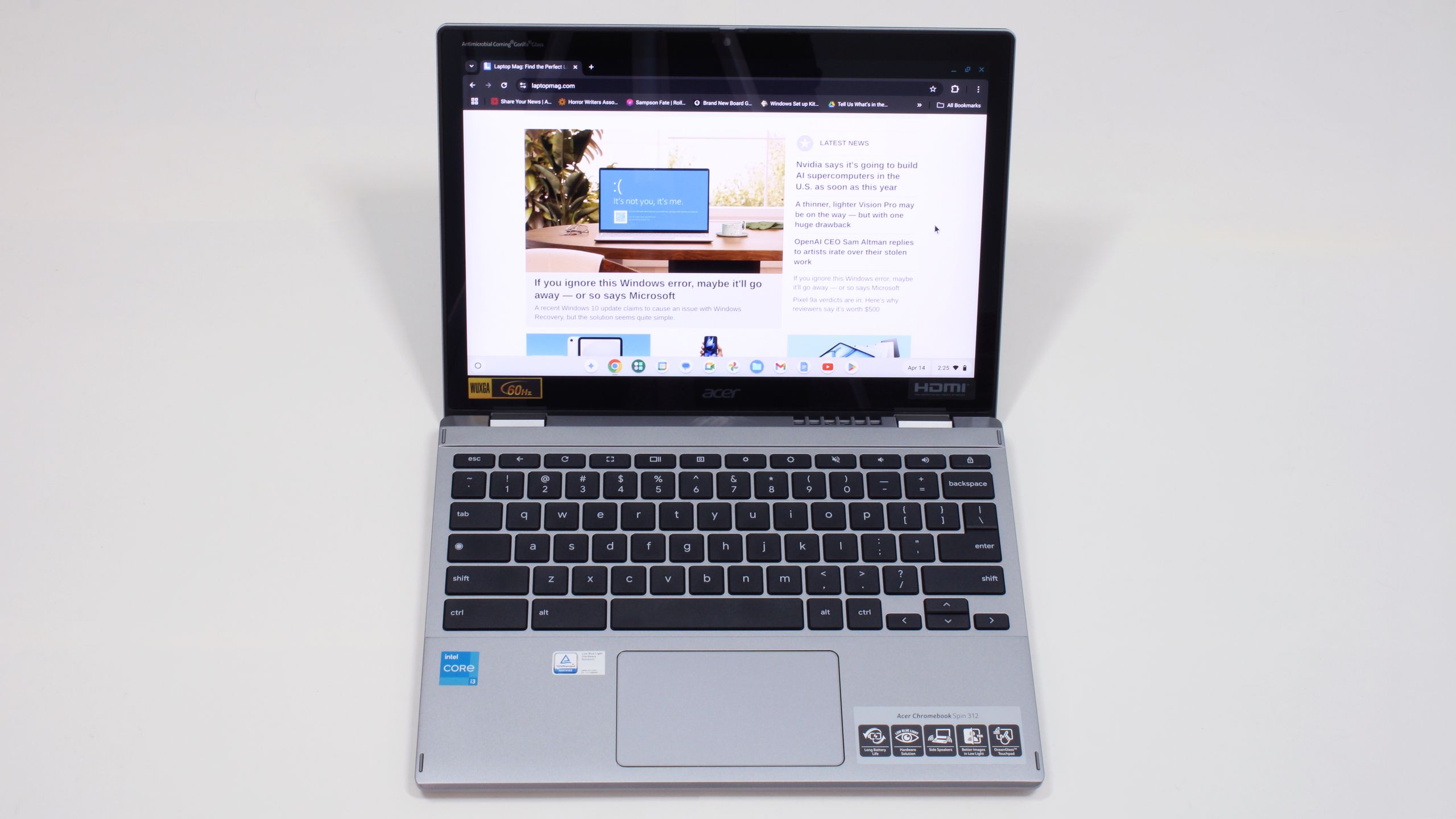
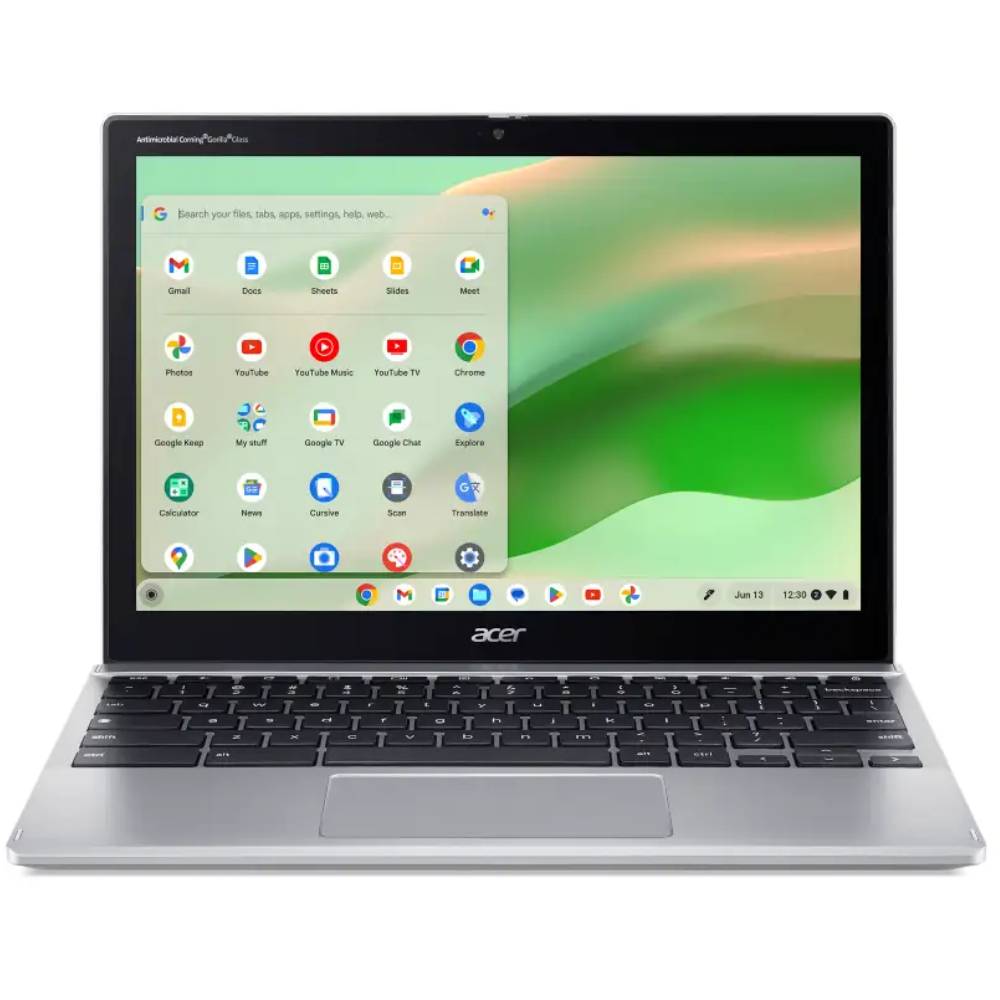
The Acer Chromebook Spin 312 has become a staple for educational environments. Featuring a 12.2-inch display coated in Corning Gorilla Glass, it offers a level of durability that is essential for classroom settings. Beyond its physical robustness, the Spin 312 features an OceanGlass trackpad, which offers a premium, glass-like texture that significantly enhances navigation. Its battery life—clocking in at over 10 hours—ensures it can survive a full school day without needing a recharge.
Comparative Performance Metrics
Data indicates that performance is not uniform across the budget category. When evaluating machines, consumers should look at the following technical benchmarks:
- Geekbench 6 (CPU Performance): The Lenovo IdeaPad Flex 5i currently leads the cohort with a score of 5,384, compared to the Acer Chromebook Spin 312’s 4,477.
- Battery Longevity: While the IdeaPad Flex 5 (Windows) leads with 14 hours and 16 minutes of web-surfing time, the Duet 5 Chromebook follows closely at 13 hours and 31 minutes.
- Color Gamut (DCI-P3): The Duet 5 Chromebook’s OLED panel achieves 85.2% coverage, vastly outperforming the 45%–55% coverage found in standard IPS displays on other budget models.
Implications of Market Trends and Economic Factors
The affordability of these devices is sensitive to broader economic pressures, including semiconductor supply chain fluctuations and international trade tariffs. Analysts have noted that if current tariff proposals are fully implemented, the baseline cost of importing electronic components could rise significantly. This would likely force manufacturers to either increase retail prices or further reduce the quality of internal components to maintain the "under $500" price point.

Furthermore, the rise of "AI-ready" computing is beginning to influence the budget sector. As AI features become integrated into the web-based tools that Chromebooks rely on, the demand for more robust integrated NPUs (Neural Processing Units) or more efficient CPUs will likely grow. The Lenovo IdeaPad Flex 5i Chromebook Plus is already a beneficiary of this trend, utilizing AI-enhanced performance features to remain competitive against more expensive Windows-based ultrabooks.
Guidance for Consumers
When selecting a budget laptop, the decision should be guided by the intended primary use case:
- For Students: Prioritize battery life and build quality. A device that can survive a backpack and a full day of classes is more valuable than one with higher processing power.
- For Office/Productivity: If the workflow is entirely browser-based, a Chromebook offers the best performance-to-price ratio. If specific software (like full versions of MS Office or specialized accounting tools) is required, a Windows laptop with at least 8GB of RAM is mandatory.
- For Media Consumption: Prioritize screen technology. If the budget allows, look for OLED or high-quality IPS panels, even if it means settling for a smaller 12- or 13-inch screen.
Ultimately, the market for laptops under $500 is more robust than it has been in previous years. By focusing on machines with at least 8GB of RAM and reputable processor series, consumers can secure devices that serve as reliable, long-term tools. As the industry continues to prioritize energy efficiency and cloud-based integration, these budget-friendly options will continue to provide significant value for the vast majority of daily computing tasks.