Valve Clarifies Steam Is Not Hosting an Official Black Friday Sale Despite Festive Site Overhaul

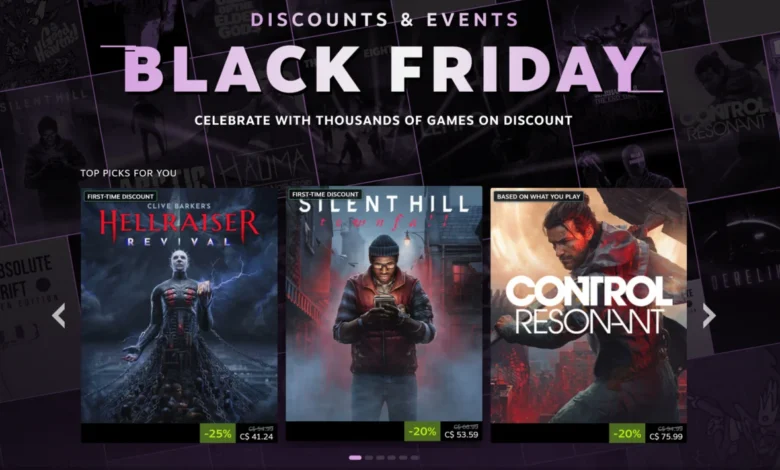
The digital storefront landscape during the late-November holiday shopping period has long been characterized by aggressive cross-industry discounting, yet Valve Corporation has officially stated that Steam is not operating an authorized, platform-wide Black Friday festival for 2026. Despite this administrative stance, visitors to the Steam platform will notice that the Discounts and Events page has been draped in seasonal iconography. This aesthetic shift is designed to accommodate independent publishers and game developers who have independently slashed prices to capture consumer attention during the busiest retail weekend of the calendar year. Rather than organizing a centralized promotional event complete with themed trading cards, community stickers, or platform-wide meta-games, Valve has chosen to assist third-party studios by highlighting their individual markdowns through a seasonally themed user interface.
Background Context of Steam Seasonal Sales
For much of Steam’s history, the absence of a dedicated Black Friday event was a matter of logistical necessity. Valve traditionally anchored its late-autumn promotional calendar around the Steam Autumn Sale, an event that historically occupied a calendar window perilously close to the Winter Sale in late December. Having two major platform-wide promotional pushes within weeks of each other often led to developer fatigue, compressed marketing windows for newly released titles, and diminished returns for participating studios.

The structural landscape of Steam’s promotional calendar shifted dramatically following a realignment of seasonal sales. This strategy moved the Autumn Sale forward by several weeks, effectively carving out an operational vacancy in late November. Last year, this void was temporarily filled by what was widely recognized as the platform’s first-ever unofficial Black Friday sales surge. However, Valve’s overarching product strategy for late 2026 places greater emphasis on infrastructural updates rather than orchestrating a new company-sponsored holiday festival.
The Algorithm and Discounts and Events Page Overhaul
The timing of the platform’s seasonal visual update coincides with a broader technological transition on Steam. In September, Valve rolled out substantial algorithmic and architectural changes to its Discounts and Events page. The primary objective of these updates is to transition the discovery mechanism from static, manually curated lists to a dynamic, highly personalized recommendation engine.
According to platform communications issued by Valve, the late-November shopping period serves as a practical stress test and showcase for these newly implemented features. By dressing up the updated interface with seasonal aesthetics, Valve aims to direct traffic toward independent and publisher-led discounts while demonstrating the efficacy of its newly refined personalization algorithms. This approach allows the company to support developers seeking to capitalize on holiday consumer traffic without committing internal resources to a formal, company-wide thematic sale structure.

Differentiating Individual Markdowns from Platform Events
A notable distinction between traditional Steam sales and the current late-November arrangement lies in the expiration mechanics of the listed promotions. During centralized events such as the Summer Sale or Winter Sale, participating discounts universally synchronize to a uniform start and end time managed directly by Valve.
In contrast, the current configuration relies entirely on the individual schedules established by third-party publishers and developers. While the festive visual styling applied to the Discounts and Events page is scheduled to be removed on November 30, the underlying price reductions maintain disparate, independent lifespans. For example, prominent promotions such as the discount for Divinity: Original Sin 2 are slated to conclude concurrently with the removal of the site’s holiday decor on November 30, whereas other titles maintain active discounts well into December. Markdowns for critically acclaimed titles like Outer Wilds remain active through December 5, and sales for independent projects such as Esoteric Ebb extend valid pricing through December 7.
Broader Market Implications and Strategic Shifts

The decision to forego a corporate-backed Black Friday event while simultaneously amplifying third-party discounts highlights an evolving philosophy at Valve regarding platform curation and promotional saturation. By shifting the focus toward a personalized, algorithm-driven discovery model, Valve is attempting to solve a long-standing challenge in digital distribution: discoverability amid an oversaturated catalog of available software.
For game developers and independent studios, the ability to independently time and market discounts during a peak retail window provides greater operational flexibility. Rather than competing for visibility within a single, congested platform-wide promotional banner, developers can leverage the newly optimized Discounts and Events page to capture targeted consumer interest based on individual player telemetry and wish-list data.
For consumers, this arrangement alters the traditional psychological expectations associated with major retail holidays on digital platforms. While the lack of a unified storefront event means the absence of traditional platform-wide meta-incentives, the continuous stream of decentralized discounts effectively creates a prolonged, rolling promotional period that extends far beyond the traditional 48-hour Black Friday and Cyber Monday window. As Valve continues to refine its discovery algorithms, the success of this decentralized approach during peak shopping periods will likely serve as a benchmark for how the platform manages developer-led sales events in the future.