BMW i3 Touring Spy Photos Reveal Next Generation Electric Wagon as Neue Klasse Expansion Continues

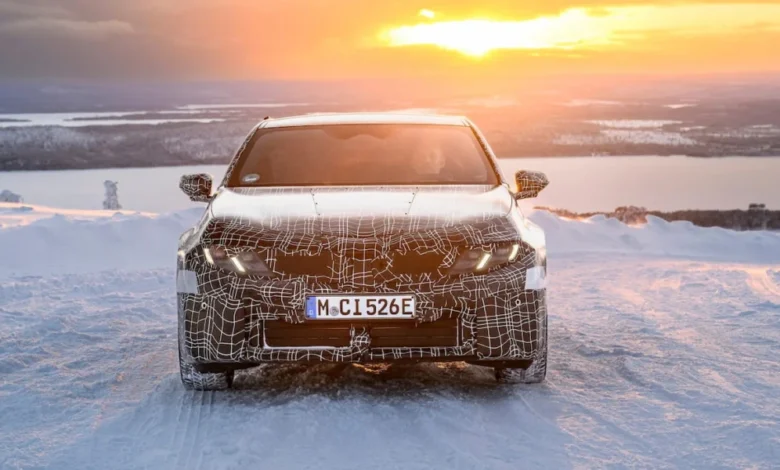
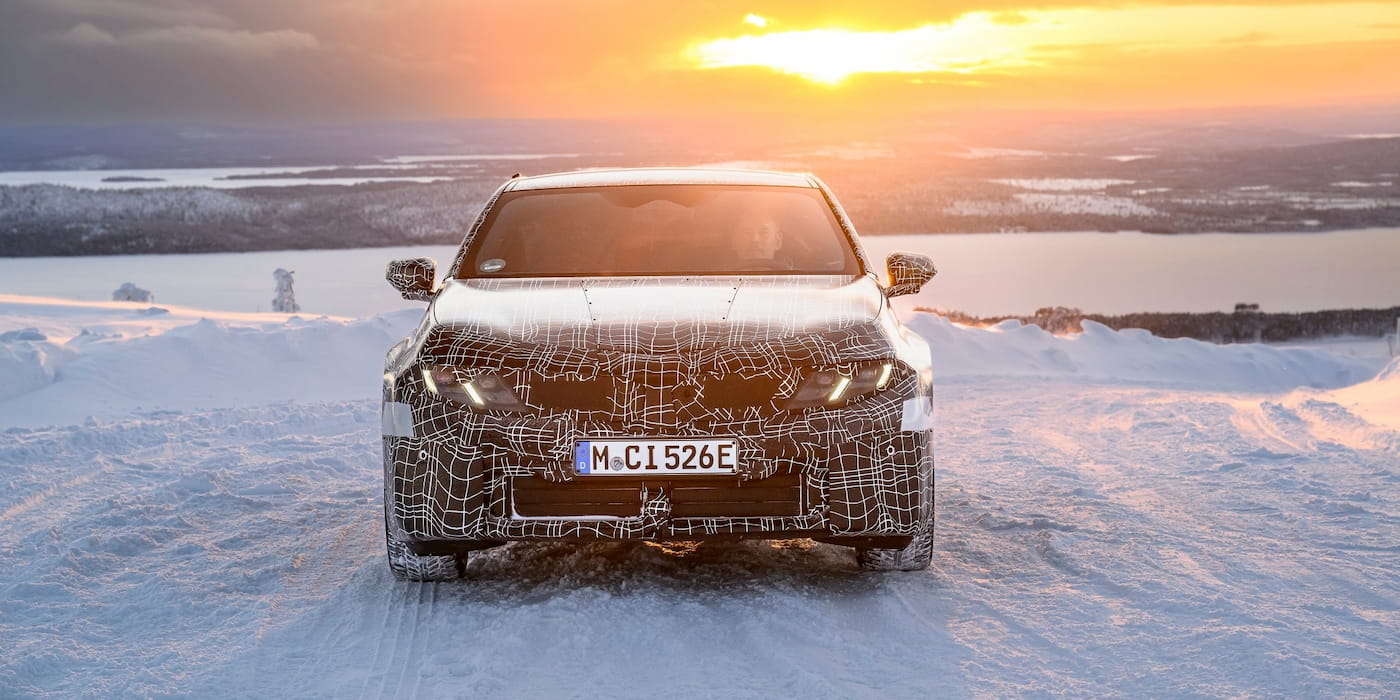
The automotive landscape is witnessing a pivotal transformation as BMW accelerates its transition toward a fully electric future, marked by the recent sighting of the highly anticipated BMW i3 Touring. Following the official launch of the sedan variant last month, automotive photographers have captured the first images of the wagon-bodied version undergoing testing. This model represents a significant expansion of the Neue Klasse lineup, BMW’s dedicated electric vehicle architecture designed to redefine the brand’s identity for the digital and sustainable era. As the second major iteration of the i3 nameplate—now positioned as a direct electric successor to the legendary 3 Series—the Touring variant promises to blend the utilitarian appeal of a traditional European estate with the cutting-edge performance of BMW’s sixth-generation eDrive technology.
Market Positioning and Global Pricing Structure
The emergence of the i3 Touring follows the commercial debut of the i3 sedan, which opened for orders in June. This rollout is part of a broader strategy that began with the iX3 SUV, the inaugural model of the Neue Klasse family. BMW has established a clear pricing hierarchy for the initial release phase, focusing on premium launch editions before introducing standard configurations. In Germany, the i3 50 xDrive First Edition is positioned at a starting price of €75,340 (approximately $86,400), while the standard model is expected to enter the market at €65,900 ($75,500).

The United Kingdom market sees a similar structure, with the i3 50 xDrive First Edition available for £57,905 ($76,500) on the road (OTR). BMW has confirmed that the entry-level standard version will follow this autumn, with a base price of £53,005 ($70,000). While specific pricing for the Touring variant has not yet been finalized, historical data from BMW’s internal combustion engine (ICE) lineup suggests a premium for the wagon body style. Typically, Touring models command a price increase of roughly €2,500 to €4,000 over their sedan counterparts, reflecting the added structural complexity and enhanced cargo capacity.
Design Evolution and Aerodynamic Engineering
The spy photos obtained by industry observers reveal a vehicle that maintains the core design language of the Neue Klasse sedan while introducing a distinct silhouette. Although the test mule remains under camouflage, the elongated rear end and sloping roofline are unmistakable. Unlike the upright, boxy proportions of traditional SUVs, the i3 Touring adopts a sleek, "fastback-adjacent" aesthetic that bears a resemblance to the design philosophy seen in the Kia EV4. This approach is not merely stylistic; it is heavily influenced by the need for aerodynamic efficiency, which is critical for maintaining range in long-distance electric cruisers.
The front fascia is expected to be identical to the i3 sedan, featuring BMW’s reimagined "kidney" grille. This new interpretation of the brand’s signature element is wider and more horizontal, integrating seamlessly with the twin-unit LED headlights. The redesign also includes a simplified, modernist emblem that aligns with the brand’s digital-first branding strategy. For the Touring model, the challenge for engineers lies in balancing the increased drag inherent in a wagon’s larger rear surface area with the performance targets set by the Neue Klasse platform.
Interior Innovation: The Panoramic Vision System
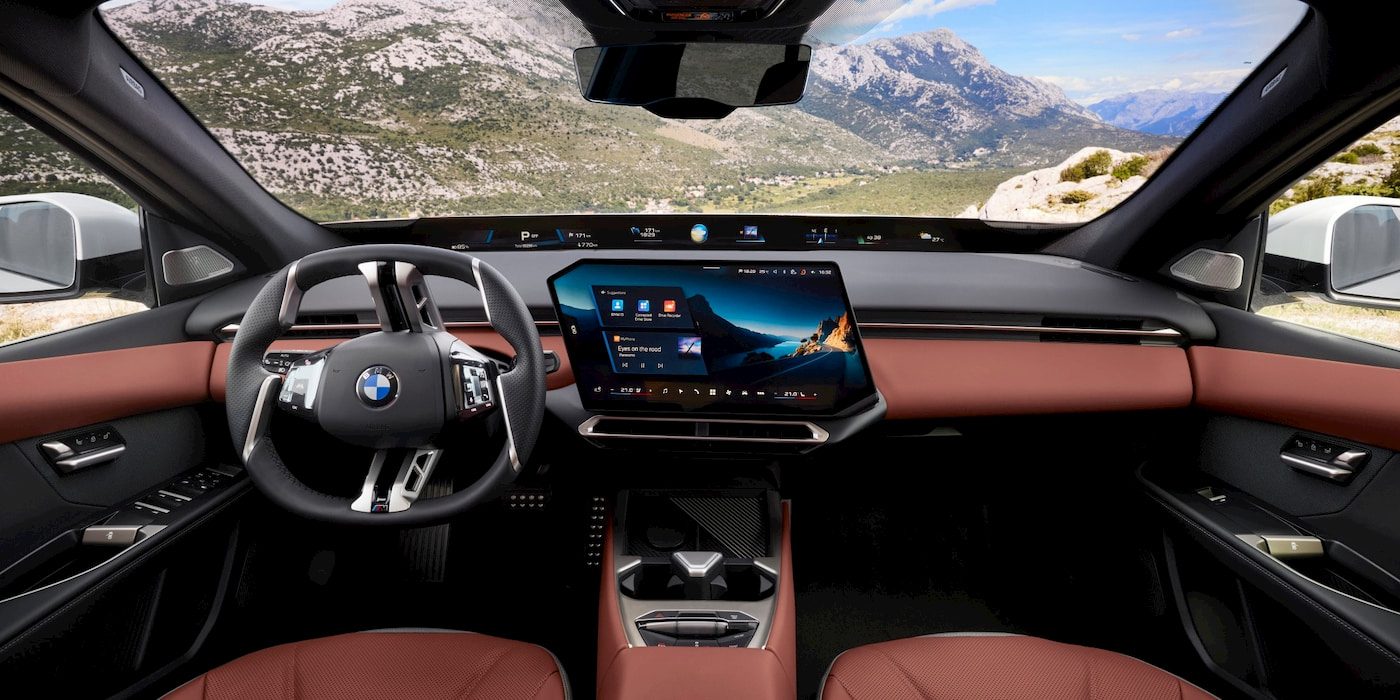
The cabin of the i3 Touring will serve as a showcase for BMW’s next-generation user interface. Central to this experience is the "Panoramic Vision" display, a 43-inch screen that spans the entire base of the windshield. This system acts as a high-tech head-up display, projected at a height that allows the driver to keep their eyes on the road while accessing vital navigation, speed, and media data. This is complemented by a 17.9-inch floating central infotainment display, which serves as the primary touchpoint for vehicle settings and climate control.
BMW’s interior designers have leaned heavily into minimalism, reducing physical buttons in favor of voice commands and gesture control. The use of sustainable materials is also a cornerstone of the Neue Klasse philosophy, with recycled textiles and bio-based surfaces replacing traditional leather and plastics. The Touring variant will offer a distinct advantage in terms of cabin flexibility, featuring a 40:20:40 split-folding rear seat arrangement and a significantly larger cargo bay compared to the sedan, making it an ideal candidate for families and outdoor enthusiasts who prioritize utility without wanting to move to a larger SUV.
Technical Specifications: Battery, Range, and Charging
At the heart of the i3 Touring is the sixth-generation BMW eDrive (Gen6) system. This powertrain utilizes new cylindrical battery cells, a departure from the prismatic cells used in previous BMW EVs. These cells offer a 20% increase in energy density and contribute to a 30% improvement in range. The i3 50 xDrive variant features a massive 108.7 kWh battery pack.
In sedan form, this hardware allows for a WLTP-rated range of up to 566 miles (912 km), positioning it as one of the longest-range electric vehicles currently available in the European market. On the United States’ EPA testing cycle, which is generally more conservative, the sedan is estimated to achieve approximately 440 miles on a single charge. While the Touring variant’s increased weight and slightly less efficient aerodynamics will likely result in a 5% to 8% reduction in total range, it is still expected to comfortably exceed the 500-mile WLTP mark, making it a class leader in the electric wagon segment.
Charging capabilities are equally impressive due to the adoption of an 800-volt electrical architecture. The i3 platform supports DC fast charging at speeds up to 400 kW. Under optimal conditions, the vehicle can regain nearly 250 miles (400 km) of range in just 10 minutes. For the North American market, BMW has confirmed that the 2027 i3 will be equipped with a native North American Charging Standard (NACS) port, ensuring seamless access to the Tesla Supercharger network without the need for adapters.
The Strategic Importance of Neue Klasse
The "Neue Klasse" name is a deliberate nod to the 1960s-era models that saved BMW from financial ruin and established its reputation for building "The Ultimate Driving Machine." Today, the name signifies a similarly transformative era. This platform is not a modified internal combustion engine chassis; it is a "born-electric" architecture that allows for optimized interior space, better weight distribution, and a lower center of gravity.
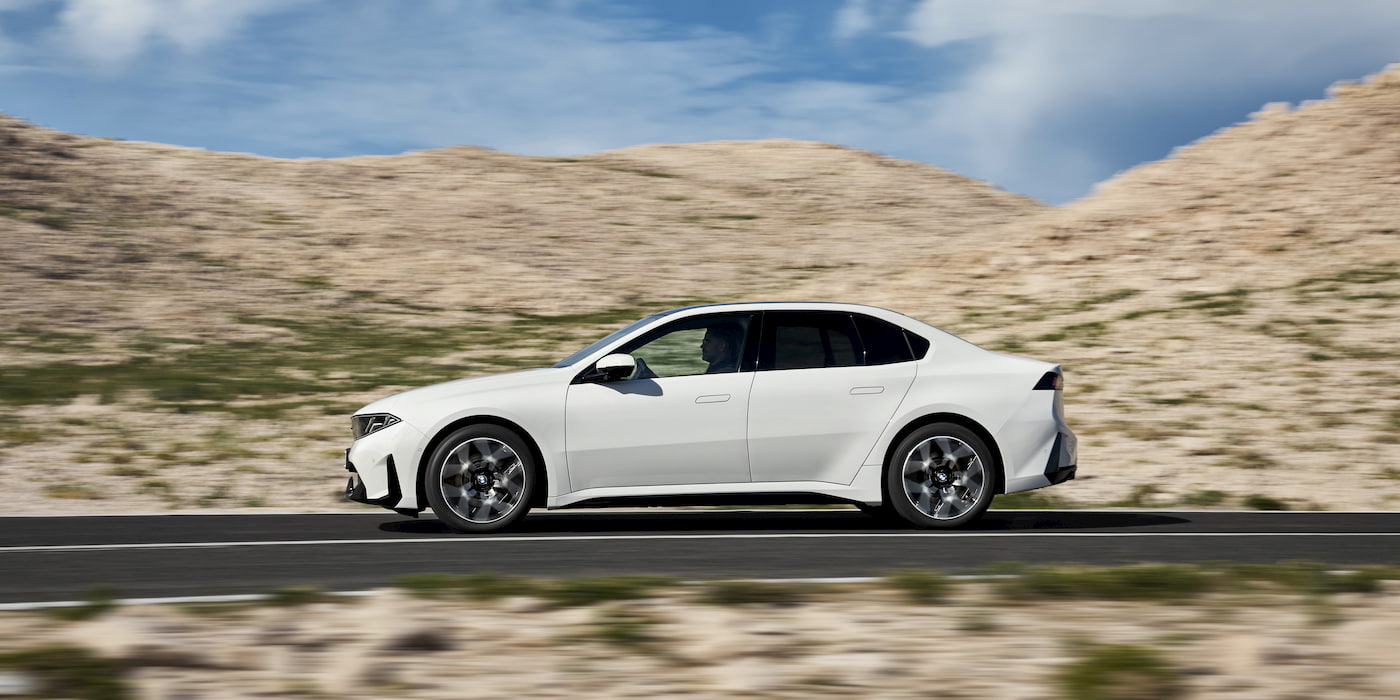
The i3 Touring occupies a unique niche in the global market. While SUVs continue to dominate sales in North America, wagons remain highly popular in Europe, particularly in Germany, Scandinavia, and the UK. By offering a high-performance electric wagon, BMW is targeting its core European customer base while providing an alternative for American buyers who desire the handling characteristics of a car with the storage capacity of a crossover.
Manufacturing and Production Timeline
Production of the i3 sedan is scheduled to begin at BMW’s historic Munich plant this summer. The facility has undergone extensive renovations to accommodate the Neue Klasse production line, which integrates advanced robotics and AI-driven quality control. Following the sedan’s launch, the i3 Touring is expected to enter production in late 2025 or early 2026, with first deliveries likely occurring in early 2027 for most global markets.
BMW’s production strategy also emphasizes "circularity." The Munich plant aims to be one of the world’s most sustainable automotive manufacturing sites, utilizing 100% renewable energy and maximizing the use of secondary (recycled) materials in the production of the i3 series. This holistic approach to sustainability is a key pillar of the BMW Group’s goal to reduce CO2 emissions per vehicle by 40% across the entire lifecycle by 2030.

Competitive Analysis and Industry Impact
The i3 Touring enters a market with relatively few direct competitors, as many manufacturers have prioritized SUVs in their electrification efforts. Its primary rivals will include the upcoming Audi A4 e-tron Avant and the Volkswagen ID.7 Tourer. Additionally, the i3 Touring will compete with premium electric crossovers like the Tesla Model Y and the Porsche Macan Electric, appealing to buyers who prefer a lower driving position and traditional "Touring" dynamics.
Industry analysts suggest that the success of the i3 lineup—and the Touring variant specifically—will be a litmus test for BMW’s ability to retain its enthusiast following in the electric age. The combination of industry-leading charging speeds, a high-capacity battery, and a versatile body style suggests that BMW is positioning the i3 Touring not just as an alternative to its ICE predecessors, but as a superior technological successor.
As the automotive world awaits the official unveiling of the i3 Touring, the current spy photos confirm that BMW is committed to its "Power of Choice" strategy, ensuring that even as it moves toward a zero-emission future, the classic wagon remains a staple of its portfolio. More details regarding the specific performance metrics and final design of the Touring model are expected to be released in the coming months as testing moves into its final stages.