Apple Watch Ultra 4 Launches With S11 Chip, Enhanced Health Sensors, and Extended Battery Life

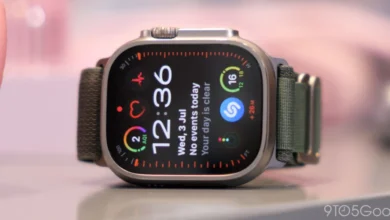
Apple has officially announced the Apple Watch Ultra 4, maintaining the rugged external titanium aesthetic of its predecessor while introducing a comprehensive suite of internal hardware overhauls. Positioned as the Cupertino tech giant’s most capable wearable to date, the new device targets endurance athletes, outdoor enthusiasts, and health-conscious consumers looking for deeper biometric insights. While external dimensions and casing design remain consistent with the Ultra 3, the fourth-generation rugged smartwatch introduces a faster processor, doubled memory capacity, next-generation health-sensing architecture, and notable improvements to power efficiency. Pre-orders for the Apple Watch Ultra 4 are open now, with retail availability and shipping scheduled to begin on Friday, September 18, at a starting price of $799.
The release of the Apple Watch Ultra line represents a strategic evolution for Apple’s wearable division. Introduced originally to capture the high-end sports watch market dominated by specialized brands like Garmin and Polar, the Ultra series has steadily carved out a dedicated user base among extreme sports enthusiasts, divers, and marathon runners. Industry analysts have closely watched Apple’s iterative updates for the device category, particularly following the decision in the previous release cycle to retain the S10 processor rather than introducing a ground-up silicon upgrade. With the debut of the Ultra 4, Apple appears to be addressing performance ceilings, equipping the device to handle increasingly complex on-device machine learning tasks and more granular health-monitoring algorithms without sacrificing the structural durability required for harsh environments.
At the core of the Apple Watch Ultra 4 is the brand-new S11 system-in-package (SiP), which Apple describes as its most powerful wearable chip ever developed. While specific clock speeds and synthetic benchmark scores were not detailed during the initial hardware unveiling, the company confirmed that the custom silicon is engineered to support exclusive software capabilities that older generations cannot run locally. Furthermore, the Ultra 4 doubles its onboard memory to 4GB, a substantial upgrade compared to the 2GB found in the Ultra 3. This hardware adjustment is expected to drastically improve multitasking performance, app launch times, and the fluidity of watchOS animations, particularly when running multiple background sensor loops during high-intensity workouts.

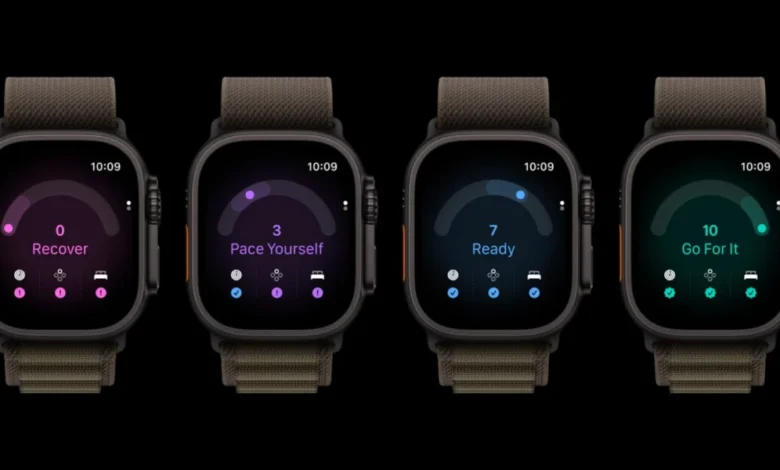
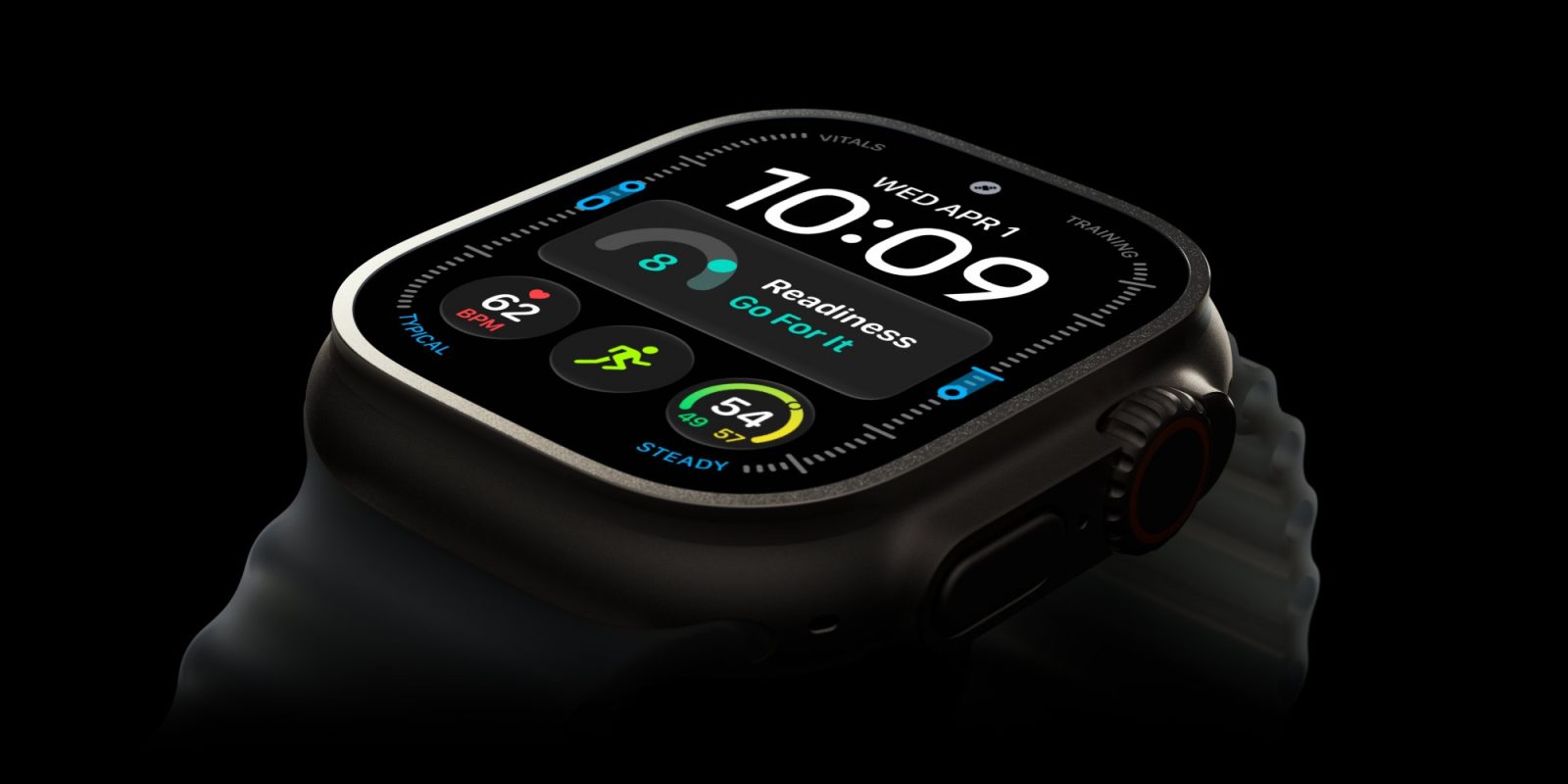
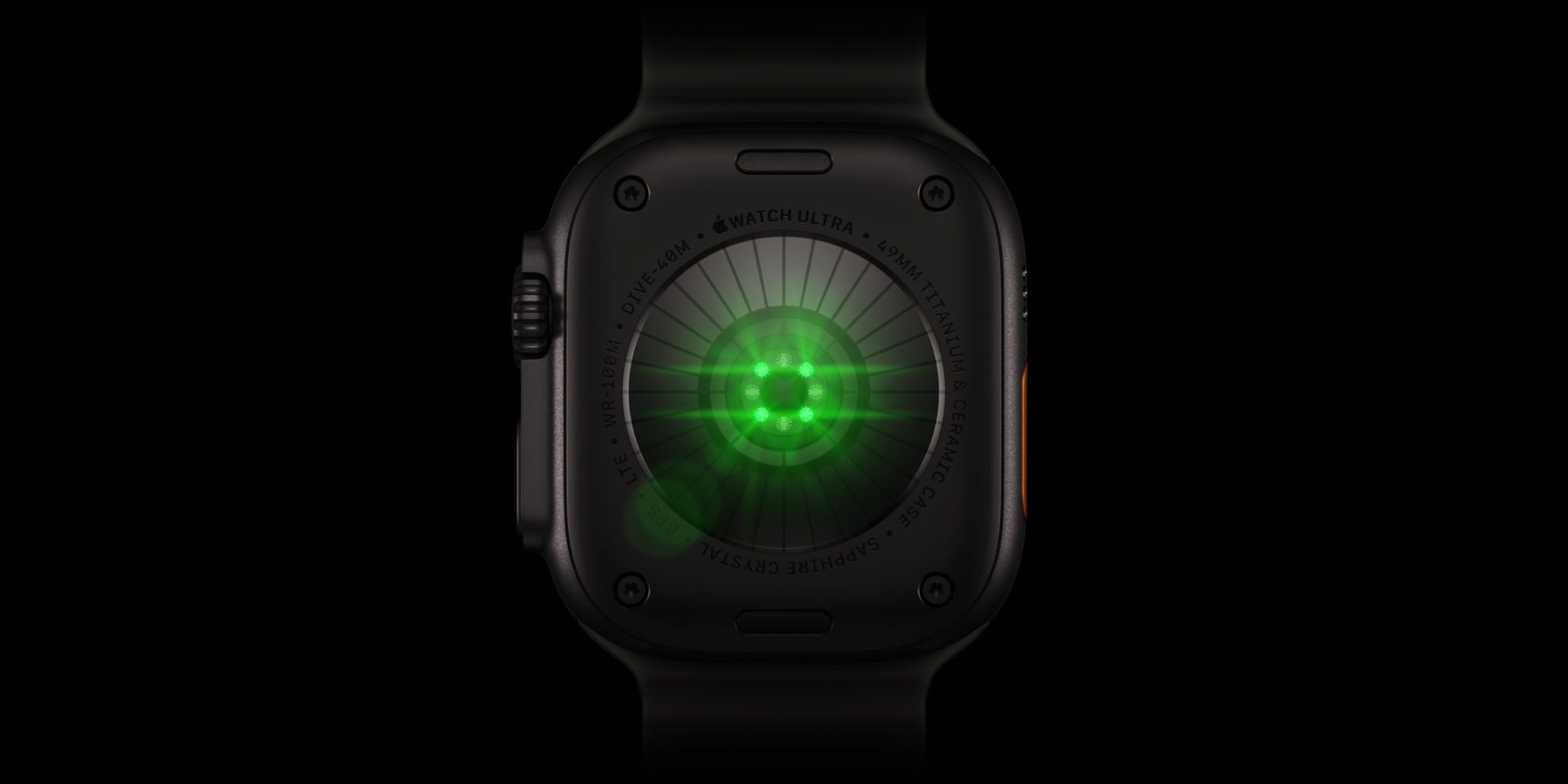
The health-tracking apparatus on the Apple Watch Ultra 4 has also received its most significant internal overhaul since the inception of the product line. Apple has integrated an entirely new Health Sensing System designed to capture deeper biometric data and deliver more precise fitness insights. This upgraded sensor array works in tandem with the S11 chip to monitor physiological changes with greater fidelity. Among the most anticipated software additions powered by these new hardware capabilities is the long-awaited Readiness app. Similar to features popularized by competitors in the smart ring and sports watch sectors, the Readiness app on the Ultra 4 analyzes a user’s recent activity load, training intensity, vital signs, and sleep architecture to evaluate their daily recovery status.
Every morning, the application provides users with a comprehensive 0-to-10 readiness score accompanied by an actionable recommendation categorized into four distinct states: Recover, Pace Yourself, Ready, or Go For It. This guidance is intended to help users optimize their daily routines, whether they are navigating a high-stress corporate environment or following a rigorous athletic training block. In addition to the Readiness app, the device introduces advanced watch face complications dedicated to real-time step tracking and continuous heart-rate variability analysis, alongside a new suite of Audio Intelligence features slated for a broader software deployment later in the year.
Battery longevity has consistently served as one of the primary selling points for the Ultra lineup, and the Apple Watch Ultra 4 builds upon this reputation with measurable gains in runtime and charging speeds. Through a combination of the power-efficient architecture of the S11 chip and optimized power-management software, the device offers extended operational hours across standard and low-power modes compared to its predecessor. Additionally, fast-charging capabilities have been substantially accelerated. A rapid 15-minute charge on the Ultra 4 can now deliver up to 18 hours of runtime, marking a 50% improvement over the 12 hours of battery life recovered in the same timeframe on the Apple Watch Ultra 3. This improvement addresses a common pain point for multi-day backpackers and endurance racers who require minimal downtime while recharging their equipment.
The introduction of the Apple Watch Ultra 4 arrives at a critical juncture for the premium smartwatch market. As health-monitoring technology transitions from basic activity tracking to predictive physiological analysis, consumer expectations have shifted toward devices capable of functioning as comprehensive health dashboards. By doubling system memory, introducing a dedicated recovery metric via the Readiness application, and refining power efficiency, Apple is positioning the Ultra 4 not merely as a companion accessory for the iPhone, but as an indispensable tool for proactive health management and elite athletic performance.

Market observers note that while the retention of the familiar exterior chassis design may temper excitement among users upgrading from the immediate predecessor, the internal enhancements represent a substantial generational leap for those utilizing older smartwatches or transitioning from standard Apple Watch models. As pre-orders progress toward the September 18 shipping date, initial consumer demand will likely test supply chains, particularly for the base $799 configuration. The broader implications of the S11 chip and the new Health Sensing System will become clearer as independent benchmark testing and detailed user reviews evaluate the real-world performance of Apple’s latest flagship wearable.