Primate Labs Unveils Geekbench 7, Redefining Performance Benchmarking for the AI Era

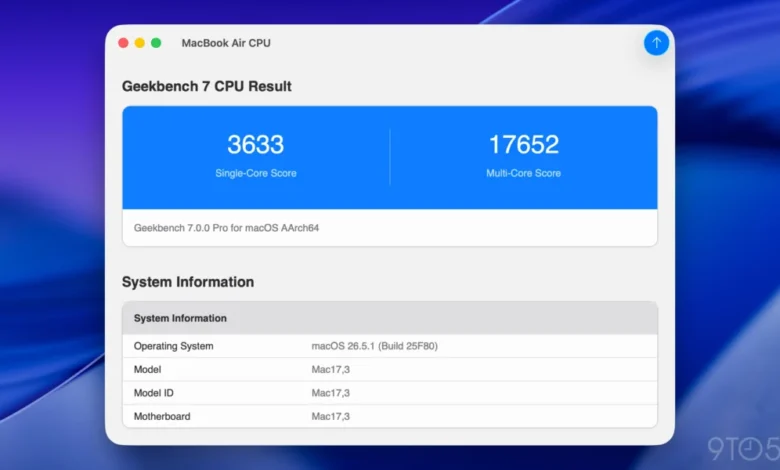
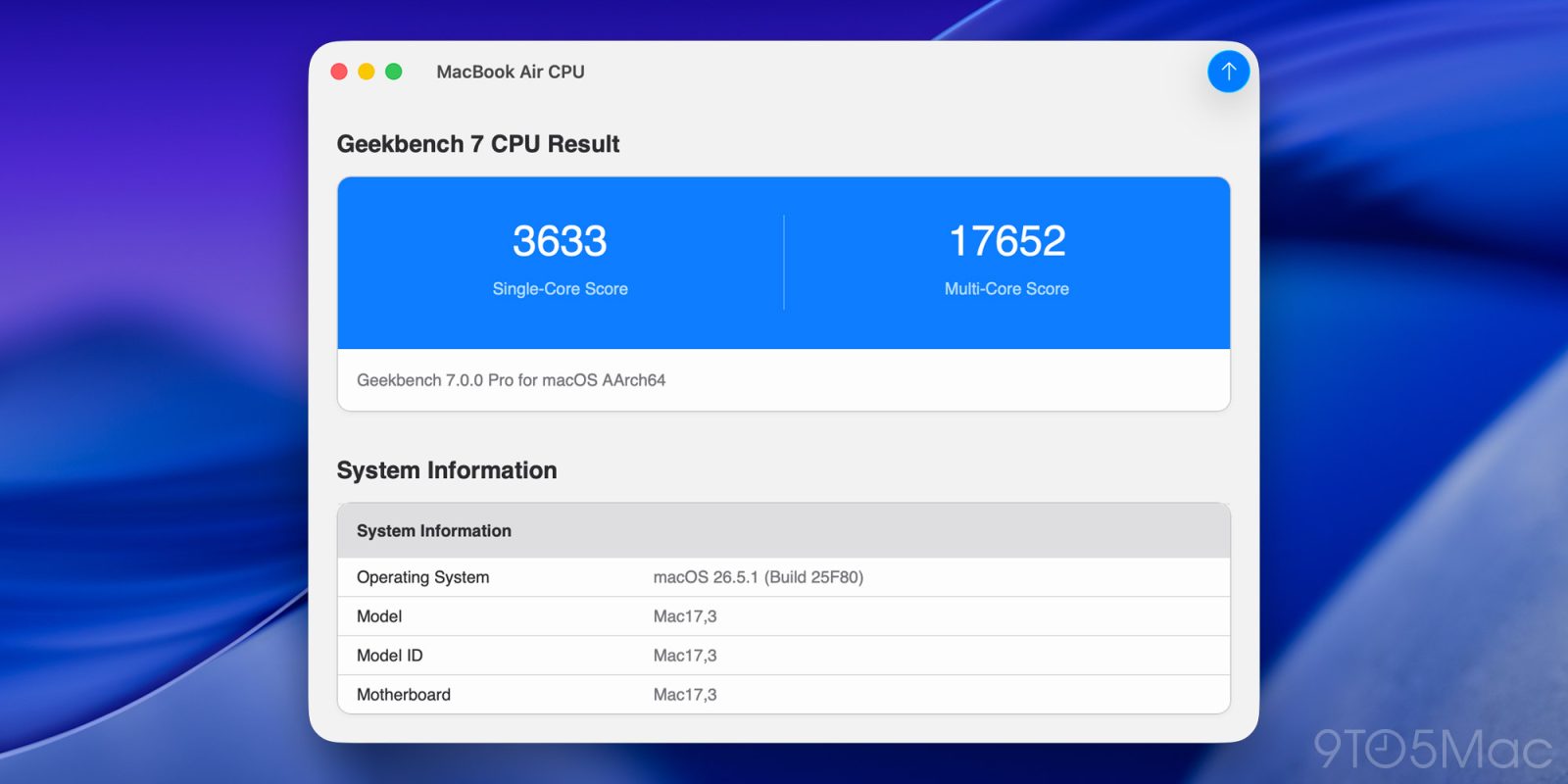
Primate Labs today announced the immediate release of Geekbench 7, a significant evolution in its renowned cross-platform benchmarking suite. The new version promises to deliver performance metrics that more accurately mirror the intricate demands of modern computing, encompassing everyday tasks, high-fidelity gaming, and, most notably, the rapidly expanding landscape of Artificial Intelligence (AI) workloads. This update arrives at a pivotal moment, three years after the introduction of Geekbench 6, reflecting the dramatic acceleration of technological advancements, particularly in AI and machine learning (ML), that have reshaped how users interact with their devices.
The Evolving Landscape of Digital Performance Measurement
The journey of performance benchmarking tools like Geekbench is inextricably linked to the pace of technological innovation. When Primate Labs launched Geekbench 6 in early 2023, the company highlighted a profound shift in the tech world over the preceding three years, specifically noting the burgeoning ubiquity of AI and ML in both general and mobile applications. That assessment, made just three years prior to the current release, now appears prescient, if not an understatement. The intervening period has witnessed an exponential surge in on-device AI inference, sophisticated image processing, demanding video editing, and increasingly complex gaming experiences. These developments collectively underscore a critical need for CPU and GPU performance evaluations that extend beyond traditional metrics, demanding benchmarks capable of assessing capabilities across a far wider and more intensive spectrum of real-world scenarios.
Geekbench, since its inception, has served as a critical tool for hardware enthusiasts, professional reviewers, and even chip manufacturers, providing a standardized and reliable method for comparing the computational prowess of diverse devices. Its cross-platform nature, supporting operating systems like Windows, macOS, Linux, Android, and iOS, has cemented its position as a go-to utility for comprehensive hardware analysis. Each major iteration of Geekbench represents an attempt to recalibrate this standard against the prevailing technological currents, ensuring that the scores generated remain relevant and predictive of actual user experience.
Key Innovations in Geekbench 7: A Deep Dive
The core philosophy behind Geekbench 7 is to bridge the gap between synthetic benchmarks and practical application performance. Primate Labs explicitly states that the new version features "both new and improved workloads to measure the performance of your CPUs and GPUs," meticulously crafted to reflect contemporary usage patterns.
Revolutionized GPU Benchmark for AI and Content Creation
Perhaps the most significant overhaul in Geekbench 7 is the comprehensive revamp of its GPU Benchmark. This update places a substantially greater emphasis on machine learning and content creation workloads, acknowledging the central role graphics processing units now play beyond traditional gaming. The rationale is clear: modern GPUs, particularly high-end desktop and mobile variants, are increasingly utilized for general-purpose computing (GPGPU) tasks, with AI inference and content rendering being prime examples.

For machine learning, the GPU benchmark now incorporates a suite of workloads designed to test a device’s ability to handle complex neural network operations. These include:
- Neural Network Inference: Simulating the process where a trained AI model makes predictions or classifications, a fundamental operation in AI-powered features like facial recognition, object detection, and natural language processing.
- Image Recognition: Assessing the GPU’s efficiency in identifying and categorizing elements within images, a common task in modern photo management and security systems.
- Natural Language Processing (NLP) Tasks: Evaluating the GPU’s performance in accelerating language-based AI models, crucial for features like advanced search, real-time translation, and AI assistants.
- Generative AI Workloads: With the rise of generative AI, new tests likely simulate the demands of creating images, text, or other media from prompts, pushing the boundaries of GPU computational power.
Beyond AI, Geekbench 7 introduces a range of new GPU image editing and synthesis workloads that directly address the demands of professional creative applications. These include:
- RAW Image Processing: Measuring the GPU’s ability to efficiently handle the large, uncompressed data from high-resolution RAW camera files, a critical factor for photographers and graphic designers.
- LUT-based Video Color Grading: Assessing performance in applying Look-Up Tables (LUTs) for real-time color correction and grading in video editing, a highly GPU-intensive task for videographers.
- Path Tracing: A sophisticated rendering technique that simulates light transport by tracing rays of light through a scene, providing hyper-realistic graphics. This is extremely demanding and indicative of high-end rendering capabilities crucial for animators and architects.
- Fluid Simulation: Evaluating the GPU’s capacity to render complex physics-based simulations, such as smoke, water, or other dynamic elements, essential for visual effects artists and game developers.
Expanded API Support: Welcoming CUDA
In a move that significantly broadens its relevance for a dominant segment of the GPU market, Geekbench 7 now adds NVIDIA’s CUDA to its list of supported GPU APIs. This is alongside existing support for OpenCL, Vulkan, and Metal. The inclusion of CUDA is particularly noteworthy as it is NVIDIA’s proprietary parallel computing platform and API, widely adopted for professional GPGPU tasks, especially in AI, scientific computing, and data centers where NVIDIA GPUs often hold a commanding lead. By integrating CUDA, Geekbench 7 can provide a more accurate and comprehensive performance assessment for NVIDIA hardware, reflecting its true capabilities in its native ecosystem and offering more direct comparisons in professional workloads.
Refined Multi-Core Performance Methodology
Another crucial improvement over Geekbench 6 lies in how the updated benchmark approaches multi-core performance evaluation. Recognizing that not all real-world applications scale perfectly across multiple CPU threads, Primate Labs has implemented a more nuanced methodology. Geekbench 7 now intelligently runs workloads across multiple threads only when the real-world task being tested typically does the same.
This paradigm shift addresses a common criticism of earlier benchmarks where multi-core scores might inflate theoretical performance without accurately reflecting practical gains. For instance, the HTML5 Browser test, which was part of Geekbench 6’s multi-core suite, has been removed from that category in Geekbench 7. The rationale is that web browsers, while becoming more sophisticated, are typically single-threaded or only lightly threaded in their core operations. Benchmarking them with an artificial multi-threaded load would yield misleading results. This refined approach promises more realistic multi-core scores, better reflecting how a device performs in typical user scenarios where applications vary widely in their threading efficiency.
Enhanced Media Performance Workloads
Acknowledging the ever-increasing consumption and creation of digital media, Geekbench 7 introduces new workloads specifically designed to measure how CPUs handle audio and video encoding, decoding, and processing. These tests are critical for evaluating a device’s suitability for tasks such as:
- Video Conferencing: Assessing real-time encoding and decoding for smooth, high-quality video calls.
- Streaming Content: Evaluating the ability to efficiently decode and render high-resolution video streams from platforms like Netflix, YouTube, or Twitch.
- Video Editing and Transcoding: Measuring performance in tasks like rendering timelines, applying effects, and converting video files between different formats and resolutions (e.g., 4K to 1080p, or converting between H.264, H.265, and AV1 codecs).
- Audio Processing: Benchmarking tasks like audio compression, decompression, and effects application, relevant for music production, podcasting, and multimedia consumption.
These additions directly address the demands of a multimedia-centric digital lifestyle, where efficient media handling is paramount for both professional creators and casual consumers.
Expanded and Diversified Datasets
To further enhance the robustness and reliability of its benchmarks, Geekbench 7 significantly increases the size and variety of the data sets used throughout its tests. This strategy makes the benchmarks less susceptible to specific optimizations by hardware manufacturers and provides a more comprehensive evaluation of general-purpose performance.
- File Compression: The workload now includes a wider array of archives, spanning diverse file types such as source code, object code, and various text documents. This ensures a more representative test of a CPU’s compression and decompression capabilities across different data structures.
- PDF Viewer Test: This test now covers a broader range of file types, moving beyond simple documents to include complex layouts found in park maps, detailed technical documents, and academic papers. This challenges the system’s ability to render intricate graphics and text efficiently.
- Developer and Image-Processing Workloads: These have been updated with more assets and additional image formats, ensuring that the tests reflect the diverse file types and complexities encountered in modern software development and graphic design workflows.
By using larger and more varied datasets, Geekbench 7 aims to provide scores that are more indicative of a system’s real-world performance under diverse and unpredictable loads, rather than just its peak theoretical capabilities under highly optimized conditions.
Chronology and Context: The Rapid March of Technology
The release of Geekbench 7 in July 2026, just over three years after Geekbench 6 in early 2023, underscores the accelerating pace of technological evolution. In 2023, the emergence of AI was a significant trend; by 2026, it has become foundational.
- Early 2023 (Geekbench 6): Focused on incorporating initial AI/ML workloads and reflecting the multi-core nature of modern CPUs, moving away from older, single-core dominant tests. The rise of mobile computing and its specific demands were also a key consideration.
- 2023-2026 (The AI Explosion): This period saw the mainstream adoption of generative AI models (large language models, image generators), the proliferation of AI accelerators (NPUs) in consumer devices, and a dramatic increase in on-device AI inference capabilities. Gaming engines pushed visual fidelity further, and content creation tools became more reliant on GPU acceleration and AI-driven features. The demand for real-time 4K/8K video processing also became more prevalent.
- July 2026 (Geekbench 7): Direct response to these changes, with benchmarks specifically designed for complex AI tasks, advanced graphics rendering, and nuanced multi-core performance assessment, ensuring relevance for the next wave of computing hardware.
This rapid update cycle highlights Primate Labs’ commitment to keeping its benchmarks aligned with the actual demands placed on contemporary hardware, ensuring that its scores remain a valuable metric for the industry and consumers alike.
Implications for the Industry and Consumers
The introduction of Geekbench 7 carries significant implications across the technology ecosystem:

For Hardware Manufacturers: Chip designers and device manufacturers will now have a more granular and realistic benchmark to target. The emphasis on AI, specific content creation tasks, and intelligent multi-core management means that optimizing for Geekbench 7 will likely lead to tangible improvements in real-world application performance. This could accelerate the development of more efficient AI accelerators, stronger GPGPU capabilities, and CPUs with more sophisticated workload scheduling. Companies like Apple, Qualcomm, Intel, AMD, and NVIDIA, all of whom produce hardware across various platforms, will undoubtedly analyze Geekbench 7 scores closely to gauge their competitive standing and inform future product development.
For Consumers and Reviewers: Geekbench 7 offers a more accurate tool for evaluating potential purchases. Consumers can rely on scores that better reflect how a device will handle their daily tasks, including demanding AI applications, gaming, and multimedia creation. Tech reviewers will find Geekbench 7 an invaluable addition to their testing suites, enabling them to provide more nuanced and relevant performance analyses. This shift helps consumers make more informed decisions, moving beyond raw numbers to understand practical performance.
For the Broader Tech Industry: The benchmark’s new focus reinforces the industry-wide shift towards AI-centric computing. It signals that future hardware will be increasingly judged by its ability to handle complex AI inference and training, not just traditional computational tasks. The expanded datasets and more realistic multi-core tests also push for more generalized performance improvements rather than narrow optimizations, promoting more robust and versatile hardware designs.
Availability and Future Outlook
To commemorate the launch of this significant update, Primate Labs is offering a 20% discount on Geekbench 7 Pro through August 6. While the professional version offers advanced features and licensing for commercial use, the standard version remains freely available for personal use, maintaining accessibility for a broad user base.
The release of Geekbench 7 is not merely an incremental update; it represents a fundamental recalibration of performance measurement for the AI era. As artificial intelligence continues to permeate every aspect of computing, tools like Geekbench 7 will be essential for objectively assessing the capabilities of the hardware powering this transformation. Its focus on real-world workloads, advanced GPU capabilities, and intelligent multi-core testing ensures that it will remain a cornerstone for evaluating the performance of devices in an increasingly complex and AI-driven digital world. This ongoing commitment to evolving benchmarking standards is critical for transparent hardware evaluation and for driving innovation across the tech industry.