Waymo expands robotaxi access to teenage riders in Nashville as autonomous vehicle adoption accelerates nationwide

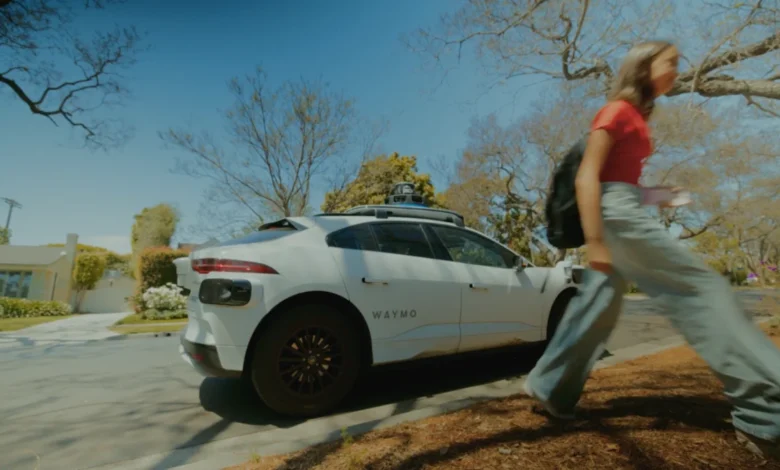
Waymo, the Alphabet-owned autonomous driving subsidiary, has officially expanded its teen account program to Nashville, Tennessee, marking a significant milestone in the company’s efforts to broaden its demographic reach. This strategic move allows teenagers as young as 13 to utilize the company’s robotaxi service, provided they are linked to a verified parent or guardian account. Nashville serves as the second municipality to adopt this feature, following a successful pilot program launched in Phoenix last year. As Waymo continues to scale its operations, this expansion represents a calculated effort to tap into the high-demand market of youth transportation, positioning autonomous vehicles as a reliable alternative to traditional parental chauffeuring and public transit.
The Evolution of Waymo’s Service Infrastructure
The deployment in Nashville is not an isolated development but rather a cornerstone of Waymo’s aggressive growth strategy for 2026. Since the company’s inception, Waymo has navigated a complex regulatory landscape to transition from testing autonomous systems to providing reliable, commercialized transportation. The company’s trajectory has been marked by a series of rapid market entries and technological refinements.
In April 2026, Waymo officially launched its operations in Nashville, establishing a service footprint across a 50-square-mile zone. This launch was supported by local municipal leaders who viewed the technology as a potential solution to urban congestion and a means of modernizing city infrastructure. The integration of Waymo’s services into the Lyft application earlier this month further signaled the company’s commitment to interoperability, allowing a broader user base to access autonomous rides via a familiar interface.
Chronology of Rapid Scaling
To understand the scale of Waymo’s recent growth, one must examine the timeline of its commercial expansion. In May 2024, the company was recording approximately 50,000 paid robotaxi trips per week. Within two years, that figure surged to over half-a-million weekly trips—a tenfold increase that highlights both the reliability of the autonomous stack and the growing public acceptance of driverless transport.
The timeline of this acceleration is particularly notable:
- May 2024: Waymo hits 50,000 paid weekly rides, solidifying its presence in foundational markets like Phoenix and San Francisco.
- Late 2025 – Early 2026: The company undergoes a period of rapid geographic expansion, entering over a dozen new cities to establish a national footprint.
- April 2026: Official launch of Waymo operations in Nashville, Tennessee.
- Mid-2026: Waymo enters high-traffic markets, including Denver, Las Vegas, San Diego, and Tampa, within a single month.
- Late 2026: Introduction of the teen account feature to Nashville, following the maturation of the Phoenix pilot.
Operational Mechanics and Safety Protocols
The teen account program is designed with a framework of parental oversight, balancing the independence of the rider with the security expectations of the guardian. When a teen account is activated, it must remain tethered to an adult’s account, which serves as the primary billing and administrative hub. While the teenagers possess the autonomy to hail rides within the designated service area, the service maintains strict digital guardrails.
A key feature of the program is the ability for teens to travel with peers. Waymo permits teen account holders to bring up to three guests, provided those guests are also within the 13-to-17 age demographic. While the company has not publicly disclosed the specific biometric or document-based verification methods used to confirm the age of these passengers, the service operates under the premise that the primary account holder is responsible for the conduct of the group.
From a safety perspective, the appeal of the service for parents lies in the predictability of the autonomous vehicle. Unlike a teen driver, who may be subject to inexperience, distraction, or peer pressure, a Waymo vehicle operates within a predefined set of safety parameters, adhering strictly to traffic laws and maintaining constant situational awareness.
Broader Market Implications
The decision to target the 13-to-17 demographic is a shrewd economic move. Teenagers represent a significant segment of the population that is chronically reliant on others for mobility, whether for extracurricular activities, school commutes, or social engagement. By capturing this market, Waymo is effectively creating a new "mobility-as-a-service" (MaaS) utility that replaces the logistical burden of the "soccer mom" or "soccer dad" archetype.
However, this expansion also invites scrutiny regarding the social implications of autonomous transport for minors. Critics and safety advocates often point to the potential for "unsupervised" behavior within the enclosed cabin of a robotaxi. While the vehicles are equipped with cameras and remote monitoring capabilities, the transition of teenagers from monitored parental driving to autonomous transit is a shift in social norms that will likely be watched closely by urban planners and child safety experts.
Future Projections and Regulatory Outlook
Waymo has indicated that Nashville is merely the first of many such launches. A company spokesperson confirmed that the expansion of teen accounts will continue across multiple markets in the coming months, contingent upon two primary factors: the maturity of the local autonomous operations and the alignment with regional regulatory frameworks.
The company’s ability to scale depends on maintaining a pristine safety record while simultaneously navigating the diverse legislative requirements of different states. As of now, local leaders in Nashville have welcomed the service, viewing it as a public-private partnership that addresses gaps in local transit. If the Nashville expansion proves successful and free of significant incidents, it is likely that other municipalities will follow suit, viewing the teen program as a benchmark for how to integrate autonomous technology into the daily lives of citizens.
Economic and Editorial Context
The rise of Waymo coincides with a broader shift in the automotive industry toward electrification and automation. The company’s success in growing its ridership by 1,000% in just two years demonstrates that the "early adopter" phase of robotaxis has largely concluded, giving way to a period of rapid, utility-driven adoption.
For the company, this is not just about passenger numbers; it is about building a sustainable, recurring revenue model. By diversifying its user base to include younger demographics, Waymo is effectively "future-proofing" its customer base. Today’s 13-year-old rider is tomorrow’s adult commuter, and by establishing brand loyalty early, Waymo is positioning itself to be the dominant player in the future of urban mobility.
As the industry moves forward, observers will be looking for data on ride frequency, safety metrics regarding minor passengers, and the potential for similar programs from competitors. The current landscape suggests that Waymo is currently in a "first-mover" position, setting the rules of engagement for how autonomous vehicles will interact with the most vulnerable and dependent segments of the population.
Conclusion
The expansion into Nashville’s teen market is more than just a logistical update for the Waymo application; it is a manifestation of the company’s maturation. Having moved past the phase of proving that a car can drive itself, Waymo is now proving that it can manage a complex, multi-demographic service that mirrors the functionality of a traditional public transportation network. As the company prepares for further market launches, the success of the teen account program will serve as a bellwether for the public’s comfort with handing the steering wheel of the next generation over to artificial intelligence. While the potential for "chaos" in an unmonitored cabin remains a theoretical concern, the data suggests that for many families, the safety of a computer-controlled vehicle is a welcome trade-off for the independence of their children. The next year will prove pivotal as Waymo attempts to replicate this model in cities across the United States, further cementing its role as a foundational element of modern urban infrastructure.