BYD Unveils the Upgraded 2027 Atto 2 (Yuan Up) With Extended Range and Aggressive Price Reductions to Cement Global EV Dominance


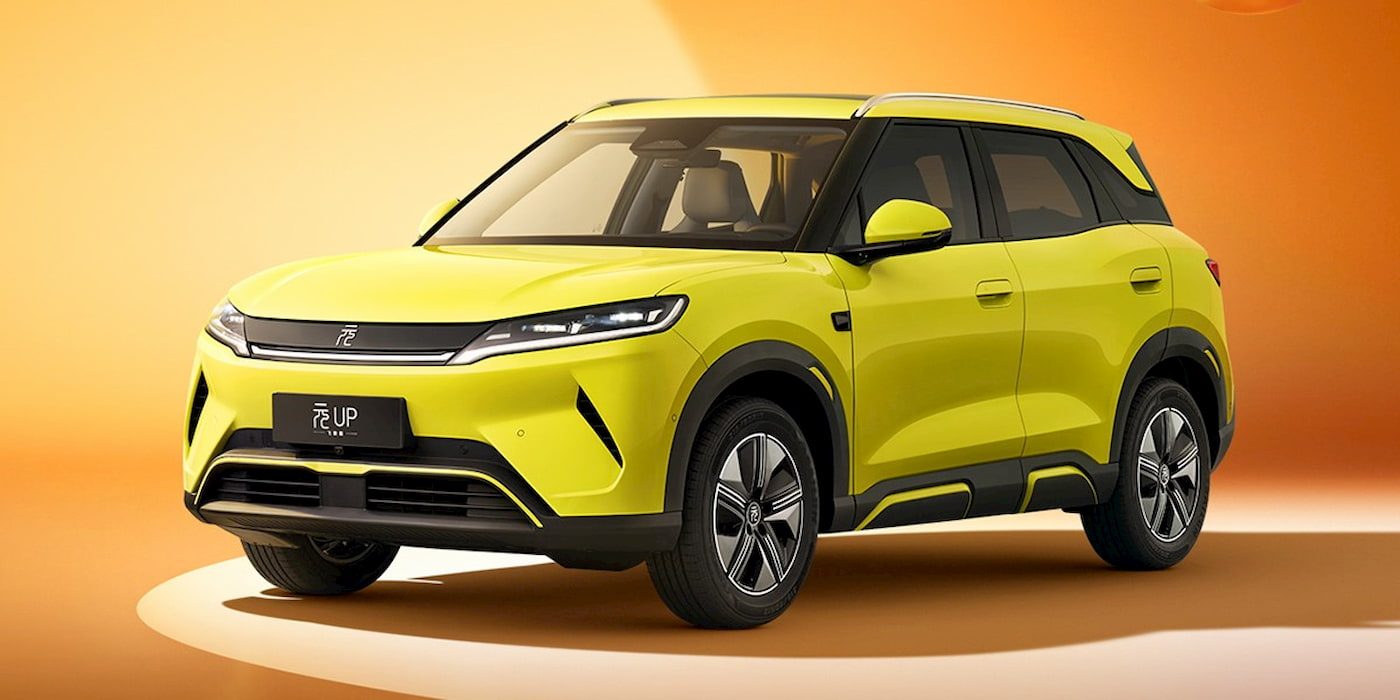
The global electric vehicle landscape is experiencing a seismic shift in affordability and technological integration, punctuated by the latest market maneuvers from Shenzhen-based automotive giant BYD. Officially launching its highly anticipated 2027 lineup in China, BYD has rolled out a heavily revised and economically disruptive iteration of its popular compact electric SUV. Known natively as the Yuan Up and marketed internationally across Europe, the United Kingdom, and various global territories as the Atto 2, the vehicle bridges the gap between urban commuter practicality and cross-country capability. By introducing a new extended-range variant, lowering the barrier to entry, and incorporating advanced smart-cockpit features, BYD is aggressively targeting the most fiercely contested segment of the global automotive market.
The launch event, held on a Thursday in China, unveiled the 2027 Atto 2—subtitled the "Flying Spur" edition in specific trim configurations—spanning five distinct variants. Pricing structure sits at the heart of BYD’s aggressive strategy. The vehicle launches with a base MSRP ranging from 74,800 yuan to 104,800 yuan, roughly translating to $11,000 to $15,500 USD. To accelerate consumer adoption and fiercely contest rival domestic automakers, BYD has further implemented a limited-time "super replacement" trade-in subsidy worth 5,000 yuan across the entire lineup. When factoring in this incentive, the effective entry point drops to a remarkably low 69,800 yuan, scaling up to 99,800 yuan, or approximately $10,000 to $14,500 USD. This pricing maneuver undercuts legacy internal combustion engine vehicles while simultaneously challenging budget-focused EV competitors.
Market Position and Global Sales Trajectory
The timing of the 2027 Atto 2 release is deeply strategic, capitalizing on unprecedented sales momentum. According to global electric vehicle registration data compiled by CleanTechnica for the first half of 2026, the BYD Yuan Up and its international counterpart, the Atto 2, solidified their positions as massive commercial successes. The compact SUV ranked as the fifth best-selling electric vehicle globally. It trailed only industry heavyweights such as the Tesla Model Y, the Tesla Model 3, BYD’s larger stablemates (the Song and Seal U series), and the Geely EX2.
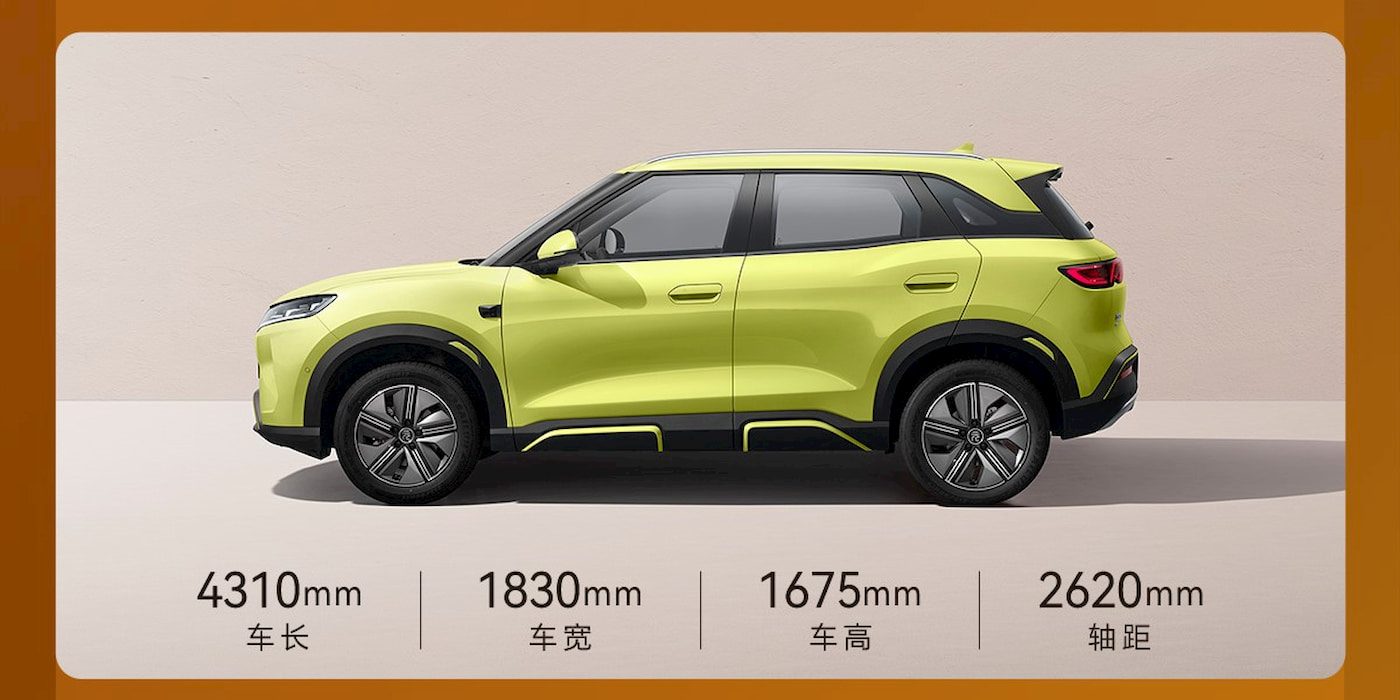
The compact SUV category acts as the primary battlefield for automakers seeking volume scalability. Measuring 4,310 millimeters in length, 1,830 millimeters in width, and 1,675 millimeters in height, with a generous 2,620-millimeter wheelbase, the Atto 2 shares a physical footprint comparable to internal combustion or hybrid mainstays like the Hyundai Kona. Its compact dimensions make it exceptionally well-suited for congested European metropolitan streets as well as dense urban centers across Asia and Latin America, where parking constraints and nimble handling are paramount.
Powertrain Enhancements and Battery Specifications
Engineering updates for the 2027 model year extend far beyond cosmetic refreshes, centering heavily on powertrain flexibility and energy density. The outgoing iteration of the Yuan Up relied on two established battery configurations: a 32 kWh pack delivering a China Light-Duty Vehicle Test Cycle (CLTC) range of 301 kilometers, and a larger 45.12 kWh pack extending that range to 401 kilometers.
While the entry-level 301 km variant maintains its aggressive baseline pricing, BYD has slashed the cost of the 401 km variant by approximately 18,000 yuan, or roughly $2,500 USD, compared to previous model years. More importantly for long-distance commuters, BYD has introduced an entirely new "Excellent" trim level. This top-tier variant integrates a substantial 51.13 kWh battery pack, pushing the maximum CLTC driving range to an impressive 501 kilometers on a single charge.
This tiered battery architecture allows BYD to address diverse consumer needs, offering budget-conscious urban drivers a lower financial barrier to entry while providing suburban and regional motorists with the range confidence traditionally reserved for larger, more expensive mid-size SUVs.
Interior Redesign and Smart Cockpit Integration
Stepping inside the cabin, the 2027 Atto 2 reveals a comprehensive overhaul designed to elevate perceived quality and technological sophistication. The driver interface has been modernized with a minimalist two-spoke steering wheel and a contemporary column-mounted electronic gear shifter, freeing up valuable center console storage space.

Instrumentation and infotainment have likewise been upgraded to meet modern consumer expectations. The cockpit features a prominent 12.8-inch rotating smart infotainment touchscreen paired with an 8.8-inch full LCD instrument cluster directly in the driver’s line of sight. All trim levels come standard with BYD’s proprietary DiLink 100 Advanced Smart Cockpit software ecosystem. This system introduces high-speed intelligent voice recognition, seamless smartphone integration via multiple operating systems, and customizable display themes that alter the cabin’s visual ambiance.
Furthermore, safety and driver assistance technologies have received significant upgrades. Every model is equipped with a comprehensive 360-degree panoramic imaging system to simplify tight parking maneuvers. Higher trims also support the integration of BYD’s advanced "God’s Eye C" driver assistance system (ADAS). This software suite introduces sophisticated active safety and semi-autonomous driving features, including Navigate on Autopilot for highway driving and Remote Parking Assist, capabilities that were once exclusive to luxury-tier vehicles costing two to three times as much.
Competitive Landscape and Industry Implications
The introduction of the upgraded Atto 2 occurs against a backdrop of intense domestic and international rivalry. In its home market of China, BYD is locked in a fierce market-share battle within the entry-level and compact EV segments. Primary competitors include rival manufacturer Geely with its popular Xingyuan model, sold internationally as the EX2. As price wars continue to reshape the automotive sector, automakers are forced to compress profit margins while simultaneously upgrading technology packages to maintain consumer interest.

The implications of this release extend far beyond China’s borders. As BYD continues its aggressive international expansion into Europe, the UK, Latin America, Asia-Pacific, and potentially North America through indirect channels, vehicles like the Atto 2 represent a profound challenge to legacy Western and Japanese automotive manufacturers. Traditional automakers have struggled to develop profitable electric vehicles in the sub-$20,000 price bracket, often citing high battery material costs and complex supply chain requirements.
BYD’s ability to leverage its vertically integrated manufacturing model—producing its own semiconductors, blade batteries, and vehicle assemblies—allows the company to absorb price reductions and offer advanced technological features at a fraction of the cost of its western competitors. Analysts note that the downward pressure on pricing exerted by models like the 2027 Atto 2 will force legacy brands to accelerate their own affordable EV development timelines or risk losing significant market share in the critical compact crossover segment over the remainder of the decade. As the 2027 Atto 2 rolls onto showroom floors, it stands as a testament to the rapid maturation of the electric vehicle market, where high range, advanced software, and extreme affordability are no longer mutually exclusive propositions.