Tesla Extends Cybertruck Production Timeline Through Late Summer 2027 to Clear Backlog Amid Impending Pivot to Autonomous Cybercabs

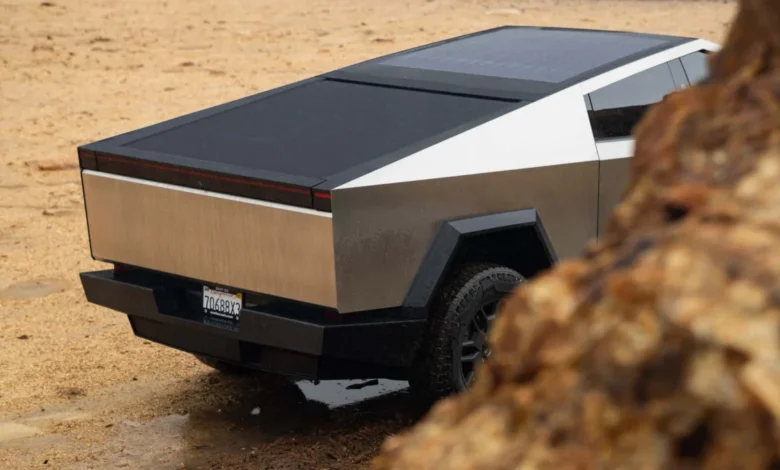
Tesla has announced an extension of its stainless-steel Cybertruck manufacturing run, pushing the vehicle’s final assembly phase through the end of the summer of 2027. The decision, revealed by Chief Executive Officer Elon Musk via social media, marks a notable shift from previous corporate timelines that pointed toward an abrupt termination of the polarizing pickup truck by the middle of next year. While the extension offers a brief window for remaining reservation holders to secure their vehicles, it underscores a complex intersection of consumer loyalty, manufacturing recalibration, and corporate strategic pivots at the company’s Texas gigafactory.
Background Context and the Evolution of the Cybertruck
The Tesla Cybertruck has occupied a unique, highly scrutinized space in the automotive industry since its dramatic and unorthodox unveiling in late 2019. Characterized by its angular, exoskeleton-style stainless-steel architecture and polarizing aesthetic, the vehicle was initially framed by Musk as a revolutionary entry into the lucrative North American pickup market. Initial consumer response appeared staggering, with Tesla reporting hundreds of thousands of non-binding reservations pouring in within days of the debut.
However, bringing the radical design from concept to volume production proved to be an engineering and logistical marathon. Production officially kicked off at Giga Texas in late 2023, years behind the original delivery targets. As the vehicle rolled onto public roads, it attracted intense media coverage and public debate, functioning as much as a rolling marketing experiment as a traditional utility vehicle.
Despite the enormous initial buzz, sales figures failed to reach Musk’s most ambitious early projections. While the CEO had once floated an annualized production goal of 250,000 units, independent industry estimates indicate that Tesla has delivered roughly 70,000 Cybertrucks since the start of commercial availability. The vehicle faced various hurdles, ranging from production bottlenecks associated with its ultra-hard stainless-steel body panels to safety recalls and public discourse over its utility compared to traditional internal-combustion and competing electric pickup trucks.
A Rapidly Shifting Production Timeline
The trajectory of the Cybertruck’s lifecycle has experienced notable turbulence over recent weeks. Initially, a late-night announcement by Musk indicated that production of the pickup would conclude in the middle of next year to clear vital factory floor space for the upcoming, steering-wheel-free Cybercab project. At that time, Musk clarified that the truck would remain in production for approximately eight additional months, setting an expiration date in July 2027.
The sudden announcement of the vehicle’s impending discontinuation triggered a wave of strong reactions from the automotive community, particularly among dedicated Tesla enthusiasts and reservation holders. In response to the backlog of orders that would inevitably go unfulfilled under the original termination schedule, Musk updated his timeline on Wednesday, confirming that production will now be extended through the end of the summer, effectively stretching the runway through most of September 2027.
"In order to work through more of the Cybertruck order backlog, production will be extended through the end of summer 2027," Musk stated on the X platform. In a subsequent reply, he offered a candid perspective on the economic rationale behind the decision: "This is not the smartest move from a profit-maximizing standpoint btw, but there must be some room in this world for sentimentality or what’s the point?"
Financial Realities and Pricing Adjustments
While the extended timeline offers relief to customers hoping to take delivery of the electric pickup, securing a Cybertruck has become a substantially more expensive proposition. In tandem with restructuring the vehicle’s production phase, Tesla streamlined the available variants. The top-tier, tri-motor Cyberbeast has been designated as the sole configuration available for purchase, with its price adjusted upward to approximately $110,000.
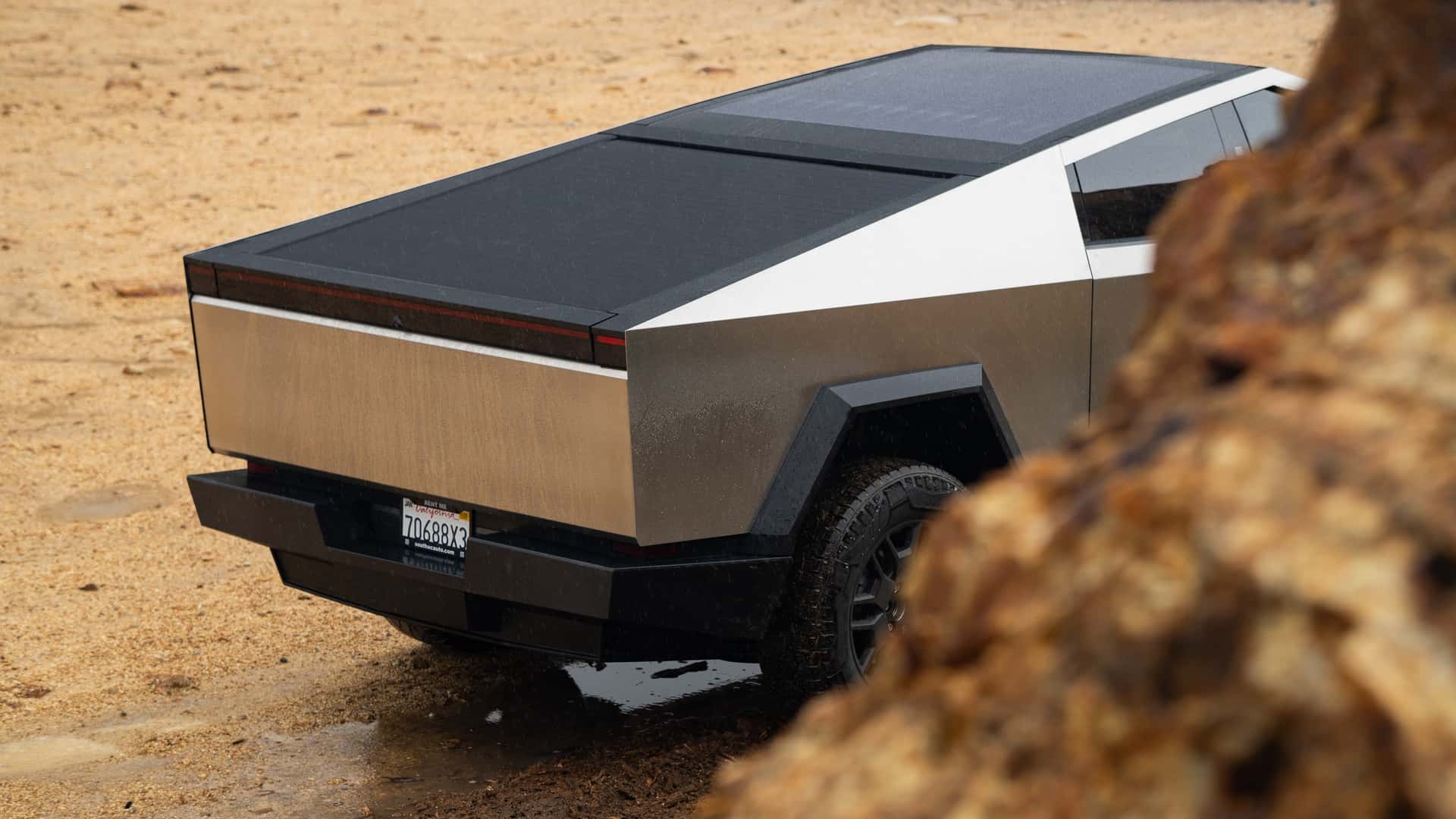
This pricing strategy reflects the niche, high-margin position the Cybertruck occupies as its production lifecycle nears its twilight. Earlier indications from Tesla management suggested that the company would be forced to cancel remaining reservations and refund deposits for customers whose orders could not be met before the assembly lines were re-tooled. The extended schedule mitigates some of these cancellations, though it restricts buyers to the highest-performing and most costly trim level.
Consumer Backlash and Grassroots Mobilization
The initial news of the Cybertruck’s discontinuation elicited an impassioned response from a loyal sub-segment of Tesla’s customer base. Unlike mainstream vehicles that quietly exit the market due to slowing demand, the Cybertruck had cultivated a remarkably dedicated following.
Within days of the initial cancellation announcement, over 5,000 individuals signed a digital petition advocating for the continuation of Cybertruck manufacturing. Furthermore, aftermarket companies and industry stakeholders mobilized. Unplugged Performance, a prominent developer of Tesla performance parts and accessories, publicly explored the possibility of engaging investors to take over Cybertruck production rights or operational processes from Tesla should the automaker completely abandon the line.
While independent third-party manufacturing acquisition remains an improbable logistical hurdle, the fervent public reaction demonstrates the cultural footprint the vehicle managed to carve out during its brief commercial run.
Implications for Giga Texas and the Autonomous Future
The underlying catalyst for the Cybertruck’s eventual phase-out is Tesla’s aggressive pivot toward autonomous transportation, specifically the scaled production of the Cybercab. Designed without traditional driver controls such as steering wheels and pedals, the Cybercab represents a core component of Tesla’s corporate transition from a hardware-focused automotive manufacturer to an autonomous ride-hailing and robotics enterprise.
Giga Texas serves as the strategic manufacturing hub for these next-generation platforms. The factory floor footprint currently occupied by heavy stamping and assembly infrastructure for the Cybertruck’s unique stainless-steel panels is slated for conversion to accommodate high-volume Cybercab assembly lines. By extending Cybertruck production through September 2027, Tesla is walking a fine line between honoring its commitments to early adopters and maintaining momentum on its long-term corporate roadmap.
Fact-Based Analysis of the Cybertruck’s Market Legacy
When historians of the automotive industry evaluate the Tesla Cybertruck, they will likely view it as a paradoxical achievement. On one hand, it achieved remarkable cultural penetration, challenging conventional automotive design standards, popularizing 48-volt vehicle architecture, and introducing innovative structural casting and drive-by-wire technologies to the mass market.
On the other hand, its commercial performance fell well short of early prognostications. Trapped between high production costs, polarizing design constraints, and a shifting corporate priority toward artificial intelligence and autonomy, the Cybertruck’s lifespan will be relatively brief.
For now, the extended runway provides a final chapter for a vehicle that refused to blend in. As Tesla works through its remaining order backlog over the next two and a half years, the roads will continue to host one of the most distinctive—and debated—automotive experiments of the 21st century.
Related posts: