One Year of Ownership: A Comprehensive Performance and Financial Analysis of the Tesla Model Y


The automotive landscape has undergone a significant transformation over the past decade, driven largely by the proliferation of electric vehicles (EVs) and the integration of advanced driver-assistance systems. As of August 30, 2026, the one-year mark of ownership for a Tesla Model Y provides a case study into the practical, financial, and technological realities of daily EV usage. With over 16,000 miles logged, the vehicle serves as a benchmark for evaluating long-term maintenance costs, the efficacy of Full Self-Driving (FSD) software, and the real-world implications of transitioning away from internal combustion engine (ICE) vehicles.
Chronology and Early Adoption Milestones
The transition to electric mobility involves a steep learning curve regarding charging infrastructure and vehicle software integration. Upon taking delivery on August 30, 2025, the initial weeks were characterized by manual operation as the driver familiarized themselves with the vehicle’s unique interface. By October 2025, the utilization of FSD—specifically the v14 iterations—began to increase, with the driver reporting that approximately 75% of total mileage since the software update has been logged under the system’s supervision.
This period also marked a shift in charging habits. For the first several months, the owner relied exclusively on Tesla’s Supercharger network. However, the installation of home charging capabilities in April 2026 represented a critical inflection point in the vehicle’s economic profile. Data from the Tesla application indicates that this change significantly reduced operational costs and frequency of external charging, demonstrating how residential infrastructure is vital to maximizing the economic benefits of EV ownership.
Financial Analysis and Maintenance Expenditures
A primary driver for EV adoption is the reduction of total cost of ownership (TCO) compared to traditional vehicles. Traditional ICE vehicles require periodic maintenance, including oil changes, spark plug replacements, and transmission servicing, all of which contribute to long-term ownership costs. In contrast, the Model Y’s powertrain requires minimal intervention.
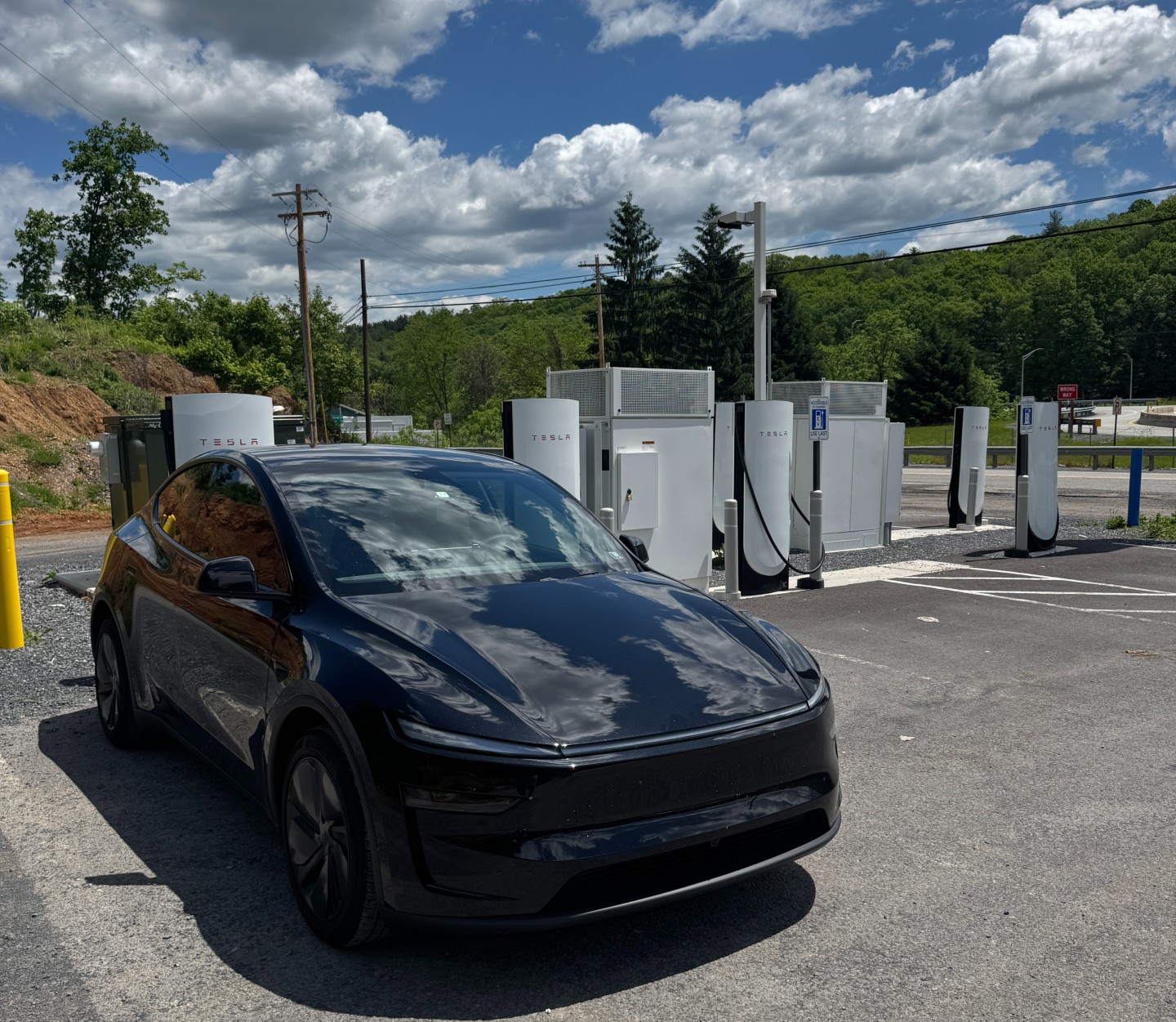
Over the 16,063-mile duration, documented service costs for the vehicle totaled $67.41. When contrasted with the maintenance schedules of vehicles like a 2008 Ford Escape Hybrid or a 1998 Volkswagen Jetta, the financial disparity is stark. Furthermore, insurance premiums, while initially higher by approximately $60 per month compared to the owner’s previous vehicle, were offset by safe-driving discounts, resulting in a net increase of only $40 per month.
The most substantial savings, however, are found in fuel displacement. According to the internal data logs within the Tesla app, the transition from gas-powered vehicles to the Model Y saved the owner approximately $836 in one year. Projections suggest that had home charging been available for the entire duration of the ownership period, these savings would have likely approached $1,500. These figures align with broader industry reports from the Department of Energy, which consistently highlight the reduced per-mile energy costs of EVs compared to gasoline-powered counterparts.
Technological Integration: Full Self-Driving and Cabin Dynamics
The integration of advanced software has fundamentally altered the driving experience. Tesla’s Full Self-Driving v14.3.7 has been highlighted by users for its ability to navigate complex urban environments, though it remains a Level 2 autonomy system requiring constant human supervision. The shift in driving behavior—from a self-described "anxious driver" to one utilizing automated systems—reflects a broader trend in consumer trust regarding AI-driven safety features.
Safety remains a central pillar of the Tesla value proposition. The Model Y holds the Insurance Institute for Highway Safety (IIHS) Top Safety Pick+ rating, a designation that carries weight for consumers weighing the cost of entry against long-term vehicle safety. However, the reliance on touchscreens for vehicle control remains a point of contention. While the removal of physical knobs for climate and audio controls creates a minimalist, "spacecraft-like" aesthetic, it presents ergonomic challenges during operation on uneven road surfaces. The integration of Grok, an AI-based voice control system, serves as an evolutionary step to bridge this gap, allowing for hands-free adjustments that mitigate the need for manual screen interaction.
Real-World Range and Efficiency
Efficiency in electric vehicles is rarely static; it is influenced by ambient temperature, driving style, and auxiliary load. The Model Y in this study achieved a lifetime average efficiency of 260.1 Wh/mi, or 3.84 mi/kWh. This data suggests that even with "Hurry Mode" enabled and a liberal use of climate control, the vehicle remains highly efficient.
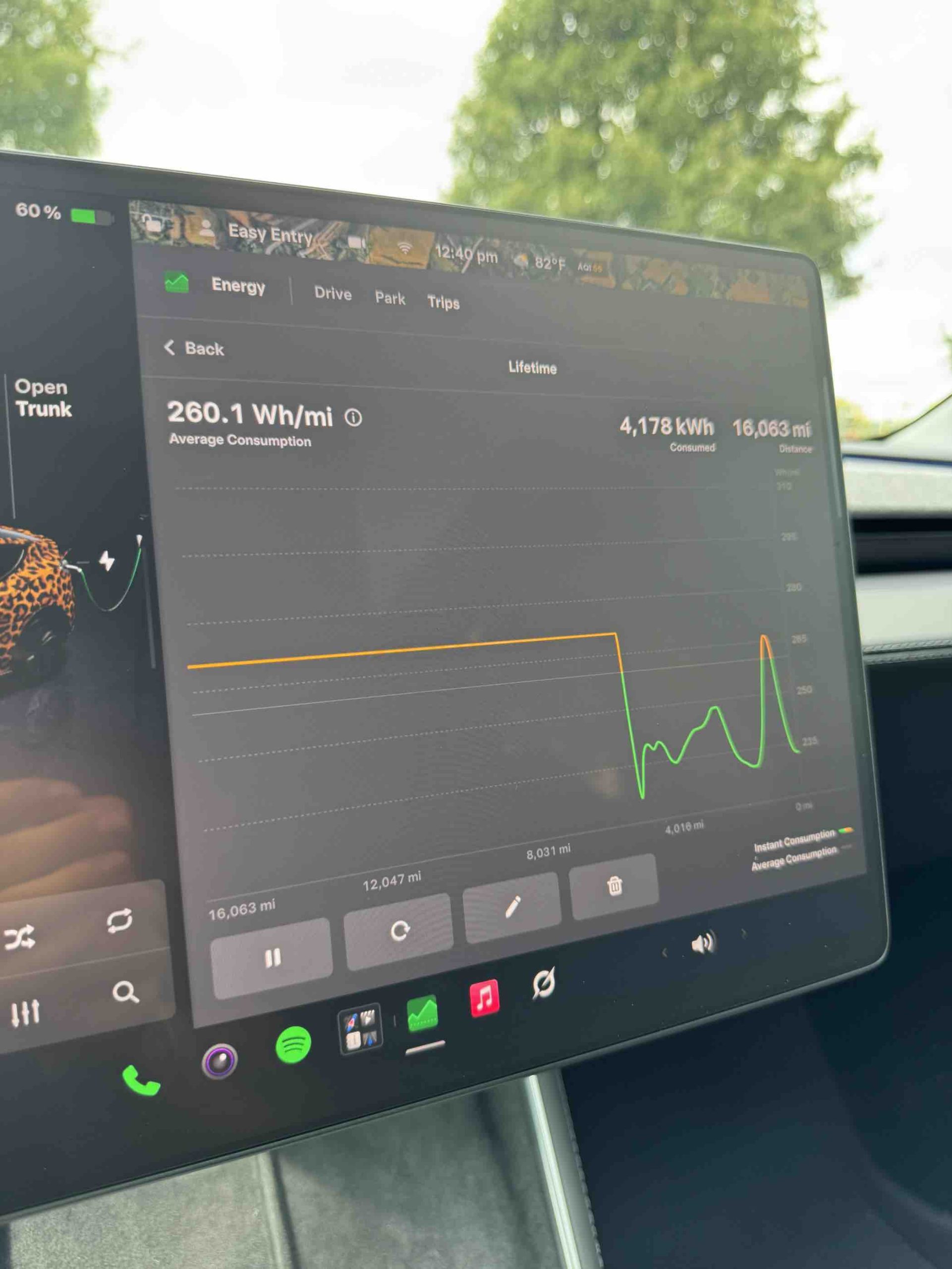
The most notable drawback remains the performance degradation during winter months. The loss of range—documented at approximately 120 miles on a 40-mile round trip during extreme cold—highlights the current limitations of lithium-ion battery chemistry in sub-zero temperatures. This "range anxiety" is a common barrier to entry for prospective buyers, though users often note that the convenience of home charging, once established, largely mitigates the impact of these seasonal fluctuations.
Broader Industry Implications and Consumer Perception
The narrative surrounding Tesla’s affordability remains a subject of intense public debate. While the upfront sticker price of a Model Y can be higher than mid-market gasoline SUVs, the long-term TCO often proves to be competitive. The reluctance of many consumers to switch to EVs is frequently linked to a lack of awareness regarding these long-term savings and the simplicity of maintenance.
Furthermore, the "ecosystem" effect of the Tesla brand—characterized by the Supercharger network, over-the-air software updates that improve performance over time, and high resale value—creates a high level of brand loyalty. Interviews with other owners and anecdotal evidence from long-term reviews suggest that once a consumer transitions to an EV, they are statistically unlikely to return to an ICE vehicle.
Looking forward, the evolution of the vehicle’s interior and software capabilities will likely continue to influence the market. As Tesla moves toward further integration of AI and continues to refine its driver-assistance software, the gap between traditional automotive manufacturing and software-defined vehicles will continue to widen. The experience of the Model Y owner over the past year serves as a template for what the average consumer can expect: a significant reduction in recurring maintenance costs, a reliance on residential charging to optimize efficiency, and a fundamental shift in how human drivers interact with the machines they operate.
Ultimately, the data suggests that for the average driver, the transition to an electric platform like the Model Y is not merely a purchase of a vehicle, but an entry into a highly integrated, software-driven ecosystem. While challenges regarding winter range and user interface ergonomics remain, the cumulative benefits in safety, cost-efficiency, and technological convenience appear to outweigh the limitations for many modern commuters. As the market continues to mature, the lessons learned from these one-year ownership cycles will be instrumental in informing the next generation of automotive policy and consumer adoption strategies.