US Federal Communications Commission Considers Expanded Ban on DJI Lookalike Drones and Cameras

The Federal Communications Commission (FCC) is poised to implement more stringent regulations on drone and camera imports, potentially extending a ban beyond new DJI products to encompass devices that mimic DJI’s designs and technology. This proposed expansion, currently open for public comment, represents a significant escalation in the ongoing scrutiny of foreign-manufactured aerial and imaging equipment by the U.S. government. The move, if finalized, could see previously approved devices, including those from companies accused of rebranding DJI technology, removed from the U.S. market.
The FCC’s latest action stems from a broader initiative to address national security concerns related to telecommunications equipment. In late 2023, the commission effectively prohibited the importation of new DJI products into the United States by adding DJI to its "Covered List." This list comprises entities whose equipment is deemed a potential threat to U.S. national security. However, the existing restrictions primarily focused on preventing new models from entering the market, allowing previously imported and approved DJI devices to remain available for purchase and use.
The current proposal, however, signals a more aggressive stance. The FCC is soliciting public input on a plan that would not only prevent the import and marketing of new equipment from specific companies but could also lead to the retroactive ban of existing products. This would be a novel application of the FCC’s authority, as it would empower the agency to revoke prior product approvals, thereby forcing products already on U.S. shelves to be withdrawn.
Targeted Brands and Products
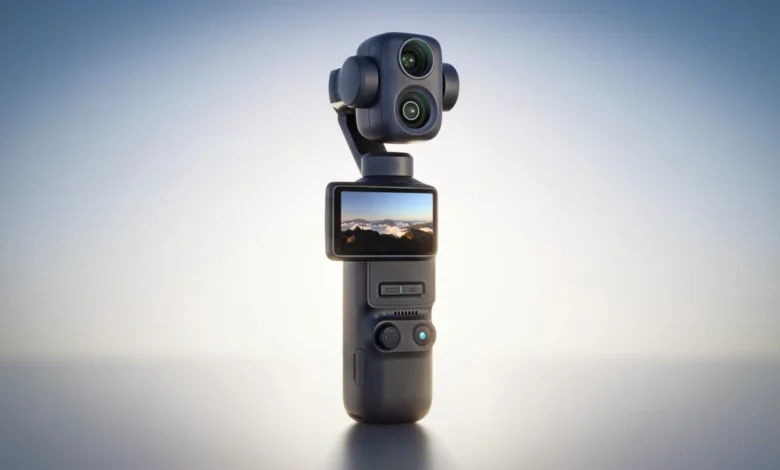
The companies facing potential sanctions under this new proposal include several that have been identified for allegedly selling re-branded DJI products. Among these are brands associated with drones such as the Skyrover X1, which bears a striking resemblance to the DJI Mini 4, and cameras like the Xtra Muse, a lookalike of the DJI Pocket 3. The FCC has specifically named the following brands as being under review: Cogito, Fikaxo, Lyno Dynamics, Skyhigh Tech, Spatial Hover, SZ Knowact, WaveGo, Xtra, and XAG.
The Skyrover X1, for instance, has been flagged as a potential violation due to its strong similarities to DJI’s popular Mini series. Similarly, the Xtra Muse 2 Pro, an action camera, has drawn attention for its design and feature set that closely mirrors DJI’s Osmo Pocket series. These companies have been accused of leveraging DJI’s technological advancements and design innovations without proper authorization, potentially circumventing the spirit, if not the letter, of existing import regulations.
A Timeline of Escalating Scrutiny
The FCC’s increased focus on drones and cameras from Chinese manufacturers, particularly DJI, has been a developing story over the past year.
- Late 2023: The FCC officially added DJI and all foreign-made drones to its "Covered List." This action resulted in the effective ban of new DJI drones, cameras, and accessories from entering the U.S. market. Crucially, this initial ban did not mandate the removal of existing DJI products already within the U.S.
- Early 2024: The FCC began investigating specific companies accused of selling re-branded DJI products. When these companies failed to provide requested information regarding their technology sourcing, the FCC proposed fines for their lack of cooperation. This indicated a shift towards scrutinizing not just the primary manufacturers but also third-party brands perceived to be exploiting existing technologies.
- Present: The FCC has released a public statement and opened a comment period for a new proposal. This proposal aims to expand the ban to include previously approved devices from companies allegedly selling DJI lookalikes, potentially enacting a retroactive removal of these products from the U.S. market.
This progression highlights a strategic tightening of regulations, moving from broad import restrictions on leading brands to a more granular examination of the entire supply chain and market for drone and camera technology.

The FCC’s Expanded Authority
A critical development enabling this new wave of potential bans occurred in October 2023 when the FCC approved a significant change to its rules. This amendment granted the agency the explicit authority to revoke a product’s FCC approval. This newfound power is what underpins the FCC’s ability to consider retroactively banning devices that were previously deemed compliant. Without this regulatory shift, the FCC’s actions would have been limited to preventing new products from entering the country. The ability to withdraw prior approvals signifies a more assertive regulatory posture, allowing the FCC to address perceived non-compliance more comprehensively.
Implications for the Market and Consumers
The potential ban on DJI lookalike products carries significant implications for both consumers and the broader market. For consumers, it could mean a reduced selection of affordable drone and camera options. Brands like Xtra have built a reputation for offering more budget-friendly alternatives to established players like DJI, making advanced aerial photography and videography more accessible. The removal of these alternatives could drive up prices for comparable products, potentially stifling innovation and consumer choice.
From a market perspective, this move could consolidate the position of U.S.-based manufacturers, should they emerge as viable alternatives. It also raises questions about intellectual property protection and fair competition in the technology sector. The FCC’s actions suggest a deliberate effort to protect U.S. technological interests and national security by curbing the influence of foreign entities perceived to be engaging in unfair or potentially risky practices.
The irony of the situation is palpable: while new DJI products are barred from entering the U.S., existing DJI models, such as the DJI Mini 4 Pro, remain legally available and operational. The proposed ban on lookalikes could result in a scenario where these competing, similarly designed products are prohibited from sale, even as their DJI counterparts continue to be accessible. This creates a complex regulatory landscape for consumers and retailers alike.
Industry Reactions and Ongoing Legal Battles
While specific statements from the companies named in the FCC’s proposal have not been widely publicized, the drone industry as a whole has been keenly observing these developments. DJI, in particular, has been a vocal opponent of the FCC’s actions. The company has filed a lawsuit against the FCC, challenging the ban on its products. DJI argues that the ban is "substantially flawed" and has expressed concerns about the impact on innovation and the drone industry’s growth. The outcome of this ongoing legal battle will undoubtedly influence the trajectory of future regulatory actions.
Industry analysts suggest that these regulatory moves are part of a broader geopolitical trend, where governments are increasingly scrutinizing the origins of advanced technologies, particularly those with potential dual-use applications in both civilian and military contexts. The U.S. government’s concerns have often centered on data security and the potential for foreign governments to access sensitive information through connected devices.
The Public Comment Period

The FCC’s decision to open the proposal to public comment is a standard procedure designed to allow stakeholders, including industry representatives, consumer advocacy groups, and individual citizens, to voice their opinions and concerns. This feedback is intended to inform the FCC’s final decision-making process. The comment period provides a crucial opportunity for a wider range of perspectives to be considered before any definitive actions are taken. It allows for a more transparent and potentially more equitable regulatory outcome.
The FCC’s statement and the associated public comment docket are available on the FCC’s website, providing a direct channel for engagement on this critical issue. This transparency is intended to ensure that the regulatory process is seen to be fair and considers all relevant viewpoints before enacting potentially far-reaching policies.
Broader Context: National Security and Technological Sovereignty
The FCC’s actions are deeply intertwined with broader U.S. national security objectives and the pursuit of technological sovereignty. The inclusion of DJI and other foreign entities on the "Covered List" is rooted in concerns that their devices could be exploited by foreign adversaries for espionage or other malicious purposes. This is particularly relevant given the increasing ubiquity of drones in both commercial and governmental applications.
The United States has been actively seeking to reduce its reliance on foreign technology, especially from countries deemed strategic rivals. This initiative extends beyond drones and cameras to encompass a wide range of electronic components and telecommunications infrastructure. The FCC’s role in this effort is to enforce the standards and regulations that govern the import and use of electronic devices within the U.S., ensuring that they meet established security and reliability benchmarks.
The proposal to ban lookalike products suggests that the FCC and other U.S. agencies are not only targeting the primary innovators but also those who may be profiting from the perceived vulnerabilities or intellectual property of those innovators. This broader approach aims to create a more comprehensive barrier against foreign technological influence that is deemed undesirable or threatening.
Conclusion: A Shifting Regulatory Landscape
The FCC’s proposed expansion of drone and camera import bans marks a significant turning point in the regulation of consumer electronics. The potential for retroactive bans on previously approved devices represents a new and powerful tool in the FCC’s regulatory arsenal. As the public comment period progresses, the industry and consumers will be closely watching to see how these proposals evolve. The ongoing legal challenge from DJI further underscores the contentious nature of these regulations. Ultimately, the FCC’s decisions will have a lasting impact on the availability, cost, and competitive landscape of drones and cameras in the United States, reflecting a nation’s ongoing commitment to safeguarding its national security and technological interests in an increasingly complex global market.