Tesla’s Emergency Drive Away function gets its first use in the real world

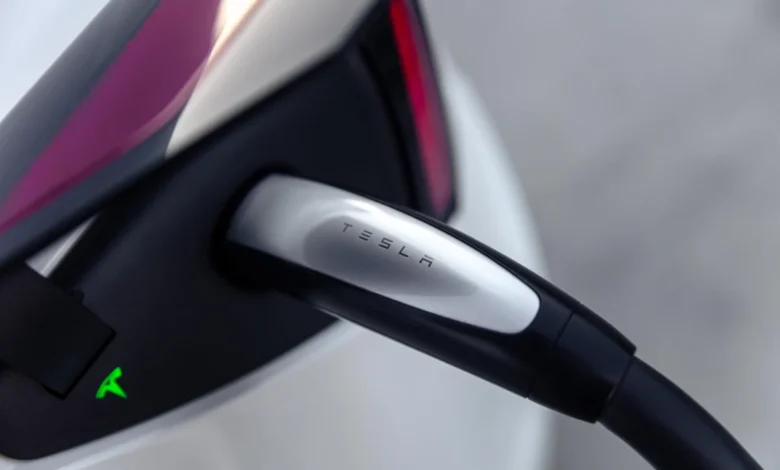
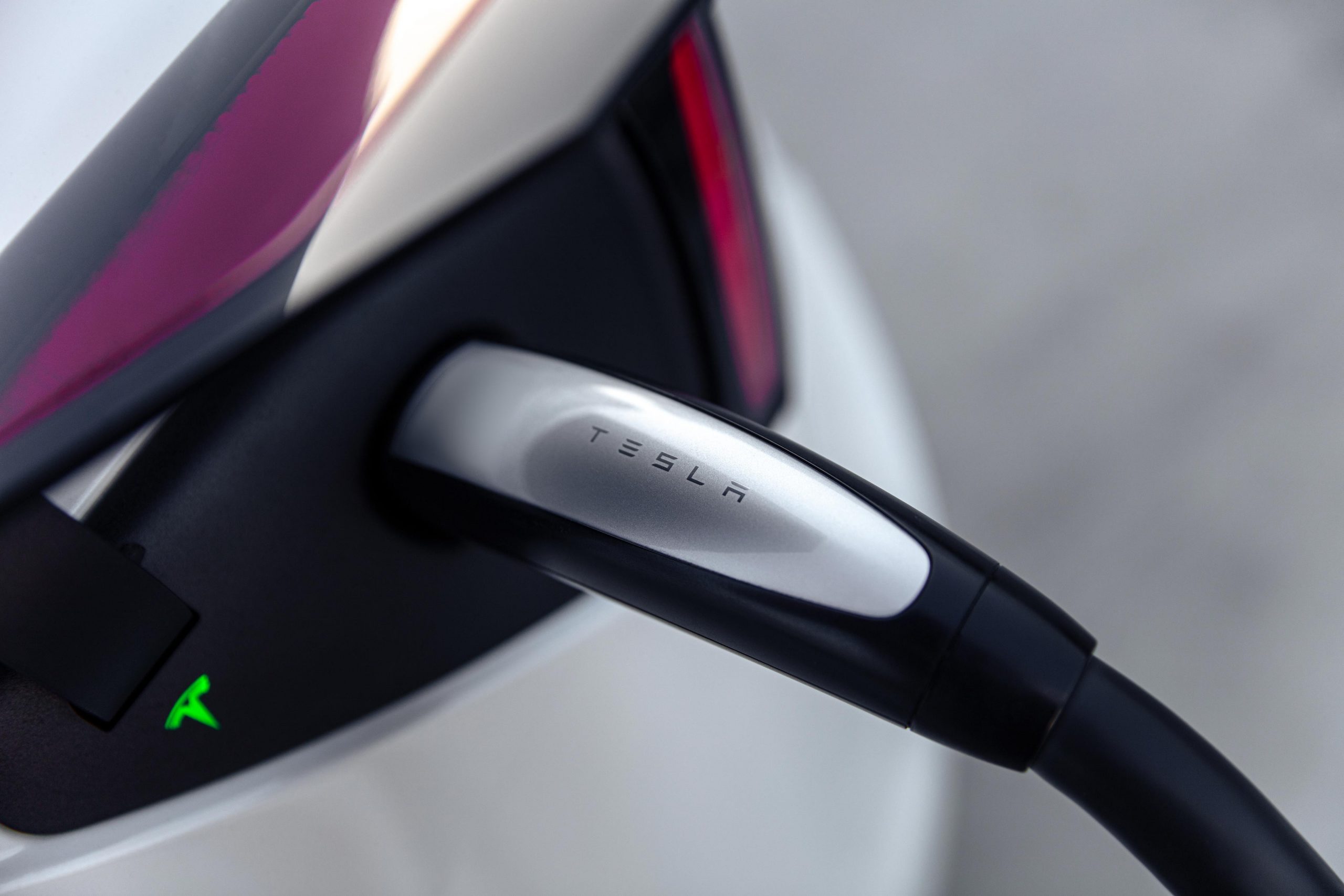
The Tesla ownership experience reached a new, albeit unintentional, milestone this past weekend in Austin, Texas, as the company’s "Emergency Drive Away" feature was deployed for the first time in a real-world scenario. Designed as a safety mechanism to allow vehicles to quickly vacate dangerous environments—such as areas threatened by fire, floods, or civil unrest—the feature was activated by an exhausted driver at a Supercharger station during the height of the city’s Formula 1 Grand Prix festivities. The incident, which was captured on dashcam footage and subsequently shared via the r/TeslaLounge subreddit, serves as a sobering demonstration of both the capability and the potential financial risks associated with the automaker’s latest software-driven safety suites.
The Anatomy of an Accidental Deployment
According to the user who recorded the event, the incident occurred at approximately 6:00 AM on Sunday, October 25, 2026. The driver, appearing to be in a state of extreme fatigue, attempted to navigate their vehicle while still tethered to a Supercharger station. In a moment of confusion, the driver interacted with the vehicle’s interface and triggered the Emergency Drive Away protocol.
The feature is engineered to perform an automated emergency release of the charging connector. However, as the video footage clearly illustrates, the system’s physical engagement is forceful. The vehicle lurched forward while the Supercharger cable was still locked in place, resulting in significant mechanical strain on both the vehicle’s charge port and the Supercharger pedestal itself. The sight of the vehicle pulling away with the heavy-duty cable taut provided a stark visual reminder of the physical forces involved in the procedure.
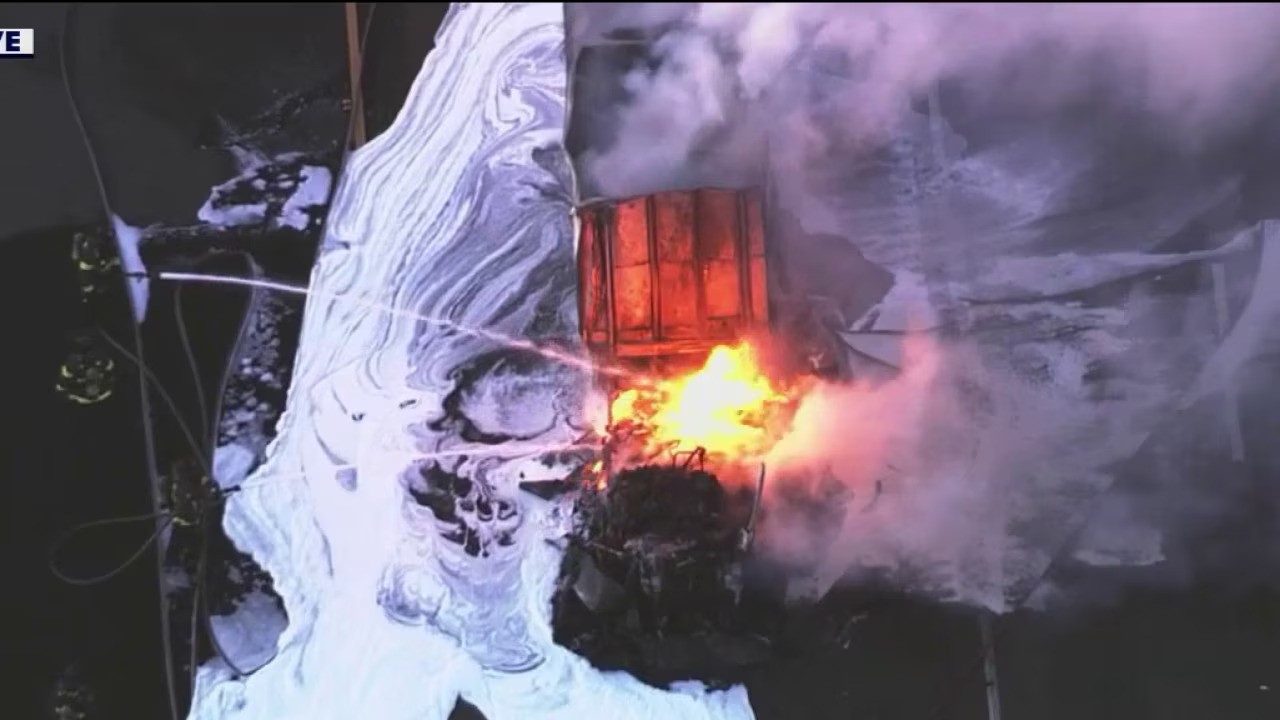
Tesla has been transparent about the potential costs associated with this feature. The company has explicitly warned that if the Emergency Drive Away function is activated in a non-emergency situation, the financial burden of the resulting repairs—which can reach as high as $25,000—falls entirely on the owner. The cost accounts for the specialized labor required to inspect and repair high-voltage infrastructure and the potential replacement of proprietary charging hardware.
Defining "Reasonable Danger"
Tesla’s Emergency Drive Away feature is not intended for convenience or as a method for expedited departure from a charging stall. Rather, it is a high-stakes safety tool meant for use only under extreme circumstances. The company has outlined a rigid set of criteria that constitute a "reasonable justification" for its use. These scenarios generally involve situations where the vehicle is at immediate risk of environmental or external damage, such as a localized fire, rapid flooding, or an immediate threat to the physical security of the occupants.
The protocol requires that the user confirm the emergency intent via the infotainment screen. In this specific Austin incident, the observer noted that the driver appeared to have only partially read the warning prompts before initiating the process. This highlights a growing challenge for automotive manufacturers: as vehicles become more software-defined and capable of complex autonomous or semi-autonomous actions, the barrier between user intent and system execution becomes dangerously thin.
Broader Implications for EV Infrastructure
The incident in Austin brings to light the fragility of electric vehicle charging infrastructure in the face of human error. While the Supercharger network is lauded for its reliability, the hardware is not immune to the physical trauma of a forced detachment. Beyond the $25,000 repair estimate, the downtime for a damaged Supercharger stall represents an inconvenience to other users and a loss of service capacity for the network.

Tesla has mandated that any vehicle that utilizes the Emergency Drive Away function must be scheduled for a comprehensive service inspection. This is a critical safety measure, as the force exerted on the vehicle’s charge port could compromise the integrity of the high-voltage electrical system, posing long-term risks if left unaddressed.
Synergy and Strategy: The Cybercab Battery Evolution
While the Austin incident highlights the risks of legacy vehicle interaction with infrastructure, Tesla’s forward-looking engineering suggests a shift in how the company views the relationship between batteries and serviceability. Recent technical deep dives into the Tesla Cybercab reveal a design philosophy that prioritizes modularity and cost-efficiency, specifically regarding battery chemistry.
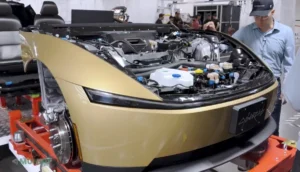
Robert Sumpf, Tesla’s director of mechanical design engineering for battery modules and packs, confirmed that the Cybercab’s battery pack was designed with intentional "spare room." This space is earmarked for a future transition to Lithium Iron Phosphate (LFP) chemistry. While the current Cybercab fleet utilizes high-energy-density nickel-based 4680 cells, the ability to swap in LFP cells provides a pathway to lower production costs and improved thermal management as the robotaxi fleet scales.
This design is a departure from the "structural battery" approach used in the Model Y and Cybertruck. While the structural pack offers a 10% gain in cell volume, it is notoriously difficult to repair. By moving to four individually sealed modules, Tesla is ensuring that a single failing module does not necessitate the disposal of an entire battery pack. For a fleet that is expected to operate for hundreds of thousands of miles, the ability to perform surgical repairs rather than total replacements is a significant economic advantage. As of late October 2026, Texas DMV records indicate that Tesla has authorized over 500 Cybercabs for its robotaxi fleet, marking a pivotal transition toward the company’s goal of autonomous mass transit.
The Connectivity Wars: Starlink and the Airline Industry
Parallel to its automotive advancements, Tesla’s sister company, SpaceX, is reshaping the competitive landscape of commercial aviation through Starlink. United Airlines CEO Scott Kirby recently characterized Starlink as the "biggest competitive advantage" in the U.S. airline industry, though he acknowledged that the edge is inherently temporary.
United has been aggressive in its integration of low-Earth-orbit (LEO) satellite internet, with approximately 43% of its fleet equipped with the system as of late October 2026. The airline plans to reach 87% coverage by mid-2027, with the goal of full fleet implementation by the end of that year. Kirby’s strategy is rooted in the belief that while high-speed internet will eventually become an industry standard, the early-adopter advantage allows United to capture customer loyalty through a superior technological experience.
"Everybody eventually is going to have high-speed, low-Earth-orbit internet connectivity," Kirby stated during a recent industry update. "It’s going to be a must-have. We are going to have a few years of being the only airline that has it at scale."
The data supports this aggressive rollout. Wi-Fi satisfaction scores on Starlink-equipped United flights are reported to be nearly double those of competitors using legacy systems. For business travelers, the ability to stream, work, and maintain constant connectivity has become a primary factor in booking decisions. By pairing this connectivity with broader cabin improvements, such as larger seat-back screens and enhanced mobile app functionality, United is attempting to build a "tech stack" that keeps passengers returning even after other airlines close the connectivity gap.

A Period of Rapid Technological Integration
The events of the past week underscore a broader narrative: we are in a period of rapid, high-stakes technological integration where the margin for error is shrinking. Whether it is the accidental deployment of an emergency vehicle feature in Austin, the strategic modular design of a robotaxi battery in Texas, or the competitive maneuvering of satellite internet in the skies, the common thread is the increasing complexity of the systems consumers interact with daily.
For Tesla, the task ahead is twofold: continuing to innovate in battery chemistry and autonomy while simultaneously improving the user interface to prevent the kind of accidental deployments seen at the Supercharger. For the aviation industry, the race to implement Starlink represents a shift toward prioritizing digital experience as a core component of the product.
As we move toward the end of 2026, the intersection of these technologies will continue to influence how we move, how we work, and how we interact with our infrastructure. The accidental activation of the Emergency Drive Away function serves as a reminder that as we rely more on automated, high-powered systems, the necessity for intuitive design and clear user education has never been more critical. Tesla’s commitment to safety, evidenced by the existence of the feature, must now be matched by an improvement in the user’s ability to interact with it safely, ensuring that these powerful tools remain assets rather than liabilities.
Related posts: