Nurturing Young Photographers: Selecting the Right Used Camera for Aspiring Creatives

Introducing a child to the world of photography can be a profoundly enriching experience, sparking creativity and fostering a unique way of observing and documenting their surroundings. While the latest camera technology can be prohibitively expensive, a wealth of capable and affordable used camera models exist that are perfectly suited for young beginners. These older cameras often offer robust build quality, intuitive controls, and image-making capabilities that can provide a solid foundation for learning the art of photography. The key lies in identifying models that balance ease of use with sufficient creative potential, allowing a child to explore different genres and develop their photographic eye without the intimidation of overly complex features or the risk of significant financial loss should their interest evolve.
The selection of a suitable camera for a young budding photographer is a decision that requires careful consideration of several factors. Beyond the initial purchase price, durability, ease of handling, and the availability of compatible lenses are crucial. Furthermore, the camera’s ability to produce pleasing images, even with minimal user intervention, can significantly contribute to a child’s motivation and enjoyment. Older digital cameras, in particular, often present an excellent entry point. They eliminate the recurring cost of film and processing, providing immediate feedback on their work, which is vital for learning. The following cameras, though no longer the latest models, represent excellent choices for igniting a passion for photography in children due to their proven performance, user-friendly interfaces, and value on the second-hand market.
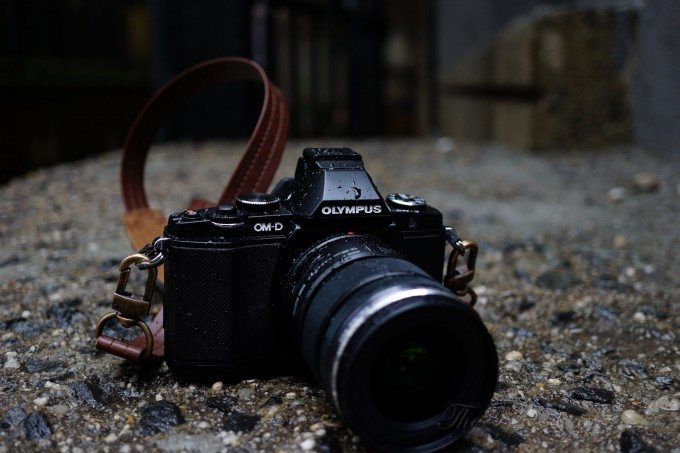
Olympus E-M5: A Compact Powerhouse for Exploring the World
The Olympus E-M5 stands out as a remarkable option for young photographers due to its blend of advanced features presented in a compact and relatively lightweight Micro Four Thirds body. Launched in 2012, this camera was a significant step forward in mirrorless technology, offering professional-grade capabilities in a more accessible package. Its 16.1-megapixel Micro Four Thirds sensor, while not the highest resolution by today’s standards, delivers excellent image quality with vibrant colors and good detail, especially when shooting in RAW format, which allows for greater flexibility in post-processing.
One of the E-M5’s most compelling features for beginners is its 5-axis image stabilization. This in-body stabilization system works with any lens attached, significantly reducing camera shake and enabling sharper images, particularly in lower light conditions or when hand-holding the camera. For children who may not have fully developed steady hands, this feature is invaluable. The camera’s autofocus system is remarkably quick and accurate, with excellent tracking capabilities, allowing young photographers to capture moving subjects with greater success. The inclusion of a touchscreen further enhances usability, providing an intuitive way to adjust settings and select focus points, mirroring the touch-based interfaces many children are already familiar with on smartphones.
Furthermore, the E-M5 is renowned for its ability to produce images that evoke the look and feel of classic film stocks, such as Kodak Portra and Fuji Pro400. This characteristic is a significant advantage for introducing children to photography, as it allows them to achieve aesthetically pleasing, film-like results digitally, bridging the gap between modern technology and the timeless appeal of analog photography. The color reproduction is consistently praised for its accuracy and pleasing tones. Another practical advantage is the weather sealing. While not entirely waterproof, the robust construction offers protection against light rain and dust, making it a more resilient choice for outdoor adventures and less worry for parents. The E-M5’s compatibility with a wide range of older Micro Four Thirds lenses, often available affordably on the used market, provides ample opportunity for experimentation and learning about different focal lengths and their creative applications.
The initial release of the Olympus E-M5 in February 2012 was met with critical acclaim. Reviews at the time highlighted its compact size, robust build, and impressive performance, particularly its image stabilization and autofocus speed. It was seen as a camera that could bridge the gap between enthusiast and professional users. For a young beginner, it offers a taste of professional-grade features without being overwhelming, allowing them to grow with the camera as their skills develop. The used market for the E-M5 has remained strong, reflecting its enduring quality and value. Prices can vary, but typically range from $300 to $500 depending on condition and included accessories, making it a sound investment for a child’s photographic journey.
Nikon D700: A Full-Frame Workhorse for Versatile Learning
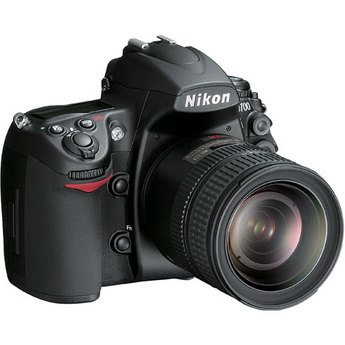
The Nikon D700, a full-frame DSLR released in 2008, represents another exceptional choice for introducing children to photography, particularly those who might benefit from the creative flexibility offered by a full-frame sensor. While larger and heavier than the Olympus E-M5, its robust construction is a testament to its professional heritage. The D700 shares much of its internal architecture with the flagship Nikon D3, meaning it boasts impressive image quality and performance that still holds up remarkably well today. Its 12.1-megapixel sensor, though lower in resolution than modern cameras, produces images with excellent dynamic range and beautiful tonality, especially in its RAW files, which offer substantial latitude for editing and detail recovery.
A standout feature of the D700 is its exceptional high ISO performance. It can produce clean and usable images up to ISO 6400, and even push to ISO 12,800 with acceptable results. This capability is invaluable for young photographers who will inevitably encounter challenging low-light situations, whether it’s indoor events, twilight photography, or capturing starry skies. The camera’s autofocus system is renowned for its speed, accuracy, and ability to track subjects effectively, even in difficult conditions. Its 51 AF points provide extensive coverage across the frame, allowing children to learn about composition and focusing techniques with precision.
The D700’s DSLR design, with its optical viewfinder and tactile controls, provides a classic photographic experience. This can be beneficial for developing a deeper understanding of the photographic process, as it encourages a more deliberate approach to image-making. The camera’s versatility is a significant asset; it can handle virtually any genre of photography, from portraits and landscapes to sports and wildlife. This means a child can explore a wide range of photographic interests without needing to upgrade their equipment. The RAW files from the D700 are known for their robustness, allowing for significant adjustments to exposure, white balance, and detail recovery without introducing excessive artifacts.
When the Nikon D700 was released, it was celebrated as a groundbreaking camera that brought professional-level full-frame performance to a more accessible price point than its predecessors. It was lauded for its durability, image quality, and low-light capabilities. Many professional photographers adopted it as a secondary or even primary body. For a child, it offers a robust and reliable platform that can withstand the rigors of learning and experimentation. On the used market, the Nikon D700 can typically be found in the range of $400 to $700, depending on its condition and shutter count. While a larger initial investment than some other options, its longevity and comprehensive capabilities make it a worthwhile consideration for serious young enthusiasts.
Canon EOS 6D: A Full-Frame Entry with Wi-Fi and GPS
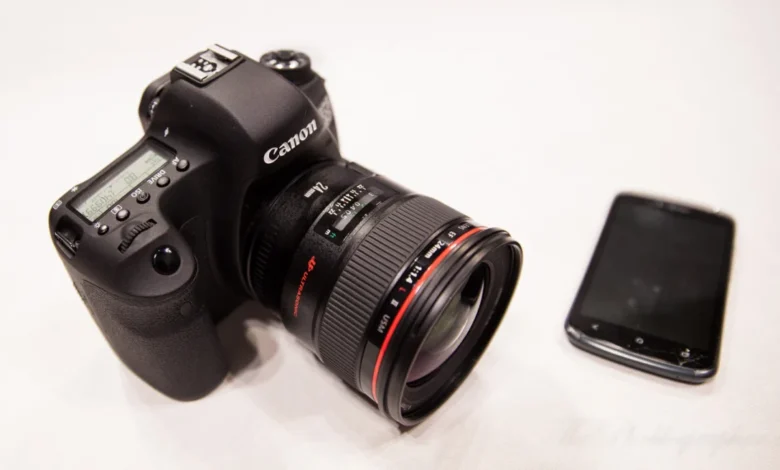
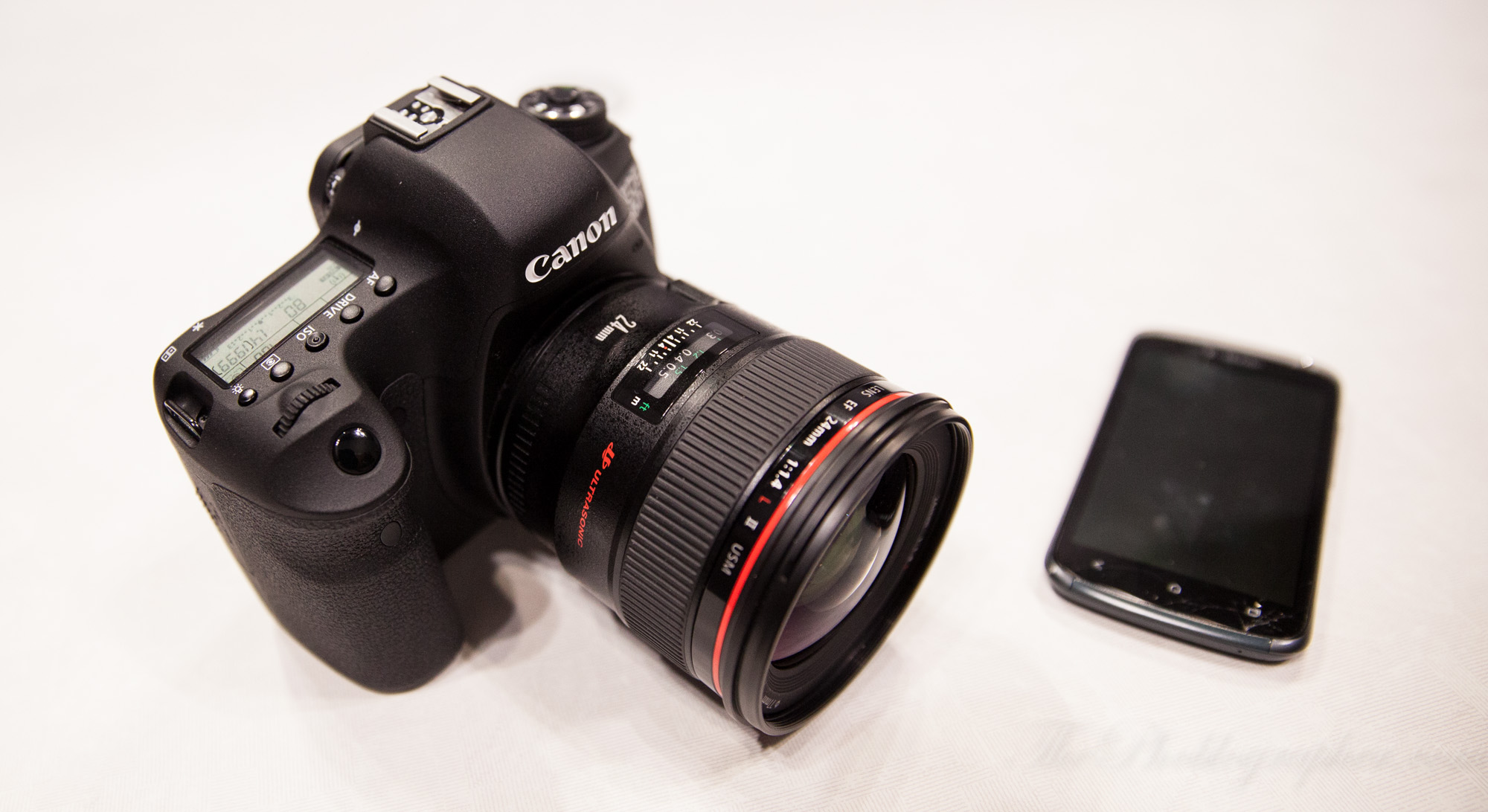
The Canon EOS 6D, introduced in late 2012, offers a compelling entry into the world of full-frame digital photography for young learners. It was Canon’s most affordable full-frame DSLR at the time of its release, making professional-level imaging more accessible. The 6D features a 20.2-megapixel full-frame CMOS sensor that produces images with beautiful color rendition and excellent detail. Its image quality is a significant draw, delivering the characteristic pleasing tones and natural-looking images that Canon is known for.
One of the 6D’s more modern features, which can be a boon for younger photographers, is its integrated Wi-Fi and GPS functionality. The Wi-Fi allows for easy transfer of images to a smartphone or tablet for sharing on social media or for use in school projects. The GPS tagging of photos can also be a fun way for children to document where their images were taken, adding a layer of context and memory to their photographic endeavors. The camera’s 11-point autofocus system, while not as extensive as higher-end models, is more than capable for beginners. It includes a highly sensitive center AF point that performs exceptionally well in low light, a crucial feature for a camera that can excel in challenging shooting conditions. Canon’s autofocus system is generally praised for its accuracy and ease of use.
The EOS 6D boasts a solid and comfortable body, designed for extended shooting sessions. Its layout of buttons and dials is logical and intuitive, allowing users to quickly access frequently used settings. The RAW files from the 6D are highly versatile, offering significant flexibility in post-processing to adjust exposure, color, and detail. The camera also delivers impressive high ISO performance, producing clean images even at elevated sensitivities, which is advantageous for indoor photography or shooting in dim light. The beautiful color science of Canon sensors is particularly appealing, rendering skin tones and natural scenes with a pleasing aesthetic.
The Canon EOS 6D was positioned as an entry-level full-frame DSLR, aiming to attract photographers who desired the benefits of a full-frame sensor without the premium price tag of professional models. Its introduction was seen as a significant move by Canon to broaden the appeal of full-frame photography. For a child, it offers the sophisticated look and feel of a professional camera, coupled with user-friendly features and exceptional image quality. On the used market, the Canon EOS 6D can typically be found in the price range of $500 to $800, depending on its condition and shutter actuations. Its integrated Wi-Fi and GPS, along with its full-frame capabilities, make it a camera that can grow with a young photographer for many years.
The Broader Impact on Developing Young Talent
The decision to invest in a used but capable camera for a child goes beyond mere equipment acquisition; it is an investment in their development. Providing tools that allow for creative expression can foster a sense of accomplishment and build confidence. These older, yet still powerful, cameras offer a tangible connection to the art of photography, encouraging hands-on learning and experimentation. The immediate feedback loop of digital photography is crucial for young learners, allowing them to quickly understand cause and effect in their photographic choices.
The ability to experiment with different settings, compositions, and subjects without the financial pressure of new equipment allows children the freedom to make mistakes and learn from them. This freedom is essential for developing a unique photographic voice. Furthermore, by learning on cameras that require a more deliberate approach to focusing and exposure, children develop a deeper understanding of photographic principles that will serve them well, regardless of the technology they use in the future.
The availability of these cameras on the used market also speaks to a broader trend of sustainability in the photography industry. By purchasing pre-owned equipment, consumers contribute to reducing electronic waste and making photography more accessible to a wider audience. This ethos can also be subtly conveyed to young learners, promoting responsible consumption.
As these young photographers grow, the skills they acquire using these cameras – composition, understanding light, storytelling through images – are transferable to any future photographic endeavors. Whether they choose to pursue photography professionally or simply as a lifelong hobby, the foundation laid with a well-chosen used camera can be invaluable. The cameras mentioned – the Olympus E-M5, Nikon D700, and Canon 6D – each offer a distinct pathway into the world of creative image-making, providing the tools and capabilities for a child to begin their photographic journey with enthusiasm and success.