The Evolving Smartphone Landscape: A Comprehensive Look at New Releases, Price Adjustments, and Key Competitors

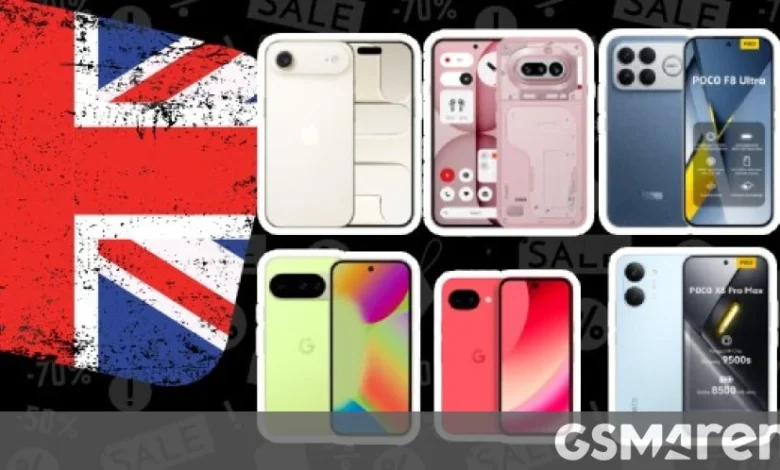
The global smartphone market continues its dynamic evolution, marked by strategic product launches, competitive pricing, and a relentless pursuit of innovation across various segments. Following recent insights into the iPhone 17e and 17 Pro Max, this week shifts focus to a distinct offering from Apple, the iPhone Air, alongside a comprehensive review of Google’s Pixel 10 and 10a, Nothing’s latest Phone (4b) and its siblings, and an extensive array of devices from Poco, including the F8 Pro, F8 Ultra, X8 Pro, and X8 Pro Max. This analysis delves into the specifications, performance metrics, and market positioning of these devices, providing a panoramic view of the current consumer choices and technological advancements.
Apple’s Design-Forward Approach: The iPhone Air Enters the Fray

Apple’s latest innovation, the iPhone Air, carves out a niche in the premium smartphone segment with an unwavering focus on ultra-portability and minimalist design. Measuring an astonishingly slender 5.6mm in thickness and weighing a mere 165g, the iPhone Air stands as one of the thinnest and lightest smartphones currently available. This engineering feat is achieved without compromising structural integrity, thanks to a robust titanium frame that encases its delicate form. Titanium, known for its high strength-to-weight ratio and corrosion resistance, ensures durability despite the device’s svelte profile, a material choice increasingly favored in high-end consumer electronics.
Underneath its sleek exterior, the iPhone Air is powered by the formidable Apple A19 Pro chipset. This proprietary silicon represents the pinnacle of mobile processing technology, delivering exceptional performance for demanding applications, advanced AI tasks, and high-fidelity gaming. The device features a vibrant 6.5-inch LTPO (Low-Temperature Polycrystalline Oxide) display, a technology that allows for dynamic refresh rates, optimizing power consumption while providing a fluid visual experience. LTPO panels can intelligently scale refresh rates from as low as 1Hz for static content to 120Hz for scrolling or gaming, thereby extending battery life.
However, the iPhone Air’s pursuit of extreme thinness necessitates certain trade-offs, most notably in its camera hardware and battery capacity. The device incorporates a single 48-megapixel primary camera on the rear, equipped with a 1/1.56-inch sensor. While a 48MP sensor is capable of capturing detailed images, the absence of additional lenses such as an ultrawide or telephoto camera positions the iPhone Air as less versatile for photography enthusiasts compared to multi-lens flagships. Furthermore, its modest 3,149mAh battery, while optimized by the A19 Pro chipset and LTPO display, yielded an average endurance score of 12 hours and 44 minutes in active use tests. This performance, while respectable for its capacity, indicates that users with heavy demands might find themselves reaching for a charger by late afternoon. The iPhone Air, therefore, appears to target users who prioritize an exceptionally thin and light form factor and premium performance over extensive camera versatility or all-day battery life without a mid-day top-up.

Google’s Pixel Philosophy: Software-Centricity and Chipset Nuances
Google’s Pixel line continues to differentiate itself through a strong emphasis on software integration, computational photography, and artificial intelligence, powered by its custom-designed Tensor chipsets. The Google Pixel 10, a direct competitor in the premium segment, offers a more compact form factor with a 6.3-inch display. While smaller in height and width than the iPhone Air, the Pixel 10 presents a noticeably thicker profile at 8.6mm and a heavier build at 204g. This additional girth accommodates a significantly larger 4,970mAh battery, promising extended usage.
Despite the larger battery, the Pixel 10 recorded a slightly lower Active Use Score of 12 hours and 8 minutes. This outcome is largely attributed to the efficiency profile of its Tensor G5 chipset. While the Tensor G5 is engineered to excel in AI and machine learning tasks, delivering a seamless Google ecosystem experience and advanced image processing, its power efficiency in sustained operations has historically lagged behind some competitors. This discrepancy highlights the complex interplay between hardware design, software optimization, and real-world battery performance, where raw battery capacity doesn’t always translate directly to superior endurance.

For consumers seeking a more budget-conscious option without straying too far from the Pixel experience, the Google Pixel 10a emerges as a compelling alternative. Also featuring a 6.3-inch screen, the Pixel 10a utilizes the previous generation Tensor G4 chipset. Intriguingly, this "older" silicon, combined with a slightly larger 5,100mAh battery, delivers a remarkably better Active Use Score of 15 hours and 13 minutes. This improved endurance suggests that the Tensor G4, perhaps due to different architectural optimizations or a less power-hungry performance ceiling, proves more efficient under typical usage scenarios than its successor. However, the Pixel 10a makes sacrifices to achieve its lower price point and improved battery life; most notably, it foregoes the Pixel 10’s 10.8MP 5x telephoto periscope camera, relying on a simpler camera setup. This strategic trade-off positions the Pixel 10a as an excellent choice for users prioritizing battery life and Google’s software experience within a tighter budget, accepting a compromise on advanced photographic capabilities.
Nothing’s Bold Vision: Unpacking the Phone (4b), (4a), and Flagship (3)
Nothing, the nascent tech company known for its distinctive transparent design philosophy and unique Glyph Interface, continues to expand its smartphone portfolio, offering devices that aim to stand out in a crowded market. The Nothing Phone (4b), recently transitioning from pre-order to general availability, presents itself as a new entry point into the brand’s ecosystem. Priced £80 cheaper than the base 8GB/128GB version of the Nothing Phone (4a), the (4b) seeks to attract value-conscious consumers.

However, a closer examination of the specifications reveals significant compromises for this price reduction. The Nothing Phone (4a), still available directly from nothing.tech, features a more powerful Snapdragon 7s Gen 4 chipset compared to the (4b)’s Snapdragon 6 Gen 4. This generational difference translates to a noticeable gap in overall processing power and efficiency. Furthermore, the (4a) boasts faster UFS 3.1 storage, providing quicker app loading times and data transfer speeds than the (4b)’s UFS 2.2. In the camera department, the (4a) maintains a clear advantage, including a sophisticated 50MP 3.5x/80mm periscope lens that is absent on the (4b). Both models feature comparable battery capacities, with the (4a) at 5,080mAh and the (4b) at 5,200mAh, suggesting that battery life might be similar despite the other performance disparities. This comparison strongly suggests that while the (4b) offers a lower entry price, the (4a) provides a significantly better overall user experience and feature set for a relatively modest price difference, potentially making the (4a) the more judicious choice for many.
At the pinnacle of Nothing’s current lineup is the Nothing Phone (3), the brand’s sole flagship device. Currently offered with a substantial £300 discount, the Phone (3) justifies its higher price point with premium specifications and features. It is powered by the high-performance Snapdragon 8s Gen 4 chipset, placing it firmly in the upper echelon of Android devices. The Phone (3) is equipped with a robust 5,150mAh silicon-carbon (Si/C) battery, a technology known for its higher energy density compared to traditional lithium-ion cells, enabling more capacity in a smaller footprint. This battery supports rapid 65W wired charging and convenient 15W wireless charging, offering flexibility for users. The camera system is equally impressive, featuring a large 1/1.3-inch 50MP main sensor, a 50MP 3x periscope telephoto lens, and a 50MP 114-degree ultra-wide-angle lens, providing a comprehensive and versatile photographic toolkit designed to compete with industry leaders. The Nothing Phone (3), especially with its current discount, represents a compelling option for those seeking a unique design coupled with flagship-tier performance and photographic capabilities.
Poco’s Aggressive Value Proposition: From F8 to X8 Series

Poco, a sub-brand of Xiaomi, has consistently carved out a reputation for delivering high-performance smartphones at aggressive price points, often dubbed "flagship killers." Their latest offerings continue this tradition, providing a wide array of choices across various performance and budget tiers.
The Poco F8 Pro emerges as a strong contender, offering a faster Snapdragon 8 Elite chipset at a more accessible price point than the Nothing Phone (3). It features a 6.59-inch 12-bit OLED display, delivering vibrant colors and deep blacks with excellent contrast, essential for multimedia consumption. The F8 Pro is equipped with a substantial 6,210mAh battery, capable of 100W wired-only fast charging, ensuring minimal downtime. Its camera system comprises a capable 50MP main camera with a 1/1.55-inch sensor, a 50MP 2.5x/60mm telephoto lens for optical zoom, and an 8MP 120-degree ultra-wide sensor, offering a versatile photographic experience for its price segment.
Stepping up the ladder, the Poco F8 Ultra commands a slightly higher premium, priced just £30 more than the Nothing Phone (3) with its discount, but brings the cutting-edge Snapdragon 8 Elite Gen 5 chipset to the table. This represents the absolute latest in Qualcomm’s high-end mobile processors, promising unparalleled performance. The F8 Ultra pairs this powerful silicon with an even larger 6.9-inch 12-bit OLED display, providing an expansive and immersive viewing experience. Its massive 6,500mAh battery supports both 100W wired and 50W wireless charging, offering ultimate charging flexibility. Poco has invested significantly in the F8 Ultra’s camera department, featuring a large 50MP main sensor (1/1.31-inch), a powerful 50MP 5x/115mm periscope telephoto lens, and a 50MP ultra-wide sensor. This comprehensive camera setup positions the F8 Ultra as a formidable photographic tool, rivaling dedicated camera-centric smartphones. For a more detailed comparison of its capabilities, the Poco F8 Pro vs. Poco F8 Ultra article provides an in-depth analysis of their battery, camera, and price differentials.
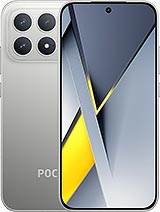
Beyond the F-series, Poco also offers the X-series, providing further alternatives for various consumer needs. The Poco X8 Pro presents itself as a compelling alternative to the Nothing Phone (4b), particularly for users prioritizing battery life and a capable display. It is powered by the Dimensity 8500 Ultra chipset, a robust processor from MediaTek that delivers strong performance for daily tasks and gaming. The X8 Pro houses a significant 6,500mAh battery with 100W wired-only charging, promising exceptional endurance. It features a 6.59-inch 12-bit OLED display, identical to the F8 Pro, ensuring a high-quality visual experience. The camera system is simpler, comprising a 50MP main sensor complemented by an 8MP secondary sensor, offering capable performance for general photography.
For those demanding even more power and battery life, the Poco X8 Pro Max elevates the X-series offering. This device boasts a near-flagship Dimensity 9500s chipset, positioning it very close to top-tier performance benchmarks. Its standout feature is an enormous 8,500mAh silicon-carbon battery, also supporting 100W wired-only charging, promising multi-day usage for most users. The X8 Pro Max features a larger 6.83-inch 12-bit OLED display, enhancing the immersive experience, while retaining the same 50MP+8MP camera setup as the X8 Pro. The Poco X8 Pro vs. Poco X8 Pro Max comparison offers further insights into the specific differences and advantages of each model, helping consumers make an informed decision based on their priorities for processing power, screen size, and battery longevity.
Market Dynamics and Consumer Choice: Navigating a Diverse Landscape
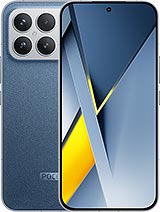
The current smartphone market is characterized by an unprecedented diversity of choices, with manufacturers meticulously segmenting their offerings to cater to specific consumer preferences and budgets. Apple, with its iPhone Air, targets a niche that prioritizes extreme design and flagship performance, even if it means some compromises in other areas. Google, through its Pixel 10 and 10a, showcases its commitment to AI-driven experiences and software excellence, with the ‘a’ series proving that older hardware can still deliver superior battery life under specific optimizations.
Nothing continues to build a brand identity around unique aesthetics and a balanced feature set, though the stark differences between the Phone (4b) and (4a) highlight the challenges of maintaining value across varying price points within a single series. Meanwhile, Poco consistently delivers on its promise of high-performance-to-price ratios, offering a bewildering array of options from the F8 series’ premium power to the X8 series’ emphasis on battery endurance.
The strategic pricing, chipset choices, and feature trade-offs observed across these models underscore a highly competitive environment. Consumers are now faced with an increasingly complex decision-making process, weighing factors such as raw processing power, camera versatility, battery life, design aesthetics, and ecosystem integration against their budget. The frequent price adjustments and new model introductions reflect a market that is constantly innovating and adapting, ensuring that there is a suitable smartphone for virtually every type of user. As the industry continues to push boundaries in display technology, camera sensors, battery chemistry, and mobile silicon, the landscape of consumer electronics promises to remain vibrant and full of compelling choices.