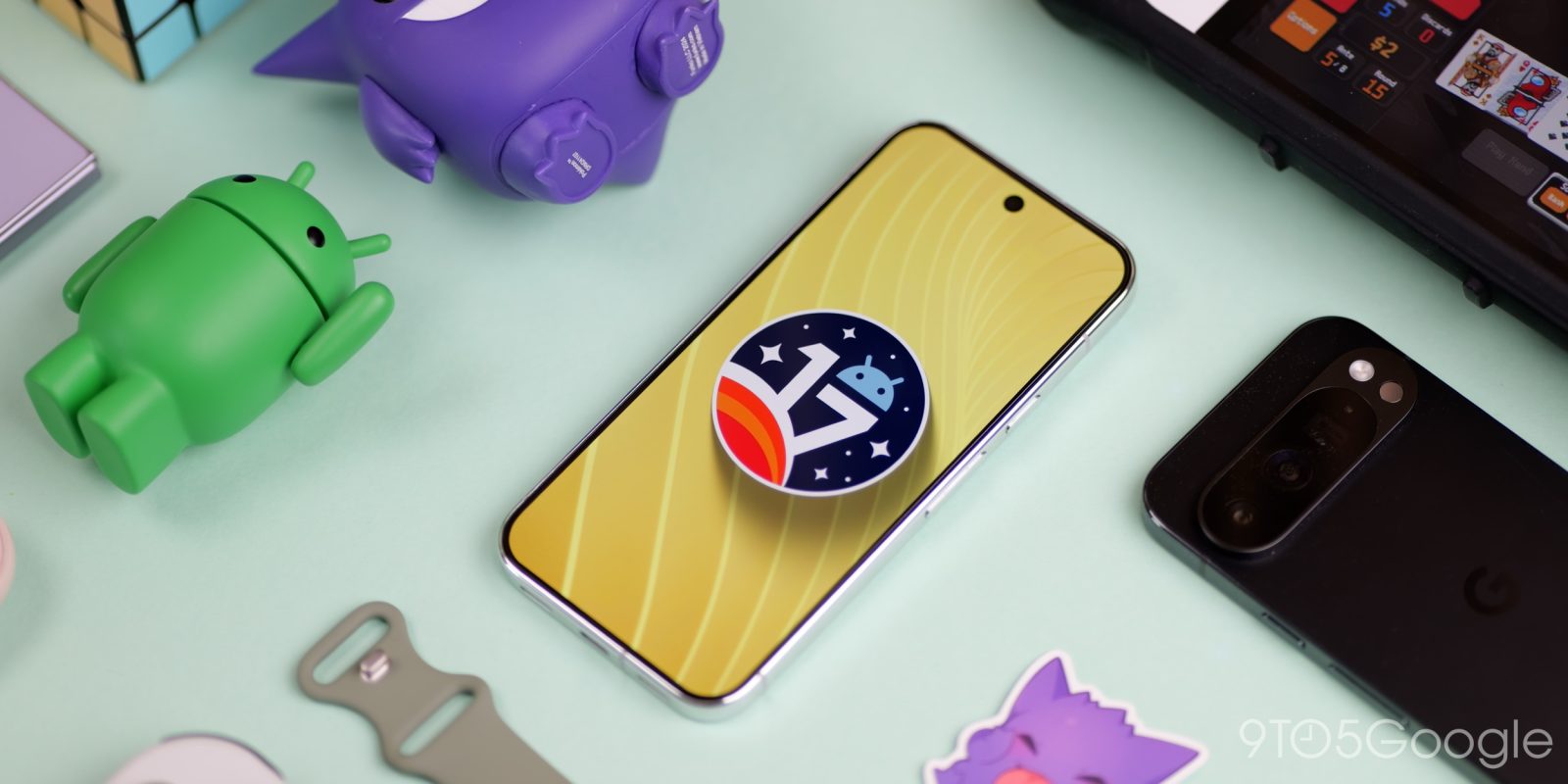
Android 17 QPR3 Beta 4 is rolling out to Pixel devices following the stable launch of QPR2

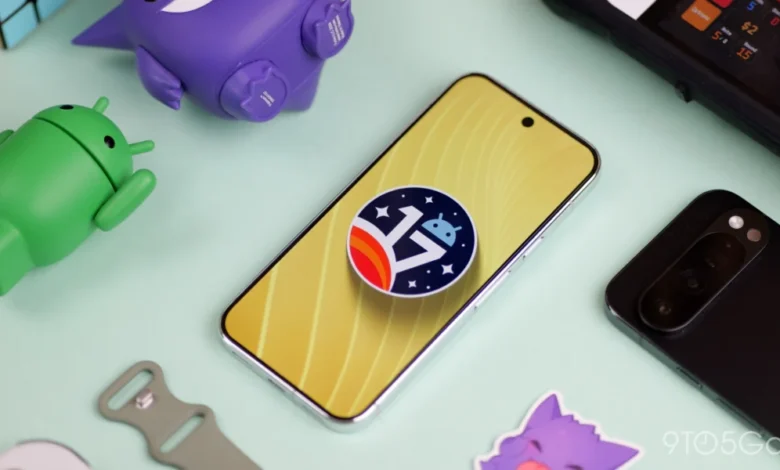
The latest iteration of Google’s mobile operating system development cycle, Android 17 QPR3 Beta 4, has officially begun its rollout to supported Pixel hardware. This release follows the recent transition of the QPR2 (Quarterly Platform Release) branch to a stable public state, marking another milestone in Google’s iterative refinement process for its flagship mobile software. As the Android 17 lifecycle matures, this beta update serves as a critical testing ground for stability improvements, under-the-hood optimizations, and final refinements before the next scheduled quarterly feature drop reaches the general consumer market.
Understanding the Android Quarterly Platform Release (QPR) Cycle
To grasp the significance of the QPR3 Beta 4 release, one must first understand Google’s structural approach to Android updates. Unlike the annual major platform upgrades that introduce wholesale changes to the operating system’s interface and core APIs, the QPR program is designed to deliver "Feature Drops." These updates are deployed on a quarterly basis, allowing Google to introduce new functionality, security hardening, and performance patches without waiting for the next major Android version cycle.
The QPR schedule typically consists of three distinct releases per year. QPR1, QPR2, and QPR3 act as vehicles for continuous improvement. By the time a release reaches the "Beta 4" stage, the software is typically in the "Platform Stability" phase. This means that the APIs and developer-facing behaviors are finalized, and the focus of the engineering teams shifts almost exclusively to bug squashing, memory management optimization, and thermal performance tuning.
Chronology of the Android 17 Development Cycle
The path to the current beta release has been methodical. Google initiated the Android 17 development process earlier this year, adhering to a strict timeline to ensure that the hardware ecosystem remains synchronized with software capabilities.
- Initial Preview Phase: The early stages of Android 17 focused on internal architectural changes, primarily revolving around modular system components and improved background process handling to conserve battery life.
- QPR1 Launch: This release established the baseline for the current fiscal year’s feature drops, focusing on privacy dashboard enhancements and expanded support for cross-device connectivity.
- QPR2 Transition: Released recently, this stable update brought refinements to the Pixel’s adaptive brightness algorithms and notification management systems, laying the groundwork for the more granular controls currently being tested in the QPR3 branch.
- QPR3 Beta Progression: The current beta series has been marked by a transition toward high-fidelity stability. Beta 1 through Beta 3 focused on addressing hardware-specific regressions, while Beta 4 is widely regarded as the "release candidate" precursor.
Comprehensive Device Support and Accessibility
The rollout of Android 17 QPR3 Beta 4 is notably extensive, reflecting Google’s commitment to supporting its sprawling portfolio of hardware. The list of supported devices includes:
- Flagship Series: Pixel 8, 8 Pro, 8a, Pixel 9, 9 Pro, 9 Pro XL, 9 Pro Fold, 9a, and the newly integrated Pixel 10 and 11 series devices (including Pro and Pro XL variants).
- Legacy and Mid-Range: Pixel 6a, Pixel 7, 7 Pro, 7a.
- Specialized Form Factors: Pixel Tablet, Pixel Fold, and the expansive Pixel 11 Pro Fold.
This broad compatibility matrix highlights the importance of the Android Beta Program, which allows Google to leverage a distributed network of users to identify edge-case bugs that internal automated testing might miss. By distributing system images and enabling Over-the-Air (OTA) updates, Google can gather telemetry data from a wide variety of usage environments, ranging from high-performance gaming to enterprise-grade multitasking.
The Role of the Android Beta Feedback App
Central to the success of this development cycle is the Android Beta Feedback app. This utility is the primary bridge between the engineering teams at Google and the end-user base. When a user encounters a system hang, a UI glitch, or a battery drain issue, the application allows for the automatic attachment of logs and system diagnostics.
These reports are funneled directly into Google’s internal issue tracker. While users are encouraged to report issues, the professional consensus is that such beta software should be installed with caution. The potential for data loss or application instability remains a primary concern for those relying on their primary device for mission-critical tasks. The presence of the Android Beta community on Reddit further facilitates peer-to-peer troubleshooting, providing a secondary layer of support where power users often document workarounds for common bugs before official patches are issued.
Technical Implications and Performance Analysis
The transition to QPR3 Beta 4 implies that Google is nearing the end of the feature-testing phase for this cycle. From an analytical perspective, this update likely contains final-stage optimizations for the Pixel’s Tensor processing unit. Previous QPR releases have shown that Google often uses these updates to tune how the OS manages background threads, which directly influences the perceived fluidity of the interface and the longevity of the battery under heavy workloads.
Furthermore, with the inclusion of the Pixel 11 lineup in this beta, it is evident that Google is integrating the latest hardware iterations into its software pipeline much earlier than in previous years. This "forward-compatibility" ensures that as new hardware hits the market, the software environment is already stress-tested, minimizing the impact of "day-one" bugs that often plague new device launches.
Security and Privacy Considerations
A significant, though often invisible, component of the QPR3 Beta 4 release is the security patch level. By consolidating these updates into a quarterly framework, Google is able to push critical security fixes more rapidly than if they were tied to major annual updates. This modularity is a core pillar of the "Project Mainline" initiative, which aims to decouple core OS components from the manufacturer’s user interface, allowing for faster security patching without requiring a full firmware update from carriers.

Broader Impact on the Android Ecosystem
The Android 17 QPR3 Beta 4 serves as a microcosm of the broader mobile industry’s push toward "Software-Defined Hardware." By iterating on the OS in real-time, Google is effectively extending the lifespan of its devices. A Pixel 7 or 8 user running QPR3 is receiving the same low-level kernel optimizations and security updates as a user with a brand-new Pixel 11, which creates a level of consistency that has historically been the hallmark of competitor platforms.
However, the rapid pace of these updates also poses challenges. App developers must ensure their software is compatible with the latest beta APIs, which can lead to friction in the ecosystem if testing is not performed adequately. Google’s developer documentation remains the authoritative source for navigating these changes, and the availability of system images for the Android Emulator provides a critical tool for developers to test their applications against the latest QPR changes without needing physical access to every supported Pixel device.
Conclusion and Future Outlook
As the beta testing for Android 17 QPR3 moves toward its conclusion, the focus will undoubtedly shift to the final stable release. Users currently enrolled in the beta program are positioned to receive the final production build as an OTA update in the coming weeks. For those who are currently on the fence about participating, the current build’s focus on stability makes it one of the more reliable iterations in recent memory.
The success of the Android 17 development cycle will ultimately be measured by how effectively these quarterly drops maintain device performance over time. As Google continues to expand its hardware footprint, the importance of a robust, transparent, and iterative software update process cannot be overstated. With QPR3 Beta 4, Google reinforces its commitment to keeping its user base at the forefront of mobile technology, ensuring that the latest refinements are delivered as efficiently as possible.
For developers and enthusiasts alike, the path forward remains clear: continue utilizing the provided feedback channels, monitor the developer portal for updated APIs, and maintain a focus on the core system metrics that define the user experience. The release of this beta is not just an update to a phone; it is a demonstration of the ongoing evolution of the world’s most widely used mobile operating system.