Apple Watch Ultra 4 Introduces the Readiness Bezel: How the New Feature Keeps Track of Your Body’s Recovery Metrics

The continuous evolution of wearable technology has increasingly shifted focus from simple activity tracking to holistic physiological recovery. With the recent commercial launch of the Apple Watch Series 12 and the Apple Watch Ultra 4, Apple has introduced a dedicated Readiness application designed to synthesize a wide array of health metrics into a single, actionable score. For users of the rugged Apple Watch Ultra 4, this functionality is further elevated through a specialized hardware-matching interface: an all-new Readiness bezel configuration. By embedding recovery data directly into the periphery of specialized watch faces, Apple is providing athletes, outdoor enthusiasts, and health-conscious consumers with immediate, glanceable insights into their physical preparedness.
Understanding the Readiness Ecosystem
The debut of the Readiness application on the Apple Watch Series 12 and Apple Watch Ultra 4 marks a significant milestone in Apple’s health software strategy. Historically, fitness trackers have emphasized exertion—monitoring active calories, step counts, and workout intensity. However, sports science and medical research have long underscored that physical growth and peak performance are fundamentally tied to recovery.
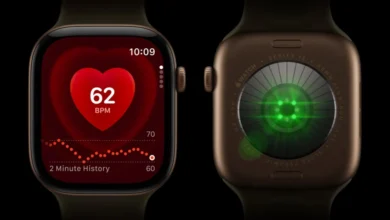
The new Readiness app bridges this gap by aggregating a continuous stream of biometric data collected throughout both the night and the day. Overnight metrics form the bedrock of the calculation, capturing vital signs such as resting heart rate, respiratory rate, wrist temperature, and overnight heart rate variability (HRV) recovery. These nocturnal measurements are combined with sleep architecture scores to evaluate how effectively the autonomic nervous system has rested.
During waking hours, the algorithm continues to factor in daytime heart rate trends and ongoing recovery HRV. By synthesizing these diverse metrics, the system generates a unified Readiness score, categorizing the user’s current physical state to help them decide whether to push forward with a strenuous workout or prioritize active rest and recuperation.
The Integration of the Readiness Bezel on Apple Watch Ultra 4
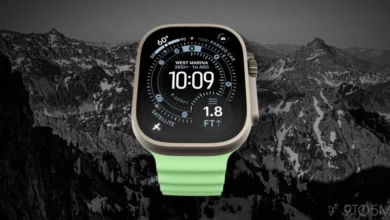
While both the standard Series 12 and the rugged Ultra 4 models benefit from the underlying Readiness app, the Apple Watch Ultra series has traditionally maintained exclusive interface elements tailored to its larger display and extreme-use case design. The Ultra line features distinctive watch faces, customized color palettes, typography options, and specialized bezel-type complications that take advantage of the expansive titanium chassis.
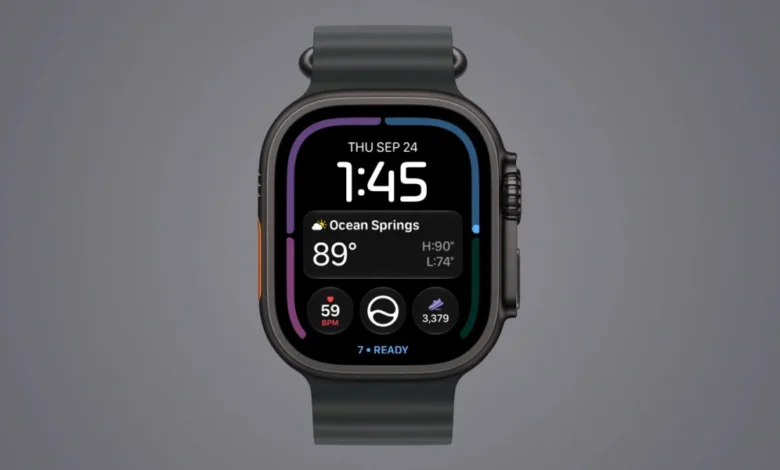
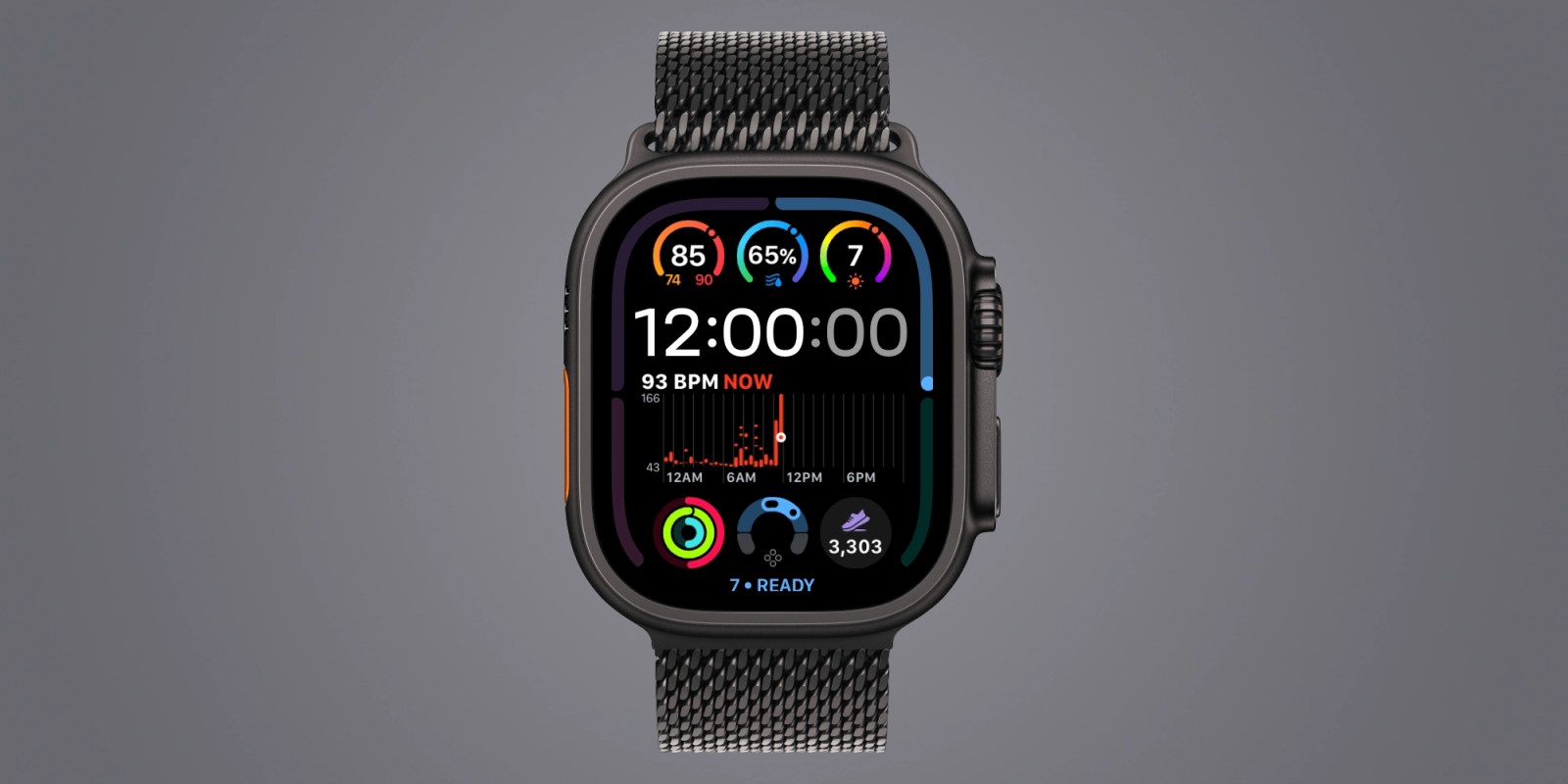
With the release of the Apple Watch Ultra 4, Apple has expanded this customization suite by introducing Readiness as a native bezel configuration option. Supported on layout-rich watch faces such as the Modular Ultra and the newly introduced Siri Modular face, the Readiness bezel transforms the periphery of the display into an intuitive data dashboard.
When enabled, the configuration places the user’s numerical Readiness score alongside a concise descriptive status at the bottom of the screen. More strikingly, the feature utilizes four distinct progress bars that wrap dynamically around the edge of the watch face. These bars visually segment the various scoring categories that contribute to the overall metric, while an indicator dot pinpoints the user’s exact standing within that continuum.
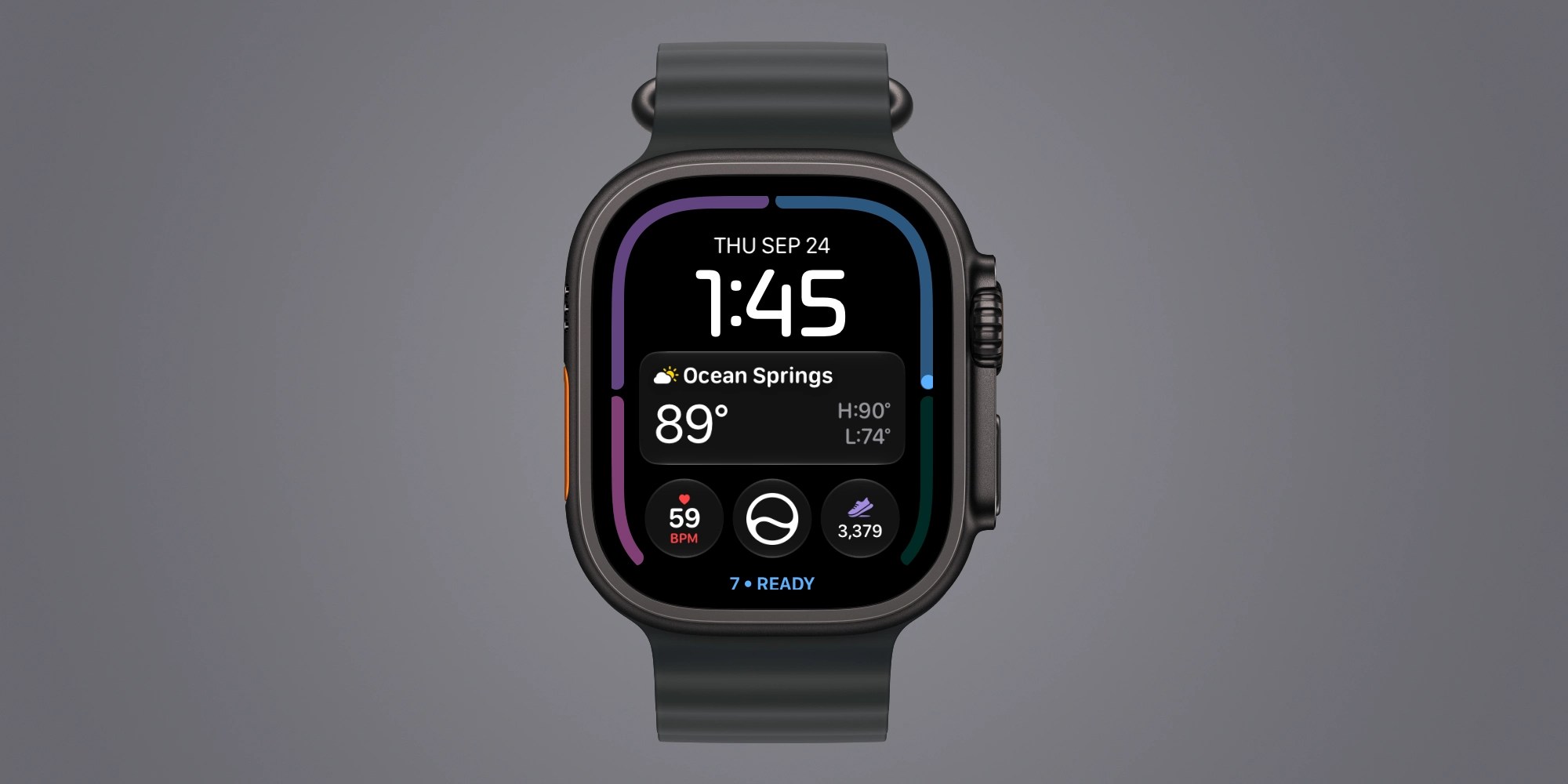
This design philosophy mirrors traditional analog instrument bezels found on aviation and diving watches, translating complex numerical data into a spatial format that can be interpreted in a fraction of a second. Because physiological readiness is not static and can fluctuate in response to stress, hydration, nutrition, and sudden activity, having the metric positioned front-and-center on the watch face offers a practical utility for individuals managing high-performance training regimens.
Background and Chronology of Health Tracking in Wearables
The introduction of the Readiness bezel is the latest step in a multi-year trajectory for Apple’s health division. Over the past decade, the Apple Watch has transformed from a companion accessory for notifications into a sophisticated medical and fitness monitoring device.
The foundational steps began with the integration of optical heart rate sensors, followed by the groundbreaking inclusion of electrical heart sensors for Electrocardiograms (ECGs) in the Series 4. Subsequent iterations introduced blood oxygen saturation monitoring, enhanced sleep stage tracking, and advanced temperature sensing capabilities designed initially for retrospective ovulation estimates.
As the hardware sensors matured, the software architecture lagged behind in synthesizing these disparate data points into a cohesive narrative of daily wellness. Competitors in the dedicated fitness tracker market, such as Oura and Whoop, successfully popularized recovery scores, compelling mainstream smartwatch manufacturers to follow suit. Apple’s introduction of the Readiness app and its deep hardware integration via the Ultra 4 bezel represent a definitive response to this industry-wide demand for integrated recovery analytics.

Design and Usability Implications
The decision to incorporate the Readiness metric into a bezel complication rather than a standard modular box highlights Apple’s nuanced approach to interface design for larger displays. The Apple Watch Ultra 4, built for extreme environments, benefits from high-contrast, edge-to-edge data presentation.
By utilizing the perimeter of the watch face, the system avoids cluttering complications that might otherwise be reserved for environmental data such as altimeter readings, compass headings, or meteorological conditions. Users engaged in endurance sports can simultaneously monitor crucial environmental metrics while keeping a constant visual anchor on their physiological recovery status.
Furthermore, the dynamic nature of the four peripheral bars offers a granular breakdown that raw numerical scores often fail to convey. Rather than seeing a simple percentage or integer, users can instantly discern which pillar of their health—whether it be sleep quality, autonomic nervous system recovery, or baseline vital stability—requires the most attention on a given day.
Broader Market Impact and Industry Outlook

The rollout of the Apple Watch Series 12 and the Apple Watch Ultra 4, paired with the software capabilities of the Readiness app, underscores the intensifying competition within the elite fitness and lifestyle wearable sector. As consumers increasingly expect their devices to act as proactive health advisors rather than passive data loggers, the accuracy and accessibility of recovery metrics will likely become a primary purchasing driver.
Industry analysts note that by locking certain advanced aesthetic integrations, like the Readiness bezel, to the flagship Ultra hardware, Apple continues to differentiate its high-tier product tier. This strategy appeals directly to professional athletes, marathon runners, and outdoor adventurers who demand maximum information density from their equipment.
As software updates continue to refine the underlying algorithms of the Readiness platform, the integration of peripheral data displays points toward a future where wearable interfaces become entirely contextual, adapting their visual presentations dynamically to the wearer’s physical state and immediate environment.
The Apple Watch Series 12 and Apple Watch Ultra 4 are currently available for purchase through Apple’s retail channels, online store, and authorized global distributors, bringing these advanced recovery and customization features to consumers worldwide.