Qobuz implements new AI transparency measures to safeguard human-centered music discovery

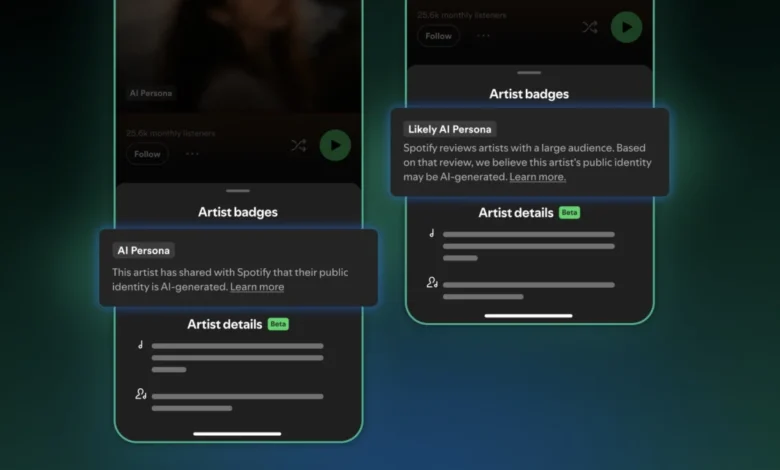
The French high-fidelity music streaming service Qobuz has officially launched a new suite of transparency tools designed to identify and tag AI-generated content within its library. This strategic move marks the latest milestone in the company’s ongoing "human-centered" initiative, a charter established to protect the integrity of the listening experience while maintaining equitable royalty distributions for human creators. As the digital music landscape faces a surge in synthetic media, Qobuz is positioning itself as a premium, human-curated alternative to the broader, more automated streaming market.
The Mechanism of Transparency
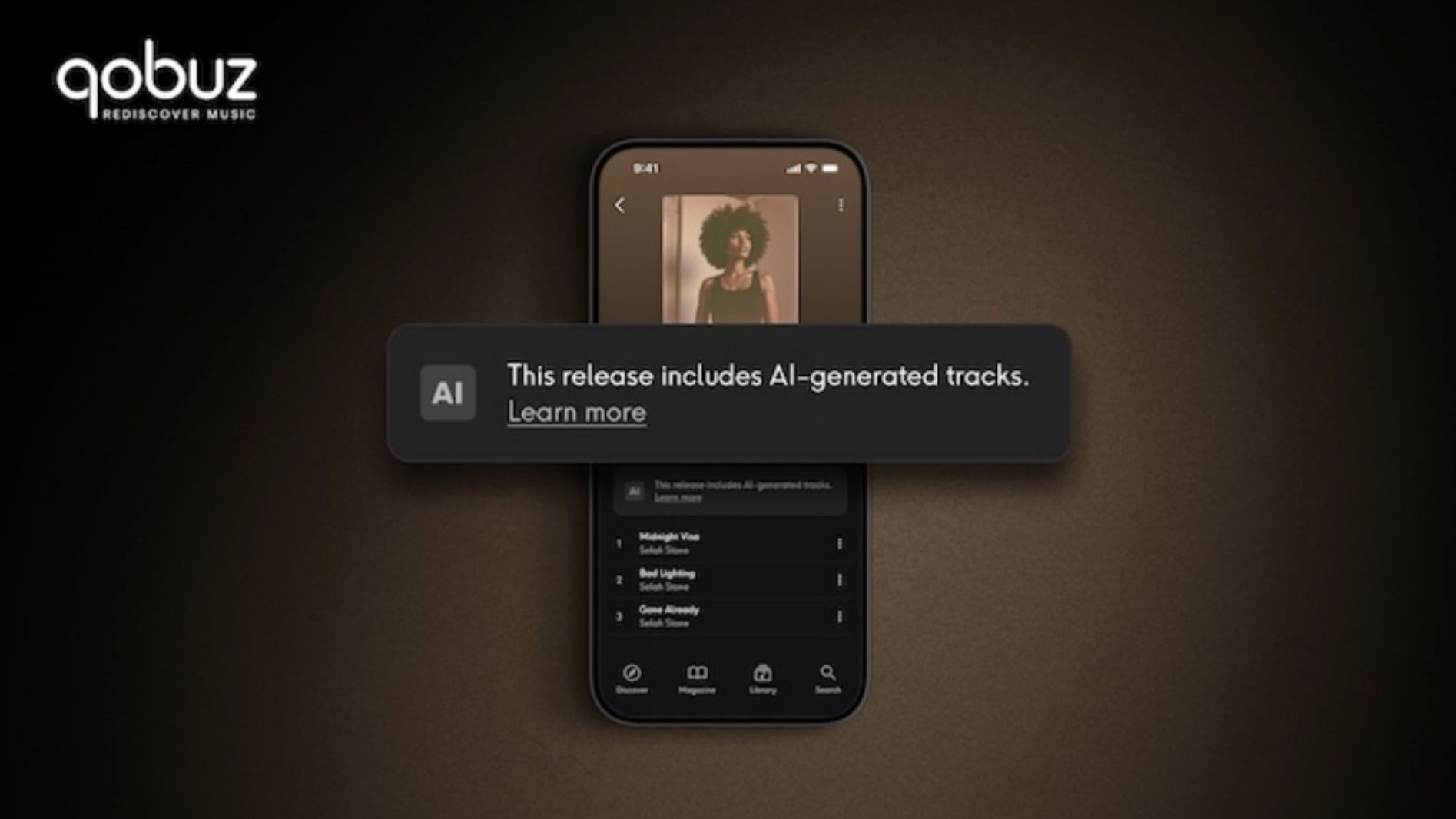
Under the new policy, any content identified by Qobuz’s detection systems as having been generated by artificial intelligence will receive a clear, user-facing label. This visual indicator is designed to provide listeners with immediate clarity regarding the provenance of the audio they are streaming. Beyond simple labeling, the platform is taking proactive steps to curate its ecosystem: content flagged as AI-generated will be strictly excluded from all editorial features, including the "Qobuzissimes" selections, "Albums of the Week," and various curated playlists and algorithmic recommendations.
Georges Fornay, the Deputy CEO of Qobuz, emphasized that the objective is not merely the detection of synthetic tracks but the empowerment of the consumer. "Today, the challenge is no longer just detecting AI-generated music but enabling listeners to identify it clearly," Fornay stated. "At Qobuz, this transparency—which is our hallmark—comes with a core conviction: musical discovery must remain guided by human choices. Everyone should be able to know what they are listening to and make informed choices."
A Timeline of AI Integration in Streaming
The rapid influx of AI-generated audio into streaming platforms over the past 24 months has forced a regulatory scramble within the music industry.
- Early 2023: The "Heart on My Sleeve" viral track, featuring AI-synthesized vocals mimicking Drake and The Weeknd, exposed the vulnerability of digital streaming platforms to deepfake audio, sparking industry-wide concerns regarding copyright and attribution.
- Late 2023: Major labels began formalizing agreements with streaming services to implement detection technologies. Spotify and Deezer, among others, initiated pilot programs to identify and isolate synthetic tracks.
- Early 2024: Qobuz solidified its internal "AI Charter," outlining a strict policy that prioritizes human artistic labor over algorithmic output.
- Mid-2024: The current rollout of mandatory tagging represents the operationalization of the charter, as Qobuz aligns its interface with the realities of modern audio production.
Other industry leaders have adopted varied approaches to this technological shift. While Tidal, Deezer, and Spotify have already implemented various forms of labeling for AI content, Apple Music has publicly committed to integrating "Made With AI" metadata before the end of the calendar year, reflecting a broader industry push for standardization in labeling synthetic media.
Data-Driven Perspectives on Market Saturation
The necessity for these tools is supported by empirical data regarding the prevalence of synthetic music. Qobuz reports that its current volume of AI-generated streams remains exceptionally low, accounting for approximately 0.38 percent of total consumption on its platform. This figure stands in stark contrast to broader market estimates; for instance, Deezer has previously reported that AI-generated or synthetic content constitutes between one and three percent of total music consumption on its service.
The correlation between AI-generated music and fraudulent activity is particularly striking. According to internal data provided by Qobuz, roughly 60 percent of the tracks identified as AI-generated were subsequently classified by the company’s fraud-detection algorithms as illegitimate. This often involves "bot-streaming" or the mass-uploading of synthetic, low-quality audio designed to siphon royalties from legitimate artists. To date, the platform has removed four million tracks from its search index that were identified as AI-generated and lacked any genuine listener activity, effectively sanitizing its catalog of "noise" that serves no artistic purpose.
The Implications for Royalty and Fair Compensation
A central pillar of the Qobuz strategy is the preservation of fair compensation for human artists. By removing fraudulent content, the platform ensures that royalty pools are not diluted by artificial tracks that do not contribute to the cultural ecosystem.
When Qobuz detects fraudulent practices—specifically, content created by AI with no human involvement—the policy is rigorous: the streams are excluded from financial reporting, the royalty payments for those tracks are suspended, and the content is purged from the platform entirely. This "zero-tolerance" stance on fraud is framed by the company as a "longstanding commitment to fair compensation," aiming to protect the economic viability of independent and professional musicians who rely on streaming revenue as a primary income stream.
Broader Industry Impact and Expert Analysis
The decision by Qobuz to prioritize human-curated discovery over the efficiency of AI-driven automation raises fundamental questions about the future of music consumption. Critics of AI-generated music often point to the "homogenization" of sound, where algorithmic compositions lack the emotional nuances and experiential depth inherent in human-made music.
British sound engineers have been vocal in recent forums regarding the dangers of this transition. Many argue that as streaming services become flooded with synthetic content, the perceived value of music—and by extension, the labor of the musicians behind it—is at risk of being fundamentally devalued. The argument is that by "discounting" our own emotional and experiential lives, we risk creating a feedback loop where machines create music for machines, and human listeners are increasingly alienated from the art form.
Furthermore, the integration of AI-tuned audio in personal hardware, such as wireless headphones and noise-cancellation algorithms, suggests that the "AI influence" is not limited to the music itself but also the delivery method. Industry executives expect that while AI may improve technical audio performance—such as frequency response and connectivity—it remains a supplementary tool rather than a replacement for the creative process.
The Consumer’s Role
As these labeling systems become standard, the power of choice shifts back to the listener. Qobuz’s move to label and filter content is essentially a bet on the value of human curation. The company is banking on the fact that their target demographic—audiophiles and music enthusiasts who value high-fidelity sound and intentional discovery—will appreciate the transparency and the removal of "filler" synthetic tracks.
Whether this model can scale to the size of larger, mass-market streaming platforms remains a subject of ongoing debate among analysts. While platforms like Spotify are often driven by massive scale and algorithmic personalization, services like Qobuz are carving out a niche based on the "human touch."
Ultimately, the rise of AI-generated music is forcing a re-evaluation of what constitutes "content" versus "art." By providing the tools for users to identify what is machine-made, Qobuz is allowing the market to decide the value of the synthetic medium. As the industry moves forward, the success of these transparency initiatives will likely be measured by whether they succeed in maintaining the trust of the listening public and protecting the livelihoods of the artists whose work remains the bedrock of the global music industry.