The Ultimate Home Cinema Calibration Guide: Testing Your Audio and Visual Equipment with Modern Masterpieces


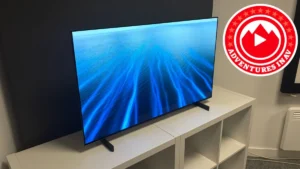
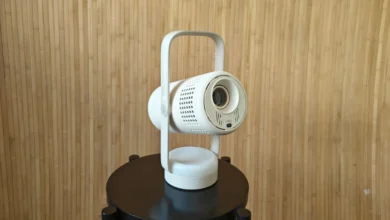
The pursuit of the perfect home cinema experience is a rigorous, ongoing technical endeavor that demands more than just premium hardware. Whether you are calibrating a new Dolby Atmos soundbar, fine-tuning an ultra-short-throw (UST) projector, or balancing the dynamic range of an OLED television, the source material is the most critical variable in the equation. During the annual awards testing cycle at our facility, our engineers and reviewers rely on a curated rotation of high-fidelity discs and streaming titles to stress-test equipment across various performance metrics, including color accuracy, black depth, spatial audio positioning, and peak brightness.
This month, the testing team has identified a selection of films and series that serve as benchmark content for discerning enthusiasts. By evaluating how modern displays and audio systems handle specific visual filters and complex soundscapes, users can better understand the capabilities—and the limitations—of their own home theater setups.
The Last Duel: Evaluating Contrast and Color Grading
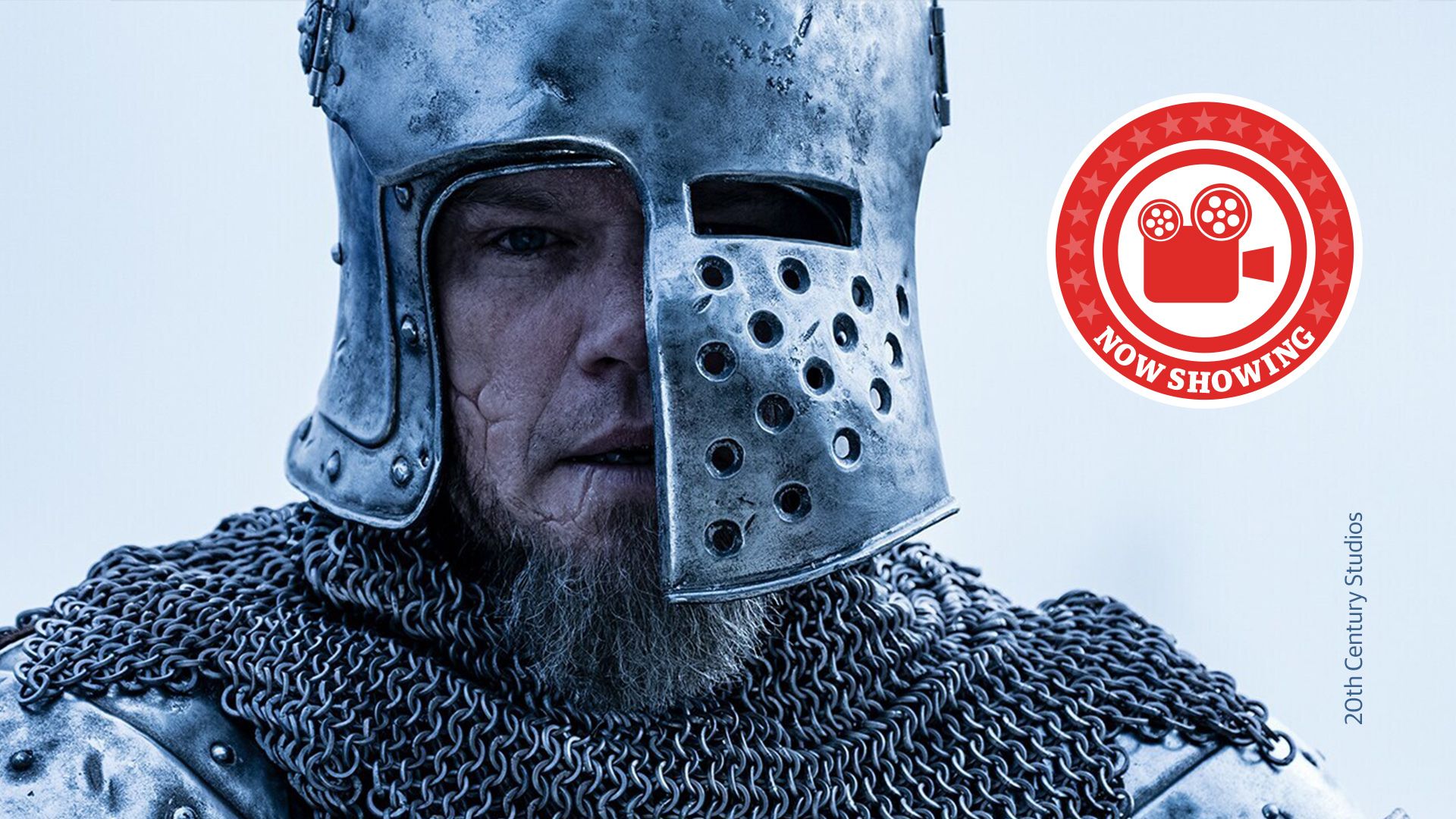
Ridley Scott’s 2021 historical epic, The Last Duel, serves as a sophisticated test case for display calibration, particularly regarding the handling of desaturated color palettes. Set in 14th-century France, the film’s cinematography, led by Dariusz Wolski, abandons the high-saturation approach often found in modern blockbusters. Instead, the production utilizes a deliberate, frosty blue-grey filter to establish a sense of historical bleakness and environmental coldness.
From a technical standpoint, this makes the film an ideal candidate for testing a display’s ability to render subtle gradients in shadow and mid-tone. For users, the challenge lies in the "crush" factor: if a television’s contrast settings are not precisely calibrated, the subtle blue and grey hues will collapse into muddy, uniform blacks. Achieving a proper balance allows the viewer to distinguish the textures of knightly armor and the nuances of the medieval landscape. Beyond its visual utility, the film’s triple-perspective narrative structure provides a masterclass in sound design, requiring a soundbar or home theater system to maintain dialogue clarity amidst the atmospheric noise of period-accurate combat.
Spider-Man: Brand New Day: Pushing Dynamic Range and Spatial Audio
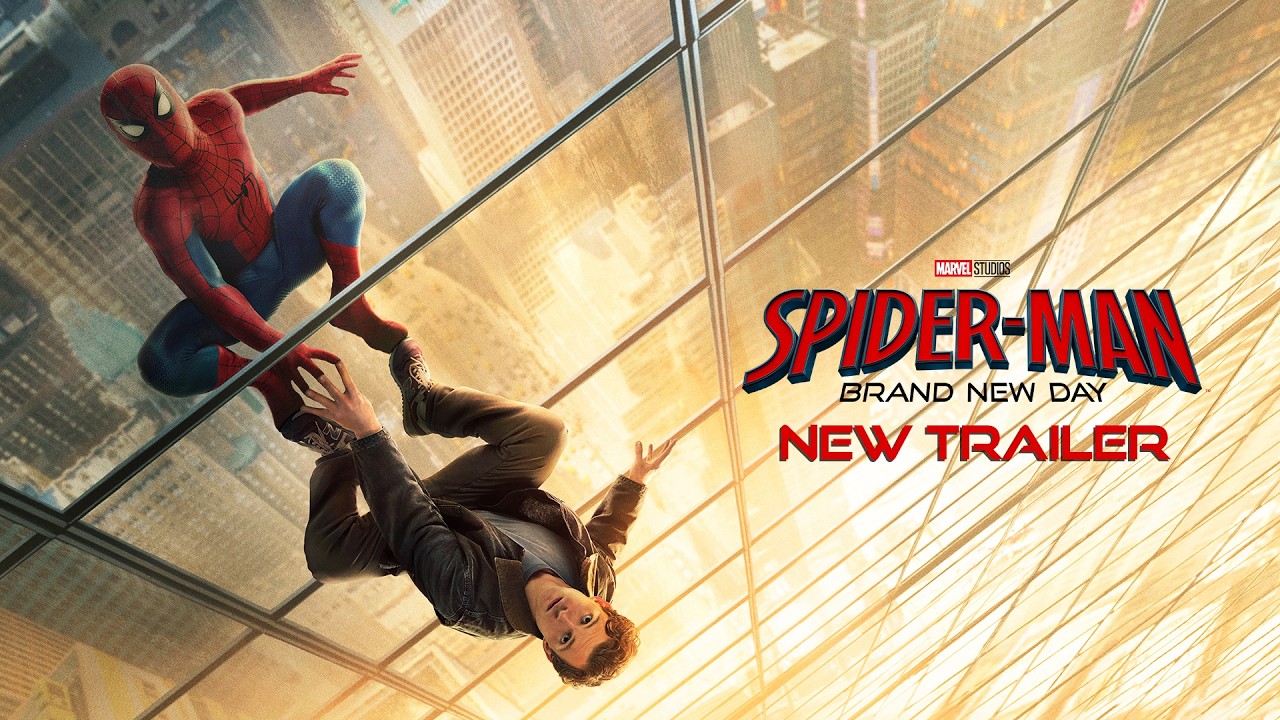
The 2026 release Spider-Man: Brand New Day has emerged as a significant commercial and technical juggernaut, grossing over $2.45 billion worldwide and surpassing major cinematic milestones. Directed by Destin Daniel Cretton, the film represents a shift toward a grittier visual aesthetic for the Marvel franchise, prioritizing street-level action over the high-tech, glossy spectacles of previous entries.
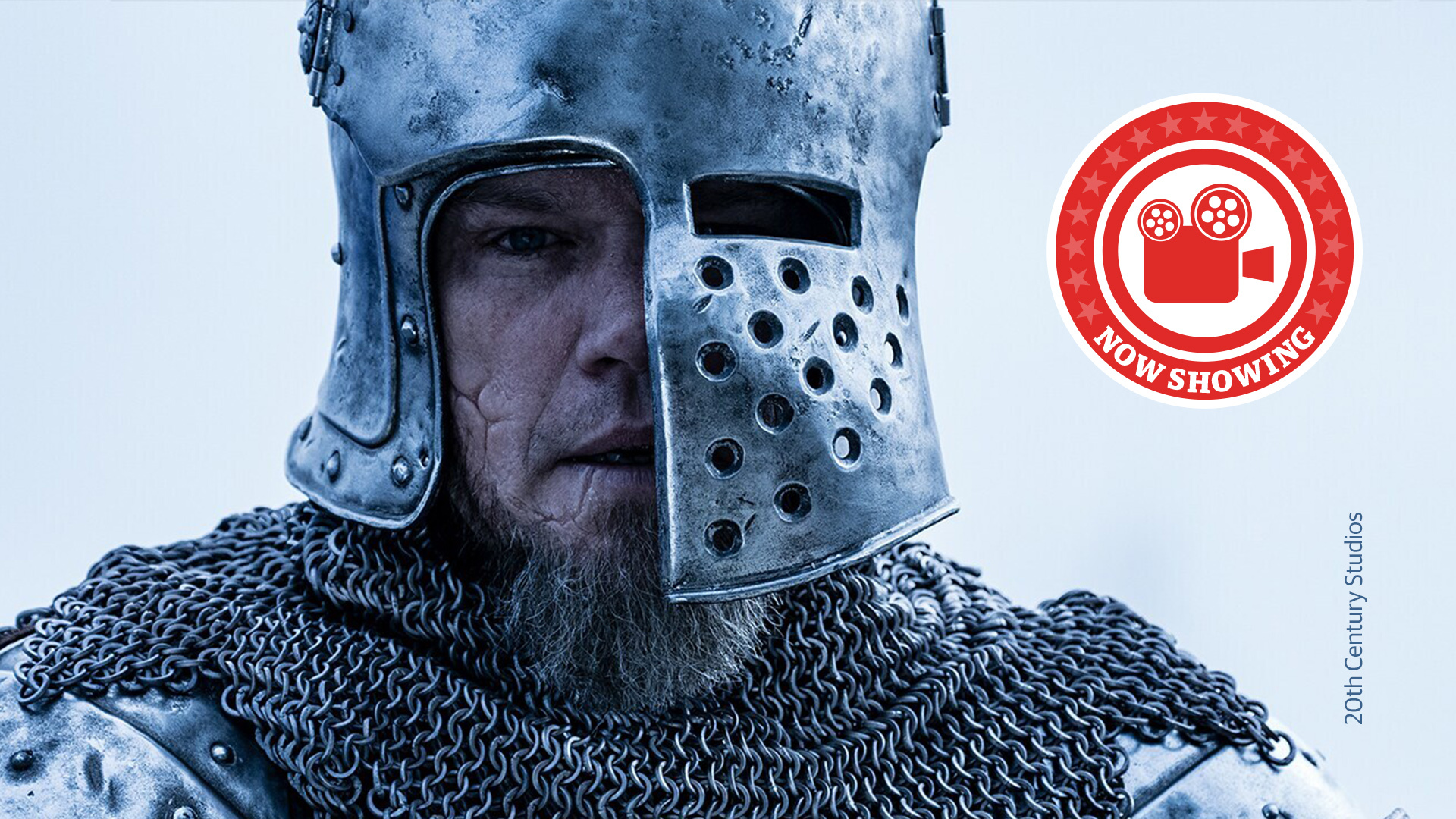
For the home cinema enthusiast, Brand New Day provides a comprehensive stress test for high-dynamic-range (HDR) capabilities. The film’s reliance on practical lighting and low-light environments necessitates a screen with high peak brightness to ensure that the contrast between the neon-lit city streets and the shadows of the urban landscape remains distinct. Furthermore, the soundtrack—featuring an eclectic mix of contemporary tracks by Tame Impala and Steve Lacy alongside Michael Giacchino’s score—offers a diverse testing environment for Dolby Atmos systems. The object-based audio allows for precise placement of ambient city noise, sirens, and the directional movement of web-swinging sequences. Testing this film on a multi-channel setup allows the listener to observe the precision of their overhead speakers and the depth of the low-frequency effects (LFE) channel during high-intensity set pieces.
Bumblebee: Bass Performance and Soundfield Immersion
Released in 2018, Bumblebee remains the gold standard for audio testing within the Transformers franchise. While the series is often characterized by overwhelming auditory volume, Bumblebee is frequently cited for its superior sound mixing and spatial awareness. The film’s opening sequence, which depicts a descent from space into an Earth-based training exercise, is a technical benchmark for bass response.
A well-calibrated subwoofer should handle the transition from the low-frequency rumble of the entry to the sharp, percussive sounds of the training drills without distortion or "booming." When tested on a high-end sound system, the atmospheric effects should feel localized; an effective system will accurately project the sound of aircraft flying overhead, creating a cohesive soundfield that integrates with the visuals on the screen. For those seeking to evaluate the separation between dialogue, music, and sound effects, the film’s balance is exemplary, providing a clear reference point for what a balanced home cinema audio profile should sound like.
Metal Lords: The Importance of Mid-Range Clarity
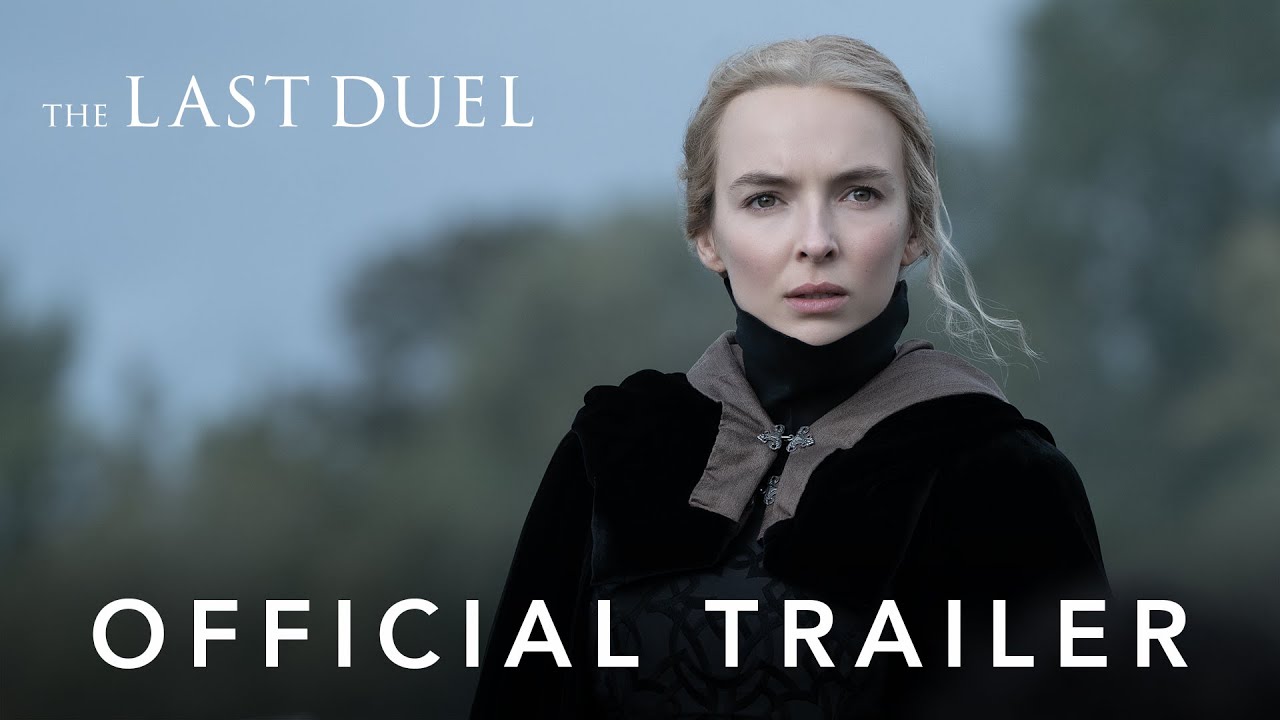
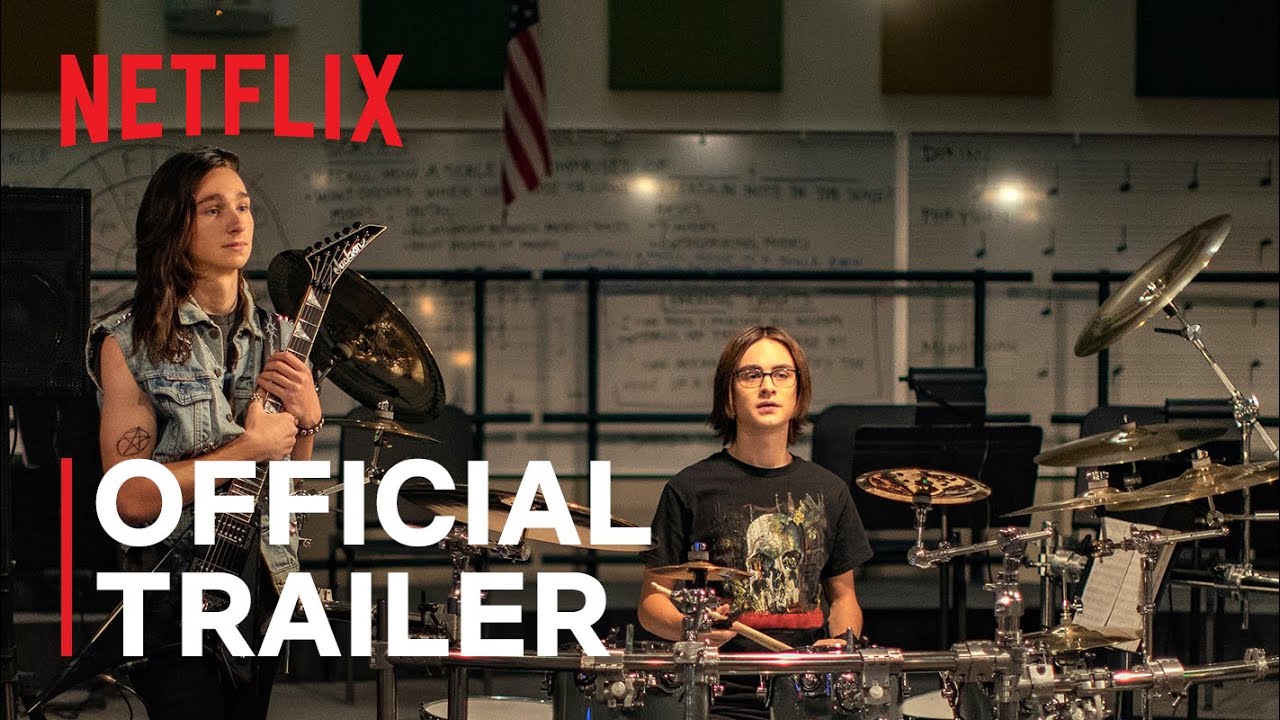
While not a technical "blockbuster" in the traditional sense, the 2022 film Metal Lords, directed by Peter Sollett, provides a unique opportunity to evaluate mid-range clarity and vocal frequency performance. The film’s narrative, which follows a group of high school students attempting to form a heavy metal band, places music at the center of the emotional experience.
For the home audio enthusiast, the focus here is not on earth-shattering bass, but on the accurate reproduction of string instruments and human vocals. The "Battle of the Bands" climax is particularly useful for testing the ability of speakers to handle the complex, layered frequencies of distorted guitars and percussion without the mix becoming congested. If a sound system is properly tuned, the distinct character of the instruments should remain identifiable even during high-tempo sequences. This level of sonic fidelity is essential for viewers who prioritize music performance as much as cinematic impact.
Slow Horses: Season 6: Mastering Shadow Detail and Ambiance
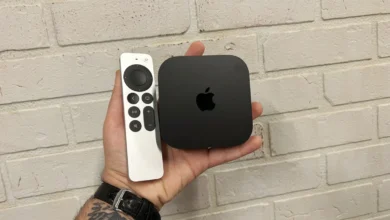
The sixth season of the Apple TV spy drama Slow Horses continues the series’ reputation for atmospheric, dry, and visually somber storytelling. As the series moves into its latest chapter, the production remains committed to its signature aesthetic: wet, overcast London streets, dimly lit safehouses, and high-contrast night scenes.
From a calibration perspective, Slow Horses is an essential test for OLED and high-end LED displays. Because much of the action takes place in shadows, the display must be capable of rendering "near-black" detail. If the display is improperly adjusted, the viewer will lose sight of the characters as they navigate these dark environments, rendering the visual narrative incomprehensible. The series also highlights the benefits of Dolby Atmos in non-action contexts. By using the technology to render the subtle, ambient sounds of a busy London office or the quiet hum of a city street, the show creates a sense of immersion that is often overlooked in favor of loud, bombastic action scenes. This makes it an ideal reference for those looking to fine-tune their system for subtle, dialogue-driven immersion rather than just explosive power.
Technical Implications and Calibration Best Practices
The transition from basic television speakers to a dedicated home cinema system requires a fundamental understanding of how these films interact with hardware. The process of "calibration" involves adjusting settings such as brightness, contrast, color temperature, and audio equalization to ensure the output aligns with the creator’s intent.
Visual Calibration Metrics
- Black Level (Brightness): Essential for titles like The Last Duel and Slow Horses. A proper setting ensures that the darkest parts of the image remain deep black without losing the details within those shadows.
- White Level (Contrast): Important for the high-intensity scenes in Spider-Man: Brand New Day. This ensures that the brightest highlights—such as explosions or bright light sources—do not lose their texture and become "clipped."
- Color Accuracy: Essential for maintaining the specific, desaturated looks chosen by the directors of these films.
Audio Calibration Metrics
- Spatial Positioning: Using the opening of Bumblebee to ensure that audio objects appear to move accurately through the soundfield, reflecting the visual action on screen.
- Dialogue Intelligibility: Using the dialogue-heavy sequences in Slow Horses and Metal Lords to ensure that speech remains clear and centered, regardless of background music or sound effects.
- Frequency Response: Utilizing the dynamic range of the soundtracks mentioned above to balance the high-end clarity of the music with the low-end authority of the LFE channel.
Future-Proofing the Home Cinema Experience
As streaming services continue to adopt higher bitrates and more advanced audio codecs, the necessity for regular equipment testing and recalibration grows. The transition from physical 4K Blu-ray media to high-bandwidth streaming has made it easier to access high-quality content, but it has also placed a greater burden on home network stability and hardware processing power.
By integrating these films into a routine testing cycle, enthusiasts can ensure their home cinema setups remain capable of delivering the immersive experience intended by modern filmmakers. Whether it is the subtle, grey-toned environments of a 14th-century duel or the complex, multi-layered soundscapes of a Marvel epic, the right content serves as the most effective tool in the kit of any audio-visual professional or home enthusiast.
For those looking to expand their test library, we invite our readers to consider these titles as the starting point. The goal is not merely to own the most expensive equipment, but to ensure that the hardware you possess is performing at its absolute peak. As industry standards evolve—with new developments in HDR10+, Dolby Vision, and immersive audio formats—the reliance on trusted, high-performance source material remains the bedrock of a superior viewing experience. We look forward to hearing your recommendations for future additions to our testing watchlist as the landscape of home entertainment continues to expand and diversify.