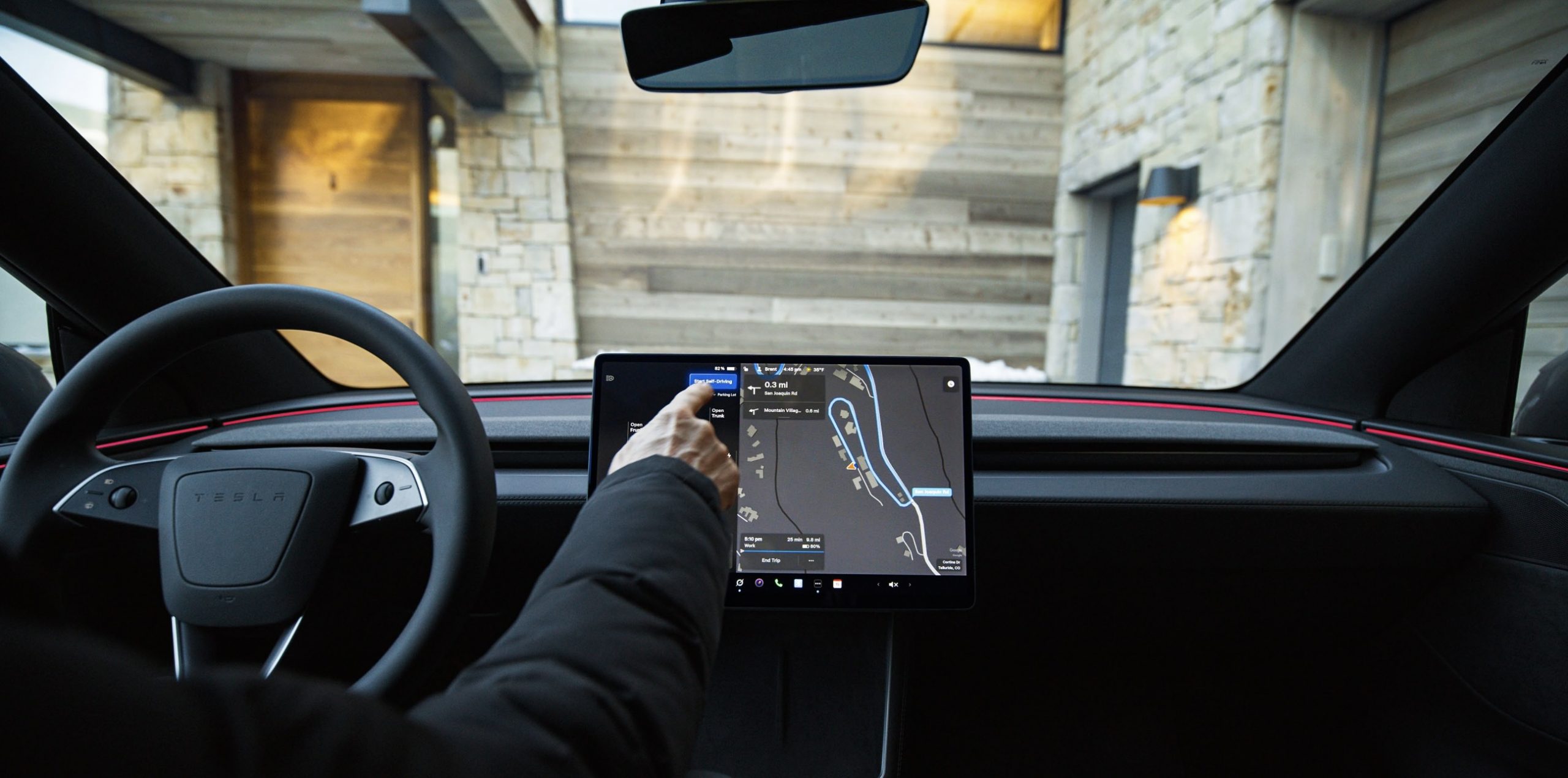
Elon Musk says your Tesla will start to learn your individual preferences

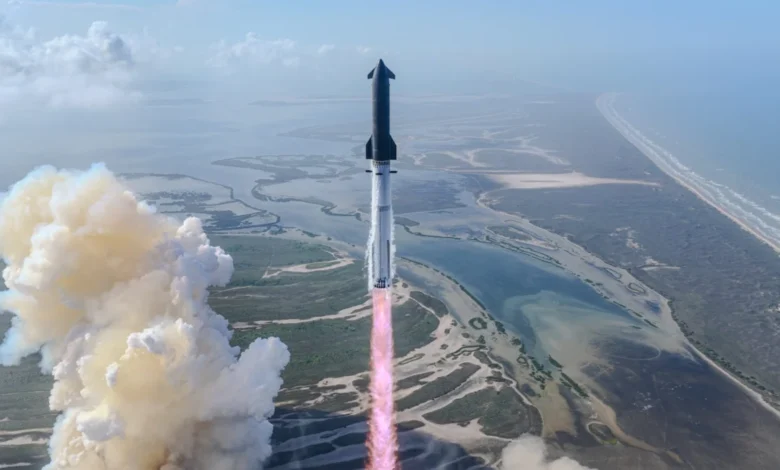
The scrubbed attempt on Thursday evening was a significant moment for the aerospace manufacturer, as it represented the first launch attempt since SpaceX transitioned into a publicly traded entity. The countdown had progressed smoothly through the propellant loading phase, with the Super Heavy booster and Starship upper stage fully fueled with more than 11.5 million pounds of sub-cooled liquid methane and liquid oxygen. However, as the automated sequence reached the ignition phase, four of the 33 Raptor 3 engines on the Super Heavy booster failed to ignite. This failure immediately triggered a "redline" abort, safely shutting down the remaining engines and initiating a de-fueling procedure.
Elon Musk, CEO of SpaceX, clarified the nature of the technical glitch shortly after the event via social media. Musk noted that while the abort was successful in preserving the vehicle, the failure of multiple engines necessitated a thorough inspection and hardware replacement. Specifically, two Raptor engines are being removed and replaced to ensure the integrity of the next flight attempt. This level of caution reflects the heightened stakes surrounding the Starship program, which has moved from experimental prototyping into a phase of operational demonstration.
Technical Objectives and Mission Profile of Flight 13
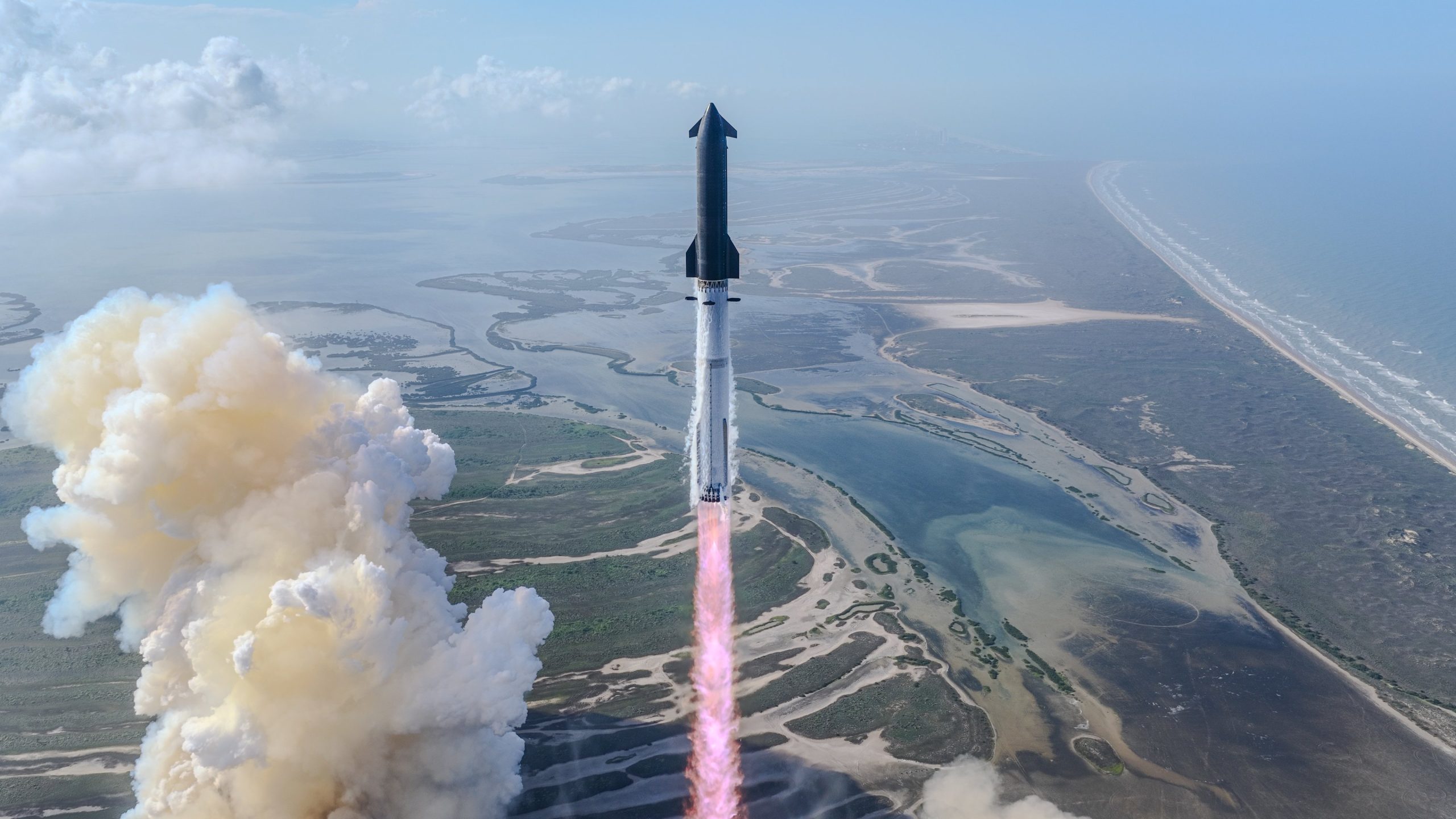
Flight 13 is designed to be a pivotal mission for the Starship program, introducing several "firsts" that aim to prove the vehicle’s commercial and operational viability. Unlike several previous flights, SpaceX does not intend to attempt a "catch" of the Super Heavy booster using the "Mechazilla" launch tower arms. Instead, the booster is expected to perform a controlled boostback burn and a landing flip before executing a soft splashdown in the Gulf of Mexico.
The primary focus of this mission lies in its payload and in-space maneuvers. For the first time, Starship is slated to carry an operational payload of 20 Starlink V3 satellites. This marks a transition from purely aerodynamic and thermal testing to functional cargo deployment. The Starlink V3 satellites are significantly larger and more capable than previous iterations, and their successful deployment is essential for SpaceX’s goal of expanding global broadband capacity. Notably, six of these satellites are equipped with specialized external camera systems designed to monitor Starship’s thermal protection system (TPS) during the intense heat of atmospheric reentry. This self-inspection technique provides engineers with high-resolution, real-time data on how the heat shield tiles perform under plasma loads, a critical factor for achieving full reusability.
Another critical milestone for Flight 13 is the planned in-space relight of a single Raptor engine. During Flight 12 in May 2026, SpaceX opted to skip this maneuver after an engine issue was detected during the ascent phase. A successful relight in the vacuum of space is a prerequisite for orbital deorbit burns, complex satellite deployment missions, and future deep-space voyages to the Moon and Mars. If successful, the Starship upper stage will eventually target a controlled splashdown in the Indian Ocean, concluding a trajectory that spans nearly half the globe.

A Chronology of Starship Development and Recent Iterations
The road to Flight 13 has been characterized by rapid iteration and a "fail fast, learn faster" philosophy. The Starship program has evolved through several distinct phases:
- Flights 1 & 2 (2023): These early missions focused on clearing the pad and testing the stage separation mechanism. While both ended in vehicle loss, they provided the data necessary to refine the "hot-staging" technique now used by the vehicle.
- Flights 3 through 5 (2024): These flights demonstrated successful stage separation and the first instances of the upper stage reaching orbital velocity. They also tested the payload bay door (the "Pez" dispenser) and propellant transfer technologies.
- Flights 6 through 12 (2025-2026): This era saw the introduction of the Raptor 3 engine, which features a simplified design with integrated cooling channels and higher thrust-to-weight ratios. Flight 12, while successful in many aspects, encountered a 90-degree off-course deviation during the boostback burn when five engines failed to reignite, highlighting the continued need for propulsion system refinement.
The transition to "V3" hardware represents a significant leap in Starship’s capability. The Version 3 ships are taller, hold more propellant, and are optimized for mass production. Flight 13 utilizes these V3 enhancements to support the increased weight of the Starlink satellites while maintaining the margins necessary for experimental maneuvers.
The Financial Landscape: SpaceX as a Public Entity
The timing of Flight 13 carries immense weight due to SpaceX’s recent debut on the public markets. In June 2026, the company completed a historic Initial Public Offering (IPO), listing under the ticker symbol SPCX at an initial price of $135 per share. The IPO raised approximately $75 billion, making it one of the largest financial events in corporate history and valuing the company at an unprecedented level for an aerospace firm.
Public investors now have a direct stake in the success of the Starship program. While SpaceX has historically operated with a high tolerance for risk and "planned explosions" during testing, the expectations of the public market introduce a new layer of scrutiny. Analysts suggest that the T-zero abort on July 16, while technically a "success" in terms of safety protocols, may have caused temporary jitters among shareholders. A successful Flight 13 on July 20 would likely stabilize investor confidence and validate the $75 billion valuation by demonstrating that Starship can reliably deliver payloads to orbit.
The pressure to perform is further compounded by SpaceX’s contractual obligations to NASA. Under the Artemis program, Starship is the designated Human Landing System (HLS) for the Artemis III and IV missions, which aim to return humans to the lunar surface. Any significant delays in Starship’s development timeline could have cascading effects on NASA’s broader lunar architecture.
The Broader Musk Ecosystem: The Texas Ranch and Product Gallery
As SpaceX pushes the boundaries of aerospace technology, Elon Musk is also making moves to preserve the legacy of his various enterprises. Recent land acquisition records in Bastrop County, Texas, reveal that Musk-affiliated entities have accumulated approximately 6,000 acres of land. Much of this is held through Horse Ranch LLC, an entity managed by Jared Birchall, the head of Musk’s family office and CEO of Neuralink.

Musk recently confirmed on social media that he is constructing a "product gallery" at his Texas ranch. This gallery is intended to serve as a comprehensive retrospective of his career, showcasing inventions and artifacts from his diverse portfolio. The timeline for the gallery spans from 1984—when a 12-year-old Musk sold the code for a game called Blastar for $500—to his current leadership of SpaceXAI, a new entity formed following the merger of SpaceX and xAI.
The gallery is expected to include:
- Early Software: Artifacts from Zip2 and X.com (which became PayPal).
- Transportation: Early Tesla Roadster prototypes, the 2012 Supercharger hardware, and the recently unveiled 2026 Cybercab.
- Infrastructure and Space: The Boring Company’s "Not-a-Flamethrower," early Falcon 1 components, and the Starship V1 prototypes.
- Cultural Artifacts: Items like "Burnt Hair" perfume and Tesla "Short Shorts," which represent the unconventional marketing strategies that have defined Musk’s public persona.
This project coincides with high praise from financial leaders. JPMorgan CEO Jamie Dimon recently compared Musk to Albert Einstein, a remark that signaled the end of a long-standing public feud between the two executives. Dimon’s comments at the World Economic Forum highlighted the cumulative impact of Tesla, SpaceX, and Neuralink on the global economy and scientific advancement.
Future Implications and the Path Forward
The outcome of Flight 13 on Monday will serve as a bellwether for the next decade of space exploration. If the mission successfully deploys the Starlink V3 satellites and achieves a controlled reentry, it will prove that the world’s largest rocket is no longer an experimental vehicle but a functioning commercial platform.
Following Flight 13, SpaceX plans to accelerate its launch cadence. The company has stated its goal of launching Starship dozens of times in 2027 to prepare for the orbital refueling tests required for the Artemis III lunar mission. Additionally, the integration of SpaceXAI suggests that future Starship iterations may feature advanced autonomous systems for deep-space navigation and habitat construction on Mars.
For now, the focus remains on the launch pad at Starbase. Engineers are working around the clock to complete the engine swap on the Super Heavy booster. As the Monday launch window approaches, the eyes of the global aerospace community—and now the global financial markets—remain fixed on the Texas coast, waiting to see if Starship can overcome its recent technical hurdles and take its next giant leap.