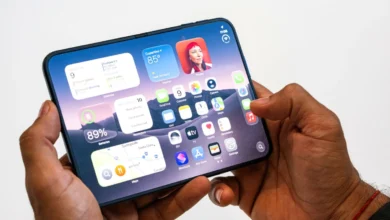
Score a free iPhone 18 Pro or iPhone 18 Pro Max at T-Mobile: here’s how to get it

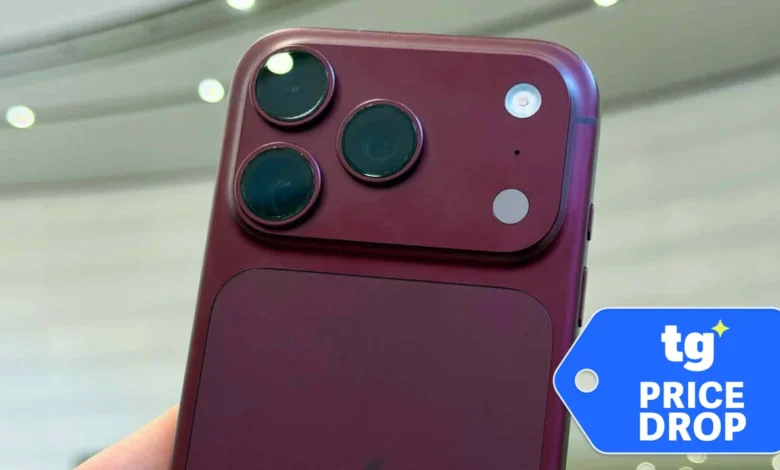
A New Chapter in Smartphone Hardware
The release of the iPhone 18 Pro series represents a strategic iteration in Apple’s hardware roadmap. Following years of incremental refinement, the 18 Pro series shifts focus toward maximizing computational efficiency through the A20 Pro chip. This silicon upgrade is designed to handle the increasingly demanding requirements of on-device artificial intelligence tasks and advanced computational photography.
The physical design language remains consistent with Apple’s established industrial design philosophy. Both models feature reinforced, aerospace-grade enclosures and proprietary glass technology that has consistently performed well in standardized stress tests. However, the differentiation between the two models centers on ergonomic preference and power management. The iPhone 18 Pro offers a 6.3-inch OLED display, catering to users who prioritize single-handed utility, while the 6.9-inch iPhone 18 Pro Max targets the power-user demographic, prioritizing screen real estate for media consumption and multitasking.
Promotional Landscape and Consumer Incentives
The shift in pricing strategy—a $100 markup across the board—has placed a premium on the accessibility of these devices. Consequently, carrier-subsidized promotions have become the primary mechanism for driving adoption. T-Mobile, for example, has positioned itself at the forefront of the market by offering the iPhone 18 Pro at no additional cost for consumers who switch providers and enroll in the "Experience Beyond" service tier. Similarly, the carrier is offering up to $1,200 in trade-in credits toward the iPhone 18 Pro Max, effectively mitigating the increased entry price for customers willing to commit to long-term service contracts.
These deals are not merely acts of goodwill; they are calculated responses to the saturated smartphone market. By bundling high-end hardware with premium service plans, providers are attempting to lock in subscribers for 24 to 36 months, ensuring recurring revenue that offsets the immediate loss on hardware margins. Analysts suggest that such aggressive trade-in programs are essential for Apple, as they lower the barrier to entry for users who might otherwise be discouraged by the rising costs of flagship technology.
Chronology of the Apple Silicon Evolution
To understand the significance of the A20 Pro chipset, one must view the iPhone 18 Pro within the context of Apple’s long-term hardware trajectory. Since the introduction of the A-series silicon, Apple has maintained a biannual rhythm of major architecture shifts followed by efficiency refinements.
- 2023-2024: Apple solidified its lead in mobile processing with the transition to 3nm processes, which allowed for significant improvements in thermal management and battery efficiency.
- Early 2025: Industry rumors began circulating regarding the integration of advanced neural processing units (NPUs) capable of handling real-time generative AI tasks directly on the device.
- Mid-2025: The announcement of the A20 Pro confirmed these suspicions, signaling that Apple is moving away from cloud-dependent AI to a privacy-first, local-processing architecture.
- September 2025: Official launch of the iPhone 18 Pro series, marking the first time the A20 Pro is available to the general public.
This timeline underscores the company’s pivot from simple hardware performance to ecosystem integration. The iPhone 18 Pro is not just a smartphone; it is an endpoint for a broader service strategy that encompasses cloud storage, media subscriptions, and integrated AI features.
Technical Specifications and Performance Metrics
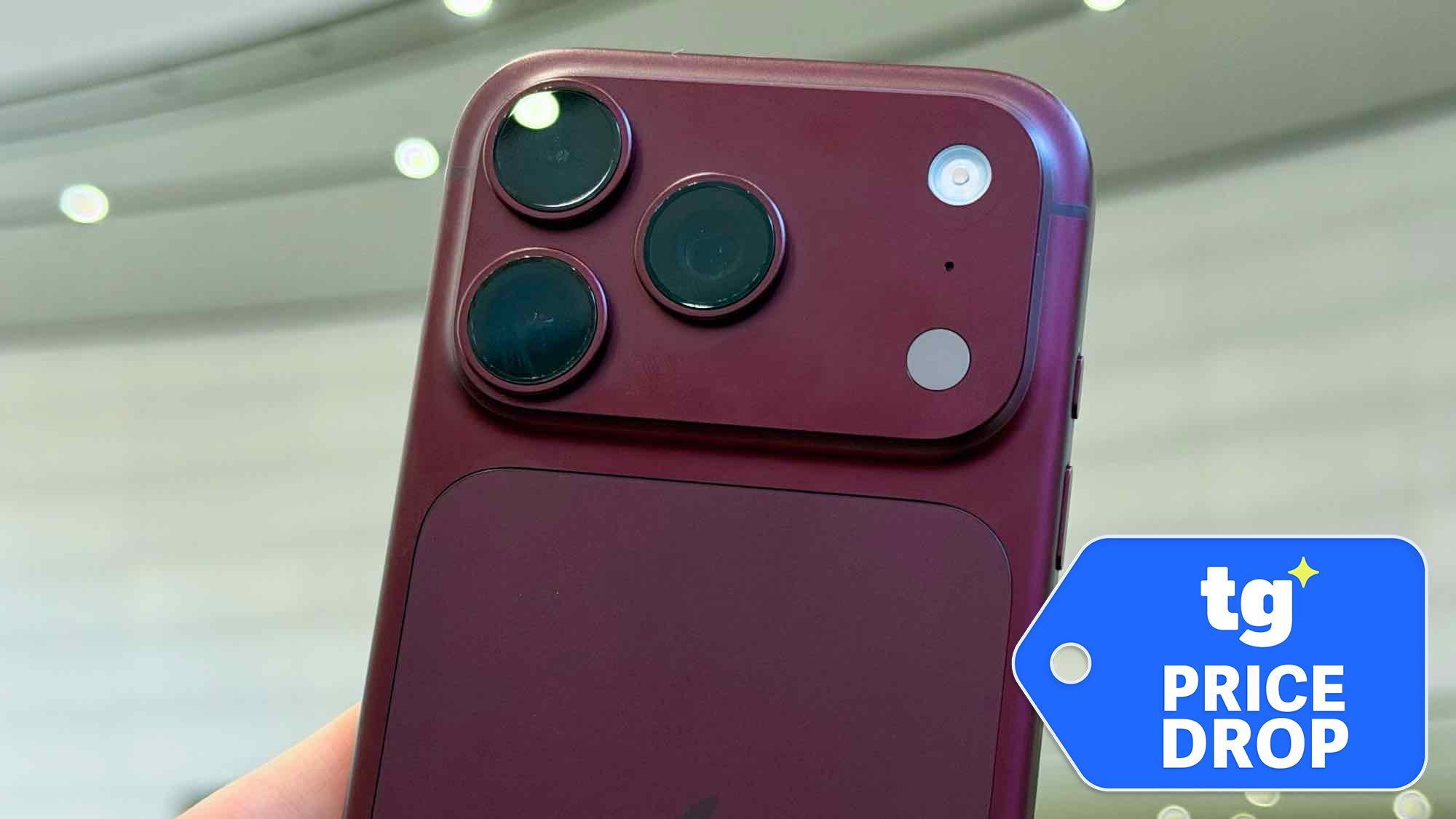
The shared DNA of the iPhone 18 Pro and Pro Max is most evident in their imaging capabilities. Both models feature a triple-camera array anchored by a 48MP main sensor. A notable addition this year is the variable aperture, which provides photographers with more granular control over depth of field and light intake. This technical leap effectively closes the gap between professional-grade mirrorless cameras and mobile devices, a trend that has been accelerating since the introduction of ProRAW formats several generations ago.
Battery performance remains the most critical point of divergence. Apple’s internal testing suggests that the iPhone 18 Pro Max is capable of 45 hours of continuous video playback, compared to 36 hours for the standard Pro model. While these figures are laboratory-tested and subject to real-world variables like network connectivity and background process intensity, they indicate a substantial lead for the Max model. For the average consumer, this means the difference between a phone that requires a mid-day charge during heavy usage and one that can comfortably survive a full day of travel and intensive productivity tasks.
Market Implications and Industry Outlook
The price hike accompanying the iPhone 18 Pro series is a clear indicator of the rising costs of semiconductor fabrication and the inclusion of more sophisticated sensor arrays. As manufacturing nodes become smaller and more complex, the cost of research and development for chips like the A20 Pro continues to climb. Apple’s decision to pass some of these costs to the consumer reflects a confidence in their brand loyalty, but the reliance on carrier deals suggests that the company is mindful of price sensitivity in the broader market.
From an industry perspective, the launch serves as a bellwether for the mobile sector. If Apple can successfully maintain strong preorder numbers despite the $100 price increase, it may embolden competitors to adjust their pricing strategies similarly. Conversely, if demand remains stagnant, we may see a pivot toward mid-tier devices or more flexible payment structures in the coming fiscal year.
Furthermore, the integration of advanced, privacy-focused AI is expected to define the software experience for the next decade. By keeping AI processing local via the A20 Pro, Apple is attempting to differentiate itself from competitors that rely on large language models (LLMs) hosted on external servers. This strategy has significant implications for data security and user privacy, which remain key pillars of the Apple value proposition.
Conclusion: A Strategic Upgrade
The iPhone 18 Pro and Pro Max represent a measured, yet significant, step forward in the evolution of mobile technology. By refining the hardware that users interact with most—the display, the camera, and the battery—Apple has produced devices that are highly capable tools for both professionals and casual users.
While the increased price point is a notable change, the robust availability of carrier incentives suggests that the market is ready to absorb the cost in exchange for the performance gains promised by the A20 Pro architecture. As the September 18 launch date approaches, the focus for consumers will shift from the initial excitement of the announcement to the practical realities of choosing the right model for their specific needs. For those currently using hardware that is three or more years old, the leap in performance and camera fidelity provided by the iPhone 18 Pro series represents a compelling case for an upgrade. As always, prospective buyers are encouraged to evaluate their current service contracts and trade-in options to secure the most favorable terms before committing to their next device purchase.
Related posts: