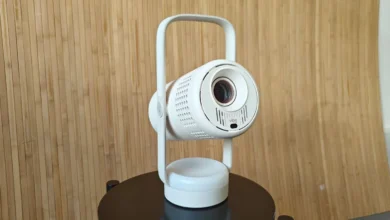
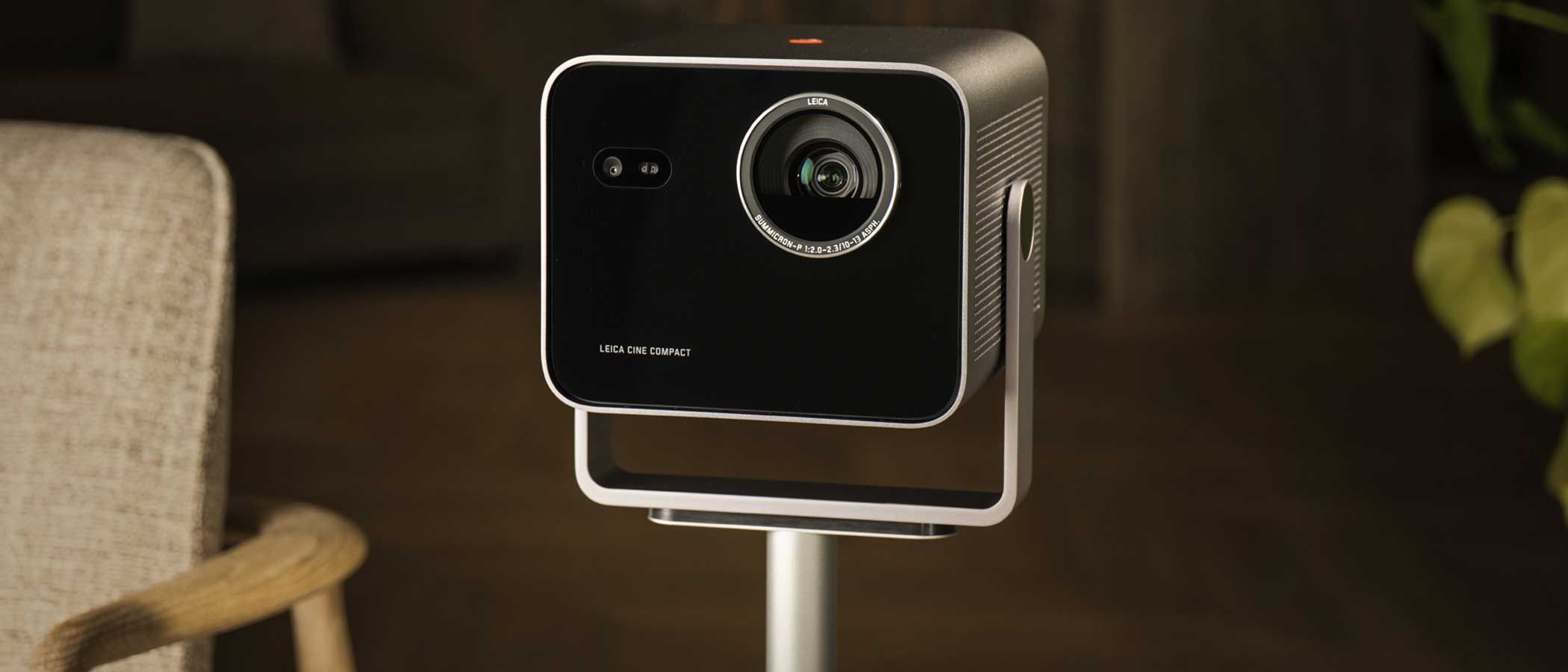
The Leica Cine Compact 1 represents a significant evolution in the German manufacturer’s foray into the smart home cinema market, blending its legendary optical heritage with the practical demands of modern, flexible living spaces. As the third installment in Leica’s Smart Projection division, the device arrives at a pivotal moment for the industry, where consumers are increasingly looking for high-fidelity alternatives to traditional television panels that do not sacrifice image quality for portability. Priced at $2,990, the Cine Compact 1 enters the market as a more accessible, agile sibling to the larger, premium-tier Leica Cine Play 1, aiming to capture the interest of enthusiasts who prioritize both brand prestige and real-world versatility.
The Evolution of Leica Projection
To understand the significance of the Cine Compact 1, one must look at the lineage of the Leica brand, which has long transcended its reputation as a high-end camera manufacturer. Founded in Wetzlar, Germany, in the 1860s, the company—originally under the Leitz name—pioneered the use of 35mm film in still photography. This heritage is deeply rooted in the physics of light and precision engineering. While the company achieved global recognition for its M-series cameras, its history with projection is equally storied; the first Leica slide projector was introduced in 1926, setting the gold standard for home image exhibition for decades. The return to the projection market with the Smart Projection division marks a strategic reentry into a space the brand once dominated, now updated for the digital age with triple RGB laser technology and proprietary image processing.
Technical Specifications and Optical Engineering
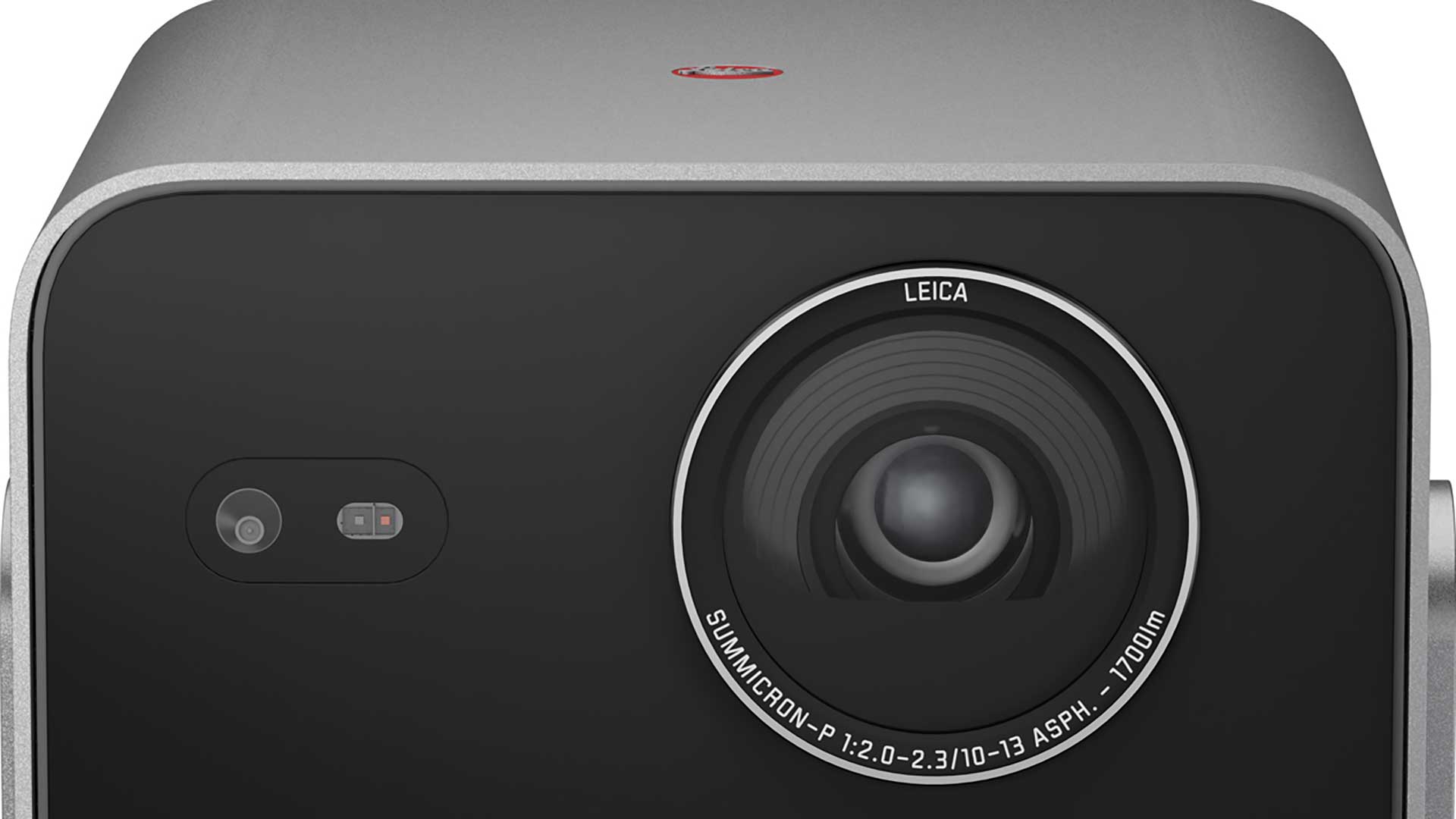
At the heart of the Cine Compact 1 is a 0.47-inch Pico DMD (Digital Micromirror Device) chip, which serves as the foundation for its 4K pixel-shifted output. The optical system is anchored by a Leica Summicron zoom lens, featuring aspherical elements specifically designed to minimize chromatic aberration and maximize sharpness. This is a crucial differentiator; while many compact projectors rely on polymer-based lenses that can degrade light quality, Leica’s integration of glass elements ensures color accuracy and edge-to-edge clarity.

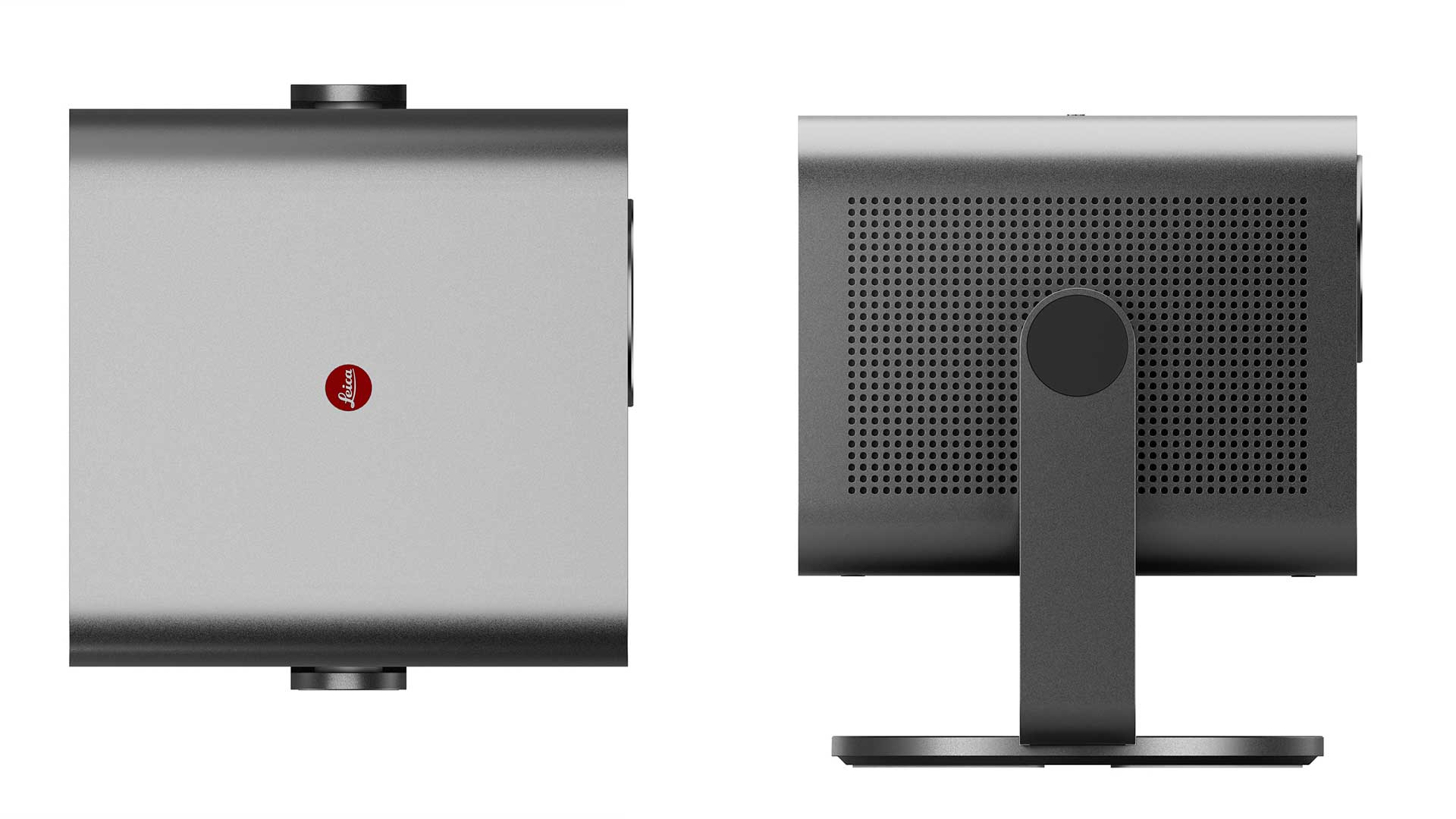
The projector is capable of reaching a peak brightness of 1,700 lumens, a specification that allows it to maintain a coherent, watchable image even in rooms with moderate ambient light. When the lights are dimmed, the device truly excels, utilizing its compatibility with Dolby Vision and HDR10+ to deliver a high-contrast cinematic experience that defies its 209 x 226 x 193mm frame. Weighing just 4.4kg, the unit is designed for mobility, supported by an integrated 360-degree rotation system that allows users to project onto walls or ceilings with ease.
Strategic Manufacturing and Industry Collaboration
The development of the Cine Compact 1 is the result of a deliberate collaboration between Leica and Hisense. This partnership, while often understated in marketing materials, leverages the scale of Hisense’s manufacturing capabilities with the refined optical and software tuning of Leica. Industry analysts note that this is a "two-way" arrangement: Leica provides its proprietary LIO (Leica Image Optimization) software and specialized lens hardware, while Hisense contributes the foundational chassis and internal electronics.
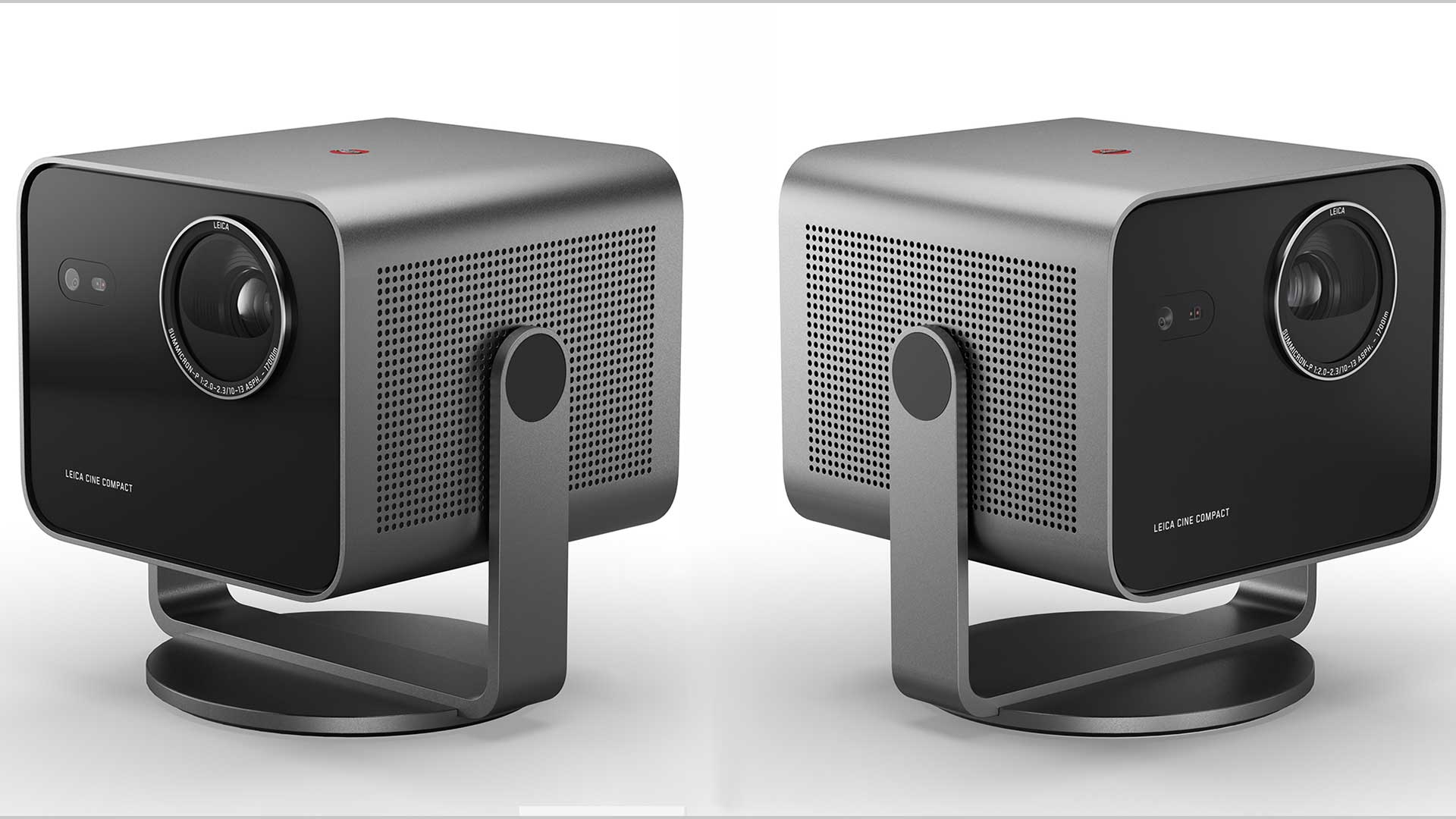
The result of this synergy is a device that benefits from the robust infrastructure of a global electronics leader while retaining the distinct "Leica look"—a color science profile that prioritizes natural skin tones and deep, nuanced contrast. During testing, it was noted that the Cine Compact 1 exhibits significantly reduced stray light levels compared to base-model projectors in the same class, a testament to the effectiveness of the modified light engine.
User Experience and the VIDAA Ecosystem
A central component of the Cine Compact 1 is the integration of the VIDAA operating system. In previous iterations, such as the Cine Play 1, the user experience was hampered by restrictive data-collection policies that required mandatory sign-ups. For the Compact 1, Leica has listened to consumer feedback. The interface is now more accessible; users are no longer required to create a formal account to access essential streaming applications, including Netflix, Disney+, and Amazon Prime.
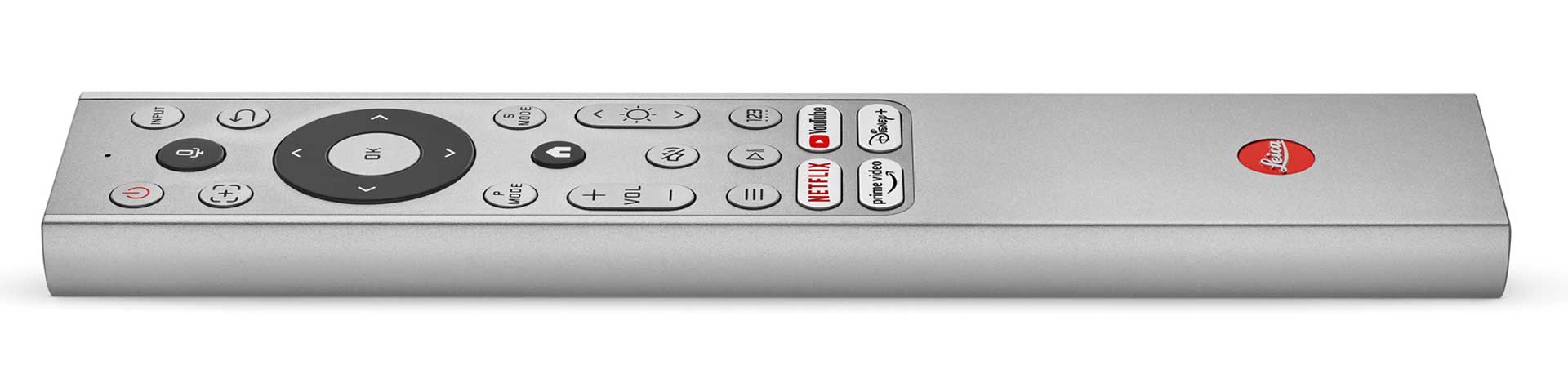
The software runs with improved responsiveness, and the inclusion of full support for Australian catch-up services and regional apps demonstrates that Leica is refining its software localization. The remote control, constructed from solid aluminum, mirrors the build quality of the projector itself. It features a wireless connection—eliminating the need for direct line-of-sight to the unit—and includes dedicated, albeit sensitive, hotkeys for major streaming platforms. While the proximity of these buttons can lead to accidental activation, the overall tactile experience is markedly superior to the plastic remotes typical of the portable projector segment.
Performance and Real-World Application
In practice, the Cine Compact 1 performs with a level of agility that makes it suitable for both dedicated home cinema environments and informal, multi-purpose rooms. The auto-setup features—including autofocus, keystone correction, and intelligent screen framing—are executed with speed and precision. When projecting onto a 100-inch screen from a distance of three meters, the image remains sharp, and the motion handling is generally robust.
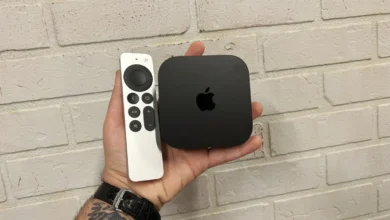
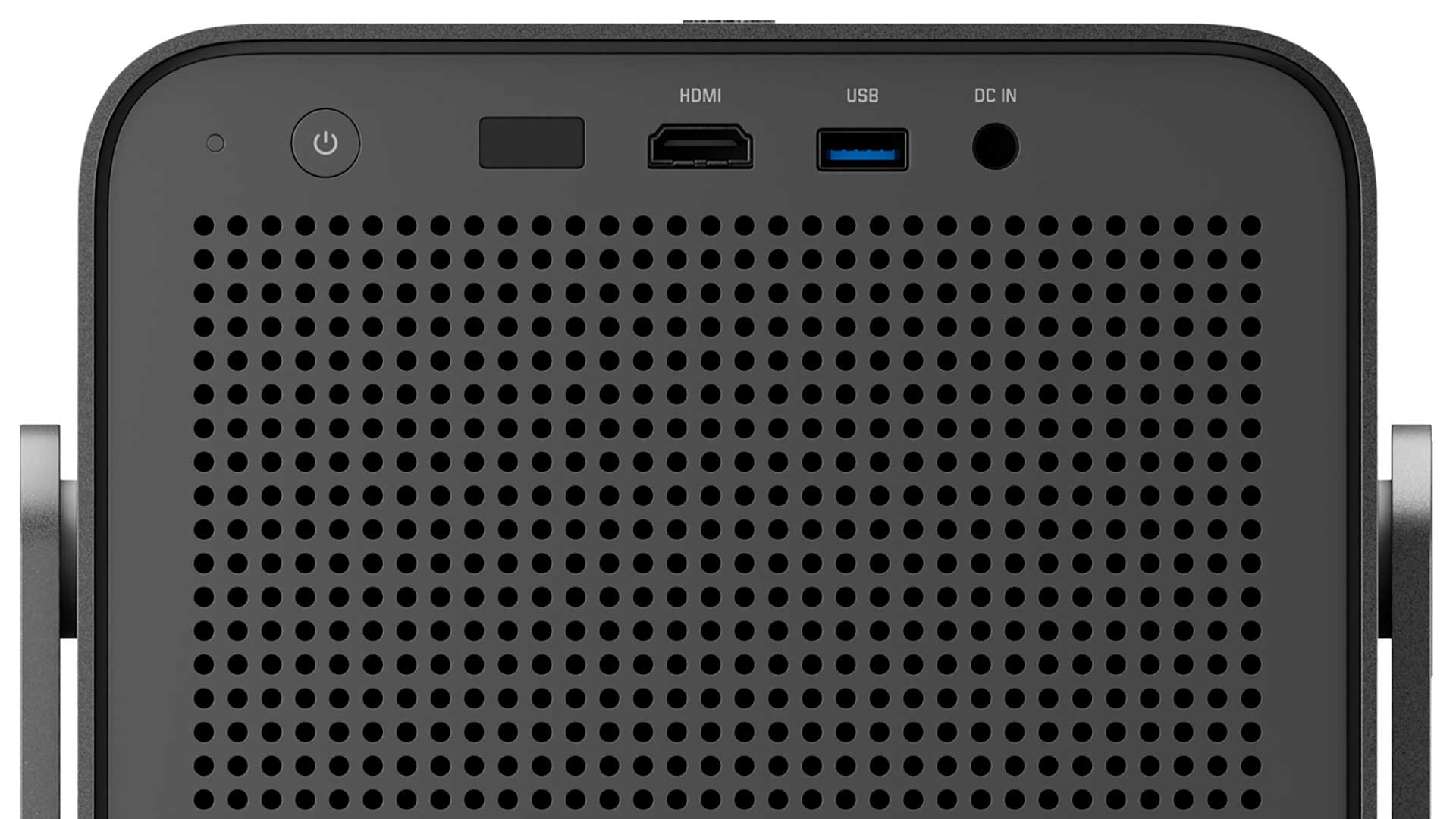
While the internal VIDAA interface defaults to a 60Hz output, which can cause subtle, infrequent judder when processing 50Hz content, the projector allows for advanced customization. For purists who demand perfect frame-rate delivery, connecting an external media player—such as an Apple TV 4K—via the HDMI 2.1 eARC port allows the device to match the source frame rate natively, effectively neutralizing the issue.
Regarding audio, the unit houses a 10W stereo speaker system. While it cannot compete with a dedicated surround-sound setup, it is surprisingly balanced for its size. For those requiring a more immersive soundstage, the eARC compatibility ensures a seamless handover to external soundbars or high-fidelity audio systems. Furthermore, the ability to stream audio via Bluetooth to wireless headphones provides a convenient solution for late-night viewing without disturbing others.
Broader Market Implications
The launch of the Leica Cine Compact 1 serves as a signal that the premium projection market is shifting toward "lifestyle" integration. By offering a high-performance device that does not require a complex, permanent installation, Leica is lowering the barrier to entry for high-end home cinema. The 3D mode, which supports DLP Link active shutter glasses, is a notable inclusion for a modern projector, catering to a niche but dedicated demographic of film collectors who retain extensive libraries of 3D media.
The pricing strategy—positioned significantly below the professional-grade ultra-short-throw projectors that can cost upwards of $10,000—suggests that Leica is targeting the demographic that currently invests in high-end 75-inch or 85-inch television panels but desires the larger, more immersive scale of a projection system.
Conclusion
The Leica Cine Compact 1 is a compelling proposition for those who demand portability without compromising on optical integrity. It succeeds by balancing the technological might of its partner, Hisense, with the unique, artisan-level image processing that defines the Leica brand. While there are minor quirks regarding software navigation and the sensitivity of the remote control, these are largely overshadowed by the device’s exceptional brightness, color accuracy, and ease of use. As the home cinema landscape continues to evolve toward smaller, smarter, and more versatile devices, the Cine Compact 1 stands as a refined, high-performance contender that bridges the gap between professional equipment and the modern living room.
Related posts: