Xiaomi Unveils the 18 Pro and 18 Pro Max Flagships with Cutting-Edge Snapdragon Processors and Innovative Rear Displays


Following the recent industry-wide semiconductor announcements highlighting the rollout of advanced mobile chipsets, technology giant Xiaomi has officially pulled back the curtain on its latest generation of flagship mobile devices. The newly introduced Xiaomi 18 Pro and Xiaomi 18 Pro Max represent a significant leap forward in the brand’s hardware engineering, combining top-tier processing power from Qualcomm’s newest silicon architecture with radical design modifications, massive battery capacity increases, and advanced artificial intelligence integrations.
Core Specifications and Hardware Architecture
At the heart of the newly minted flagship series are Qualcomm’s state-of-the-art mobile processors. The larger of the two variants, the Xiaomi 18 Pro Max, is powered by the top-tier "Extreme" iteration of the Snapdragon architecture, positioning it at the absolute pinnacle of mobile compute performance. Meanwhile, the standard Xiaomi 18 Pro relies on the robust, highly efficient baseline version of the new platform. Both silicon solutions are designed to deliver exceptional multi-core processing speeds, enhanced graphical rendering for mobile gaming, and dedicated neural processing units (NPUs) capable of handling complex on-device generative AI workloads.
Display technology has also received considerable attention. The Xiaomi 18 Pro Max features an expansive 6.9-inch panel that serves as an immersive canvas for media consumption and productivity tasks. The smaller Xiaomi 18 Pro utilizes a 6.4-inch display, marking a slight increase of 0.1 inches over its predecessor. Xiaomi’s engineering team managed this marginal size increase primarily by trimming the surrounding bezels rather than expanding the physical footprint of the phone; the updated Pro model measures a mere 0.7 millimeters taller and 0.2 millimeters wider than the previous generation, preserving ergonomic comfort in the hand.
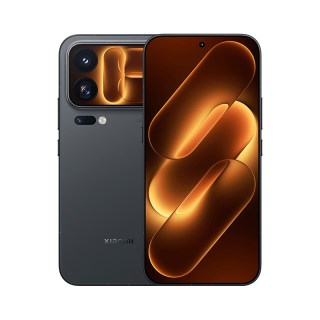
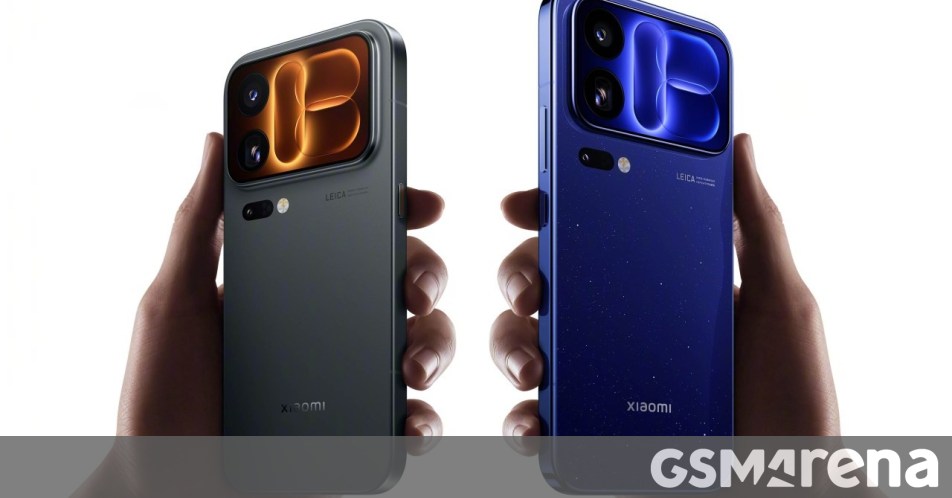
One of the most striking physical attributes of both devices is the integration of secondary displays embedded directly into their respective camera islands. The Pro Max houses a 2.9-inch rear screen, while the Pro model incorporates a slightly smaller 2.7-inch panel. Beyond functioning as high-resolution viewfinders for capturing selfies with the primary camera hardware, these auxiliary screens are tied directly to an innovative AI framework. According to company demonstrations, the onboard artificial intelligence can dynamically generate lightweight micro-applications tailored to run specifically on these rear panels, offering quick access to notifications, widgets, and utility tools without requiring the user to unlock the main display.
Imaging Systems and Sensor Evolution
Photography remains a primary battleground for high-end smartphones, and the Xiaomi 18 Pro series introduces a radical departure from the imaging hardware utilized in the previous generation. Both the Pro and Pro Max models have swapped out their predecessors’ 50-megapixel primary and periscope telephoto sensors in favor of ultra-high-resolution 200-megapixel alternatives.
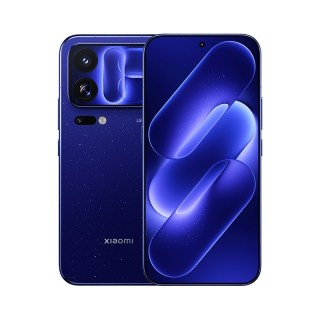
Specifically, the main camera on both devices now utilizes a 200-megapixel sensor built on a large 1/1.28-inch optical format, promising superior light gathering capabilities, enhanced dynamic range, and improved low-light performance. Similarly, the previous 50-megapixel 5x (115mm equivalent) periscope telephoto lens has been replaced by a 200-megapixel module offering a 3.2x (75mm equivalent) optical reach.
While optical magnification appears shorter on paper compared to the previous generation, Xiaomi’s deployment of a 200-megapixel sensor allows for advanced in-sensor lossless cropping. This digital zoom capability compensates for the shorter native focal length by providing high-detail magnification across a wider range of focal lengths. Both devices are rounded out by a pair of 50-megapixel sensors: one dedicated to ultra-wide-angle photography and another housing the front-facing selfie camera.
Substantial Battery Capacity and Power Management
Battery endurance has traditionally been a limiting factor for high-performance mobile devices equipped with large, high-refresh-rate displays and power-hungry processors. Xiaomi has addressed this challenge by significantly expanding the physical battery capacities across both new flagship models.
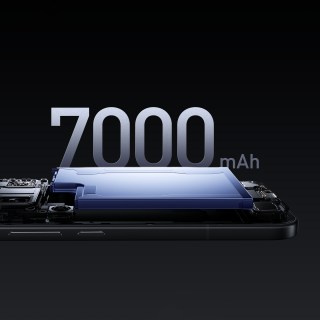
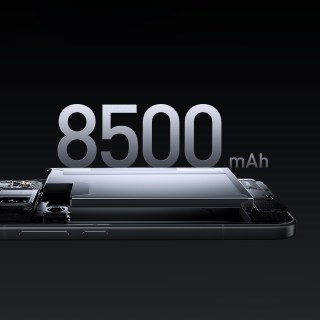
The Xiaomi 18 Pro Max is equipped with an 8,500mAh power cell, representing a substantial 1,000mAh increase over its immediate predecessor. The smaller Xiaomi 18 Pro houses a 7,000mAh battery, marking a 700mAh increase compared to the previous generation. These generational leaps in capacity underscore a broader industry trend toward maximizing energy density within slim chassis designs.
Logistical and regulatory questions remain, however, regarding how these high-capacity power cells will be distributed globally. Industry analysts are closely monitoring whether regional shipping regulations—such as those concerning lithium-ion battery transport thresholds in international markets like the European Union—will necessitate capacity adjustments for foreign export units, or if Xiaomi will adopt innovative packaging strategies similar to those utilized by competitors to bypass regulatory hurdles.
Pricing, Regional Availability, and Market Rollout
At the time of launch, official pricing figures are limited to the domestic Chinese market, where both devices are already available for purchase. The baseline Xiaomi 18 Pro, configured with 12GB of RAM and 256GB of internal storage, starts at CNY 6,000 (approximately $895 USD, £675 GBP, €785 EUR, or ₹85,800 INR). The higher-tier Xiaomi 18 Pro Max, featuring the same initial memory and storage configuration, commences at CNY 7,000 (approximately $1,050 USD, £790 GBP, €915 EUR, or ₹100,000 INR).

While currency conversions provide a baseline financial metric, global consumers can anticipate localized price adjustments to account for import duties, regional taxes, and logistical expenditures. Furthermore, minor discrepancies in regional release schedules have emerged. While official global corporate communications have explicitly confirmed that the Xiaomi 18 Pro series will see an international rollout, subsidiary channels—such as Xiaomi India’s promotional communications—have specifically highlighted only the standard Xiaomi 18 Pro for local introduction, leaving the global availability of the Pro Max variant subject to regional verification.
Industry Implications and Broader Market Context
The launch of the Xiaomi 18 Pro and Pro Max arrives amid a broader economic shift across the consumer electronics sector. Throughout the fiscal year, manufacturing costs for next-generation semiconductor components, advanced display panels, and high-density battery materials have trended upward. Consequently, upward price adjustments have affected not only tier-one flagships but have also permeated mid-range and entry-level device categories.

By positioning the Xiaomi 18 Pro series at a competitive domestic price point while integrating bleeding-edge features—such as dual 200-megapixel camera arrays, secondary rear-display utility applications, and exceptionally large power cells—Xiaomi is attempting to cement its dominance in the high-tier Android ecosystem. As competitors prepare their own responses to Qualcomm’s latest silicon platform, the market reception of the Xiaomi 18 Pro series will serve as a crucial barometer for consumer appetite regarding AI-driven hardware utilities, physical design innovations, and premium pricing thresholds in the global smartphone marketplace.