Apple Is Reportedly Developing a Screenless Fitness Tracker to Rival WHOOP and Fitbit

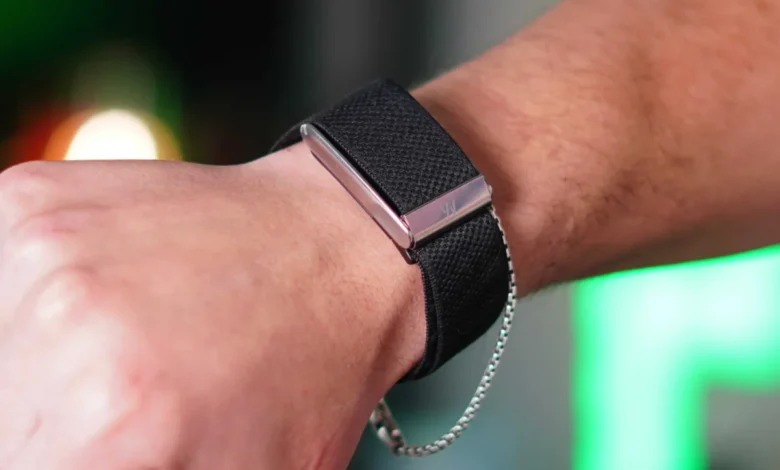
Apple Inc. is reportedly exploring the expansion of its wearable technology portfolio with the development of a screenless fitness tracker, a form factor popularized by market competitors such as WHOOP and Fitbit. According to recent reports citing industry insiders, the device would feature a minimalist design consisting of a thin fabric band housing a sensor-equipped computing module. While the project remains in its early developmental stages—with an anticipated commercial release window no earlier than 2028—the initiative underscores Apple’s growing interest in continuous health monitoring, distraction-free wellness tracking, and alternative form factors that can complement or compete with dedicated biometric bands.
Background and Context in the Wearable Market
The wearable technology landscape has shifted significantly over the past decade, moving from basic step-counters to advanced health-monitoring ecosystems. Apple currently dominates the smartwatch market with the Apple Watch, a device celebrated for its comprehensive fitness tracking, ECG capabilities, and integration with the iOS ecosystem. However, smartwatches also present distinct trade-offs, most notably battery life constraints and form-factor bulk, which can make them uncomfortable to wear continuously during sleep or high-intensity athletic training.
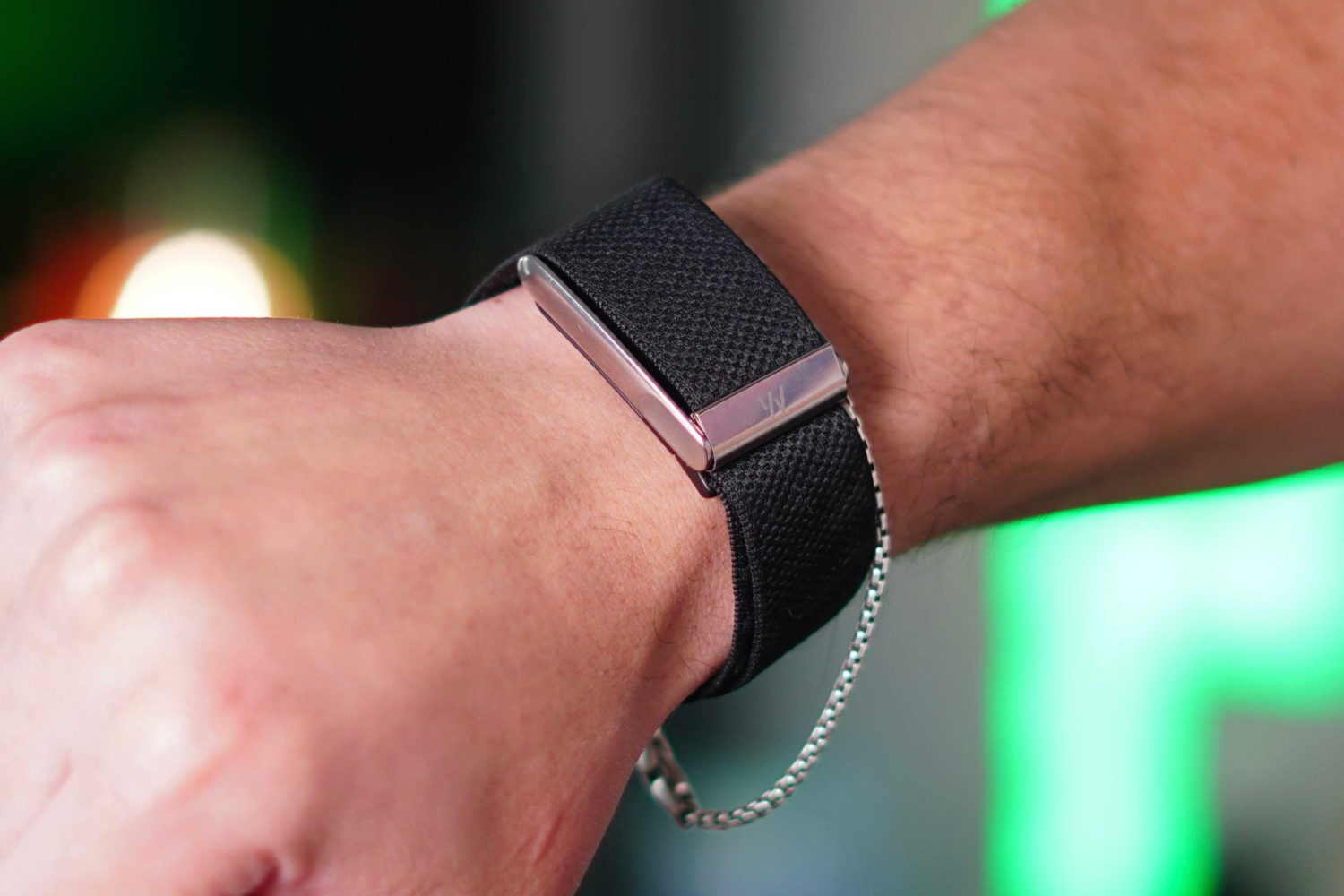
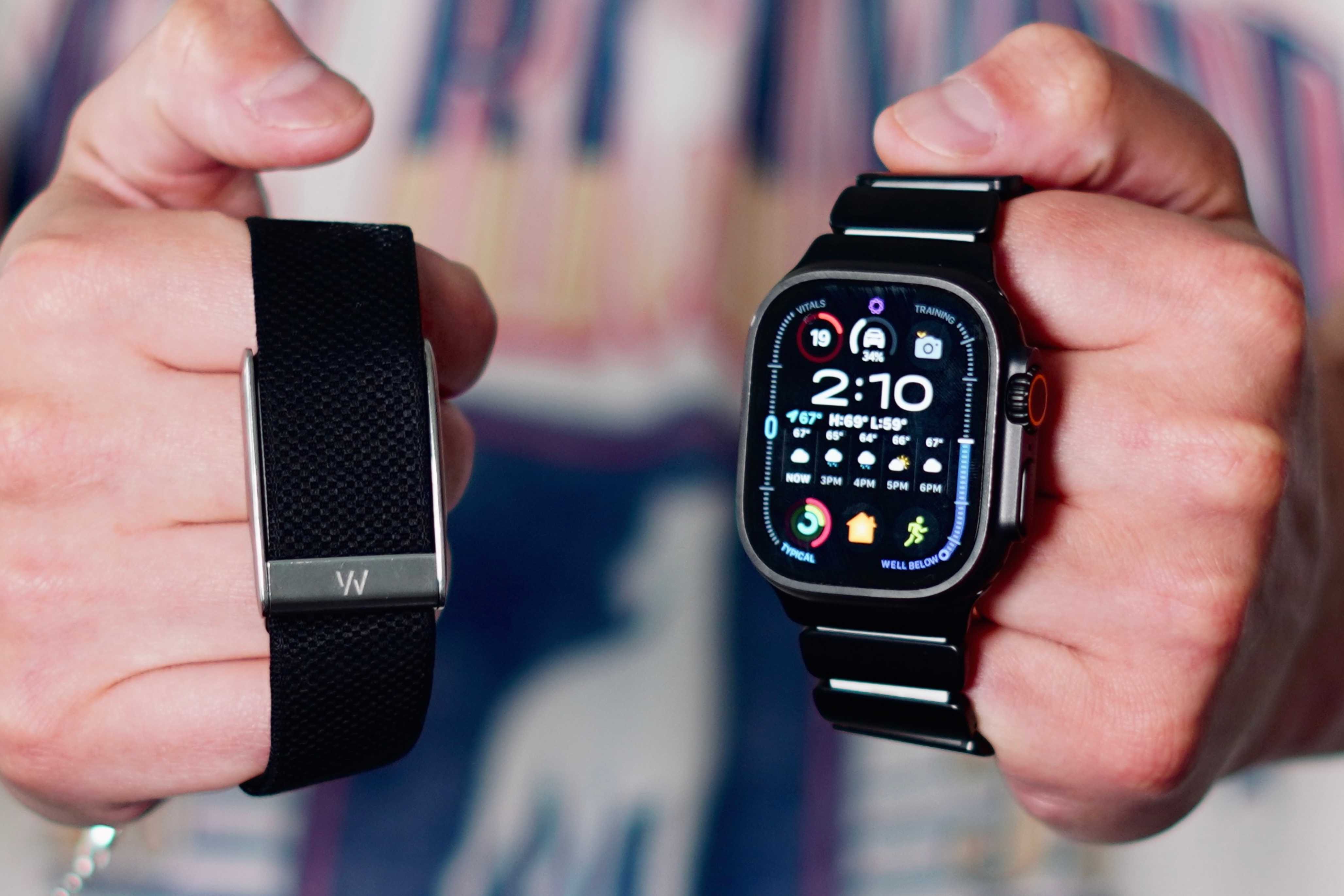
In contrast, screenless fitness bands—such as the WHOOP strap or the Fitbit Inspire/Air variants—have carved out a dedicated niche among athletes and health enthusiasts. These devices prioritize passive, 24/7 biometric data collection, including heart rate variability (HRV), sleep staging, skin temperature, and strain metrics, without the distraction of notifications, apps, or a glowing display. By removing the screen, manufacturers can achieve significantly extended battery lifespans, often lasting several days on a single charge, while offering a lighter, more discreet profile that users can wear comfortably alongside traditional timepieces.
Reports indicate that Apple’s conceptual device aims to capture this specific demographic. Described as a sleek, fabric-based band with an integrated computational core, the proposed tracker would likely integrate deeply with Apple Health and the company’s proprietary fitness algorithms, positioning it as a lightweight alternative to traditional smartwatches.
Chronology and Development Timeline
Speculation regarding Apple’s diversification of its wearable lineup intensified following supply chain leaks and internal reports.
- Early to Mid-2026: Industry analysts and trade publications began highlighting shifting consumer preferences toward continuous, screenless biometric monitoring. Competitors like WHOOP gained mainstream traction through strategic promotions, such as partnerships with major financial institutions like Chase, expanding their user base significantly.
- September 2026: Reports from prominent technology journalists outlined Apple’s nascent exploration of a screenless tracking band. Insiders noted that the hardware is in a preliminary research and development phase, meaning design specifications, sensor suites, and software interfaces are still fluid.
- 2028 and Beyond: Industry consensus suggests that if the project receives final executive approval and successfully transitions from R&D to mass production, a commercial launch would not occur until 2028 at the earliest. This timeline allows Apple ample runway to refine sensor accuracy, battery optimization, and integration with the broader health ecosystem.
Functional Challenges and Technical Considerations
While the screenless fitness tracker concept offers undeniable advantages in comfort and endurance, industry analysts point out several user-experience hurdles that Apple will need to address to succeed in this segment.
Chief among these challenges is workout logging and data categorization. Traditional fitness bands often rely on automated workout detection algorithms or require users to manually log activities via a companion smartphone application. For many users, pulling out a smartphone to start, stop, or categorize a workout introduces friction, particularly during spontaneous physical activities such as casual cycling, running, or impromptu gym sessions. Devices with screens, such as the Apple Watch, allow users to initiate tracking directly from the wrist with a single tap, syncing the data seamlessly to health records.
To bridge this gap, technology commentators and ergonomics experts suggest that Apple’s potential device would benefit from physical interaction points—such as a tactile button paired with a subtle LED indicator. Such features could allow users to manually signal the beginning and end of an exercise session without needing to interact with a smartphone interface in the moment, deferring detailed categorization to a later time. Alternatively, advancements in machine learning and predictive classification models could enable the device to accurately infer workout types based on motion data, heart rate spikes, and accelerometer patterns, minimizing manual user input entirely.

Market Implications and Competitive Landscape
The entry of a technology titan like Apple into the screenless fitness band market would carry profound implications for existing players. Companies like WHOOP, Oura, and Garmin have established strong footholds by targeting users who prioritize recovery metrics, sleep analysis, and aesthetic discretion over smart notifications.
An Apple-branded screenless tracker would leverage the robust security, privacy standards, and vast infrastructure of Apple Health, potentially appealing to consumers who are already embedded in the iOS ecosystem but have resisted purchasing an Apple Watch due to battery life limitations or personal preference for mechanical watches. Furthermore, a lower-profile, screenless device could potentially retail at a more accessible price point than flagship smartwatches, lowering the barrier to entry for health-conscious consumers.
Conversely, market incumbents are unlikely to remain stagnant. As biometric tracking becomes more sophisticated—incorporating non-invasive glucose monitoring, blood pressure trends, and advanced hydration metrics—competition will increasingly hinge on the accuracy of analytical software and actionable health insights rather than hardware form factor alone.

Broader Industry Outlook
As the boundaries between medical-grade diagnostics and consumer fitness technology continue to blur, Apple’s reported exploration of a screenless tracker reflects a strategic pivot toward modular health monitoring. Whether the product ultimately transitions from an internal research concept to a commercial reality will depend on technological breakthroughs in power efficiency, sensor miniaturization, and software intelligence.
For now, the development highlights a broader industry trend: the recognition that consumers increasingly demand personalized, frictionless health data collection that seamlessly integrates into their daily lives without demanding constant attention. As the wearable market matures toward the latter half of the decade, hardware manufacturers will continue to experiment with form factors that balance utility, discretion, and battery endurance.