High-Mileage Tesla Model 3 Passes 250,000 Miles as Experts Highlight the Surprising Durability of Modern Electric Vehicles

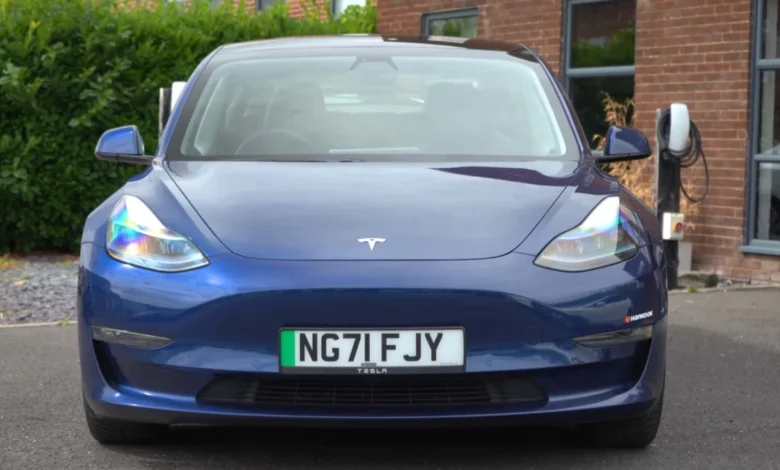
The long-term economic viability and mechanical resilience of battery-electric vehicles continue to be put to the test as more high-mileage examples enter the secondary market. For years, proponents of electric mobility have maintained that battery-powered automobiles possess a fundamental advantage over internal combustion engine vehicles: structural simplicity. Because an electric vehicle relies on significantly fewer moving parts than a traditional gas-powered car, the theoretical surface area for mechanical failure is drastically reduced. While early skepticism frequently centered on the longevity and degradation rates of expensive traction battery packs, empirical data compiled across the automotive industry suggests that modern energy storage systems are vastly outperforming initial consumer expectations.
Recent data focusing on contemporary battery technology manufactured after 2022 indicates that modern lithium-ion packs exhibit a remarkably low failure rate of just 0.3 percent. To test these assertions in the real world rather than in controlled laboratory environments, Richard Symons, proprietor of the United Kingdom’s largest used Tesla showroom, acquired a heavily utilized second-hand Tesla Model 3 that had previously spent its working life deployed as a commercial taxi. The objective of this acquisition was to evaluate how a high-mileage electric vehicle would withstand the relentless rigors of commercial fleet usage over an extended timeline, yielding insights that hold significant value for prospective second-hand EV buyers.
Anatomy of an Extended Real-World Test
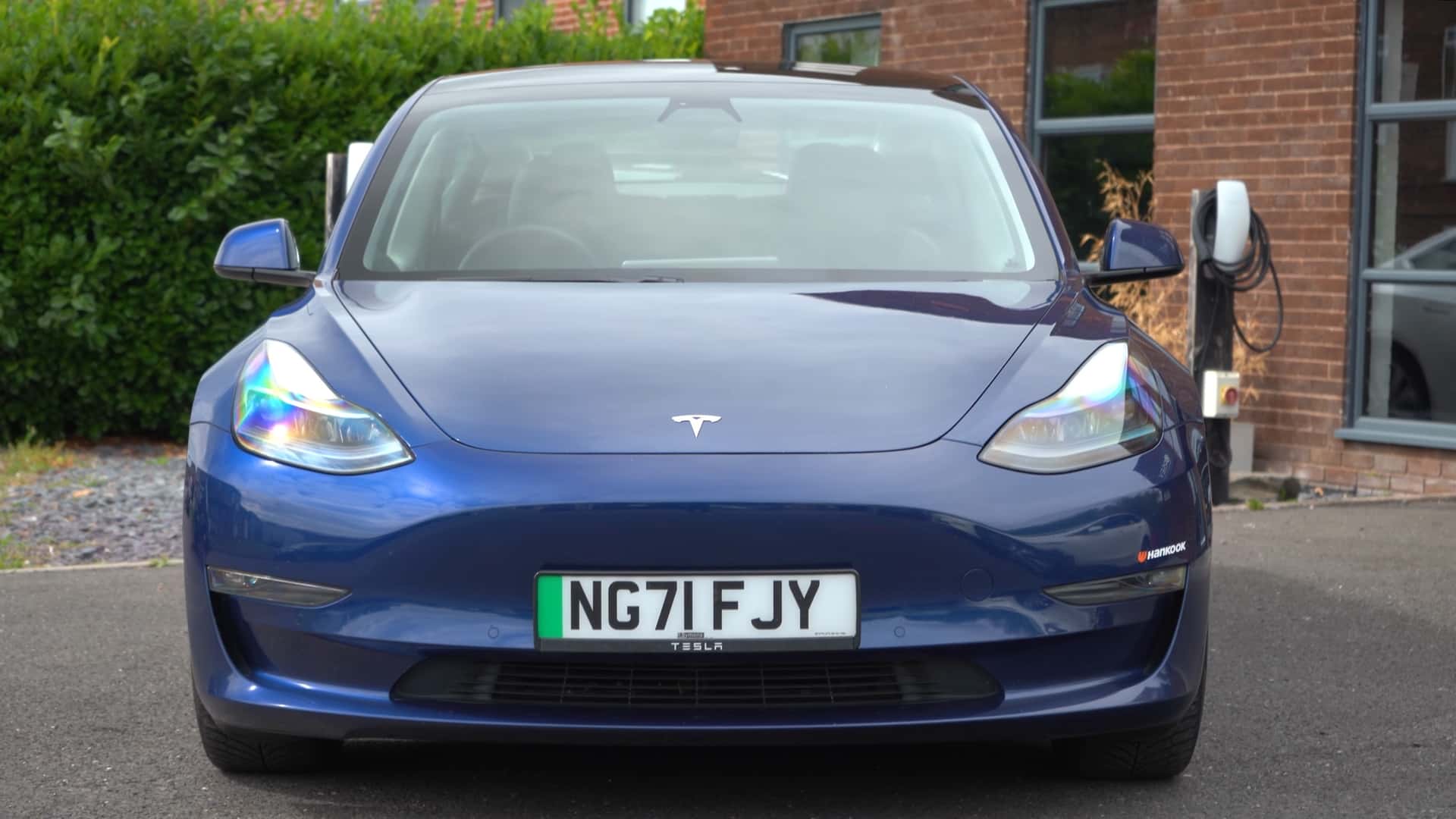
The subject of the evaluation was a 2021 Tesla Model 3 Long Range variant that recently surpassed the formidable threshold of 250,000 miles on its odometer. Given the punishing nature of taxi service—typically characterized by frequent start-stop cycles, heavy urban congestion, and continuous daily operation—conventional automotive wisdom would suggest that major mechanical or electrical overhauls would be inevitable. However, the diagnostic findings following this quarter-million-mile journey revealed a starkly different reality, challenging long-held assumptions regarding the operational lifespan of electric propulsion systems.
Throughout its grueling operational history, averaging approximately 150 miles of travel every single day, the vehicle required surprisingly minimal intervention to remain roadworthy. Beyond standard wear items such as six sets of tires, multiple sets of wiper blades, and various suspension bushings, the mechanical upkeep was remarkably sparse. Notably, the only distinct premature component failure recorded was an exterior front bumper speaker, which ceased functioning and necessitated a routine replacement. The primary powertrain architectures—including the high-voltage traction battery pack and the dual electric drive motors—remain entirely original to the vehicle, untouched since rolling off the factory assembly line.
Battery Health and Performance Retention
One of the most persistent anxieties surrounding long-term electric vehicle ownership is the prospect of severe battery degradation, which directly translates to diminished driving range and a drop in resale value. In the case of this high-mileage Model 3, however, the traction battery retains an impressive 84 percent of its original energy storage capacity. When translated into real-world operational metrics during favorable summer conditions, the vehicle is still capable of delivering approximately 284 miles of driving range on a single, full charge. For the vast majority of daily commuters and fleet operators, this range capacity remains more than sufficient for regular transportation needs.
Furthermore, the vehicle’s charging efficiency and high-speed replenishment capabilities have shown minimal signs of fatigue. During an evaluation session using a DC fast-charging Supercharger, connecting the depleted battery for just 11 minutes resulted in a 30 percent increase in the state of charge, translating to an immediate recovery of 85 miles of real-world driving range. Throughout Symons’ tenure of ownership, the high-mileage sedan maintained an impressive overall efficiency average of 4.15 miles per kilowatt-hour. When combined with strategic home-charging practices utilizing off-peak overnight utility tariffs or local solar photovoltaic generation, the operational fueling costs remain a fraction of what a comparable internal combustion engine taxi would incur.
Mechanical Preservation and Routine Maintenance
The cost of vehicle ownership is heavily dictated by routine maintenance and the replacement of consumable friction components. In traditional gasoline-powered vehicles, high mileage invariably triggers costly services involving timing belts, spark plugs, catalytic converters, transmissions, and comprehensive brake overhauls. The Tesla Model 3 under examination demonstrated a radical departure from these traditional expenditure patterns. Remarkably, the vehicle retains its original factory brake rotors, brake pads, brake fluid, and cooling system fluids, underscoring the efficacy of regenerative braking systems that convert kinetic energy back into electrical energy rather than wasting it as frictional heat.
The sole modification performed on the vehicle was the installation of an upgraded set of rear shock absorbers. While the factory original dampening components were still functioning within acceptable parameters, the swap was executed purely to optimize ride comfort for passengers. The cabin environment remains exceptionally well-preserved; the vehicle exhibits no structural squeaks or rattles, and its dynamic performance remains intact, retaining its ability to accelerate from zero to 60 miles per hour in a brisk 3.8 seconds.
Broader Industry Context and the Secondary EV Market
While a quarter-million-mile Tesla Model 3 may initially appear to be an isolated statistical outlier, industry analysts note that it aligns with a growing body of anecdotal and empirical evidence concerning EV longevity. Across global markets, numerous owners of early-generation electric vehicles report running their machines past the 150,000-mile and 200,000-mile markers with negligible degradation in daily usability and exceptionally low maintenance outlays. For instance, extended reviews of older platforms, such as a 2015 Tesla Model S P85D with over 160,000 miles of daily use, demonstrate that the fundamental architecture of electric cars ages with remarkable grace, maintaining a "like-new" driving dynamic long after traditional cars would have required major engine or transmission overhauls.
Moreover, the nuances of battery chemistry play a critical role in long-term degradation profiles. Recent studies analyzing various battery formats—such as Lithium Iron Phosphate (LFP) packs compared to traditional nickel-cobalt-aluminum chemistries—reveal that charging habits significantly influence long-term health. Vehicles subjected predominantly to Level 2 home charging rather than continuous DC fast-charging exhibit even slower degradation rates, preserving battery health over hundreds of thousands of miles.
Implications for Consumers and Fleet Operators
The accumulation of real-world data from high-mileage electric vehicles carries profound implications for the rapidly expanding secondary automotive market. As a greater volume of used electric vehicles becomes available to budget-conscious consumers, concerns regarding the financial liability of battery replacements have historically suppressed residual values. However, empirical case studies like the 250,000-mile Model 3 taxi provide tangible reassurance that modern electric powertrains are exceptionally durable assets.
For commercial fleet operators, the financial calculus is shifting decisively in favor of electrification. Lower per-mile energy expenditures, drastically reduced mechanical maintenance schedules, and the demonstrable longevity of core electrical components combine to lower the total cost of ownership significantly over a vehicle’s lifecycle. As research institutions and independent automotive specialists continue to monitor fleets pushed to extreme operational limits, the cumulative evidence increasingly suggests that the modern electric vehicle is engineered not just for short-term efficiency, but for long-haul endurance.