Google Health 5.11 update brings major activity tracking and Health Guardian features to Fitbit and Pixel Watch devices

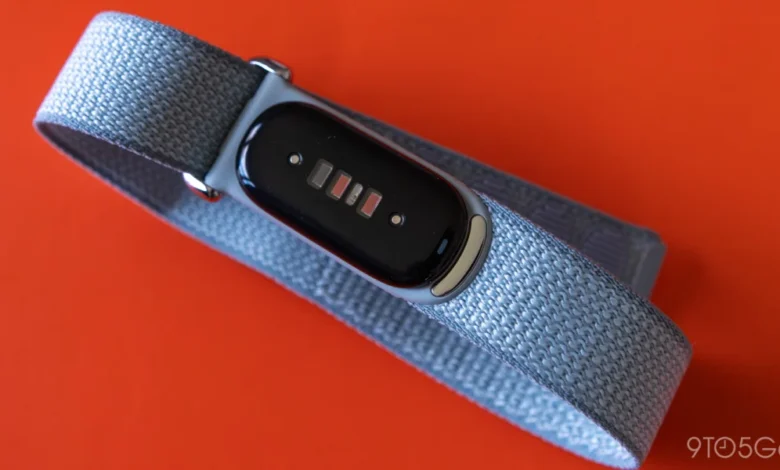
Google Health 5.11 is rolling out this week as a rather big update for Fitbit trackers and the Pixel Watch, marking a significant milestone in the integration of advanced biometric monitoring and automated activity recognition across the Google ecosystem. This latest software iteration represents a strategic refinement of the Google Health platform, aiming to transform wearable devices from simple step counters into sophisticated preventative health tools. The update, which is currently propagating to users on both iOS and Android platforms, introduces key enhancements in activity detection, longitudinal health tracking, and sleep analysis, specifically tailored for the newest hardware in the Fitbit and Pixel portfolios.
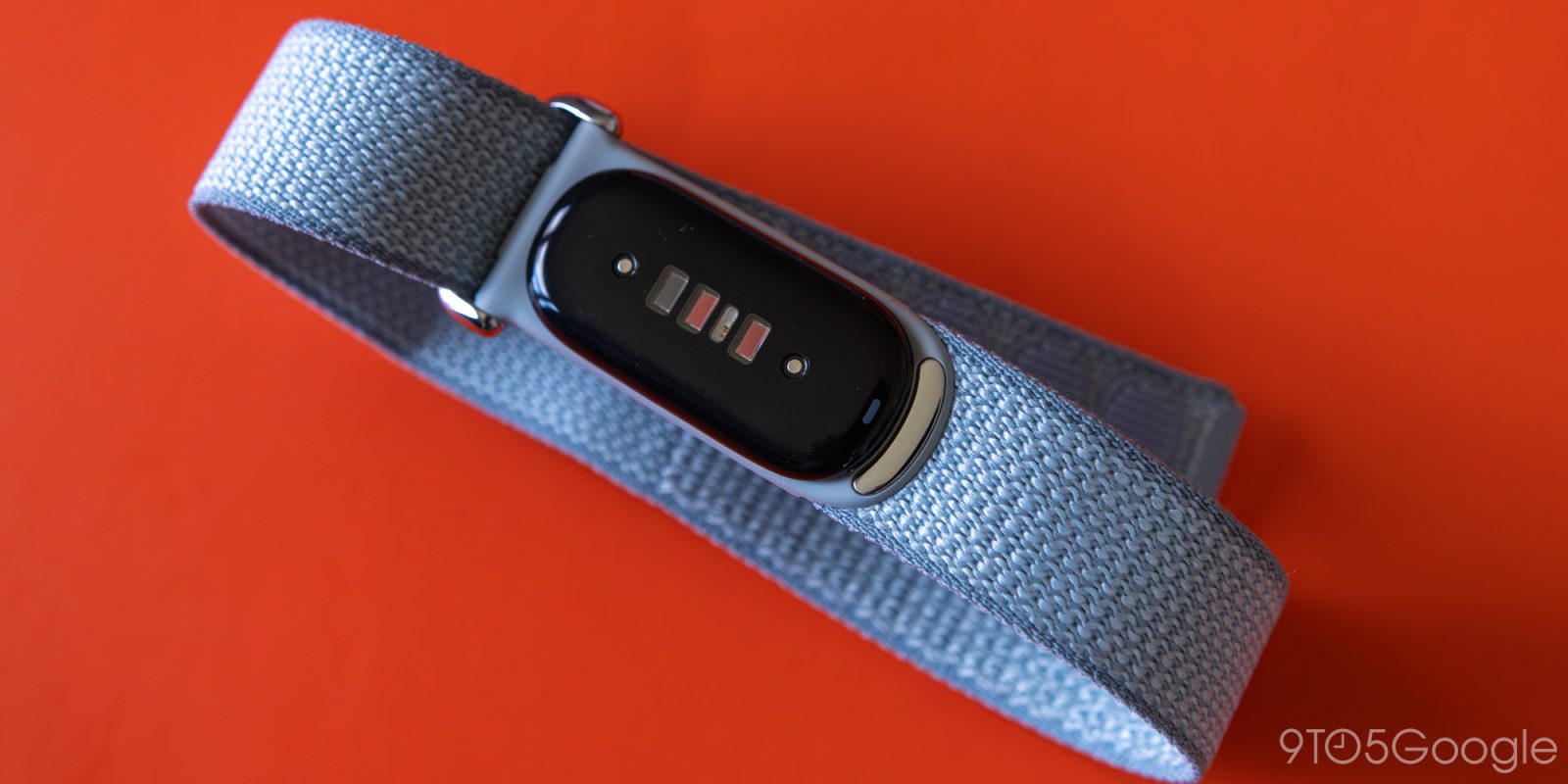
The core of this release centers on the deployment of Improved Automatic Activity Tracking. This feature is now available for the Fitbit Air, as well as the Pixel Watch 3, 4, and 5. Furthermore, the upcoming Fitbit Edge, slated for its official market release on October 27, will arrive with these capabilities fully enabled out of the box. This shift toward more robust automated detection indicates a move away from manual input, allowing users to capture fitness data more seamlessly as the devices become more adept at identifying complex movement patterns and exertion levels without active intervention from the user.
A New Era for Health Guardian Capabilities
Perhaps the most significant addition in version 5.11 is the expansion of the "Health Guardian" suite, specifically for subscribers of Google Health Premium. Owners of the Fitbit Air and the forthcoming Fitbit Edge will now have access to specialized tracking for blood pressure and insulin resistance trends. These features are designed to provide a more holistic view of metabolic health, moving beyond heart rate and SpO2 to address the growing demand for chronic condition monitoring in consumer wearables.
For users who opt into these features, the setup process is streamlined within the updated Google Health dashboard. By enabling these metrics, users can begin aggregating data points that will culminate in their first comprehensive health reports, which are scheduled to be generated and delivered at the beginning of November. This cadence of monthly reporting suggests that Google intends for these features to be used as long-term diagnostic aids rather than real-time clinical diagnostic tools. The company has been careful to frame these features as "trends," emphasizing the role of the device in highlighting shifts in health status over time, which can then be shared with medical professionals.
Refining Data Visualization and Terminology
The update also brings a nomenclature shift within the Google Health interface, aimed at greater clarity and consistency. The term "Blood Glucose," which was previously used to describe a variety of related metrics, has been standardized to simply "Glucose" throughout the application. This change is accompanied by a complete overhaul of the charts and graphs associated with glucose monitoring.
The new visualization tools are designed to be more intuitive, providing users with clearer insights into their glucose fluctuations. By upgrading the backend data handling, Google has improved the responsiveness of these charts, allowing for smoother scrolling and more detailed zooming, which is essential for users who track their levels multiple times per day. These aesthetic and functional improvements are part of a broader effort to make complex medical data more digestible for the average consumer, bridging the gap between clinical data and actionable lifestyle changes.
Advances in Sleep Tracking and Restorative Metrics
Sleep tracking has long been a staple of the Fitbit experience, but the 5.11 update introduces critical refinements to the platform’s wake detection algorithms and nap editing capabilities. Effective sleep monitoring is a fundamental component of the Google Health vision, as it provides the context necessary for interpreting other biometric data, such as heart rate variability (HRV) and skin temperature.
The improved wake detection is intended to reduce the frequency of "false positives," where the device incorrectly identifies periods of restlessness as the user having woken up for the day. By utilizing updated machine learning models, the app is now more adept at distinguishing between brief nocturnal awakenings and the final state of alertness. Furthermore, the enhanced nap editing features allow users to manually adjust the duration and timing of shorter periods of rest, which ensures that their daily "sleep score" remains accurate even when their sleep schedule is unconventional or interrupted.
Context and Market Implications
The release of Google Health 5.11 follows a busy year for the Google-Fitbit hardware division. The introduction of the Pixel Watch 5 and the anticipation surrounding the Fitbit Edge signal a period of rapid product iteration. Since the acquisition of Fitbit, Google has faced the challenge of merging two distinct software ecosystems—the legacy Fitbit platform and the more modern Google Health infrastructure. Version 5.11 is evidence that this integration is reaching a state of maturity.
The focus on insulin resistance and blood pressure is particularly telling of the current trajectory in the wearable market. Industry analysts have noted a clear trend toward "medicalization" of consumer electronics. Companies like Apple, Samsung, and Google are increasingly vying to offer features that were once the exclusive domain of clinical-grade monitors. By providing trend analysis for metabolic health, Google is positioning its devices as essential tools for the aging population and those managing chronic health conditions, potentially expanding its market share among demographics that previously prioritized health-tracking accuracy over other smartwatch features.
A Chronology of Integration
To understand the scope of this update, one must look at the timeline of the Google Health ecosystem’s evolution. Following the initial integration of Fitbit data into the Google Health app, the company spent the better part of 2025 refining the user interface and stabilizing data synchronization between the diverse array of sensors found in the Pixel Watch and the more specialized Fitbit trackers.
In early 2026, the company began the transition toward more sophisticated activity detection, moving away from simple accelerometer-based tracking toward more complex multi-sensor fusion. The release of version 5.11 in October 2026 serves as the culmination of these efforts, bringing feature parity to the newer hardware lineup. The upcoming launch of the Fitbit Edge on October 27 is the final piece of this specific rollout phase, ensuring that the new device launches with the full suite of "Health Guardian" capabilities immediately available to its users.
Analyzing the Data: Why Trends Matter
The decision to focus on long-term trends, such as those provided by the new Health Guardian features, is a deliberate strategic choice. From a medical perspective, a single point of data—such as a blood pressure reading at 3:00 PM—is often of limited value due to the inherent volatility of human physiology. By providing "trends," Google is encouraging users to look at their health in a wider context.

The technical implications of this update are significant. To provide accurate trend analysis for insulin resistance, for instance, the app must correlate multiple data points, including physical activity, sleep quality, and dietary input (if provided). This level of data synthesis requires significant processing power, which is why these features are largely gated behind the Google Health Premium subscription. The cloud-based analysis performed by Google’s servers allows for more intensive computation than what can be performed on the local hardware of a watch, enabling more complex health insights.
Official Stance and User Experience
While Google has not released a formal press statement regarding the specific 5.11 update beyond its support documentation, the company has consistently emphasized its commitment to privacy and data security in its health initiatives. The sensitive nature of glucose and blood pressure data requires rigorous encryption and compliance with global health data regulations. Users are prompted through the app to review their data sharing preferences, ensuring that they maintain control over who has access to their health history.
For the end user, the update is designed to be largely invisible in terms of complexity. The goal is to provide a seamless transition from the previous version, with the new features surfacing organically as the user interacts with the app. The iOS rollout, which often precedes the Android update in some regions due to the nature of the App Store’s review process, is already being met with positive feedback regarding the responsiveness of the new charts and the accuracy of the improved sleep detection.
The Broader Impact on the Health Technology Sector
The implications of the Google Health 5.11 update extend beyond the individual user. As Google continues to refine its health-tracking capabilities, it puts increasing pressure on competitors to offer similar, high-level health insights. The integration of "Glucose" terminology and the focus on insulin resistance suggests that Google is preparing for a future where wearables might one day offer non-invasive glucose monitoring—a "holy grail" of the wearable tech industry.
Furthermore, the expansion of the Health Guardian suite represents a significant commitment to preventative care. By making these metrics accessible, Google is helping to normalize the idea of proactive health management. As these tools become more prevalent, the data gathered could prove invaluable in future medical research, provided that users continue to opt-in to anonymized data sharing initiatives.
Ultimately, the 5.11 update is a testament to the ongoing convergence of consumer technology and clinical health monitoring. By prioritizing accuracy, longitudinal tracking, and user-friendly data visualization, Google is attempting to carve out a permanent place in the daily health routines of millions. As the Fitbit Edge arrives on the market and the Pixel Watch continues to evolve, the distinction between a "smartwatch" and a "health monitor" will continue to blur, likely leading to a new standard for what consumers expect from the devices on their wrists. The update is available now for iOS users and continues to roll out across the Android ecosystem, marking a significant step forward for the Google Health platform.