The Contax G2: A Legacy of Innovation and Enduring Appeal in the Realm of Autofocus Rangefinders

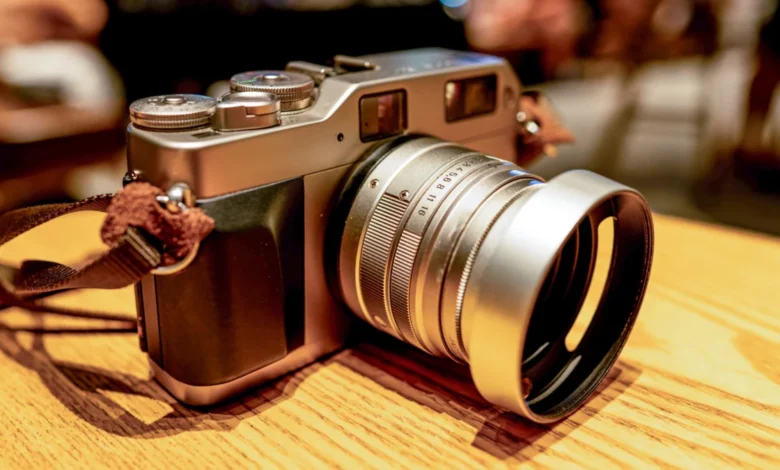
In the mid-1990s, the photographic landscape was being reshaped by technological advancements, yet the allure of traditional film photography remained potent for many enthusiasts and professionals. It was within this dynamic environment that Carl Zeiss, a name synonymous with optical excellence, introduced a groundbreaking camera that would redefine the capabilities of the rangefinder format: the Contax G1. Launched in 1994, the G1 boldly pioneered the concept of an autofocus rangefinder, a significant departure from the manual focus systems that had long characterized these compact and discrete cameras. However, its initial passive-only focusing system, while innovative, encountered limitations, particularly in challenging low-light conditions where its accuracy and speed could falter.
Recognizing the need for enhanced performance, Contax, under the umbrella of Kyocera, swiftly followed up the G1 with its successor, the Contax G2, just a couple of years later. The G2 addressed the primary shortcomings of its predecessor by implementing a sophisticated hybrid autofocus system. This innovative approach ingeniously combined active infrared triangulation with passive contrast detection, resulting in a system that was not only significantly faster but also demonstrably more reliable across a wider spectrum of lighting scenarios. This evolution marked a crucial step forward, making the rangefinder format more accessible and versatile for a broader range of photographic pursuits.
Beyond their technological prowess, both the Contax G1 and G2 were celebrated for their exquisite design and exceptional build quality. The camera bodies were meticulously crafted from titanium, a material chosen for its strength, lightness, and premium feel. The entire design and manufacturing process for these bodies was undertaken by Kyocera in Japan, ensuring a high standard of craftsmanship. Adding to their aesthetic appeal, the camera bodies were styled by the renowned Porsche Design Group of Germany, a collaboration that infused the cameras with a timeless elegance and a distinct industrial design language. This partnership between Japanese engineering and German design flair resulted in cameras that were as beautiful to behold as they were functional.
The Contax G series was offered in two primary finishes: black and silver. While both were attractive, the silver finish, often described as a sophisticated "champagne color," coupled with its dark grey accents, proved to be the more popular choice among photographers. This preference likely stemmed from its understated yet luxurious appearance, which complemented the camera’s advanced capabilities.
Complementing these finely engineered camera bodies was an impressive array of seven lenses, all designed and manufactured by Carl Zeiss in Germany. This commitment to using top-tier optics was a cornerstone of the Contax G system, ensuring that image quality would be on par with the best available at the time. The initial G1 typically came equipped with the superb Planar 45mm f/2 lens, a versatile prime lens known for its sharpness and pleasing rendition. The G2, in contrast, was often paired with a wider 35mm Planar f/2 lens, offering a broader field of view suitable for a wider range of photographic situations.
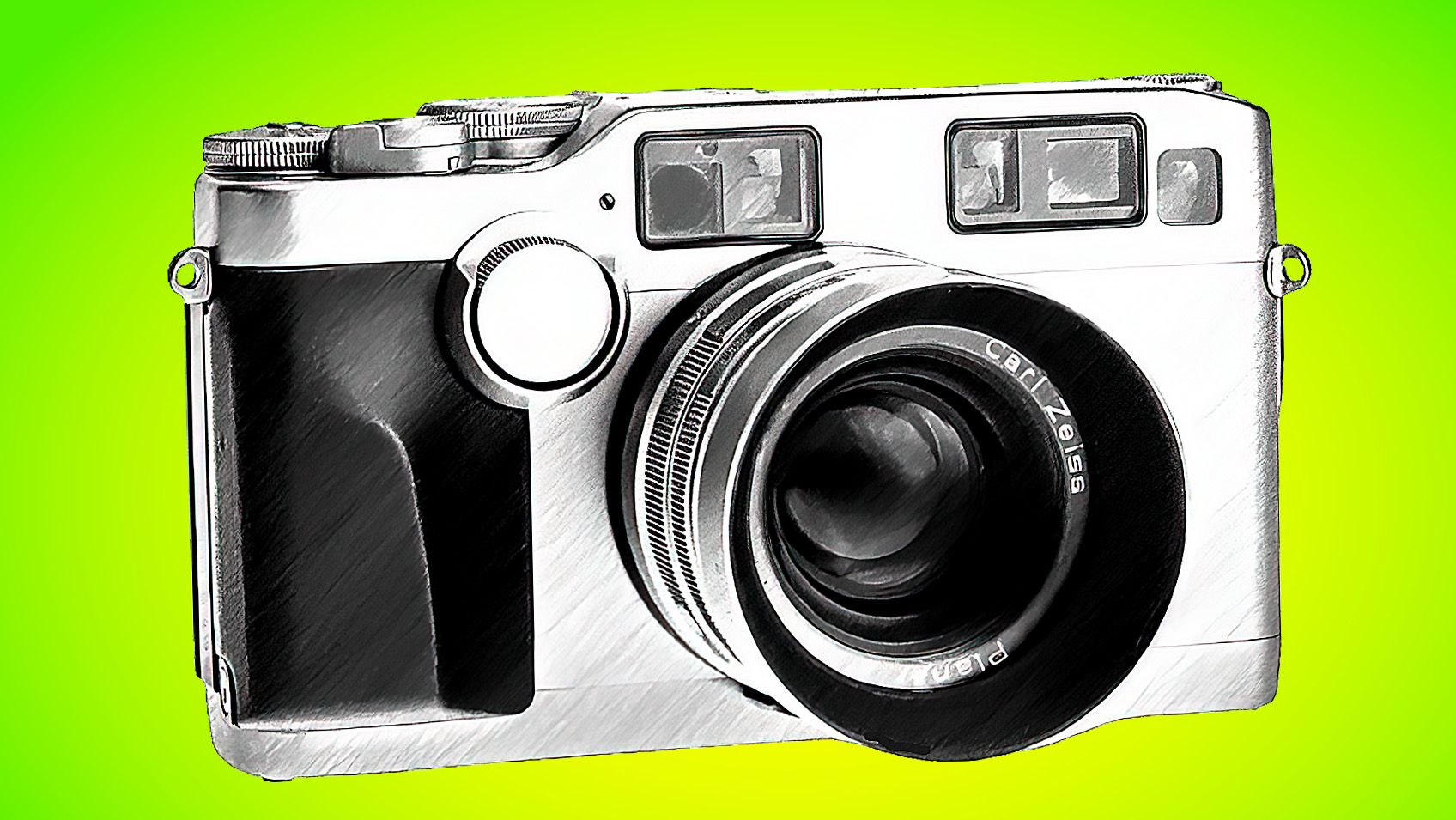
The lens lineup was further enhanced by a selection of other high-quality primes: a 16mm f/8 Hologon, renowned for its ultra-wide perspective; a 21mm f/2.8 Biogon, offering excellent sharpness and minimal distortion; a 28mm f/2.8 Biogon, a popular choice for its balanced field of view; and a Sonar 90mm f/2.8, providing telephoto reach for portraits and details. These prime lenses were a testament to Zeiss’s optical mastery, delivering exceptional performance that rivaled even the most esteemed counterparts.
A significant expansion of the Contax G lens system occurred in 2000 with the introduction of the Vario-Sonar 35-70mm f/3.5-5.6 zoom lens. This was a landmark achievement, marking the first time a true zoom lens was made available for a rangefinder camera. This innovative zoom offered unprecedented flexibility, allowing photographers to adjust their focal length without changing lenses, a capability previously limited to SLR systems.
It is worth noting a point of distinction regarding the Vario-Sonar. While it was the first true zoom lens for a rangefinder, some might point to Leica’s 28-35-50mm Tri-Elmar, released in 1998, as an earlier offering. However, the Tri-Elmar functions differently; it’s essentially a set of three prime lenses within a single housing, with click-stops that limit its use to three specific focal lengths. The Contax Vario-Sonar, on the other hand, was a continuous zoom, allowing for seamless adjustment at any focal length within its range, offering a more fluid and adaptable shooting experience.
Optically, the Zeiss G-mount lenses, unique to the Contax G1 and G2, were widely lauded for their quality, often considered to be on par with, if not superior to, their Leica counterparts. This high standard of optical design and manufacturing meant that the Contax G system offered a compelling alternative for photographers seeking exceptional image quality without the often-premium price tag associated with Leica. Notably, no third-party manufacturers ever produced lenses for the G-mount, a testament to the proprietary nature and the uncompromising quality standards set by Zeiss and Kyocera.
The Contax G1 and G2 also introduced a revolutionary approach to the rangefinder viewfinder. Departing from the traditional "focusing patch" found in earlier rangefinders, these cameras featured sophisticated electronic viewfinder displays. The autofocus system handled the focusing task through rangefinder-esque triangulation, eliminating the need for a manual mechanical rangefinder. This electronic system, coupled with an automatically adjusting magnification and frame lines that corresponded to the attached lens, provided a remarkably clear and informative viewing experience. The viewfinder offered 90% frame coverage with full parallax correction, ensuring that what the photographer saw was very close to what would appear on the film.
A particularly impressive feature was the viewfinder’s ability to adapt when the Vario-Sonar zoom lens was attached. The optics within the viewfinder would zoom in sync with the lens, accurately displaying the framing at every focal length, a level of integration that was truly ahead of its time.
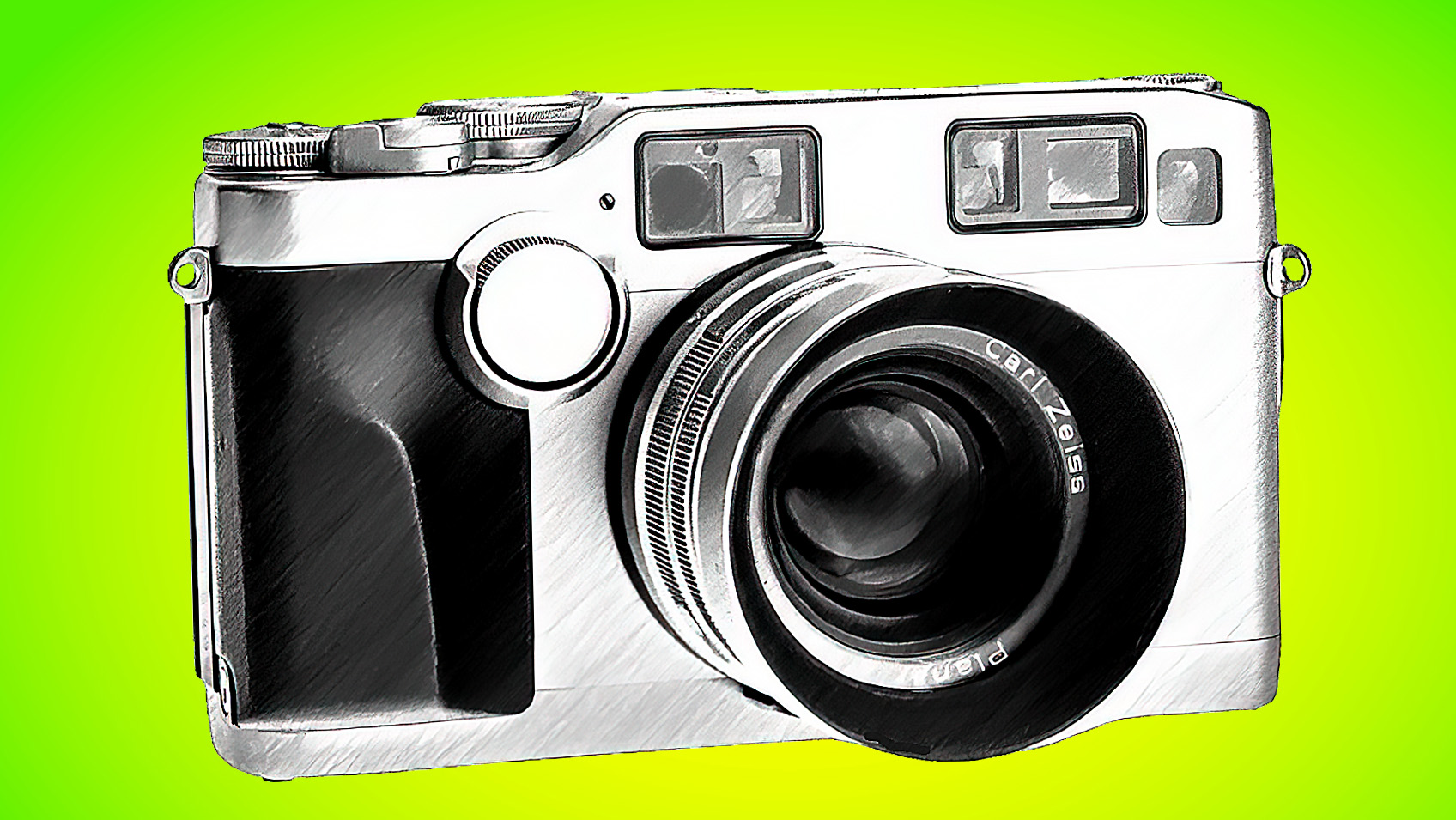
The G2’s viewfinder represented a significant upgrade from the G1. It incorporated a green readout below the main display, providing crucial information such as the focused distance and autofocus confirmation. Furthermore, it included a manual focus aid, which presented small dots on a linear scale to guide the user in adjusting the lens for correct focus when in manual mode. This enhanced viewfinder system contributed to the G2’s reputation as a highly capable and user-friendly camera.
Comparisons between the Contax G2 and the iconic Leica M6 are frequent and, in many respects, fair, particularly concerning build quality and optical excellence. However, the user experience offered by each camera is fundamentally different. The G2, with its "electronic rangefinder," automatic film loading and rewinding, aperture-priority autoexposure, and a motor drive capable of shooting at 4 frames per second, offered a level of convenience and automation that the manual-centric Leica M6 could not match. While the Leica boasted a brighter viewfinder and a vastly wider selection of lenses, including faster f/1.4 and even f/1 options, the G2 excelled in providing superior ease of use and modern features.
The sophisticated electronics and integrated motor drive, while offering significant advantages in usability, have unfortunately become the Achilles’ heel of the Contax G series over time. In the nearly three decades since their introduction, these cameras have proven to be somewhat prone to failure. Despite their robust titanium construction, the G2, in particular, has faced vulnerabilities stemming from its complex electronics and the subsequent scarcity of replacement parts.
Common failure points have been widely documented. The autofocus mechanism can degrade due to dried lubricants or stripped plastic gears, leading to inaccurate or non-functional focusing. The vertical metal focal plane shutter, a critical component, is also known to develop issues over time. Furthermore, the electronic overlay in the viewfinder can gradually fade or begin to flicker, diminishing its utility.
The challenge of repairing these advanced electronic rangefinders is compounded by a limited number of technicians equipped with the necessary expertise and specialized tools. Consequently, repairs are often expensive and can be difficult to source, even for those willing to invest in restoring their beloved cameras. This scarcity of repairable units has, in turn, driven up the value of Contax G2 cameras that remain in good working order, with many now commanding prices exceeding their original new retail cost.
For prospective buyers considering a used Contax G2, it is strongly advised to purchase in person whenever possible, or to ensure full return and refund privileges are in place. Thoroughly testing the autofocus at multiple distances, including infinity and a moderate range like 5 meters, is essential. Verifying that the film counter LCD remains illuminated when the camera is powered off is another indicator of good electronic health. Furthermore, it is recommended to test the film advance mechanism through a full roll of film and confirm that the rewind process functions correctly.
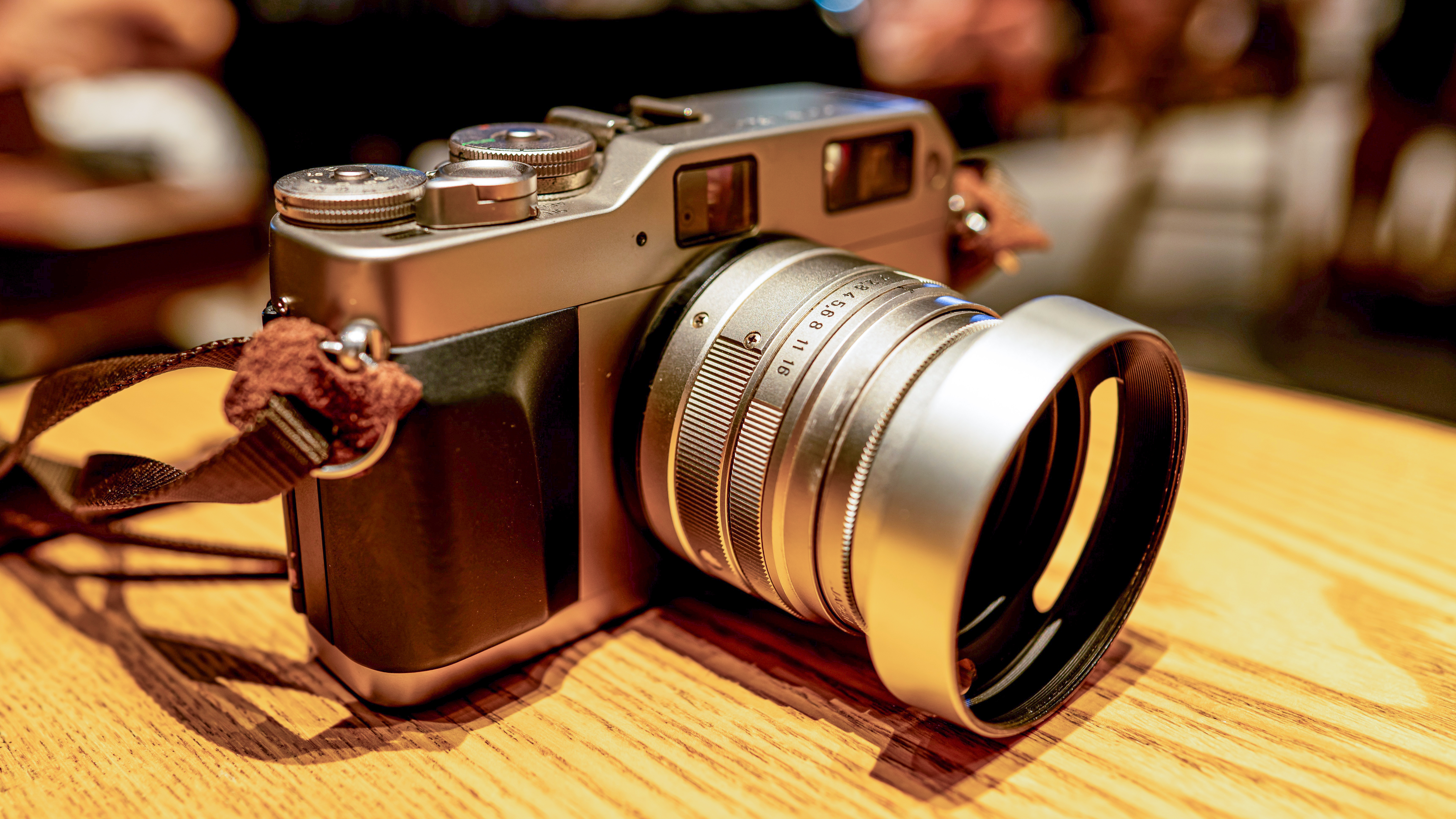
The exact production numbers for the Contax G series remain unknown. Production continued until 2005, when Kyocera abruptly announced the discontinuation of its entire Yashica and Contax camera division. This decision sent ripples through the photographic community, leaving lens manufacturers like Carl Zeiss and even Leica (for whom Kyocera had also produced the excellent Vario-Elmar-R 80-200mm f/4 lens) in a precarious position. Kyocera’s strategic shift focused on developing camera modules for smartphones, a move that signaled the end of an era for its renowned camera brands.
This sudden cessation of production instantly transformed the Contax G2 from a cutting-edge photographic tool into a coveted collector’s item. For those who own a well-maintained Contax G2 today, they possess a piece of photographic history that continues to be admired for its innovative design, exceptional optics, and enduring legacy. The combination of German optical engineering, Japanese precision manufacturing, and iconic automotive design created a camera that transcended its functional purpose to become an object of desire and a symbol of photographic excellence.
David Young, a seasoned photographer and author of "A Brief History of Photography," continues to explore the rich heritage of classic cameras in his ongoing series. His insights offer valuable perspectives on the evolution of photographic technology and the enduring impact of iconic camera models like the Contax G2.
You might also be interested in exploring the best point-and-shoot cameras available today, offering a diverse range of options for photographers seeking both convenience and quality in their imaging pursuits.