Canon EOS R5 C hits lowest ever UK price as professional hybrid market shifts

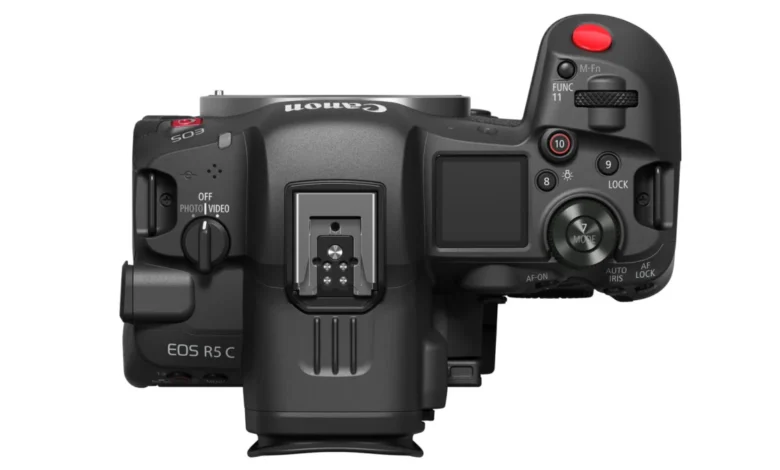
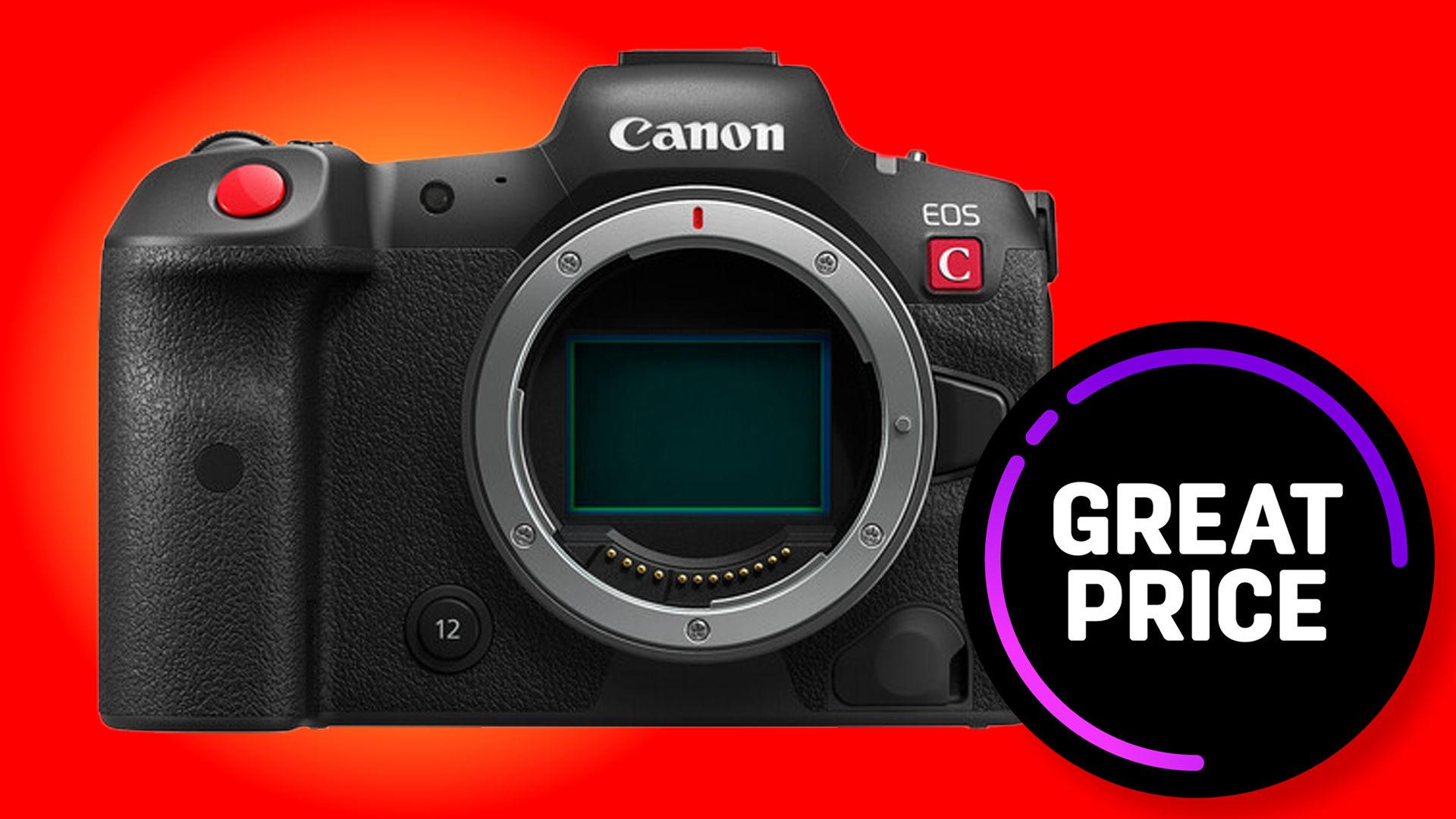
The Canon EOS R5 C has reached its lowest recorded price in the United Kingdom, now available at Wex Photo Video for £2,399. This significant price adjustment, coinciding with the retailer’s "Canon Store Week" promotional period, marks a pivotal moment for a camera that has redefined the intersection of high-end cinema production and professional still photography. By bridging the gap between Canon’s Cinema EOS line and the popular R-series mirrorless ecosystem, the R5 C has established itself as a unique tool for filmmakers requiring both a primary cinema camera and a high-resolution stills machine.
Evolution of the Hybrid Concept
The Canon EOS R5 C was introduced to solve a specific industry problem: the trade-off between dedicated cinema hardware and the versatility of mirrorless photography. While the standard Canon EOS R5 became an instant hit for hybrid shooters upon its 2020 launch, it faced thermal limitations when recording high-bitrate, high-resolution video for extended periods. Canon addressed these constraints by engineering the R5 C, which incorporates a robust active cooling system. By integrating a fan into the chassis, Canon allowed the camera to record internally at 8K resolution at 60 frames per second without the risk of overheating—a prerequisite for professional cinema environments.
This design philosophy differentiates the R5 C from its predecessors. It is not merely a software update to the R5; it is a distinct piece of hardware. When the camera is powered in its cinema mode, the interface shifts to reflect a professional video workflow, utilizing Cinema EOS menus. Conversely, when the user toggles the switch to photo mode, the camera operates with the familiar interface and capabilities of a high-end EOS R mirrorless camera.
Technical Specifications and Performance
At the heart of the R5 C is the same 45-megapixel full-frame CMOS sensor found in the R5. This sensor provides the resolution necessary for detailed stills and high-fidelity video acquisition. The standout capability of the camera remains its ability to capture 12-bit Cinema Raw Light internally. This format provides the flexibility of RAW video, allowing for extensive color grading and dynamic range recovery in post-production, while maintaining a manageable file size.
For production versatility, the camera supports multiple recording formats:
- 8K up to 60p in 12-bit Cinema Raw Light.
- Super 35mm crop mode up to 5.9K at 60p.
- Super 16mm crop mode up to 2.9K at 60p.
- 4K internal recording at high frame rates for slow-motion applications.
The inclusion of these modes ensures that the R5 C complies with modern production standards, including Netflix’s rigorous "Camera Production Guide." This certification is critical for independent filmmakers and production houses, as it guarantees that the footage captured meets the technical quality requirements for distribution on the streaming giant’s platform.
Chronology of the Canon EOS R5 C
The journey of the R5 C from its launch to its current market position reflects the broader trends in the camera industry:
- January 2022: Canon officially announces the EOS R5 C, marketed as the smallest and lightest Cinema EOS camera to date.
- Spring 2022: The camera reaches retail shelves, initially targeting professional cinematographers who require a secondary, compact "B-cam" that maintains color science consistency with larger, more expensive Cinema EOS models like the C300 Mark III or C500 Mark II.
- Late 2023: Canon releases firmware updates that improve the autofocus performance and communication between the camera and lens, further solidifying its place in the hybrid market.
- Mid-2024: Following increased competition from Sony’s FX3 and the rapid advancement of mirrorless video technology, market prices begin to fluctuate, leading to the current aggressive pricing strategy.
Market Implications and Professional Adoption
The drop in price to £2,399 represents a significant value proposition for content creators. In the current market, this price point puts the R5 C in direct competition with cameras that lack the dedicated cinema interface or internal 8K raw capabilities. For the freelance cinematographer, the ability to utilize a single camera body for both a documentary film and a commercial still shoot represents a reduction in equipment overhead.
From an industry perspective, the R5 C’s presence in the market has pressured other manufacturers to reconsider the definition of a "cinema camera." The trend toward smaller, more agile production kits—driven by the demands of digital content platforms—favors the design choices Canon made with this model. Because the camera uses the RF mount, it benefits from Canon’s expanding catalog of high-quality glass, including the L-series prime and zoom lenses, which are essential for achieving the cinematic aesthetic required for professional projects.
Industry Reaction and Future Outlook
While professional camera reviews have historically pointed out the R5 C’s increased battery consumption due to the active cooling system, industry professionals generally view this as a necessary trade-off for the performance provided. The reliance on external power solutions—such as high-capacity power banks or mains adapters—to achieve the full 8K 60p capabilities is a standard requirement for professional rigs, and users have largely adapted their workflows to accommodate this.
The Netflix approval status remains the strongest endorsement of the camera’s capabilities. By meeting these standards, the R5 C is no longer restricted to hobbyist or prosumer use cases; it is a legitimate tool for television and film production. As the industry continues to move toward 8K workflows for future-proofing content, the R5 C provides an accessible entry point for filmmakers to start shooting in a resolution that will remain relevant for the next decade.
Analysis of the Current Pricing Trend
The current price reduction at Wex Photo Video is indicative of a broader strategy observed in the photography industry, where manufacturers and retailers adjust pricing to clear inventory in anticipation of new product cycles or to maintain market share against competitors. For consumers, the timing of this discount offers a rare opportunity to acquire professional-grade, Netflix-approved equipment at a price point previously reserved for enthusiast-level cameras.
The R5 C, even years after its initial release, remains a contemporary and powerful tool. Its architecture is built for longevity, and its core specifications continue to outperform many of the newer, consumer-focused cameras that lack the specific cinema-centric workflow enhancements. As the line between professional cinema gear and high-end mirrorless cameras continues to blur, the Canon EOS R5 C serves as a benchmark for what is possible when these two worlds are successfully synthesized.
For those looking to transition from traditional mirrorless video to a more formal cinema workflow, or for the professional needing a compact, high-resolution solution, the current market climate presents a unique window of accessibility. The shift in pricing does not diminish the camera’s technical pedigree; rather, it makes the barrier to entry for high-end, 8K-capable production more attainable than at any point since the product’s inception. As production demands continue to evolve, the R5 C stands as a testament to Canon’s ability to pivot its R-series technology to satisfy the rigorous demands of professional cinema.