Apple to Launch New Device Leasing Program Replacing iPhone Upgrade Plan with Multi-Product Subscriptions

Apple is reportedly preparing a fundamental shift in how it distributes hardware to consumers, moving away from its established iPhone Upgrade Program toward a more comprehensive leasing model dubbed the "Apple Upgrade" program. According to reports from Bloomberg’s Mark Gurman, this new initiative is expected to debut as early as July 28, marking the most significant change to Apple’s retail and financial strategy since the original upgrade plan was introduced nearly a decade ago. The program aims to streamline the acquisition of Apple hardware by treating devices more like vehicles in a lease agreement rather than products purchased through traditional installment financing.
The transition signals a move toward a "hardware-as-a-service" model, a trend that has been gaining momentum across the technology industry. Unlike the previous program, which was primarily focused on the iPhone and functioned as a zero-interest loan through third-party banks, the new Apple Upgrade program will reportedly encompass a much wider range of the company’s ecosystem, including Mac computers, iPads, and Apple Watch models. This expansion reflects Apple’s desire to deepen consumer integration into its ecosystem while ensuring a steady, predictable stream of recurring revenue.
The Evolution of Apple’s Consumer Financing
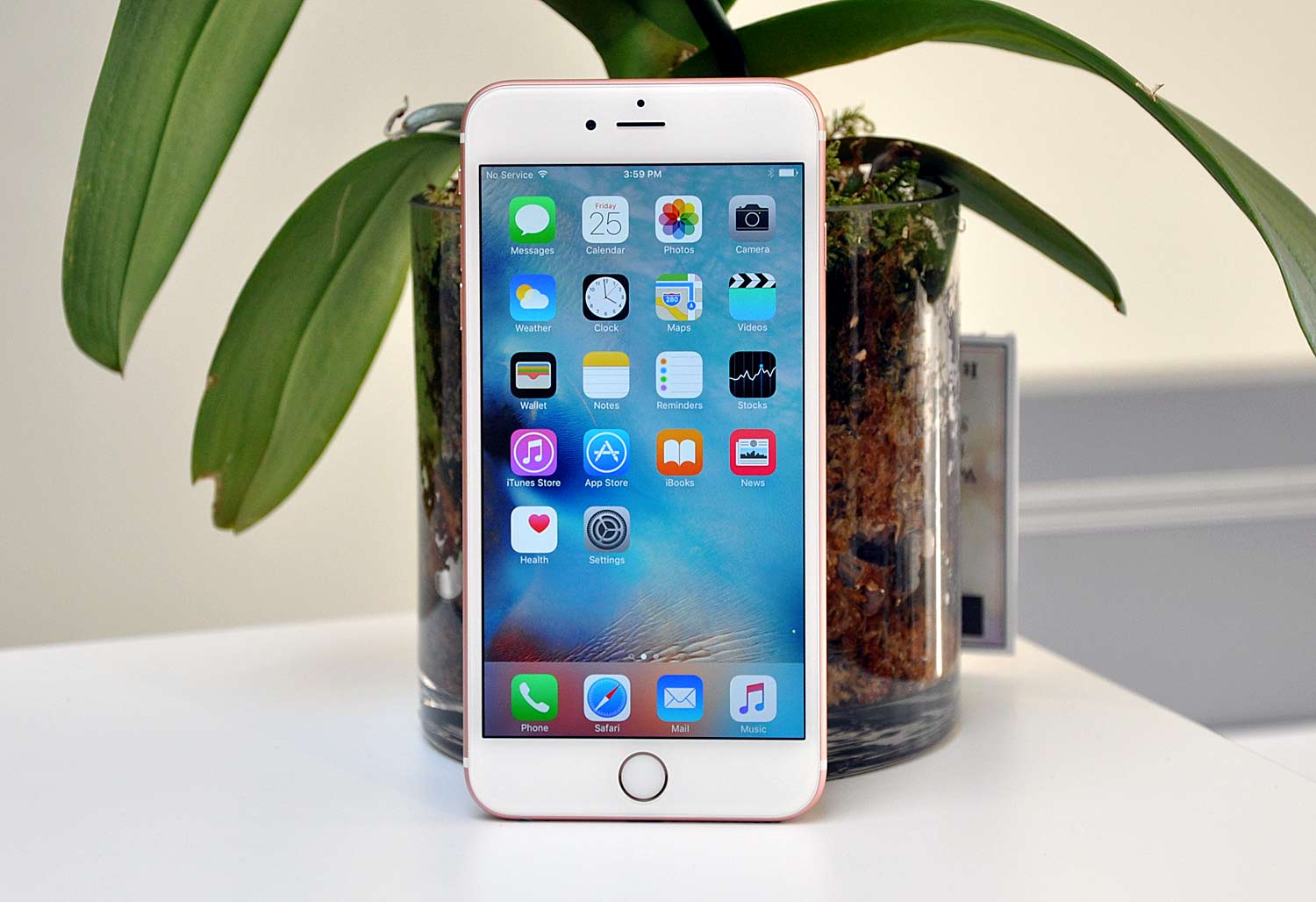
To understand the weight of this shift, one must look at the history of the iPhone Upgrade Program. Launched in 2015 alongside the iPhone 6s, the program was designed to solve a specific problem: the death of the two-year carrier contract. Before 2015, most American consumers purchased iPhones at a subsidized price (usually $199) in exchange for a two-year commitment to a carrier like Verizon or AT&T. When carriers moved toward "Equipment Installment Plans" (EIPs), which charged the full price of the phone over 24 months, Apple saw an opportunity to take control of the customer relationship.
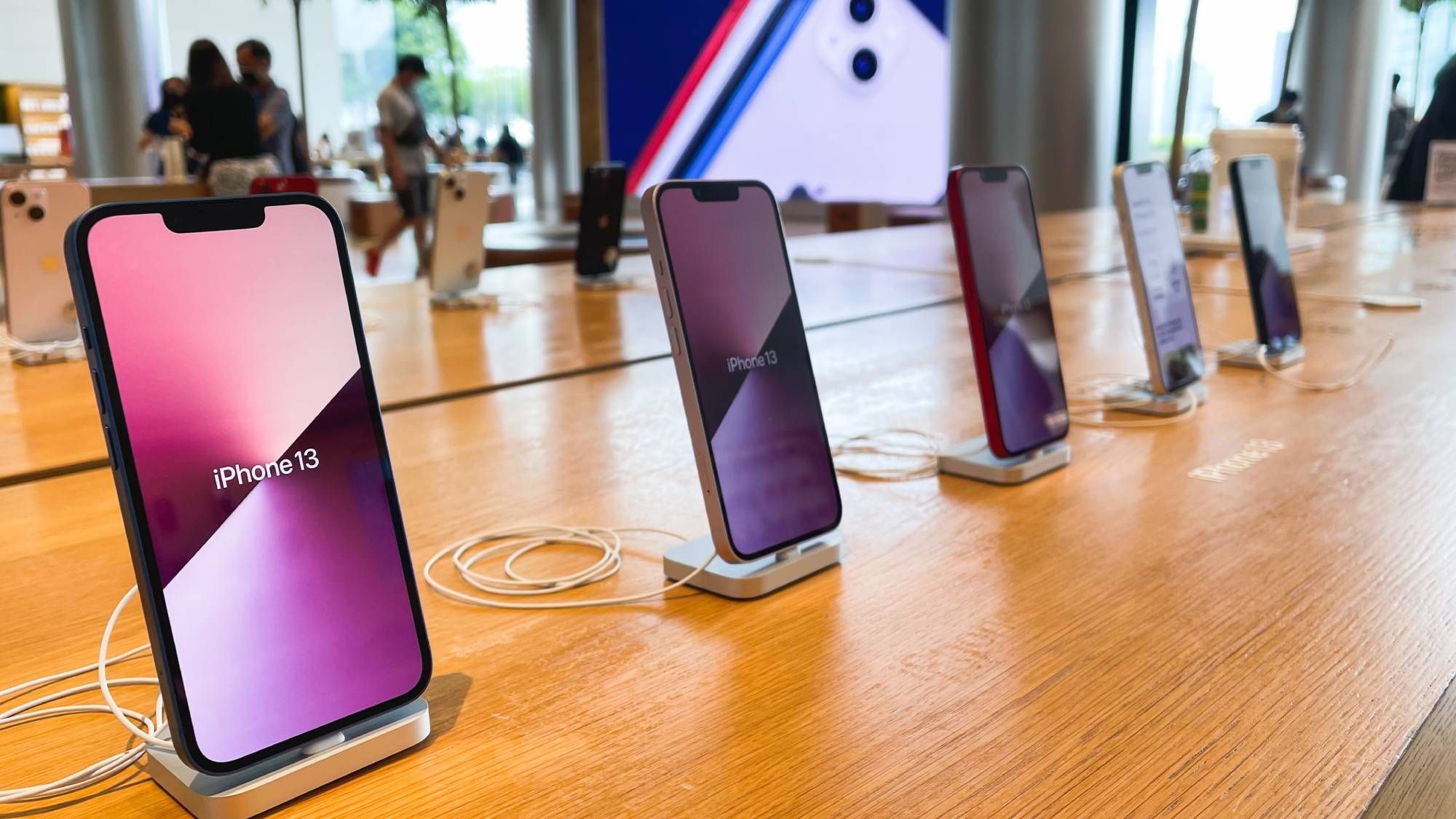
The iPhone Upgrade Program allowed users to pay a monthly fee that included both the cost of the phone and AppleCare+ protection. After making 12 payments, users were eligible to trade in their current device for the latest model, effectively starting a new 24-month clock. This program was financed through Citizens One in the United States and Barclays in the United Kingdom. By providing its own financing, Apple successfully bypassed carrier influence and ensured that its most loyal customers remained on a 12-month upgrade cycle.
However, the landscape has changed. With hardware prices rising—Pro Max iPhones now frequently exceeding $1,200 and high-end MacBooks reaching $3,000—the traditional 24-month loan model can result in high monthly payments that deter some buyers. The new leasing program is expected to address this by potentially lowering the monthly barrier to entry, albeit at the cost of long-term ownership.
Mechanics of the New Apple Upgrade Lease
The reported "Apple Upgrade" program introduces several key changes to the financial structure of device acquisition. According to internal leaks, the program will offer 24-month lease terms for iPhones and Apple Watches, while more expensive hardware like iPads and Macs will be placed on 36-month lease cycles. This distinction reflects the longer natural lifecycle of computers and tablets compared to smartphones and wearables.
One of the most notable changes is the change in financial partnership. Apple is allegedly moving away from its long-standing relationship with Citizens One to partner with Klarna, the Swedish fintech giant known for its "Buy Now, Pay Later" (BNPL) services. This move is strategic; Klarna has a massive existing user base of younger, tech-savvy consumers who are already comfortable with subscription-style payments. The program will reportedly require a "soft" credit check for approval, which is generally less damaging to a consumer’s credit score than the "hard" inquiries often required for traditional loans.
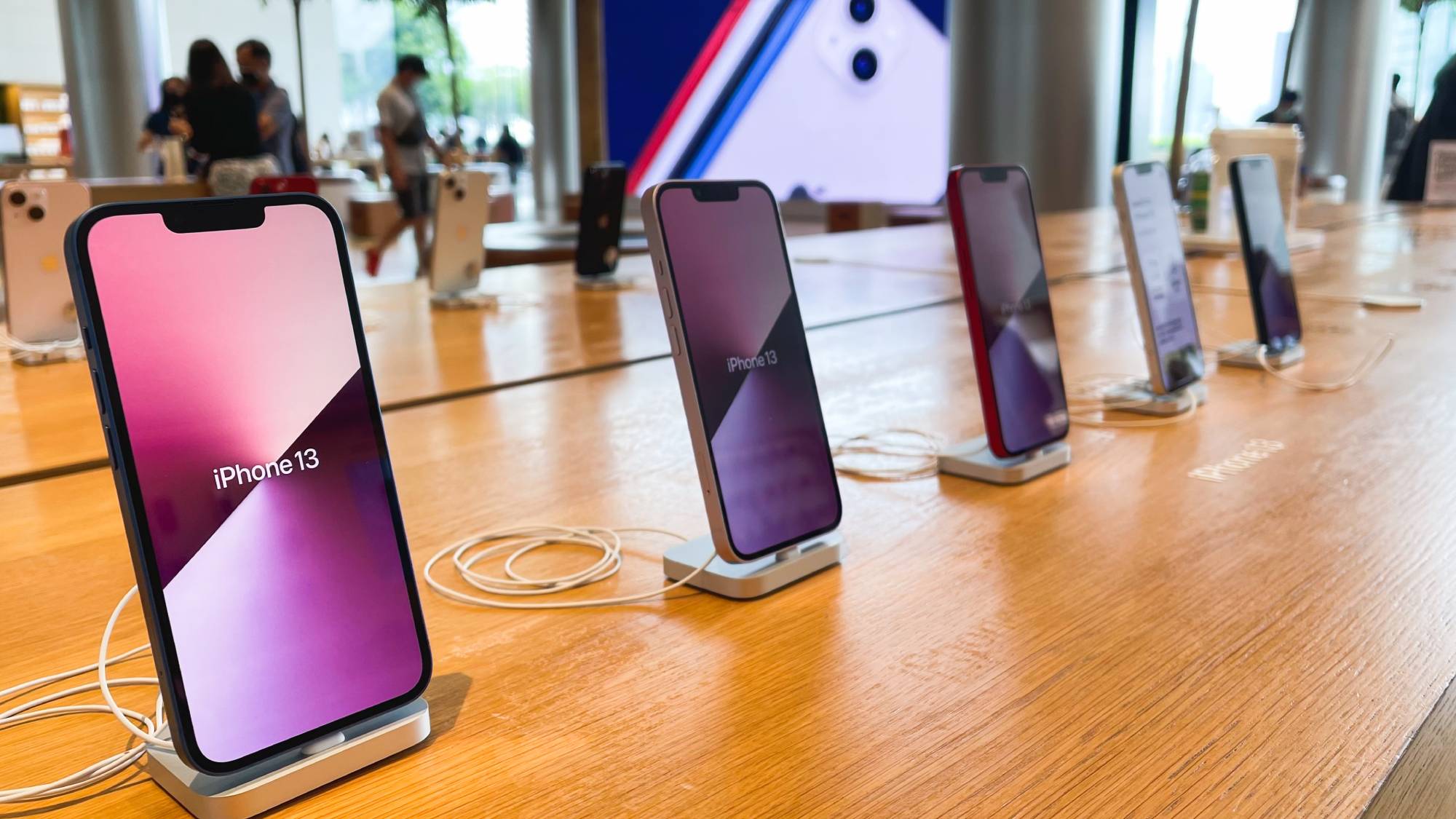
Under the leasing model, the "car lease" analogy is central. At the end of the 24 or 36-month term, the consumer will likely have three choices: return the device to Apple, make a final "balloon" payment to keep the device, or trade it in to begin a new lease on a newer model. This flexibility allows Apple to reclaim used hardware, which it can then refurbish and resell or recycle for parts, supporting the company’s "Apple 2030" goal of becoming carbon neutral across its entire product life cycle.
Product Eligibility and Strategic Exclusions
While the program is expansive, it is not universal. Early reports indicate that Apple is targeting its mid-to-high-tier products for the leasing program, leaving out entry-level "budget" devices. The base-model iPad (often used in education), the Apple Watch SE, and the rumored "MacBook Neo"—a placeholder name for a potential entry-level laptop—are expected to be excluded from the program.
The exclusion of these devices suggests that Apple views the leasing program as a tool for upselling. By making a $1,500 MacBook Pro available for a manageable monthly fee over 36 months, Apple makes its premium tier more accessible than it would be under a standard 12-month or 24-month financing plan. Conversely, the entry-level products already have a low enough price point that the administrative overhead of a lease might not be profitable for Apple or Klarna.
Furthermore, a significant point of contention for potential subscribers is the reported removal of AppleCare+ from the base lease. The original iPhone Upgrade Program was lauded for including the protection plan in the monthly price. With the new program, AppleCare+ will reportedly be an optional add-on. This is particularly relevant given that Apple recently increased the prices for AppleCare subscriptions. For a consumer leasing a device they do not technically own, the lack of included insurance adds a layer of financial risk, as they would still be liable for the lease payments even if the device is damaged or lost.
The Broader Impact on the Subscription Economy
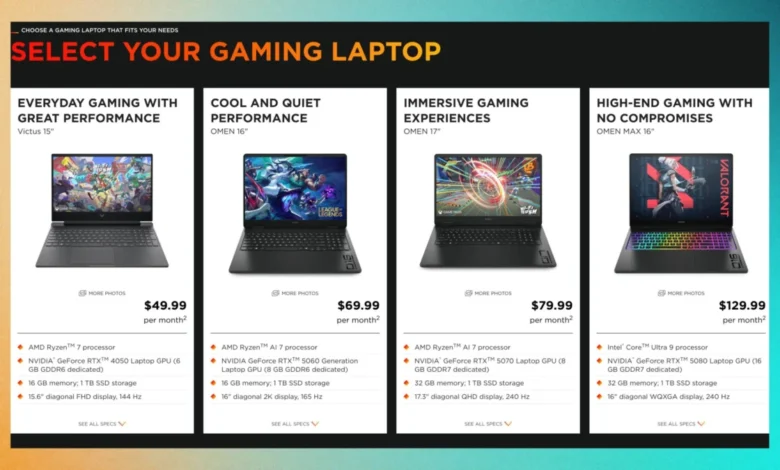
Apple’s move into hardware leasing is not happening in a vacuum. It follows a broader industry trend toward "XaaS" (Everything as a Service). Earlier this year, HP launched its own laptop subscription service, offering AI-powered PCs for a monthly fee. However, market analysts have been critical of such programs, noting that consumers often end up paying significantly more than the retail price of the device over the duration of the subscription without ever gaining equity in the product.
The shift also echoes predictions made by industry titans like Amazon’s Jeff Bezos, who famously suggested that "compute" would eventually be something consumers rent "off the grid," much like a utility, rather than something they own. By shifting from a "buy-to-own" financing model to a "rent-to-use" leasing model, Apple is positioning itself as a utility provider for the digital age.
From a corporate perspective, the benefits are clear. Subscription models lead to higher "Customer Lifetime Value" (CLV). A customer who buys an iPhone every four years is less valuable than a customer who pays a monthly fee indefinitely and rotates through hardware every two years. Additionally, this model helps Apple smooth out its revenue across quarters, reducing the company’s historical reliance on the "holiday spike" that typically follows a new iPhone launch.
Consumer Ownership and the Right to Repair
The move toward leasing raises significant questions regarding consumer rights and the "Right to Repair." When a consumer owns a device, they have the legal right (in many jurisdictions) to repair it themselves or take it to a third-party shop. Under a lease, the device remains the property of Apple (or the financing partner). This gives the corporation significantly more control over how the device is maintained.
Critics argue that this trend erodes the concept of private property in the digital space. Similar to how consumers now "license" digital movies and games rather than owning them, leasing hardware means the user is essentially paying for a temporary license to use a physical object. If a user falls behind on payments, Apple could theoretically use its software locks to disable the device remotely, a level of control that is much harder to exercise over a fully owned piece of hardware.
Outlook and Market Reaction
As the July 28 launch date approaches, the tech industry is watching closely to see how consumers will react. For those who already upgrade their devices every year or two, the Apple Upgrade program may offer a more streamlined, lower-cost way to stay on the cutting edge. For the more budget-conscious consumer, however, the math may not add up.
If Apple successfully transitions its massive user base to a leasing model, it will likely trigger a domino effect across the consumer electronics industry. Competitors like Samsung and Google already offer various financing plans, but a full-scale move to leasing could redefine the standard for how we interact with the technology that has become essential to modern life. Whether this represents a new era of convenience or a final goodbye to the era of product ownership remains to be seen, but Apple’s influence ensures that the "Apple Upgrade" program will be the blueprint for the future of the market.