The Black and White Photo Awards 2026 Crowns Winners in Milestone Fifth Anniversary Edition

Monochrome photography continues to hold a revered space in the contemporary visual arts landscape, celebrating form, shadow, texture, and light without the distraction of color. The Black and White Photo Awards announced the winners of its highly anticipated 2026 competition, marking a significant milestone for the international contest as it celebrated its fifth anniversary. Photographers from around the globe submitted thousands of entries across a diverse spectrum of subjects, all vying for the prestigious title of Black and White Photographer of the Year and a record-breaking grand prize.
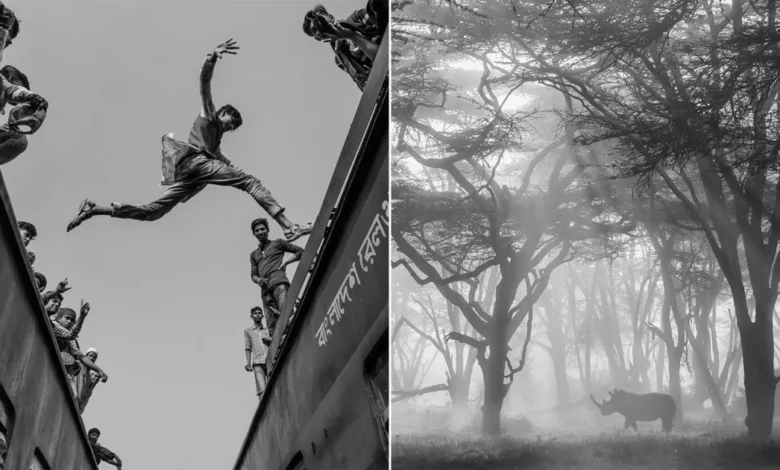
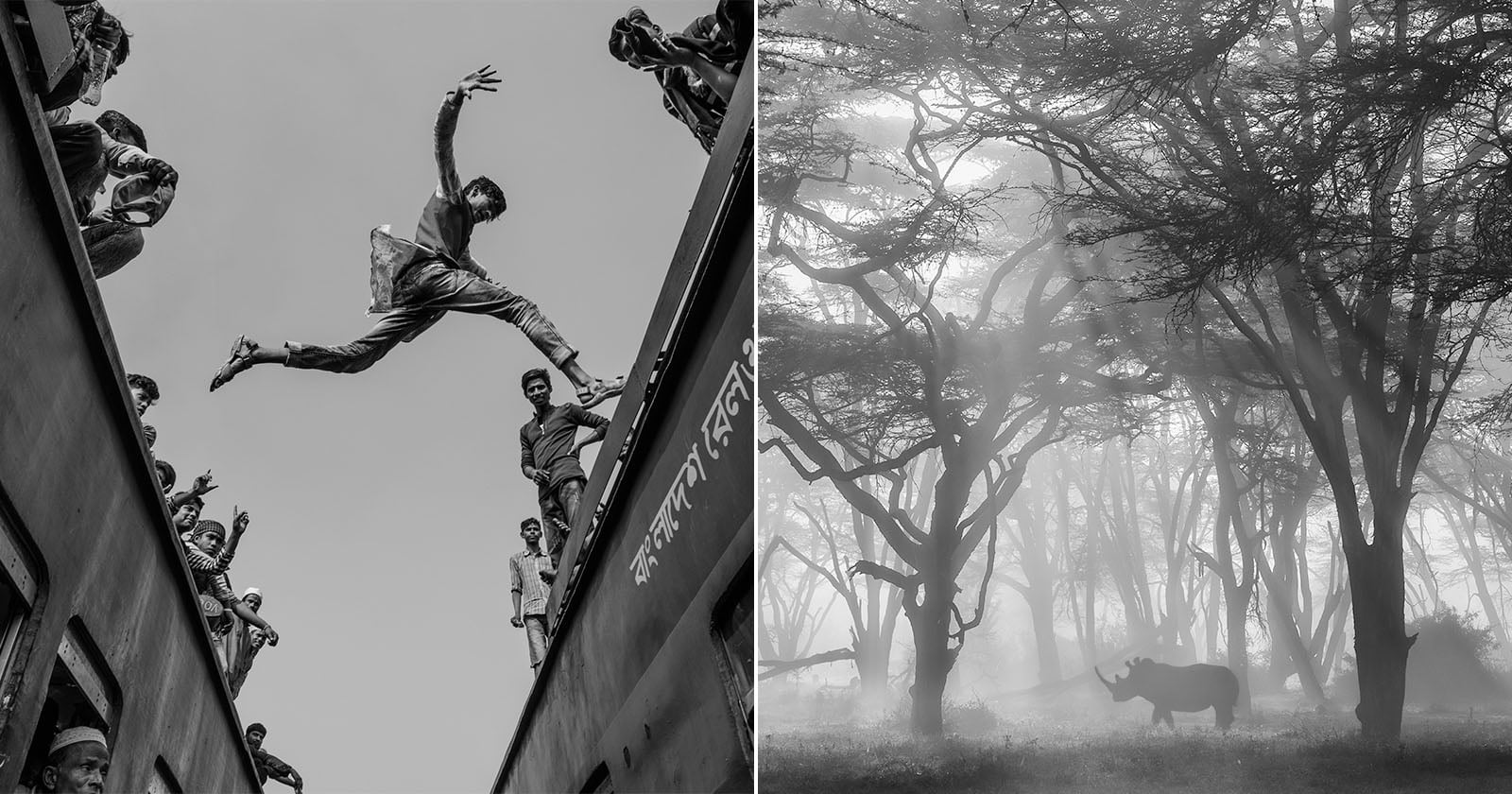
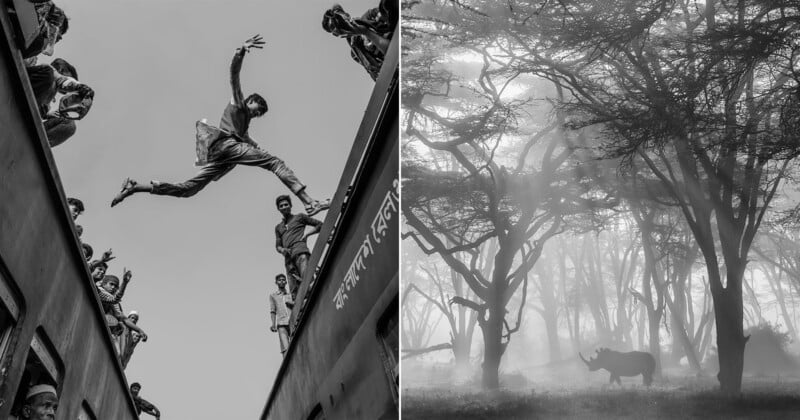
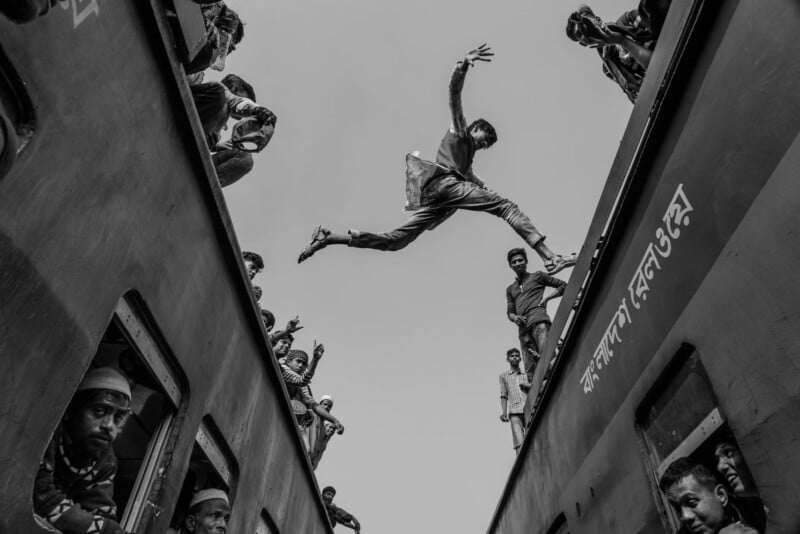
In a competition defined by exceptional technical mastery and profound narrative depth, Shengwei Dai emerged as the absolute winner. Dai secured the top honor with his breathtaking image titled Bishwa Ijtema 2, which captures a daring moment of a man leaping across the gap between two moving train roofs while a multitude of passengers look on. The photograph encapsulates raw human energy, precarious motion, and a striking juxtaposition of urban transit and collective communal experience. Alongside the ultimate accolade, Dai was awarded a €1,500 cash prize, representing the largest single payout in the five-year history of the awards program.
Evolution of the Competition and Category Expansion
Since its inception, the Black and White Photo Awards has grown exponentially, evolving into a premier platform for both established professionals and visionary amateur photographers. The 2026 edition introduced a vital structural update with the addition of the Open Theme category. Organizers created this new division specifically to accommodate photographs that, through their distinct artistic, narrative, or conceptual approaches, transcend the boundaries of traditional disciplines and do not fit neatly into conventional categorization.
The competition evaluates submissions across six distinct categories: Architecture, Fauna and Flora, Landscape, Portrait, Street, and the newly established Open Theme. Each category features a tiered recognition system consisting of Golden, Silver, and Bronze mentions to honor runners-up and honorable mentions. Furthermore, individual category winners each receive a €200 cash prize, recognizing excellence across specific photographic genres.
Architectural Precision and Urban Geometry
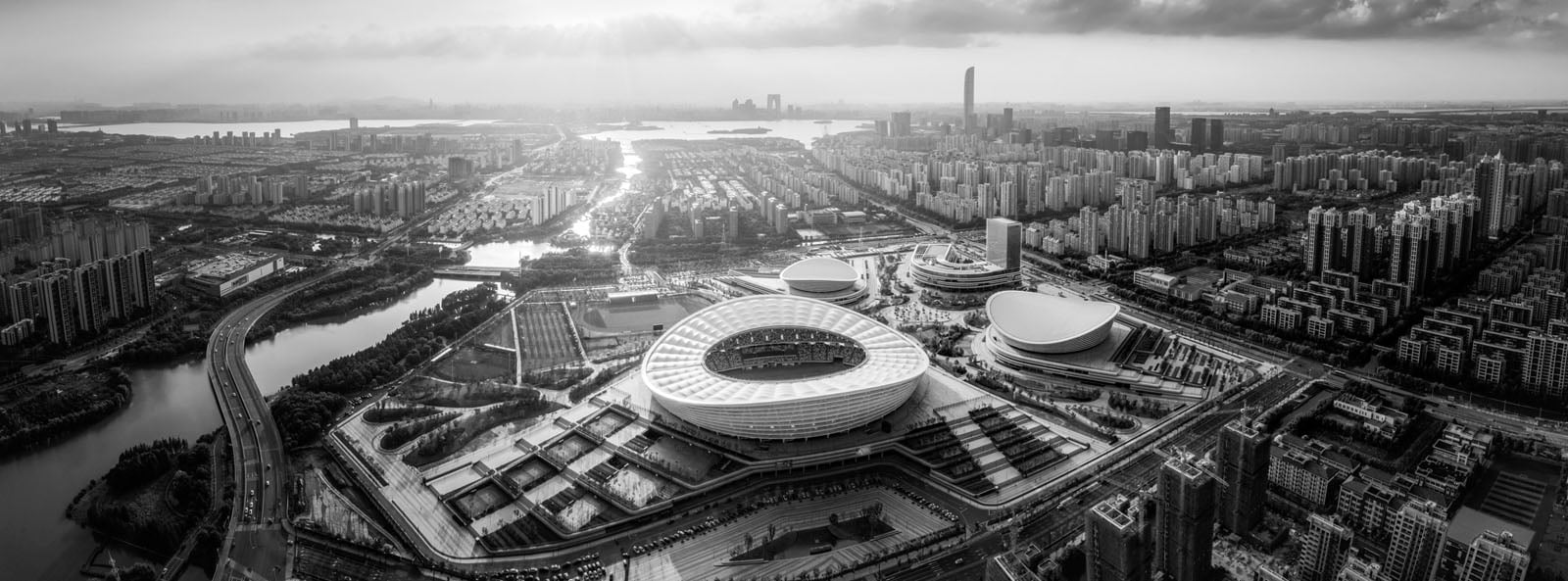
In the Architecture category, photographer Qian Shen claimed top honors with an extraordinary aerial composition focusing on the Suzhou Olympic Sports Center in China. Titled Urban landscape 7, Shen’s winning photograph presents a symmetrical, almost futuristic view of a modern sports stadium complex seamlessly integrated into a dense urban grid and flanked by a winding river.
The image highlights the strength of monochrome photography in architectural documentation. By stripping away chromatic elements, Shen emphasizes structural lines, geometric harmony, and the dynamic relationship between human-engineered mega-structures and their natural geographic surroundings. Judges praised the entry for its clean composition and scale, which transforms a contemporary civic development into a timeless geometric study.
Wildlife and Natural Wonder
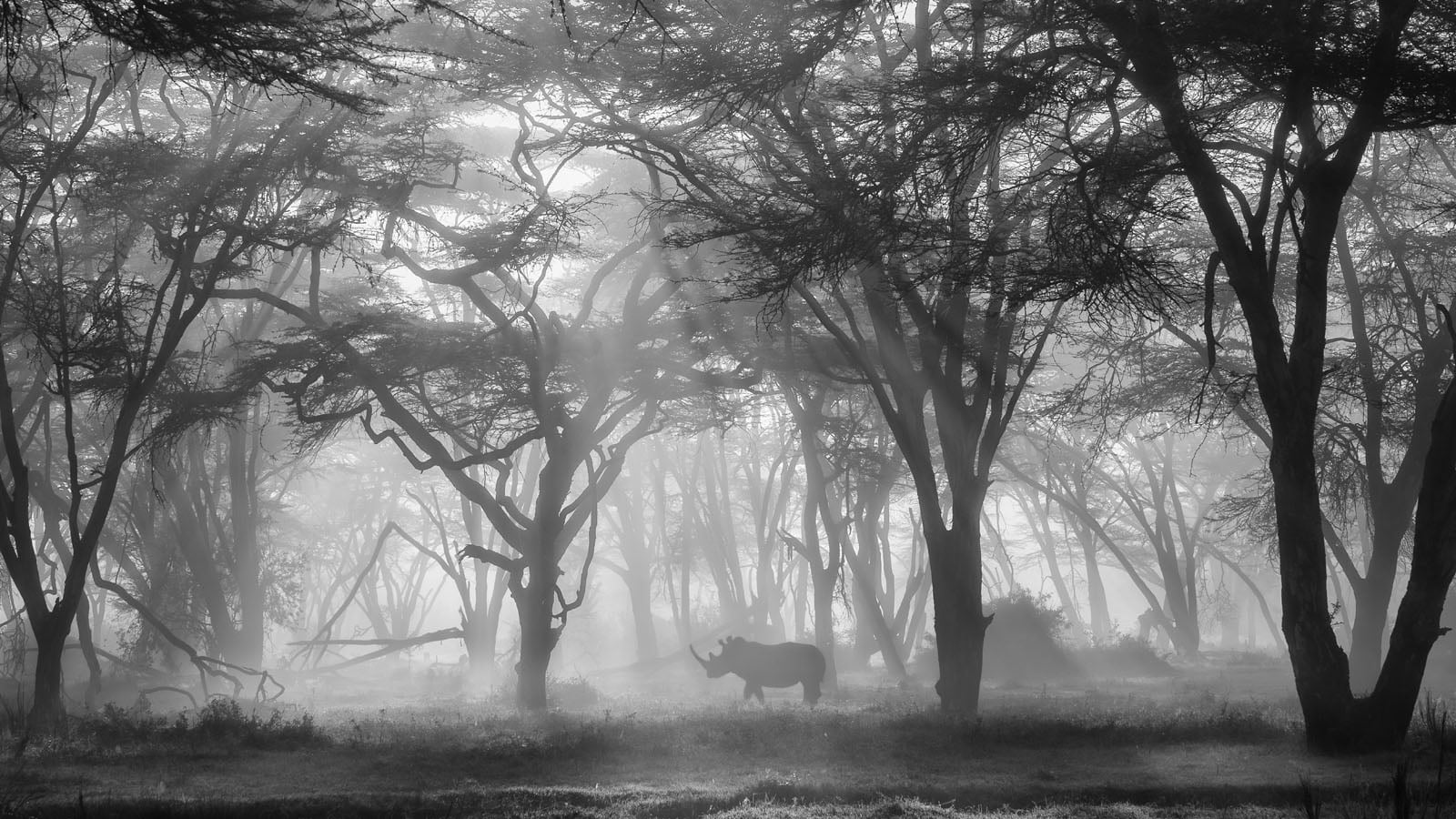
The Fauna and Flora category winner transported viewers to the tranquil and misty environments of East Africa. Mohammad Mirza captured the top prize with Silent Majesty, an evocative portrait of a white rhinoceros emerging from a shroud of mist and acacia trees within Kenya’s Solio Reserve, a private wildlife sanctuary dedicated to conservation.
Mirza’s use of natural fog and high-contrast lighting accentuates the rugged texture of the rhinoceros’s hide while casting the surrounding wilderness in an ethereal glow. The image serves as both a masterpiece of wildlife photography and a subtle commentary on the fragility and solemn beauty of endangered species in their natural habitats.
Abstract Landscapes and Aerial Perspectives
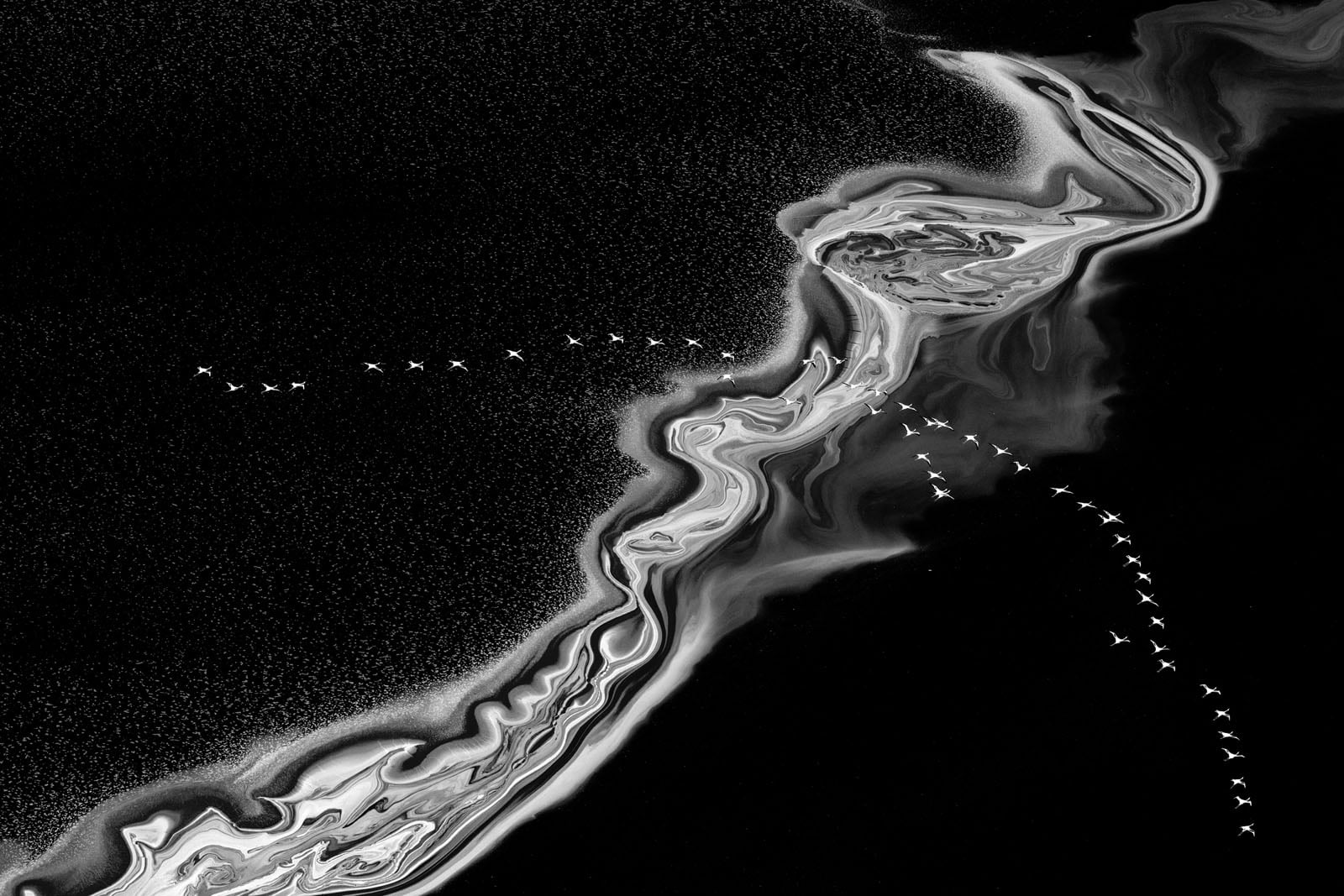
Landscape photography often relies on vast horizons, but the 2026 winner subverted traditional expectations through a soaring, top-down perspective. Jie Fischer secured the Landscape category victory with Flamingo in Flight 2, a nearly abstract aerial photograph capturing a curved formation of white flamingos soaring over a swirling, high-contrast terrain.
The image blurs the line between geography and fauna, presenting a pattern-filled landscape where the natural movement of wildlife mirrors the contours of the earth below. Fischer’s ability to capture rhythm and motion from high altitude demonstrated the creative breadth required to succeed in contemporary landscape photography.
Intimate Portraits and Silent Narratives
In the Portrait category, Happy Mukherjee’s Behind the Silence offered a deeply compelling psychological study. The winning photograph portrays a young girl peering intently through a glass windowpane, accompanied by two ghostly handprints pressed against the surface beside her.
Mukherjee’s composition invites viewers to ponder the emotional state and direct gaze of the subject. The interplay of reflection, transparency, and human touch creates a narrative rich with ambiguity, proving that monochromatic portraiture can convey profound intimacy without relying on color cues.
Pastoral Street Scenes and Modern Folklore
While street photography is frequently associated with bustling metropolitan streetscapes and rapid urban pacing, the Street category winner offered a starkly different interpretation of the genre. Chongfeng Wu captured top honors with Cow Watching, a pastoral and remarkably quiet scene depicting a young person balanced atop a wooden post amidst a herd of cattle in a dusty, misty field, holding a loop of rope in mid-air.
Wu’s entry challenges conventional definitions of street photography by shifting the focus from concrete sidewalks and urban architecture to rural coexistence, stillness, and traditional ways of life. The soft lighting and atmospheric haze lend the image a timeless, almost folkloric quality.
Inaugural Open Theme Triumph
Marking the debut of the competition’s newest division, Lloyd Lane captured the Open Theme category win with Convergence. Lane’s striking image documents a massive, swirling flock of starlings swarming dynamically over the historic Brighton Palace Pier in England under a heavy, overcast sky and a choppy, dark sea.
The photograph captures the natural phenomenon of murmuration with stunning clarity, contrasting the organic, chaotic movement of thousands of birds against the rigid, man-made architecture of the seaside pier. The Open Theme win underscores the competition’s commitment to rewarding conceptual risk-taking and environmental storytelling.
Broader Implications and Future Outlook
The conclusion of the 2026 edition highlights the enduring relevance and cultural impact of black-and-white imagery in a digital era saturated with high-definition color content. Industry analysts note that monochrome photography continues to thrive because it forces both creators and audiences to focus on foundational visual elements: composition, emotional resonance, tonal range, and light architecture.
All finalists across the six categories have been officially published on the official Black and White Photo Awards website, providing a comprehensive gallery of global contemporary talent. Looking ahead, the organization has already confirmed that the sixth annual competition will open for submissions on January 1, 2027, inviting photographers worldwide to test the limits of monochrome artistry once again.