Warcraft 3: Reforged Update 3.0 Sparks Fan Backlash After Removing Offline Play and LAN Support Alongside New Expansion


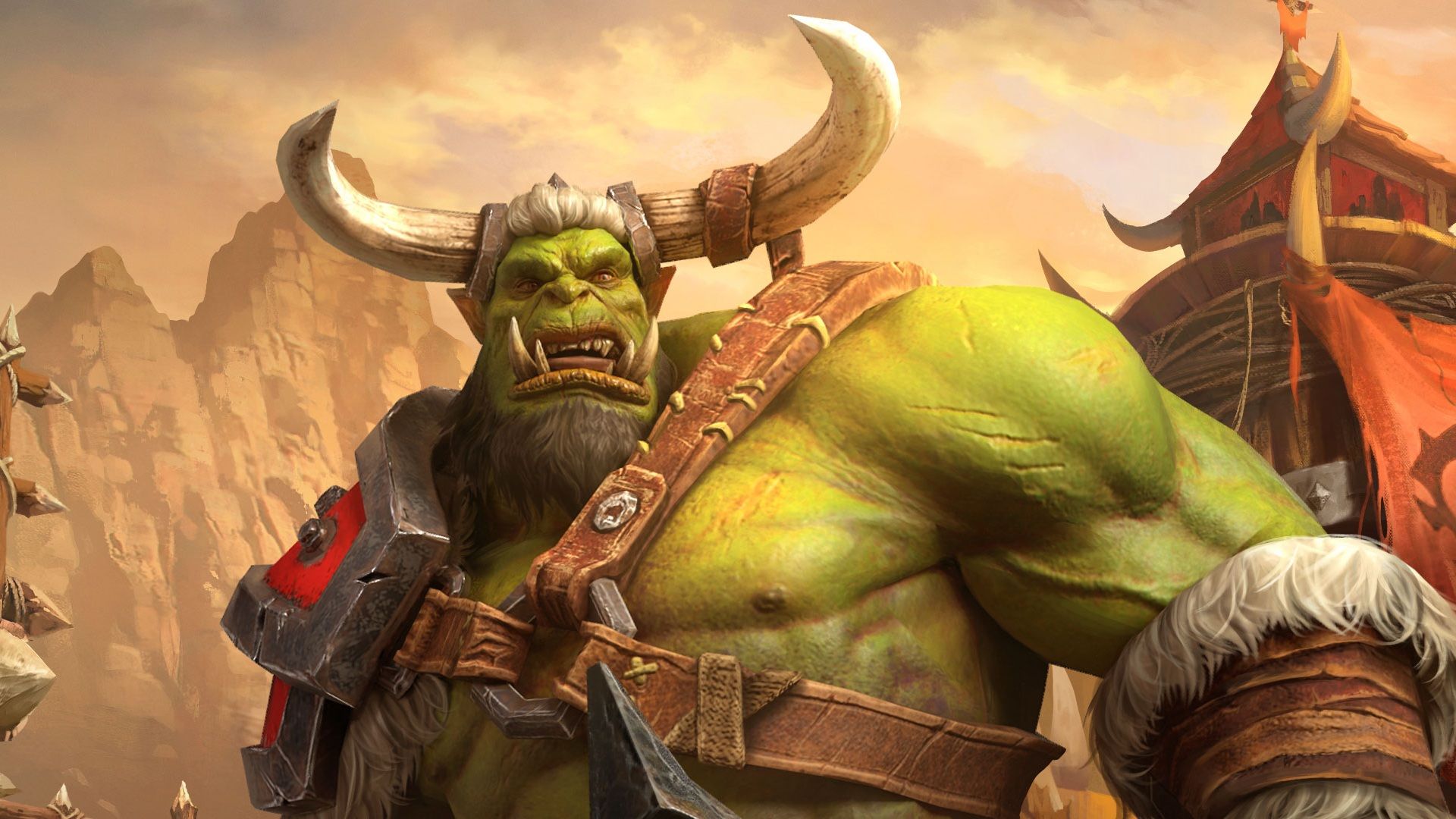
The deployment of the extensive Version 3.0 patch and the debut of the Forsaken Kingdom expansion for Warcraft 3: Reforged has been overshadowed by controversial technical restrictions introduced by developer Blizzard Entertainment. While the update and the new campaign—the first official real-time strategy content addition to the franchise in over two decades—were intended to revitalize the embattled title, patch notes revealed that the game now enforces a mandatory internet connection even for singleplayer modes and permanently strips out local area network (LAN) functionality. Blizzard omitted explicit justifications for these alterations within the official release documentation, leaving long-term supporters of the iconic 2002 real-time strategy (RTS) title grappling with unexpected regressions in accessibility.
A Controversial Step Forward and Backward
The rollout of Update 3.0 was envisioned as a cornerstone moment in the redemption arc of Warcraft 3: Reforged. Upon its initial launch, the remaster faced widespread community criticism regarding technical instability, missing features, and visual downgrades compared to early promotional material. Over subsequent years, development teams worked to claw back community goodwill, culminating in the Forsaken Kingdom expansion, which introduced fresh narrative experiences, a new graphics mode, and a highly requested quality-of-life feature: doubling the unit selection cap from 12 to 24.
However, the imposition of an always-online architecture for a fundamentally classic singleplayer experience has injected renewed friction into the relationship between the developer and its player base. Industry observers noted that while modern gaming trends increasingly favor cloud-connected infrastructure, legacy RTS communities place a high premium on autonomy, preservation, and uninterrupted access regardless of server status or internet reliability.
The Historical Context of Warcraft 3 and LAN Culture
To understand the weight of the community reaction, one must examine the foundational role that Warcraft 3: Reign of Chaos (2002) and its expansion, The Frozen Throne (2003), played in shaping modern competitive gaming and cooperative play. For over twenty years, LAN parties, collegiate club tournaments, and offline community gatherings relied heavily on the game’s native peer-to-peer network capabilities.
LAN functionality permitted users to compete in high-stakes matches without relying on centralized servers, completely bypassing issues related to latency spikes, internet service provider outages, and remote server maintenance. The removal of this feature in Reforged breaks a long-standing design philosophy that prioritized local player autonomy, forcing users who wish to organize localized tournaments or play without a broadband connection to seek alternative solutions.
Official Workarounds and Legacy Client Provision
In response to immediate user concerns, Blizzard directed players toward existing support documentation detailing how to access the legacy Warcraft 3 client. According to official corporate channels, purchasers of Warcraft 3: Reforged retain the legal and technical right to install the original, un-remastered client via their Battle.7net account management pages. This legacy version continues to support traditional offline play and native LAN networking.
Nevertheless, relying on a legacy fallback option has been interpreted by critics as an imperfect compromise. Gamers who paid for the updated graphics, modernized user interfaces, and integrated matchmaking systems of Reforged are now forced to choose between the visual fidelity and mechanical updates of the modern client and the fundamental offline freedoms preserved in the 22-year-old software. Analysts point out that bifurcating the player base in this manner complicates community standardization, particularly for map makers and custom game developers who utilize the updated editor toolsets.
Broader Implications of Always-Online Architecture in Singleplayer Games
The implementation of always-online requirements for singleplayer media remains one of the most contentious topics in the modern software industry. Dating back to the early 2010s, publishers have increasingly adopted server-tethered validation models to combat unauthorized software replication, streamline telemetry collection, and integrate live-service economies.
Consumer advocacy groups and technical analysts frequently push back against these measures, highlighting several systemic vulnerabilities:
- Infrastructure Dependency: When publishers sunset servers or experience unexpected technical outages, paying customers lose access to products they legally own.
- Geographic Disparities: High-speed, stable broadband internet remains geographically uneven, penalizing rural players or regions with underdeveloped telecommunications infrastructure.
- Software Preservation: Mandating active cloud synchronization creates a ticking clock for digital artifacts, as games inevitably become unplayable once corporate support ceases.
By introducing these constraints to a remastered historical title, Blizzard has reignited debates over consumer rights and digital ownership. While the inclusion of the Forsaken Kingdom expansion demonstrates an ongoing commitment to producing fresh content for the universe, the simultaneous erosion of offline freedoms illustrates the persistent tension between modern corporate publishing standards and the expectations of classic gaming communities.
Outlook and Community Response
As discussions continue across official Blizzard forums, social media platforms, and community hubs, the long-term impact of Update 3.0 on player retention remains uncertain. While the expansion content and positive mechanical adjustments—such as the increased unit selection cap—have been welcomed, the underlying architectural changes serve as a persistent reminder of the friction accompanying modern digital distribution models. Whether Blizzard will issue clarifying statements, provide adjustable offline patches, or leave the current restrictions in place will likely shape the historical legacy of Warcraft 3: Reforged for years to come.
Related posts: