Amazon Alexa Tablet 12 Pro Review: A Bold Step Beyond FireOS Into the Android Ecosystem

Amazon’s newly released Alexa Tablet 12 Pro marks a significant strategic pivot for the retail and technology giant, effectively closing the chapter on its long-running, proprietary FireOS software era. For years, Amazon tablets were synonymous with a restricted app store, heavy bloatware, and heavy-handed promotional interfaces. However, the introduction of the Alexa Tablet 12 Pro signals a transition toward standard Android integration, pairing versatile open-source software with high-end hardware configurations. Priced starting at $499 / £449 for the base 128GB model, the device positions itself directly against mainstream competitors like the Samsung Galaxy Tab S10 FE and the Apple iPad Air, attempting to capture a larger share of the productivity and media consumption tablet markets.
Background and Ecosystem Shift
The historical context of Amazon’s hardware lineup reveals a consistent reliance on low-cost devices subsidized by digital storefront integration and user interface advertising. While products like the Amazon Echo line and Fire HD tablets found success in smart home management and budget-friendly media consumption, tech consumers frequently criticized the sluggish performance and limited third-party application ecosystem of FireOS.
The decision to adopt Android for the Alexa Tablet 12 Pro allows consumers to bypass historical software constraints. Users retain the freedom to customize launchers, download applications from the broader Google Play ecosystem, and utilize native Google productivity tools alongside Amazon’s proprietary ecosystem. This shift addresses long-standing consumer grievances regarding software flexibility, though it maintains deep integration with Amazon services such as Prime Video, Kindle reading modes, and the Alexa smart assistant.
Design, Build Quality, and Peripherals
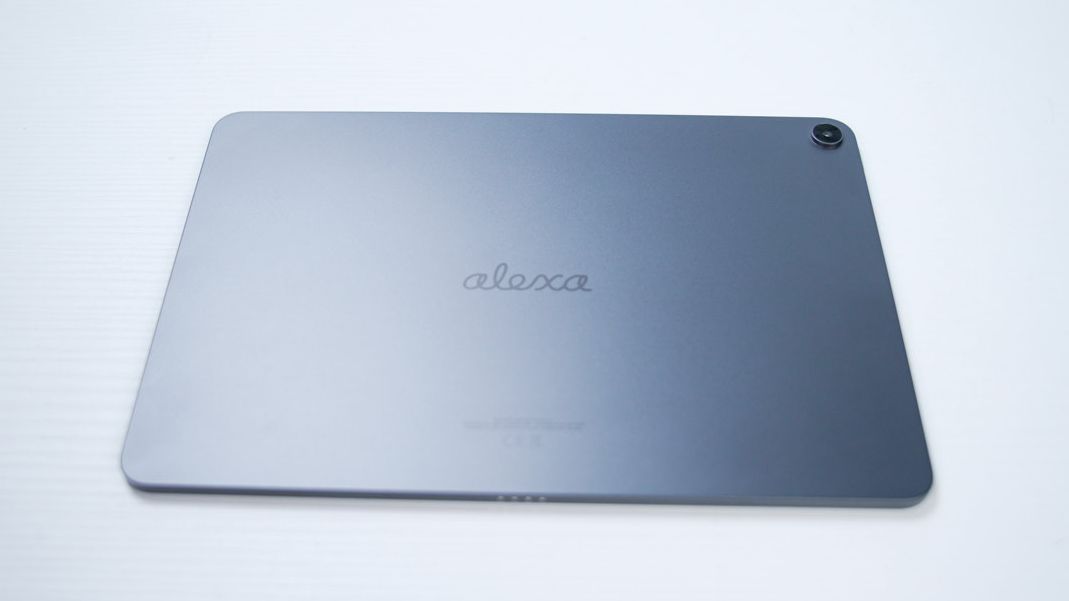
Measuring 270.8 mm x 183.85 mm x 6.5 mm and weighing 550 grams, the Alexa Tablet 12 Pro adopts a 3:2 aspect ratio tailored for document reading and horizontal multitasking. The tablet features a premium aluminum casing with a smudge-resistant finish and an IP52 dust and splash resistance rating.
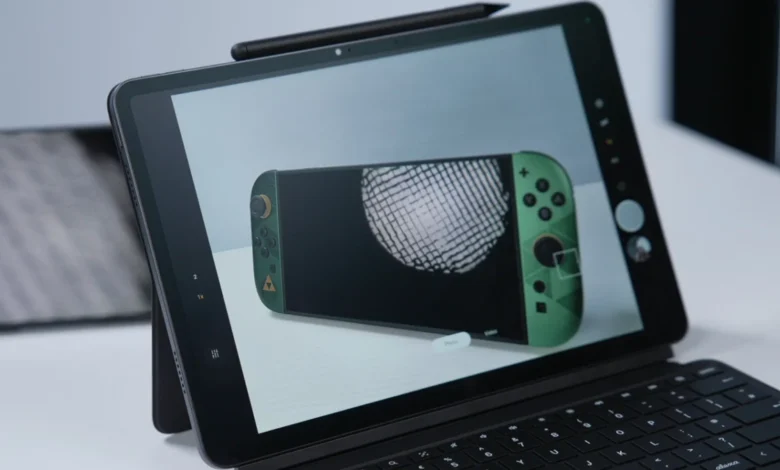
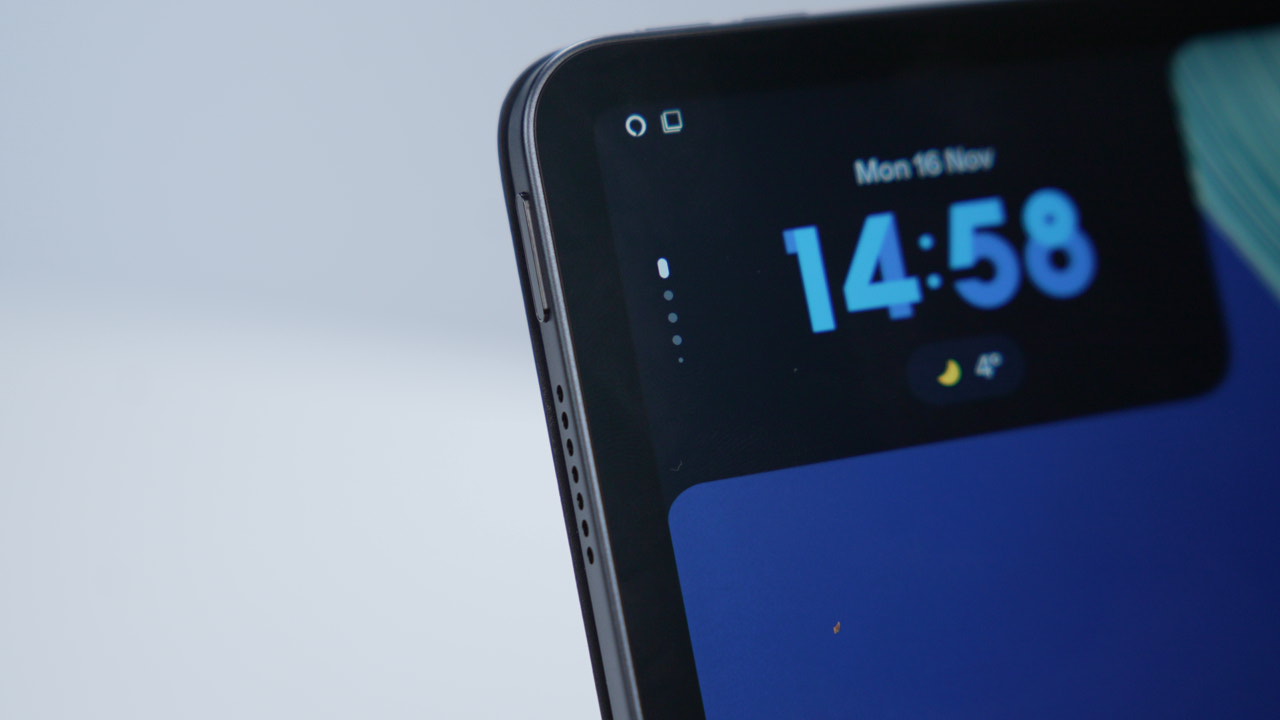
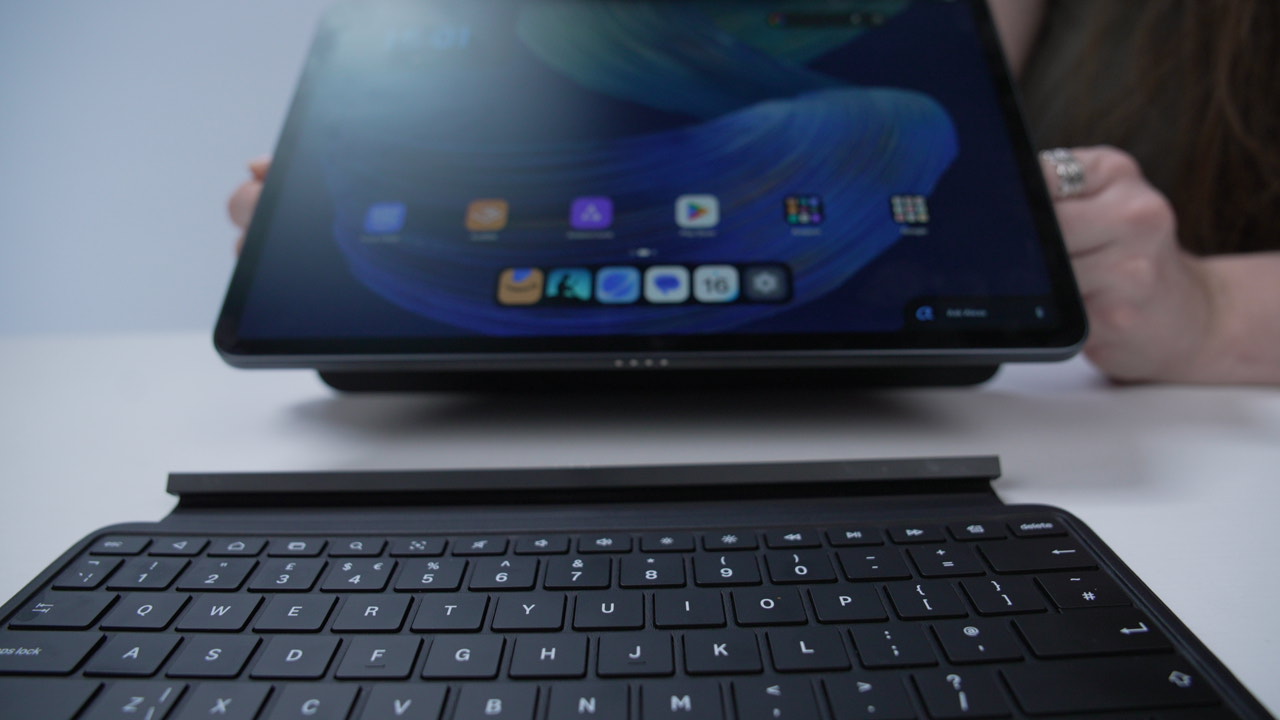
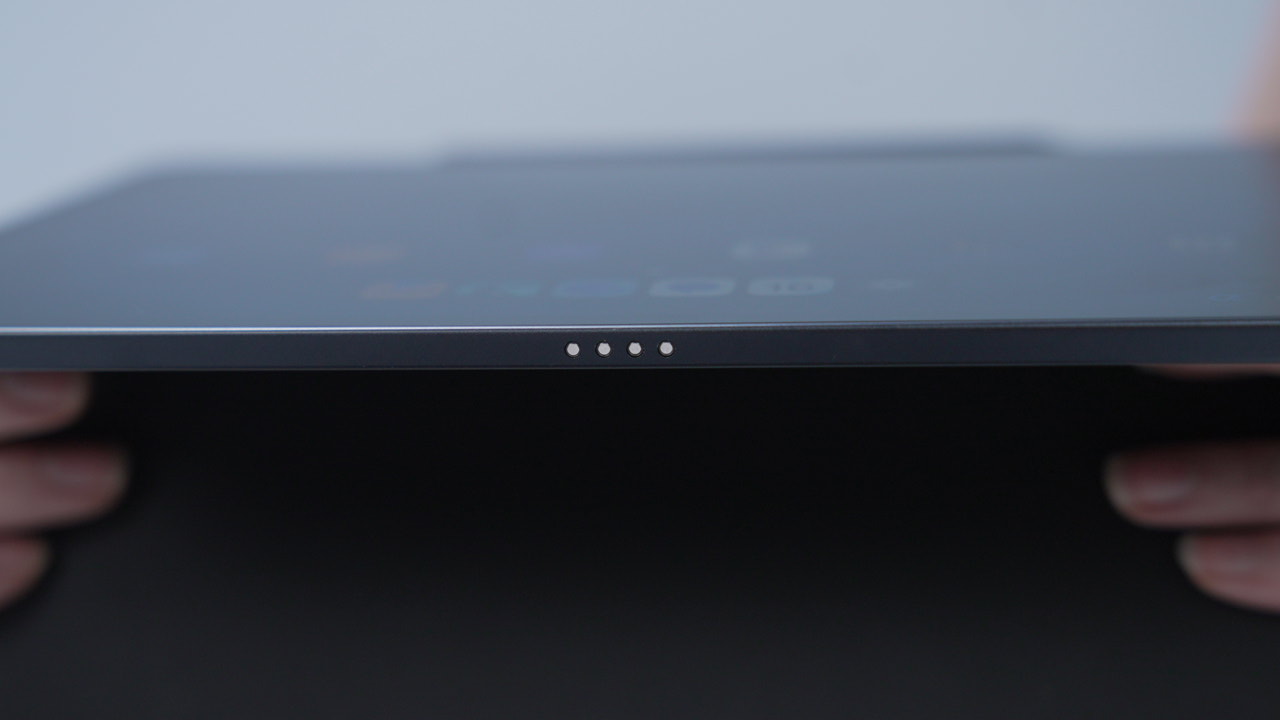
Physical controls include a fingerprint sensor integrated into the power button, a volume rocker on the right edge, a USB-C 3.2 Gen 1 port on the bottom edge, and pogo pins on the left side for accessory attachment. The optional accessories—a chiclet keyboard folio priced at $149.99 / £129.99 and a magnetic stylus priced at $89.99 / £79.99—unlock advanced productivity workflows, though purchasing them separately significantly increases the total cost of ownership. The keyboard includes dedicated shortcuts and writing assistance features, while the stylus offers magnetic wireless charging and a dual-purpose design with an eraser tip.
Display Technology and Visual Performance
A standout feature of the Alexa Tablet 12 Pro is its 12-inch 2.8K LCD display, which boasts a resolution of 2800 x 1840, a pixel density of 280 ppi, and a 120Hz refresh rate. Reviewers have highlighted the optional nanomatte screen variant, available for an additional $50 / £50.
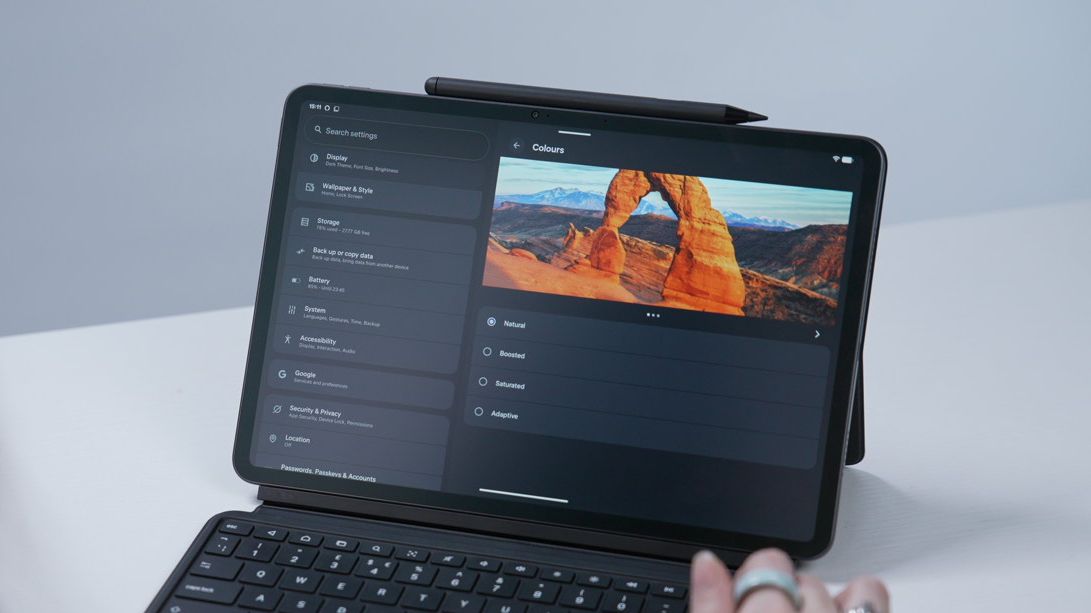
The nanomatte coating provides substantial anti-glare properties, diffusing reflections effectively in most indoor lighting conditions despite a peak brightness rating of 500 nits. The surface texture mimics paper, making it particularly advantageous for digital reading and stylus input. However, color reproduction in the default "Boosted" profile can appear overly saturated, prompting users to switch to the "Natural" profile for accurate video streaming. Furthermore, while the display excels in reading applications, drawing enthusiasts may note limitations in palm rejection software when utilizing third-party artistic applications compared to specialized devices like the iPad Pro.
Hardware Performance and Processing Power
Under the hood, the Alexa Tablet 12 Pro is powered by the 4nm MediaTek Dimensity 8400 octa-core CPU, paired with an Arm Mali-G720 7-core GPU. Base configurations offer 128GB of storage, while upgraded models provide up to 16GB of RAM and 256GB of storage.
In benchmark testing and daily usage, the chipset proves adequate for general multitasking, document editing, and moderate media consumption. While it handles split-screen workflows and resource-intensive applications such as Wuthering Waves or Clip Studio Paint with acceptable performance adjustments, it does not achieve the processing benchmarks set by Apple’s M-series chips or high-end Qualcomm Snapdragon processors. Some users may experience occasional software stutter or application loading delays, raising questions regarding long-term hardware longevity over a three-to-four-year upgrade cycle.
Software Integration and User Interface
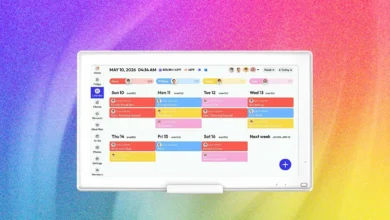
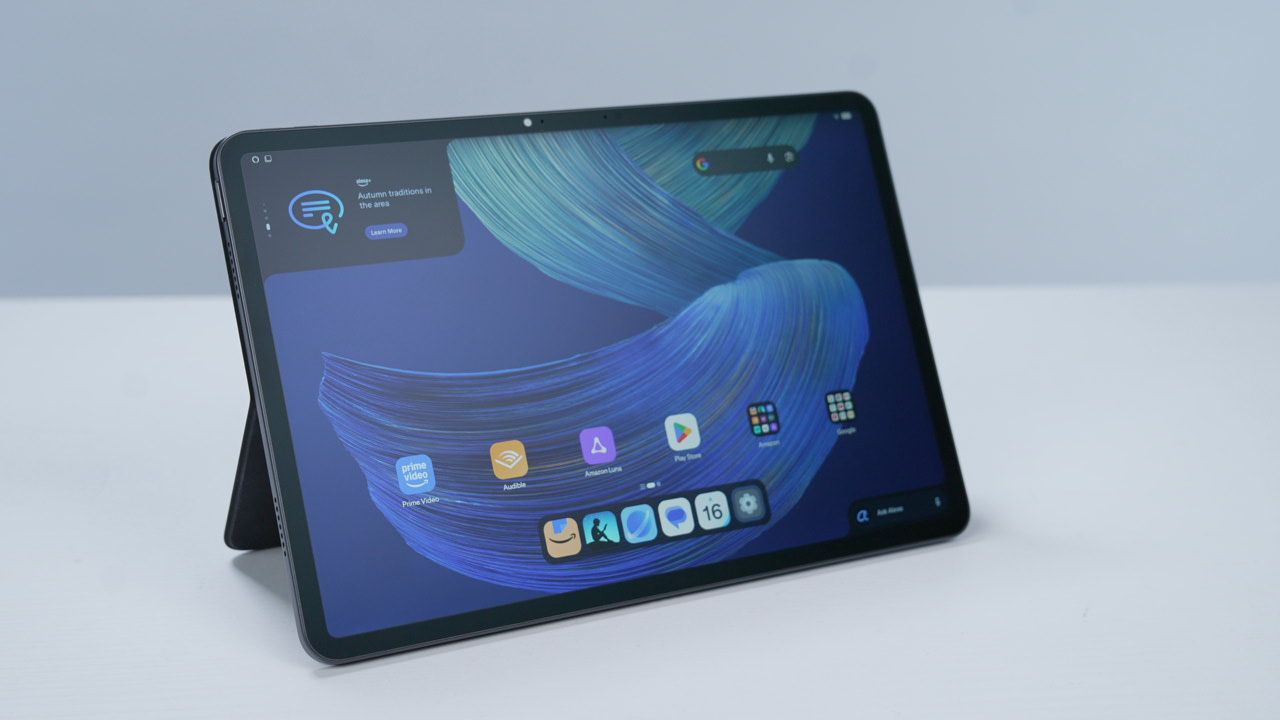
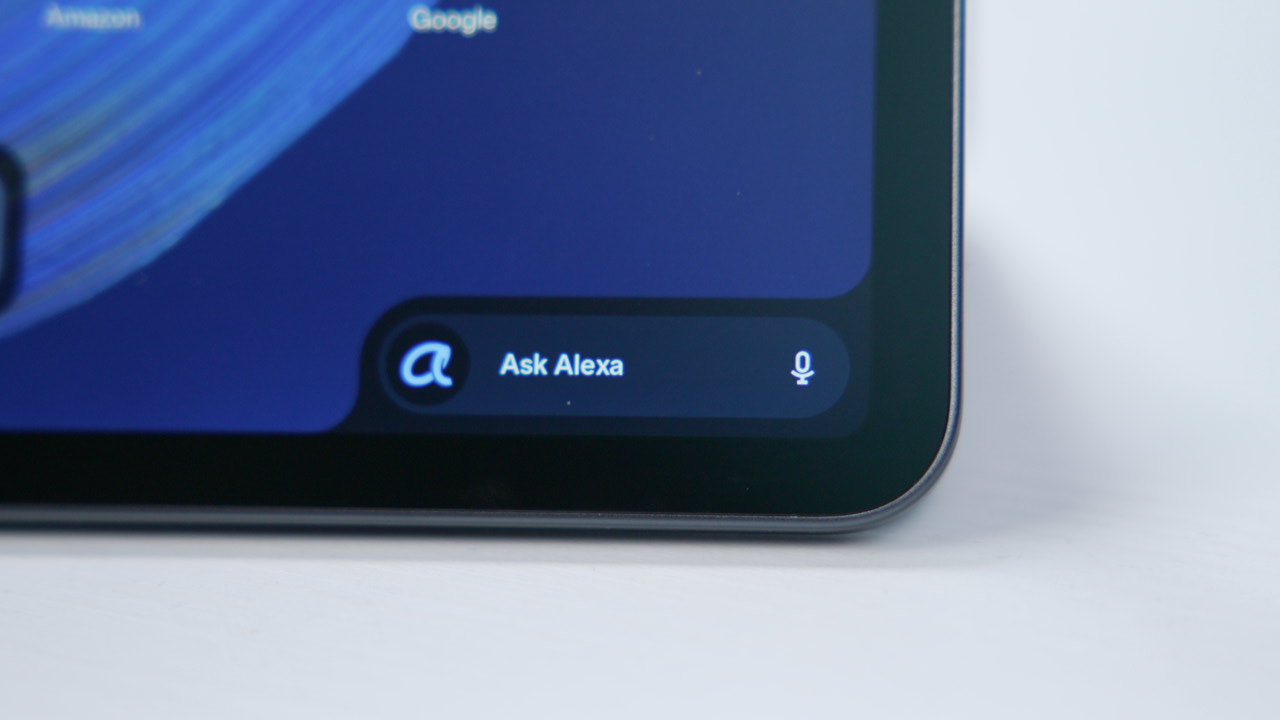
Running on Android 16 with subsequent updates slated for Android 17, the operating system layers Amazon services directly into the user experience. A prominent top-left widget displays recently accessed media from Amazon platforms, while the "Ask Alexa" search bar provides voice and text query access.
The Kindle application receives specific optimization features, automatically shifting the display into a blue-light-reducing reading mode that minimizes notifications and preserves battery life upon opening text documents. Despite concerns regarding potential software bloat, the open nature of the Android OS ensures that users dissatisfied with Amazon’s native launcher can install alternative interfaces from the Google Play Store, mitigating forced promotional content.
Battery Life and Power Management
Power is supplied by a 9000mAh battery unit, which Amazon estimates capable of up to 16 hours of continuous video playback. Real-world testing indicates more conservative metrics; continuous video streaming via platforms like Netflix typically depletes approximately 50% of the charge within four hours, resulting in a total runtime of roughly eight hours under heavy media loads. Recharging the device from zero to full capacity takes between two and three hours via the USB-C port, placing it in line with industry standards for mid-range large-screen tablets.
Market Positioning and Competitive Analysis
At a starting price point of $499 / £449 for the base model, rising to $549 / £499 for the nanomatte screen variant, the Alexa Tablet 12 Pro occupies a competitive tier within the modern tablet market.
- Samsung Galaxy Tab S10 FE: Priced at $549.99 / £539, Samsung’s offering features a slightly smaller 90Hz display, superior IP68 water and dust resistance, and includes the S Pen in the box, though it utilizes a less powerful processor.
- Apple iPad Air: Starting at $749 / £749, the 11-inch iPad Air delivers exceptional processing capabilities via Apple’s M4 chipset, but is limited by a static 60Hz display and a higher overall entry cost.
Implications and Industry Outlook
The release of the Alexa Tablet 12 Pro reflects Amazon’s recalibration of its hardware strategy, acknowledging consumer demand for open software ecosystems rather than restricted proprietary platforms. By combining competitive pricing, a high-refresh-rate display, and Android compatibility, Amazon has delivered a versatile mid-range device suitable for reading, household management, and productivity tasks.
However, the high cost of optional peripherals and the limitations of a mid-range MediaTek processor suggest that the device functions best as a multi-purpose household hub rather than a high-performance workstation. As Amazon continues to iterate on its post-FireOS hardware roadmap, the market reception of the Alexa Tablet 12 Pro will likely dictate the future trajectory of the company’s tablet portfolio.