Uber Launches Integrated Parking Reservation Service to Bolster Commuter Ecosystem and Future Autonomous Operations

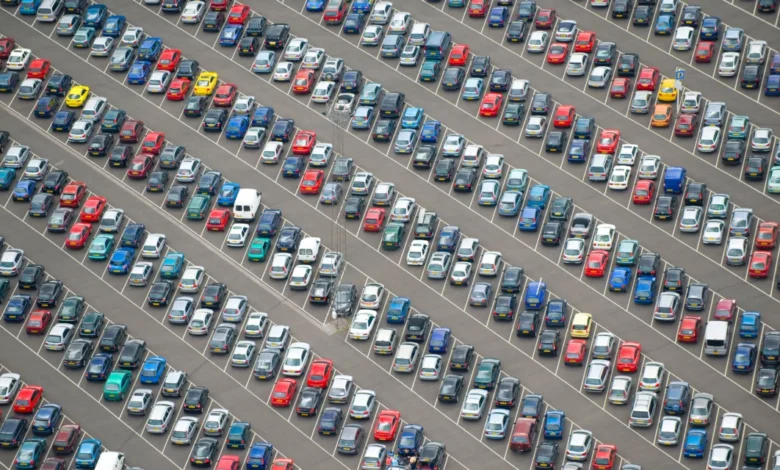
Uber officially entered the parking reservation market on Monday, marking a strategic pivot in its ongoing efforts to become the primary interface for urban mobility. By integrating the technology gained through its acquisition of SpotHero, the ride-hailing giant is now allowing users in 15 major U.S. cities to discover, reserve, and pay for parking directly through the Uber app. This move represents a significant expansion of the company’s "everything app" strategy, positioning the platform as a comprehensive tool for commuters regardless of whether they are hailing a ride or driving their own vehicles.
The launch follows a nine-month integration period after Uber’s acquisition of SpotHero, which was finalized in February. Through this integration, Uber gains immediate access to a robust network of 13,000 garages, surface lots, and valet services spanning more than 400 cities. While the service currently targets human drivers navigating urban centers, the underlying infrastructure is poised to play a pivotal role in the company’s long-term vision for autonomous vehicle (AV) deployment.
A Strategic Timeline of Expansion
The acquisition of SpotHero serves as the cornerstone of this new service. When the deal was first announced in early 2026, industry analysts speculated that Uber would leverage the parking inventory to solve one of the most persistent issues in urban transportation: the "last-mile" inefficiency of private vehicle travel.
The chronology of this development reflects a broader shift in Uber’s corporate focus. In the years following the pandemic, the company moved away from its singular focus on ride-hailing to embrace a multi-modal approach. By 2025, Uber had already integrated public transit routing, car rentals, and hotel bookings into its platform. The addition of parking, therefore, is not a standalone feature but a vital component of a larger "commuter ecosystem."
Addressing the Commuter Pain Point
During the company’s third-quarter 2026 earnings call, CEO Dara Khosrowshahi emphasized that the commuter demographic represents one of the company’s most lucrative and loyal user segments. By offering a unified interface for travel—which now includes the ability to book a ride, secure a parking spot, or manage a transit pass—Uber aims to increase the "stickiness" of its application.
"Commute is one of our largest categories," Khosrowshahi stated during the call. "To be able to offer commuters an Uber to work, a pass to avoid surge, and parking if they want it when they want to drive is a great example of us building out our inventory of services to the commuter who is a top customer for us."
This strategy is bolstered by the Uber One membership program. With over 55 million subscribers as of September 30, 2026, Uber is leveraging its loyalty base to drive adoption of the new parking feature. Members are incentivized with a 10% credit back on eligible parking reservations, which can subsequently be applied to ride-hailing or food delivery services, effectively trapping the consumer within the Uber ecosystem.
Operational Mechanics and Market Reach
The service is launching across a diverse range of major U.S. metropolitan areas, specifically: Atlanta, Austin, Boston, Chicago, Dallas, Denver, Los Angeles, Miami, Nashville, New York City, Philadelphia, San Diego, San Francisco, Seattle, and Washington, DC.
The user experience is designed to be seamless. Upon opening the app, users will see a "Parking" option on the home screen. After inputting their destination and the required time frame, the app displays an interactive map of available lots. Users can filter by facility type—such as valet or self-park—and view transparent, upfront pricing. Once a spot is selected, payment is processed through the existing Uber wallet. Upon arrival, the system utilizes either license plate recognition technology or QR code scanning to verify the reservation, ensuring a frictionless entry and exit process.
The Future of Autonomous Staging
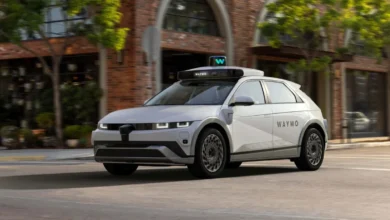
While the immediate focus is on the human commuter, the long-term strategic implications of the SpotHero integration point toward the inevitable rise of autonomous fleets. One of the most significant operational challenges for AV companies is "deadheading"—the miles a vehicle must travel while empty to reach a passenger or a charging station.

By securing access to a vast network of parking facilities, Uber is creating a "staging ground" for future autonomous operations. These locations can serve as hubs where AVs wait for ride requests during low-demand periods or recharge their systems. By utilizing parking lots as strategic waiting zones rather than having vehicles circulate aimlessly on public roads, Uber aims to reduce urban congestion and significantly lower the operational costs associated with fleet management.
Market Analysis: Implications for Urban Mobility
The introduction of this service carries several implications for the broader transportation market. First, it places Uber in direct competition with traditional parking aggregators and municipal parking authorities. By consolidating the fragmented parking market into a single, user-friendly digital interface, Uber is effectively setting a new standard for consumer expectations in urban navigation.
Second, the data collected from these parking interactions will provide Uber with unprecedented insights into urban traffic patterns. Understanding where drivers are parking, how long they stay, and how often they transition from driving their own vehicles to using other modes of transport will allow Uber to refine its predictive algorithms. This data is invaluable for the company’s ongoing partnerships with various autonomous vehicle developers.
However, the move is not without its risks. By integrating parking, Uber must navigate the complex regulatory landscapes of 15 different major cities, each with its own zoning laws, tax structures for parking, and traffic management policies. Furthermore, the company faces the challenge of maintaining service quality across a massive network of third-party garages. Any disruption in the digital handshake between the Uber app and the parking facility’s hardware—such as a failure in license plate recognition—could lead to significant user frustration.
Supporting Data and Economic Context
The push into parking is part of a deliberate attempt to capture a larger share of the "total addressable market" (TAM) for urban transit. According to industry reports, the average urban commuter spends approximately 17 hours a year searching for parking, a process that accounts for up to 30% of traffic congestion in major city centers. By streamlining this process, Uber is positioning itself as a solution to a systemic urban inefficiency.
From a financial perspective, the move is designed to stabilize revenue streams. While ride-hailing can be subject to seasonal and economic volatility, parking is a perennial necessity. By integrating this service, Uber creates a more predictable revenue pipeline, as commuters are likely to use the service on a daily or weekly basis.
The integration of hotel bookings and parking reservations signifies that Uber is successfully transitioning from a "gig economy" platform into a comprehensive mobility and lifestyle utility. As the company continues to refine its ecosystem, the focus remains on reducing the friction of modern life, a goal that aligns with the broader trends of urbanization and digital transformation.
Official Stance and Future Outlook
While Uber has not provided specific growth targets for the parking service, the initial rollout in 15 of the most congested cities in the United States suggests a high-volume strategy. The company has indicated that it will continue to evaluate the performance of the service and may expand to additional markets depending on consumer demand and infrastructure availability.
For the parking facility operators, the partnership provides a new, highly visible digital storefront that can help fill capacity during off-peak hours. By tapping into the millions of active users already on the Uber platform, operators can potentially increase their occupancy rates without the need for additional marketing expenditure.
As Uber continues to execute its multi-faceted strategy, the industry will be watching closely to see how effectively the company can balance the needs of human commuters with the technical requirements of its future autonomous partners. For now, the parking service represents a significant leap forward in the company’s ambition to orchestrate the movement of people and vehicles in an increasingly complex urban environment. The move is a testament to the fact that, in the modern economy, the company that controls the interface controls the flow of commerce.