The modern professional, student, and creative enthusiast demand more from their hardware than ever before. As the boundary between traditional office environments and remote, mobile workspaces continues to blur, the endurance of a laptop’s battery has transitioned from a secondary convenience to a critical performance metric. In 2025, the industry has seen a significant shift, driven by advancements in power-efficient silicon from Apple, Qualcomm, and Intel, resulting in machines that can reliably sustain an entire workday—and beyond—on a single charge.
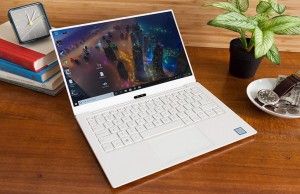
This evolution in battery longevity is not merely the result of larger, heavier battery cells. Instead, it is the product of sophisticated architectural optimizations, including advanced power management software and the integration of highly efficient system-on-a-chip (SoC) designs. As users navigate demanding workloads, from high-fidelity video rendering to extensive multi-tab web browsing, the disparity between high-performance workstations and ultraportable notebooks is narrowing, providing consumers with unprecedented flexibility.
The Evolution of Battery Benchmarking
Historically, the laptop industry relied on video-playback testing to market battery longevity, a metric that rarely reflected real-world, erratic usage patterns. Recognizing this, the Laptop Mag Battery Test 2.0 was developed to provide a more rigorous, standardized assessment. This test involves continuous web surfing over a Wi-Fi connection at a standardized 150 nits of screen brightness. By maintaining this consistent environment across all review units, the test effectively isolates the hardware’s power efficiency from variables such as display panel consumption or background software bloat.
While these laboratory results serve as a benchmark for comparative analysis, they represent a baseline. Real-world performance will inevitably fluctuate based on user behavior. Intensive tasks, such as gaming, 4K video editing, or running multiple virtual machines, will naturally accelerate power draw. Conversely, users who leverage built-in battery-saver modes and screen-dimming features may find their real-world results exceeding these laboratory figures.
Market Leaders and Performance Tiers
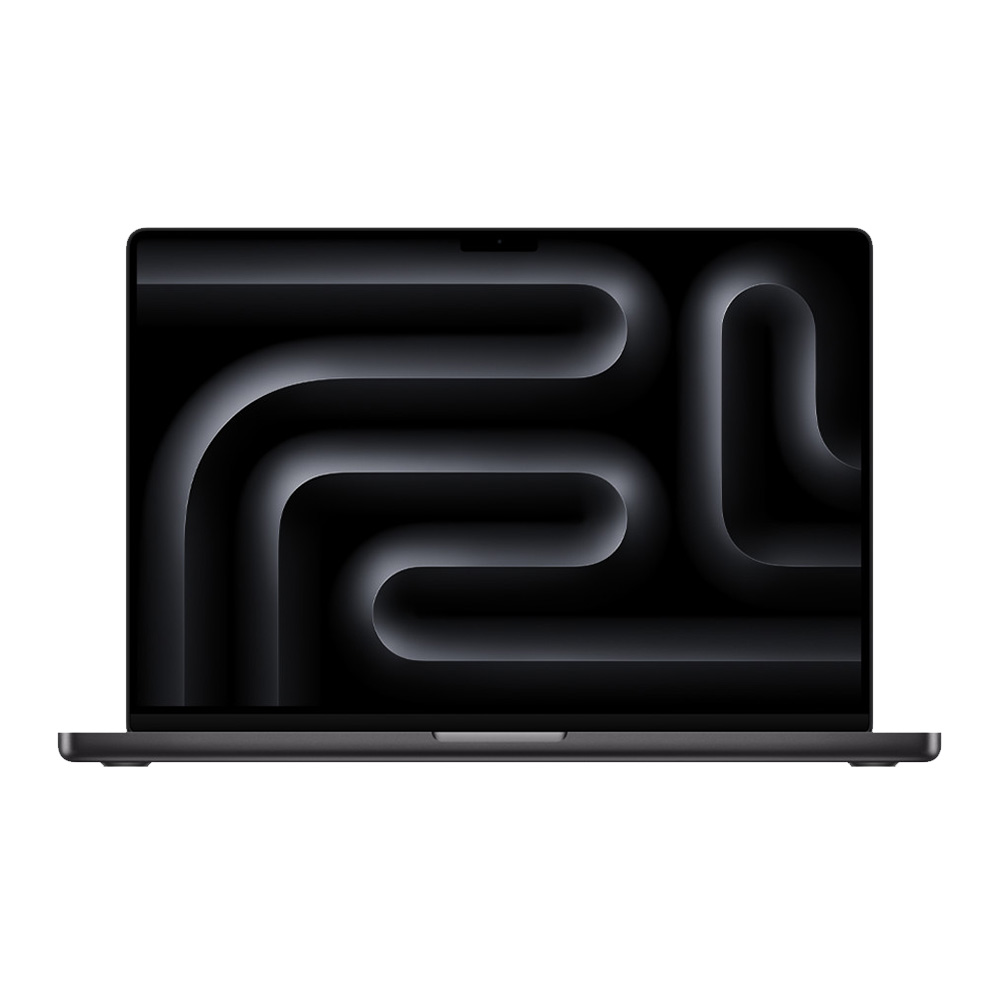
The landscape of high-end laptops in 2025 is dominated by machines that balance raw computing power with remarkable efficiency. At the top of the hierarchy, the Apple MacBook Pro 16-inch, equipped with the M4 Pro chip, has set a new industry standard. Delivering 20 hours and 46 minutes of runtime, this machine proves that extreme performance—capable of handling complex creative workflows—does not necessitate a compromise in portability or battery life.
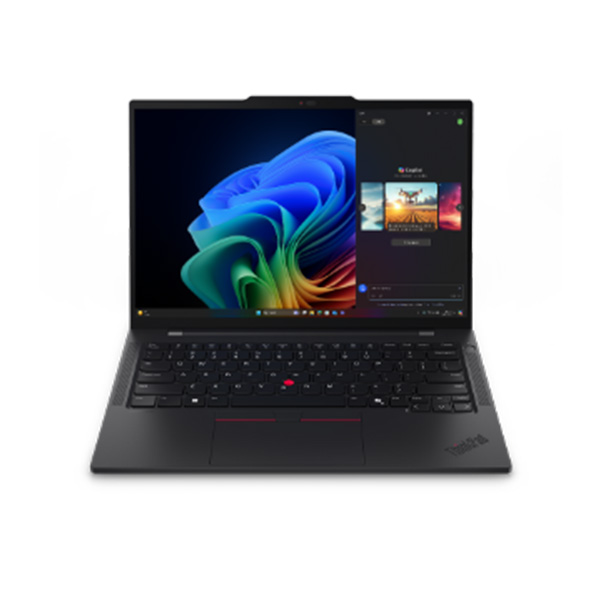
The emergence of the Snapdragon X Elite chipset has also disrupted the status quo for Windows-based devices. The Lenovo ThinkPad T14s Gen 6, utilizing this ARM-based architecture, has achieved a record-breaking 21 hours and 3 minutes of battery life. This milestone represents a significant leap for the business-laptop sector, where all-day, unplugged reliability is the primary requirement for professionals on the move.
The following table summarizes the performance metrics of these top-tier machines:
| Model | Battery Life (HH:MM) | Geekbench 6 (Multi-core) |
|---|---|---|
| Lenovo ThinkPad T14s Gen 6 | 21:03 | 14,486 |
| Apple MacBook Pro 16 (M4 Pro) | 20:46 | 22,822 |
| Lenovo ThinkPad P1 Gen 7 | 17:23 | 12,974 |
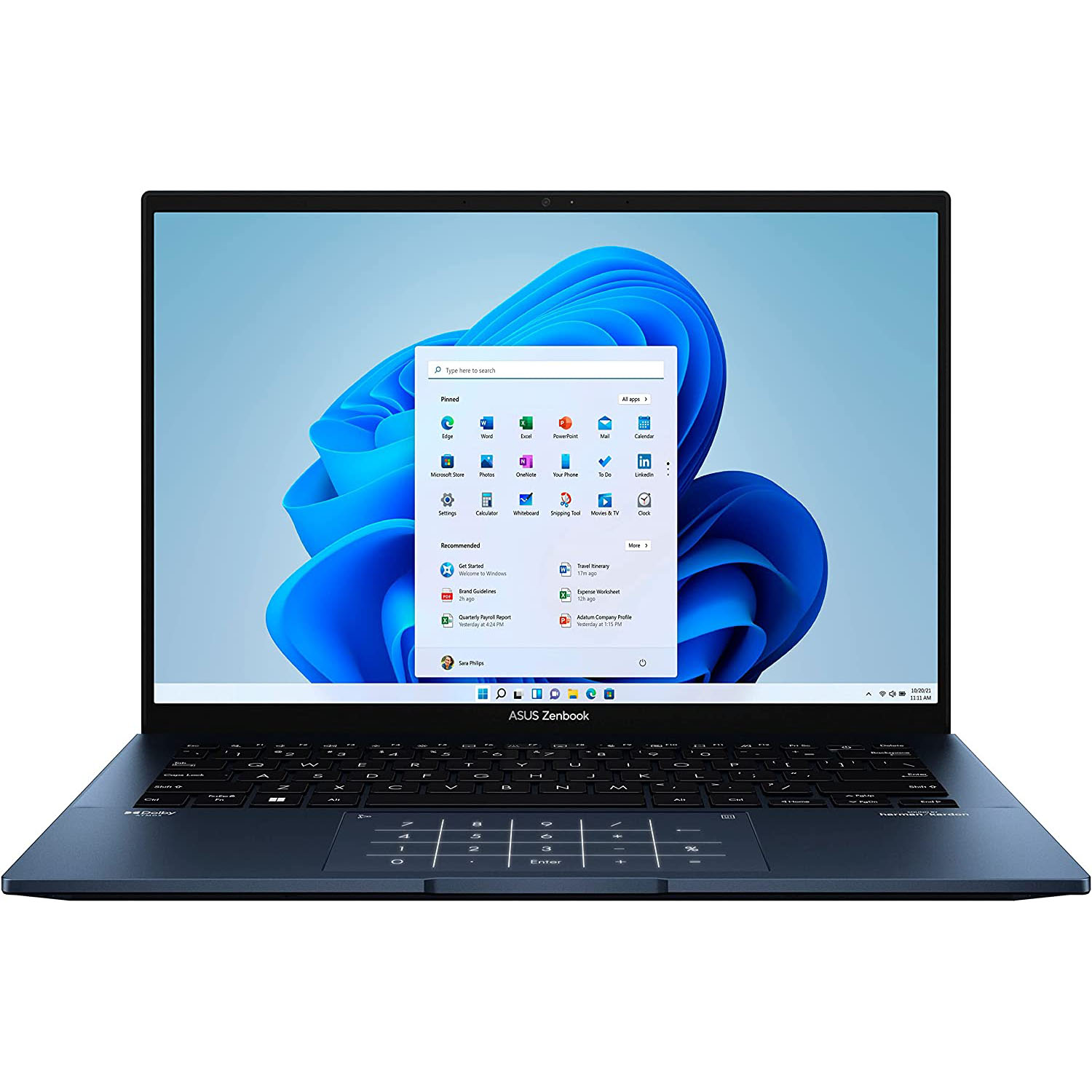
| Asus Zenbook 14 OLED | 15:52 | 12,707 |
| Apple MacBook Air 13 (M4) | 15:30 | 14,849 |
| Asus TUF Gaming A14 | 10:04 | 11,330 |
The Business and Gaming Divide
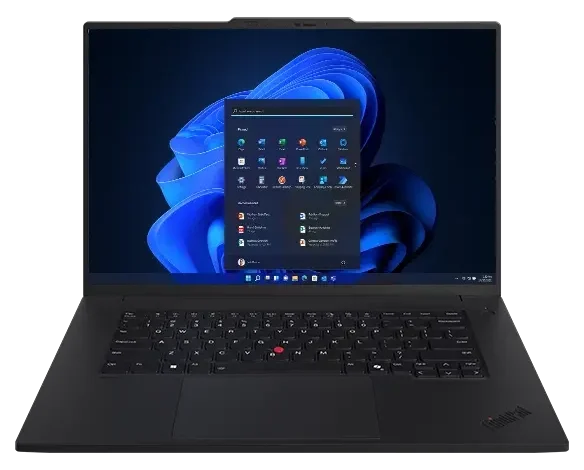
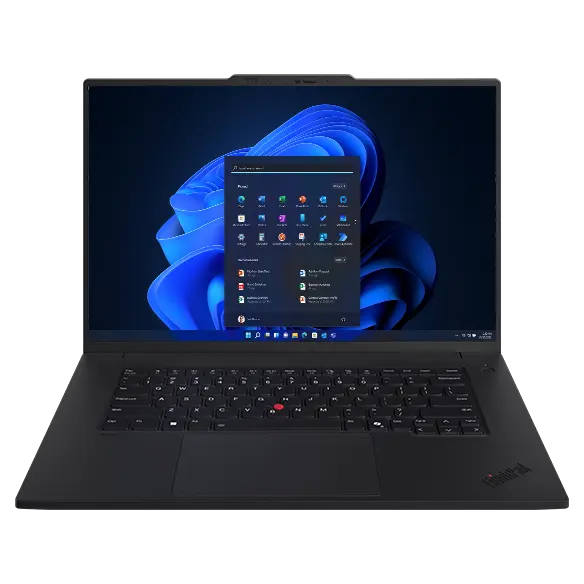
The requirements for a business workstation differ drastically from those of a gaming laptop, yet both categories have seen marked improvements. The Lenovo ThinkPad P1 Gen 7 serves as a premier example of a high-performance workstation that maintains 17 hours and 23 minutes of battery life. It caters to engineers and designers who require dedicated graphics and substantial processing power without being tethered to a desk.
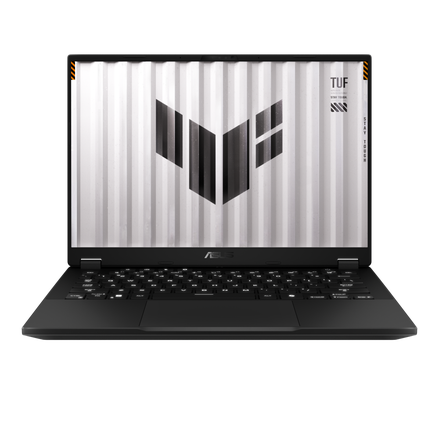
Simultaneously, the gaming sector—long criticized for poor battery performance due to power-hungry discrete GPUs—is undergoing a transformation. The Asus TUF Gaming A14, which offers 10 hours and 4 minutes of battery life, is an outlier in a market where the average gaming laptop struggles to surpass five hours. By utilizing the AMD Ryzen 7 8845HS and the Nvidia GeForce RTX 4060, Asus has successfully bridged the gap between a portable gaming machine and a viable, all-day work device.
Strategic Implications for Consumers
For the average consumer, the choice of a laptop is no longer a trade-off between power and endurance. However, the cost of entry for these efficient machines remains high. Premium models like the MacBook Pro 16-inch start at $2,499, targeting professionals who derive direct value from the extended battery life and high-performance overhead.
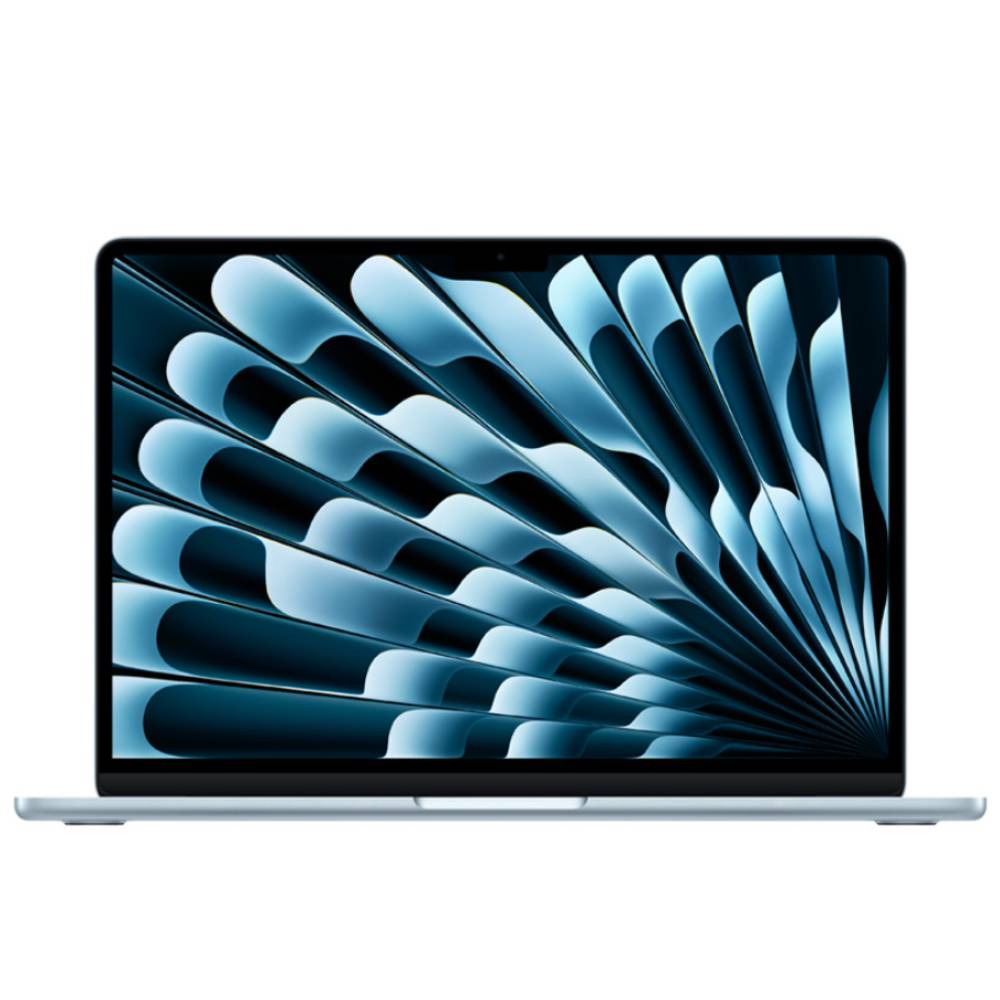
For the budget-conscious, the Asus Zenbook 14 OLED provides a compelling alternative. At a lower price point, it manages nearly 16 hours of battery life, proving that high-efficiency components are becoming increasingly accessible. Similarly, the 13-inch MacBook Air (M4), priced at $999, remains the gold standard for value, offering a blend of performance, portability, and longevity that serves the vast majority of student and general-office use cases.
Long-Term Battery Health and Maintenance
As battery technology advances, the onus of maintaining that longevity shifts to the user. Laptop batteries are chemical components that naturally degrade over time. To ensure that a device retains its rated capacity, manufacturers recommend keeping the battery between 20% and 80% charge levels whenever possible and avoiding extreme heat. Heat is the primary enemy of lithium-ion longevity; users working in high-temperature environments or performing heavy, sustained tasks will see a faster decline in total battery health compared to those who maintain a cooler operating environment.
Looking Toward the Future
The trends observed in early 2025 suggest that we are entering an era of "compute efficiency." The industry is moving away from the "power at all costs" mentality that defined the previous decade. With the maturation of ARM-based Windows laptops and the continued iterative improvements of Apple Silicon, the next 24 months are expected to bring even thinner and lighter devices with battery capabilities that exceed current records.
For the enterprise sector, this shift is revolutionary. Companies are increasingly moving toward mobile-first strategies, where the laptop is the primary vehicle for all corporate data and creative work. The ability for an employee to fly across the country or spend an entire day in back-to-back meetings without ever needing a power adapter is no longer a luxury—it is an operational requirement.
In conclusion, when evaluating the best laptop for battery life, consumers must look beyond the manufacturer’s marketing claims and rely on verified, standardized benchmark data. Whether the requirement is for a high-performance workstation, a reliable business tool, or an affordable daily driver, the market in 2025 offers a diverse array of options that prioritize endurance without sacrificing the speed and visual quality necessary for the modern digital age. Users are advised to consider their specific performance needs—whether that be the raw power of an M4 Pro chip or the portability of an ultra-light ThinkPad—and align those needs with the battery metrics that best suit their professional or personal lifestyle.