Starbucks Introduces ChatGPT Integration for Personalized Ordering and Recommendations

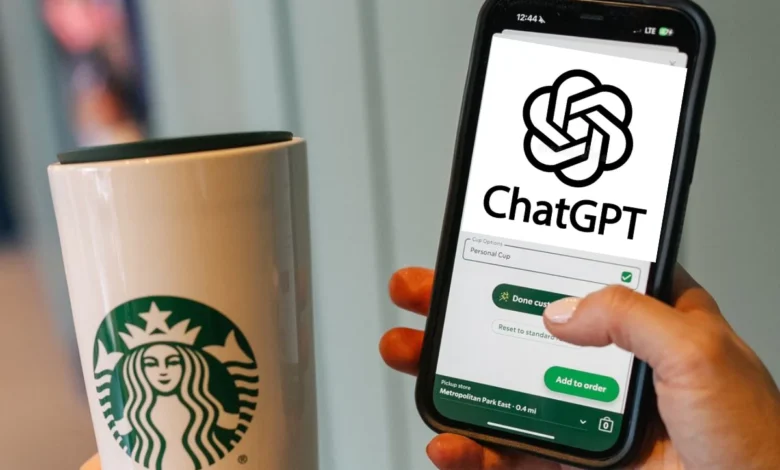
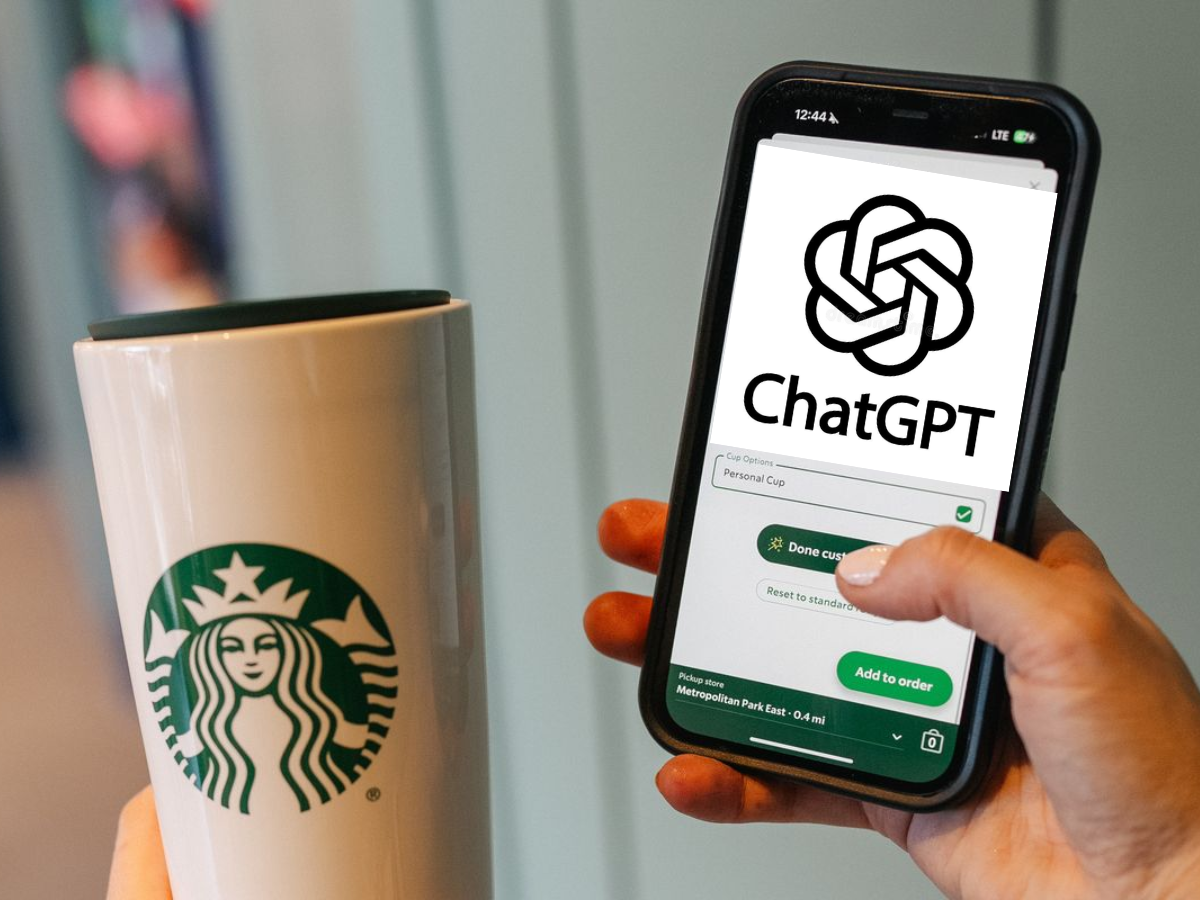
Starbucks, the global coffeehouse giant, has unveiled a significant technological advancement by integrating OpenAI’s generative AI model, ChatGPT, into its digital ecosystem. This strategic move, which officially rolled out on April 15, marks a pivotal step in Starbucks’ ongoing commitment to leveraging artificial intelligence to enhance customer experience, streamline service, and drive engagement. The new feature allows users to receive personalized drink recommendations and directly add items to their Starbucks order cart, all through the familiar interface of the ChatGPT application. This innovative integration is accessible to users who connect their Starbucks account within the "Apps" section of the ChatGPT interface, signifying a concerted effort by both companies to embed AI into the fabric of daily consumer interactions.
The Mechanics of a Seamless AI-Powered Coffee Experience
The operational simplicity of the Starbucks ChatGPT integration is central to its appeal. Once a user has successfully linked their Starbucks Rewards account with their ChatGPT profile, the functionality is activated by typing the command @starbucks within any ongoing ChatGPT conversation. This prompt triggers a specialized widget designed to facilitate the ordering process. The widget dynamically presents up to six menu items, offering a curated selection that users can then customize to their preferences. Each suggestion is enriched with pertinent details such as the drink’s flavor profile, its caffeine content, and potential modification options, empowering customers to make informed choices. Crucially, the system allows for the direct addition of these customized items to the user’s Starbucks cart, effectively transforming a casual AI chat into a direct commerce channel.
This integration is a testament to the evolving capabilities of conversational AI, moving beyond simple information retrieval to direct transactional utility. The underlying algorithms are designed to interpret user intent and context from the conversation, even subtly, to generate relevant and appealing recommendations. For instance, a user discussing a need for an energy boost might be recommended a high-caffeine espresso drink, while someone looking for a comforting evening beverage might see options for decaffeinated lattes or herbal teas. The goal is to anticipate and fulfill customer desires with minimal friction, thereby enhancing convenience and personalization.
However, early testing of the feature has revealed some inconsistencies in the user experience. Reports indicate that the ordering widget, which enables direct cart additions, was not uniformly available across all sessions. In some instances, users only received text-based recommendations without the immediate ability to add items to their cart. OpenAI, the developer behind ChatGPT, has yet to provide an official explanation for these discrepancies, suggesting that the feature may still be undergoing refinements or that its availability could be subject to specific contextual triggers or backend optimizations. This highlights the inherent challenges in deploying sophisticated AI systems at scale and the continuous need for iterative improvements based on real-world usage.
Navigating the Complexities of Data Sharing and User Privacy
A critical component of any advanced digital integration, particularly one involving personal accounts and transactional data, is the protocol for information sharing and user privacy. The Starbucks ChatGPT integration is no exception, introducing a set of data sharing agreements that users must consent to. Upon connecting their accounts, users are required to agree to share "a summary of your recent context and intent" within ChatGPT with Starbucks. This foundational level of data transfer is a mandatory prerequisite for enabling the integration’s core functionalities, such as personalized recommendations.
Beyond this default requirement, an optional toggle is presented during the setup process, which, if activated, permits ChatGPT to share "memories and full chat history" with Starbucks. This option is disabled by default, granting users a degree of control over the extent of data shared. However, the connection prompt itself includes a cautionary notice, warning users that linking the Starbucks app could potentially expose Starbucks account data to malicious actors or, conversely, grant the Starbucks app the ability to access ChatGPT data, posing a potential attack vector. This standard disclaimer, common across many app integrations, underscores the inherent security considerations in interconnecting disparate digital platforms.
From a privacy perspective, the scope of data requested has raised eyebrows among some digital privacy advocates. While sharing "recent context and intent" might seem reasonable for generating relevant drink recommendations, the broader implications of potentially sharing "full chat history" are more significant. Experts argue that while such data could theoretically lead to even more nuanced personalization, it also aggregates a vast amount of personal information, potentially creating a detailed profile of a user’s habits, preferences, and even emotional states inferred from conversations. The data agreement structure mirrors that of other ChatGPT app integrations, yet the specific commercial context of food and beverage ordering amplifies the discussion around what constitutes necessary data for a particular function versus excessive data collection. Users who prioritize maximal privacy are advised to carefully review these terms and, if unwilling to share even basic session summaries, to refrain from connecting the integration altogether. For those who choose to connect, ensuring the optional toggle for chat history remains off is a crucial step in safeguarding personal data. The successful and secure operation of this integration hinges on both the latest versions of the Starbucks and ChatGPT applications.
Starbucks’ Strategic Embrace of AI: A Deeper Dive
The integration of ChatGPT is not an isolated experiment but rather a deliberate and significant stride within Starbucks’ broader, multi-faceted strategy to leverage artificial intelligence and automation. This strategic direction was previously highlighted in a February 2026 report, which detailed Starbucks’ initiatives to deploy AI and robotics to "win back customers and speed up service." These efforts are designed to address evolving consumer expectations, operational challenges, and competitive pressures within the fiercely contested quick-service restaurant (QSR) and coffee market.
Starbucks has historically been at the forefront of digital innovation in the QSR space, notably with its pioneering mobile order and pay system and its highly successful Starbucks Rewards loyalty program, which boasts millions of active members globally. These platforms have laid the groundwork for a digitally engaged customer base accustomed to convenience and personalized experiences. The ChatGPT integration is a natural evolution of this digital journey, aiming to further deepen customer engagement by moving beyond a proprietary app environment into the broader, more conversational realm of AI.
The strategic imperative for Starbucks is multi-fold. Firstly, personalization at scale: AI-driven recommendations can significantly enhance the customer experience by offering choices that resonate with individual preferences, potentially increasing average transaction values and encouraging repeat visits. Secondly, operational efficiency: by streamlining the ordering process and potentially reducing queues or order errors, AI can contribute to faster service times, a critical factor in customer satisfaction and store throughput. Thirdly, competitive differentiation: in a crowded market, advanced technological offerings like this can distinguish Starbucks from competitors, attracting tech-savvy consumers and reinforcing its image as an innovative brand. This move aligns with a broader industry trend where QSRs are increasingly investing in AI for everything from supply chain optimization to predictive analytics for staffing and inventory.
OpenAI’s Vision: Expanding ChatGPT’s Commercial Horizon
For OpenAI, the partnership with Starbucks represents a significant milestone in its mission to make AI both powerful and pervasively useful. Since its public launch, ChatGPT has demonstrated immense potential in natural language processing, content generation, and information retrieval. The integration into a major commercial platform like Starbucks elevates ChatGPT’s utility beyond a mere conversational tool into a direct commerce facilitator.
This collaboration is a clear signal of OpenAI’s strategy to extend ChatGPT’s capabilities through a robust "Apps" ecosystem, enabling third-party developers and businesses to embed AI directly into their services. The March 2026 updates to ChatGPT, which included features like Shazam song recognition and interactive math visuals, illustrate OpenAI’s continuous drive to diversify and enhance the application’s practical utility. By partnering with Starbucks, OpenAI is showcasing ChatGPT’s commercial viability and its potential to transform industries by automating and personalizing customer interactions.
The implications for OpenAI are substantial. It validates ChatGPT as a platform, not just a product, capable of supporting complex integrations that drive tangible business outcomes. It also positions OpenAI as a key enabler for enterprises looking to harness the power of generative AI for customer engagement and sales. The success of such integrations will be crucial in demonstrating the commercial scalability and reliability of OpenAI’s models, attracting further partnerships across various sectors.
Expert Commentary and Industry Reactions
The announcement has garnered attention from various stakeholders, prompting discussions about its potential impact.
A hypothetical Starbucks spokesperson might emphasize, "This ChatGPT integration is a testament to our relentless pursuit of innovation and our commitment to enhancing the Starbucks experience. By leveraging the power of AI, we’re not just offering convenience; we’re delivering a truly personalized journey for every customer, making their daily coffee ritual even more effortless and enjoyable. It’s about meeting our customers where they are, on the platforms they use, and exceeding their expectations for speed and customization."
Similarly, an OpenAI representative could state, "Our partnership with Starbucks exemplifies the practical application of advanced AI in everyday life. ChatGPT is evolving beyond a powerful language model into an indispensable digital assistant that empowers users and businesses alike. This integration showcases how AI can streamline commerce, offer intelligent recommendations, and ultimately enrich the consumer experience, setting a new benchmark for how brands can interact with their customers through AI."
However, privacy advocates have voiced caution. Dr. Evelyn Reed, a prominent digital privacy expert, commented, "While the allure of convenience is strong, consumers must remain vigilant about the data they share. The agreement to share ‘context and intent,’ and the optional sharing of ‘full chat history,’ highlights the growing need for transparency and granular control over personal data in AI-driven services. Companies must ensure that data collection is proportionate to the service provided and that robust security measures are in place to prevent misuse or breaches."
Tech industry analysts largely view the move as a smart strategic play. "This integration puts Starbucks ahead of many competitors in the QSR space in terms of digital innovation," noted Mark Thompson, a senior analyst at Tech Insights Group. "It’s a clear signal that the future of retail is deeply intertwined with AI-powered personalization and convenience. The challenge, however, will be widespread customer adoption and ensuring the system’s reliability and consistency, particularly given the early reports of widget availability issues."
Broader Implications for the Retail and QSR Landscape
The Starbucks ChatGPT integration is more than just a new feature; it represents a significant harbinger of the future of retail and quick-service restaurants. Its success or challenges will likely set precedents for how other brands approach AI integration and customer engagement.
For the retail sector, this move accelerates the trend towards "conversational commerce," where transactions are initiated and completed within natural language interfaces. This could lead to a proliferation of similar AI integrations across various industries, from fashion to banking, as companies seek to capitalize on the ease and personalization offered by generative AI. The bar for digital customer experience is being raised, compelling competitors to innovate rapidly or risk falling behind.
In the QSR domain, the pressure on other major players to explore and implement similar AI-driven solutions will intensify. Expect to see increased investment in AI for menu recommendations, order customization, and predictive ordering, potentially transforming the entire customer journey from discovery to delivery. This shift could lead to a new arms race in technological capabilities, where AI becomes a crucial differentiator beyond product quality or pricing.
However, the rapid adoption of AI also brings forth critical questions regarding data governance, algorithmic bias, and the human element of service. While AI promises efficiency and personalization, maintaining a balance with human interaction and ensuring that recommendations are fair and unbiased will be ongoing challenges. The ethical deployment of AI will be as important as its technological prowess.
The Road Ahead: Challenges and Opportunities
The Starbucks ChatGPT integration, while groundbreaking, is in its nascent stages. The reported inconsistencies with the ordering widget suggest that refinement and optimization will be ongoing. Ensuring a consistently smooth and reliable user experience will be paramount to widespread adoption and sustained customer satisfaction.
From a development perspective, future enhancements could include more sophisticated AI models that learn from individual purchasing habits across both the Starbucks app and ChatGPT interactions, leading to even more precise and timely recommendations. Integration with other smart home devices or voice assistants could also be on the horizon, further embedding Starbucks into the digital lives of its customers.
The discussion around data privacy will also continue to evolve. As AI integrations become more prevalent, regulatory bodies and consumer advocacy groups will likely push for stricter guidelines on data collection, usage, and retention. Companies like Starbucks and OpenAI will need to navigate this landscape carefully, prioritizing transparency and user control to build and maintain trust.
In conclusion, Starbucks’ integration of ChatGPT is a bold and forward-thinking move that underscores the transformative potential of artificial intelligence in the commercial sector. It offers a glimpse into a future where ordering a coffee is as simple as a conversation, personalized to an unprecedented degree. While technical refinements and ongoing privacy considerations will undoubtedly shape its trajectory, this initiative firmly positions Starbucks at the vanguard of digital innovation, redefining the boundaries of customer experience in the age of AI.