Tesla Roadster cockpit interface revealed as company highlights fighter jet-inspired design and thruster integration

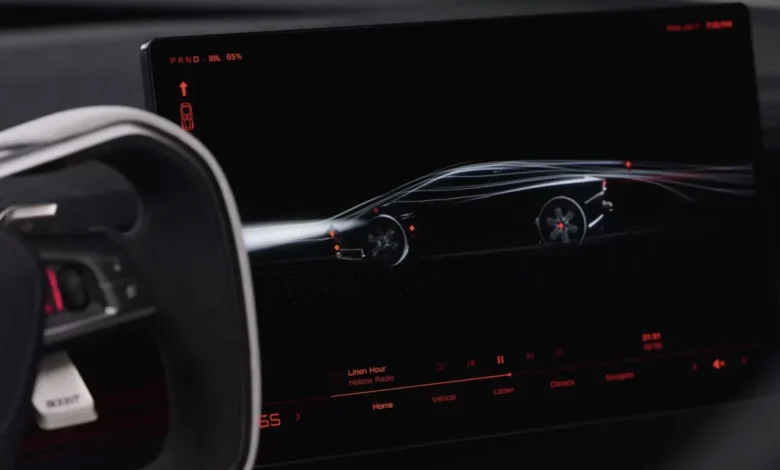
Tesla has provided an unprecedented look into the cockpit of its long-awaited next-generation Roadster, unveiling an interface that leans heavily into aviation-inspired ergonomics and high-performance telemetry. The 34-second demonstration, shared via the company’s official social media channels, confirms that the vehicle’s user experience is being built from the ground up to support the extreme physical demands of a car capable of sub-one-second acceleration. By placing the vehicle’s digital twin at the heart of the dashboard and integrating specialized "Track Mode" instrumentation, Tesla is signaling that the Roadster will function less like a traditional passenger vehicle and more like a precision-engineered pilot’s station.
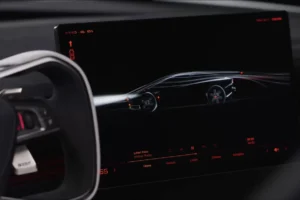
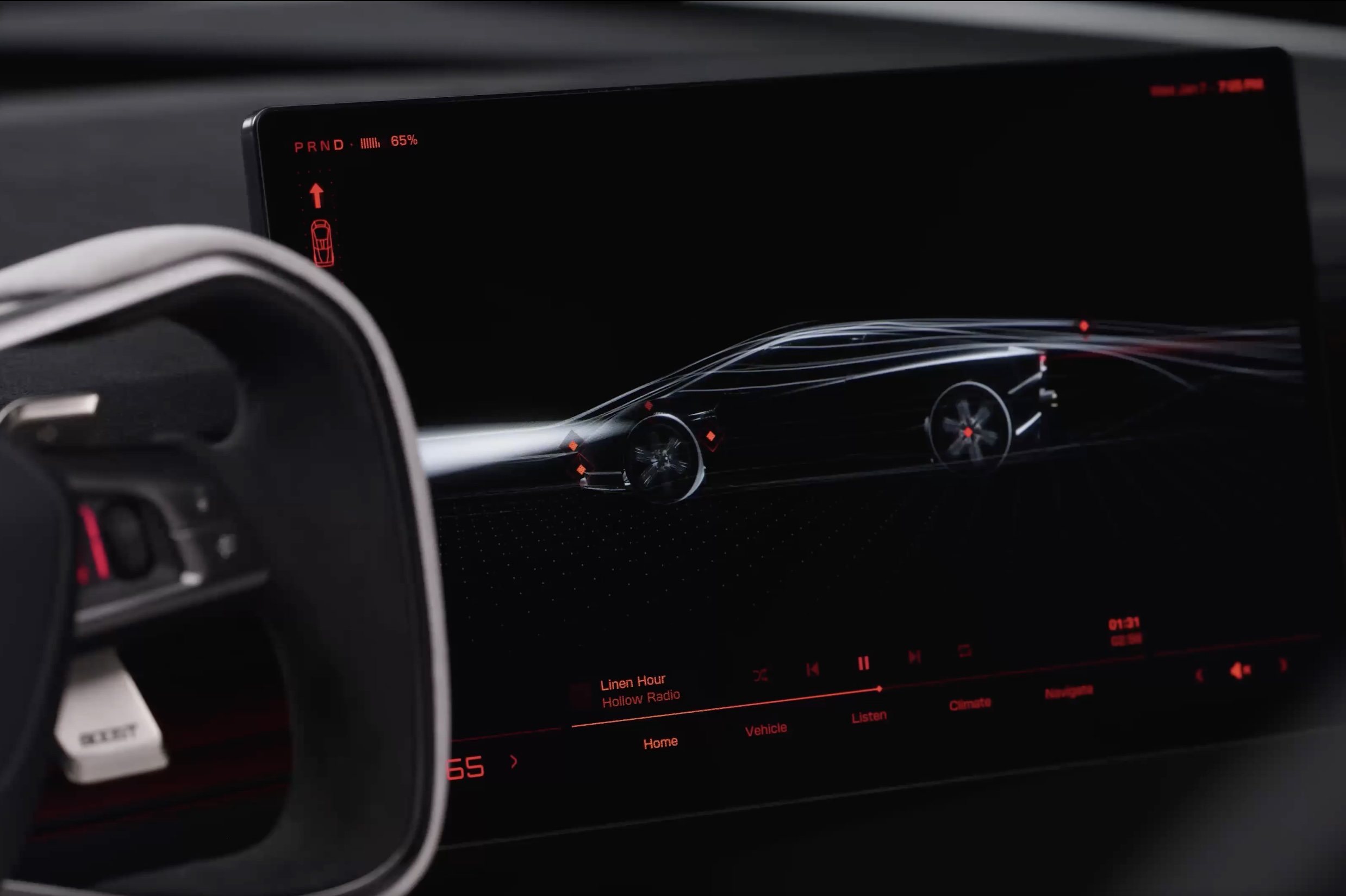
The interface reveal is the latest in a series of strategic updates regarding the Roadster program, which has been under intense public scrutiny since its initial announcement years ago. The dashboard display features a sleek, high-contrast aesthetic utilizing deep blacks and aggressive red accents, echoing the militaristic, minimalist design language often found in advanced fighter jets.
Decoding the Roadster Interface and Telemetry
The core of the cockpit experience centers on a 3D wireframe model of the Roadster, which allows the driver to interact with the vehicle’s active aerodynamic surfaces. Through the touchscreen, users can toggle between "Low Drag" and "High Downforce" configurations, a critical feature for managing the vehicle’s handling characteristics at high speeds.
The software’s most striking element is the dedicated "Track Mode" suite. This interface goes far beyond standard infotainment, providing a comprehensive data dashboard that includes live circuit mapping, individual lap time logging, and real-time thermal monitoring for both the brake systems and electric motors. Perhaps most significant for performance enthusiasts is the inclusion of granular tire management data, providing pressure and temperature readouts for each wheel—a necessity when dealing with the extreme g-forces the vehicle is expected to generate.
Crucially, the interface includes a persistent status bar that displays "Thruster" metrics. The readout shows a pressure level of 5,500 PSI, accompanied by a "Boost Ready" indicator. This digital display confirms the integration of cold-gas thruster technology, a feature Tesla first teased during an exclusive event in Waco, Texas, earlier this month. These thrusters, fed by carbon-overwrapped pressure vessels, represent a departure from conventional automotive engineering, positioning the Roadster closer to aerospace hardware than to any existing production vehicle.
A Chronology of the Roadster Development
The Roadster program has traveled a long and winding road, characterized by ambitious technological goals and significant manufacturing hurdles.
- Initial Unveil: The prototype was first revealed in 2017, promising a revolution in electric vehicle performance.
- The Waco Showcase (October 15, 2026): Tesla provided a deep dive into the hardware, confirming three distinct configurations: the base Performance model, the Thrust version, and the invite-only Rocket version.
- Interface Reveal (October 23, 2026): The release of the cockpit software video confirmed the "pilot-centric" design philosophy.
- Public Exhibition (October 24–27, 2026): The vehicle is scheduled for its first major public viewing at the Petersen Automotive Museum in Los Angeles.
- Production Outlook (2028): Elon Musk has reaffirmed that full-scale production is slated to begin in 2028, with the Rocket variant remaining a specialized, limited-release offering not cleared for standard public roads.
Performance Tiers and Technical Implications
The three tiers of the Roadster lineup reflect a strategic effort to cater to different segments of the supercar market. The base Performance model utilizes a sophisticated fan and ground-sealing system to generate downforce without the drag penalty of traditional wings. The mid-tier "Thrust" version adds the cold-gas thruster system, achieving 0-60 mph times under 0.9 seconds. The flagship "Rocket" configuration, which is expected to utilize advanced SpaceX-derived technology, aims for sub-0.59 second acceleration.
The software interface is designed to manage these disparate systems seamlessly. While the Model 3 and Model Y have established the standard for Tesla’s user interface—defined by a map-centric, minimalist screen—the Roadster’s layout prioritizes the vehicle’s immediate mechanical state. By integrating three distinct displays, the Roadster ensures that critical telemetry remains within the driver’s peripheral vision, regardless of whether the screen is currently displaying navigation or media.

Broader Implications for Tesla’s Ecosystem
While enthusiasts are primarily focused on the performance metrics, industry analysts are looking at the software implications for the wider Tesla fleet. The question remains whether the sophisticated "Track Mode" telemetry developed for the Roadster will eventually trickle down to the Model 3 Performance or the Model S Plaid.
The development of the Roadster is also occurring in parallel with other massive company initiatives, most notably the "Optimus" humanoid robot program and the "Project Crystal Sun" solar initiative. The cross-pollination of talent and technology between these sectors is becoming increasingly apparent. For instance, the high-performance computing power required to manage the Roadster’s flight-like control systems shares lineage with the AI-driven movement and task management systems being refined for the Optimus robot.
Market Positioning and Public Reception
The decision to showcase the vehicle at the Petersen Automotive Museum indicates that Tesla is shifting from the "development phase" to the "engagement phase" of the product lifecycle. With $50,000 deposits currently being accepted for reservations, the company is effectively building a war chest for the final stages of R&D.

However, the road ahead is not without challenges. The regulatory hurdles for a vehicle capable of sub-second acceleration and equipped with high-pressure gas thrusters are unprecedented. The "Rocket" version, in particular, will face significant scrutiny from road safety authorities, as its capabilities exceed the current parameters for road-legal vehicles. Musk’s acknowledgment that the vehicle is not yet approved for public use suggests that Tesla will need to navigate a complex legal landscape before the first customer deliveries occur in 2028.
Economic and Supply Chain Context
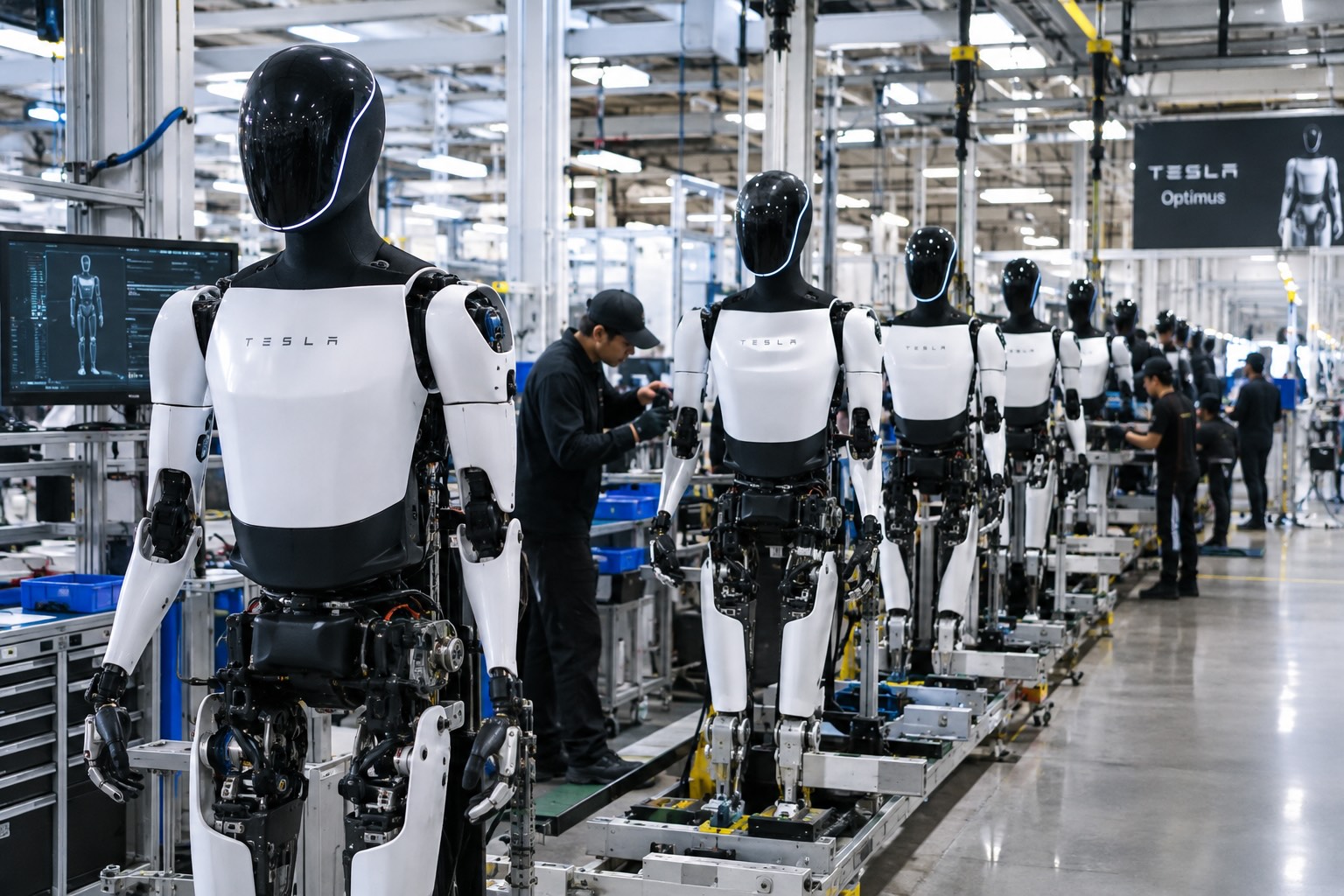
Tesla’s ability to execute on the Roadster is intrinsically tied to its broader manufacturing successes. The recent approval of the "Project Crystal Sun" solar factory in Fort Bend, Texas, and the successful ramping of the Optimus robot production line in Fremont demonstrate that the company has mastered the art of vertical integration.
By manufacturing its own components—from the solar cells needed to potentially power charging infrastructure to the complex actuators required for its robots and vehicles—Tesla is insulating itself from global supply chain volatility. This verticality is what allows the company to push the boundaries of what is possible in automotive design. The Roadster, in many ways, serves as the "halo" product for this entire ecosystem, proving that the same manufacturing philosophy used for mass-market EVs and solar arrays can produce the fastest, most technologically advanced car on the planet.
As the industry looks toward the 2028 production date, the focus will likely remain on whether Tesla can maintain this pace of innovation. With the interface reveal, the company has successfully reframed the narrative around the Roadster, shifting the conversation from "when will it arrive" to "what will it feel like to drive." By leaning into the fighter jet metaphor, Tesla is not just selling a car; it is selling the sensation of flight, a narrative that has historically resonated deeply with the company’s core customer base.
The upcoming days at the Petersen Automotive Museum will be a critical test. For the first time, the public will be able to verify if the physical build quality matches the ambition of the digital interface. If the reality matches the promise of the software, the Roadster may well redefine the upper limits of the automotive industry for the next decade.