Google Home update brings Gemini enhancements and critical Nest Cam fixes to smart home ecosystem

Google has officially commenced the rollout of its latest software update for the Google Home ecosystem, marking a significant step in the company’s ongoing effort to integrate advanced generative artificial intelligence into the domestic environment. This comprehensive update addresses long-standing performance issues, particularly regarding the Nest Cam hardware, while introducing a suite of experimental features powered by the Gemini AI model. As smart home technology continues to transition from simple remote control interfaces to proactive, context-aware systems, this release serves as a critical bridge for users looking to maximize the utility of their connected devices.
Addressing the Nest Cam Live View Crisis
For many users, the most pressing component of this update is the resolution of persistent connectivity issues affecting older Nest security cameras. For months, owners of legacy devices—most notably the Nest Hello video doorbell—had reported significant failures when attempting to access the "Live View" feature. This glitch, which left many users unable to monitor their front porches or interior spaces in real-time, became a focal point of frustration within the smart home community.
The update introduces a definitive patch for these connectivity hurdles. Beyond mere bug fixes, Google has implemented a new administrative utility within the Google Home application that allows users to remove unmigrated Nest Hello devices from their digital ecosystem, even if the hardware is currently offline. This addresses a common "orphan device" problem where hardware that has lost its network connection remained stubbornly visible in the app, cluttering user interfaces and preventing the proper setup of replacement hardware. By streamlining the device management process, Google is effectively lowering the barrier to entry for users looking to upgrade their legacy hardware to newer, more secure Nest models.
Gemini Integration and Conversational Intelligence
The core of Google’s strategic pivot remains the integration of Gemini into the Google Home platform. Currently in an early access phase, the AI-driven assistant is receiving a significant overhaul aimed at making interactions feel less like traditional command-based queries and more like a fluid, conversational experience.
Users enrolled in the early access program will notice three primary improvements: enhanced smart home control logic, decreased latency for timer management, and more natural, context-aware voice feedback. The reduction in latency for Broadcasts—the feature that allows users to send messages across multiple smart speakers—is a direct response to consumer feedback regarding the cumbersome nature of previous iterations. By reducing the time between a spoken command and the execution of the broadcast, Google is positioning the Nest ecosystem as a more responsive household communication tool.
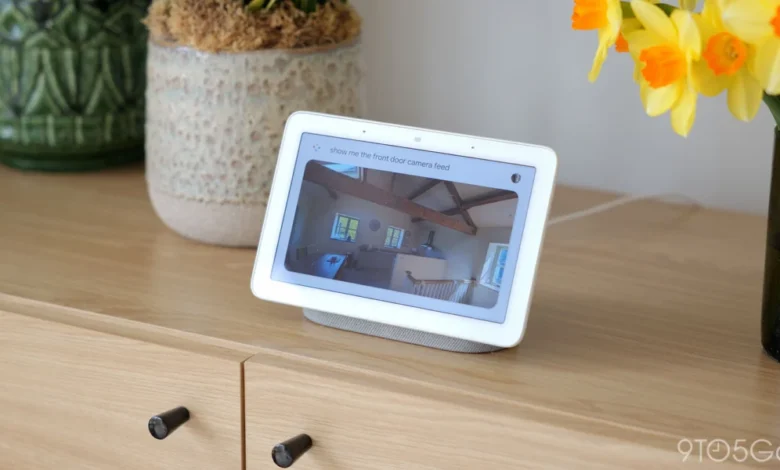
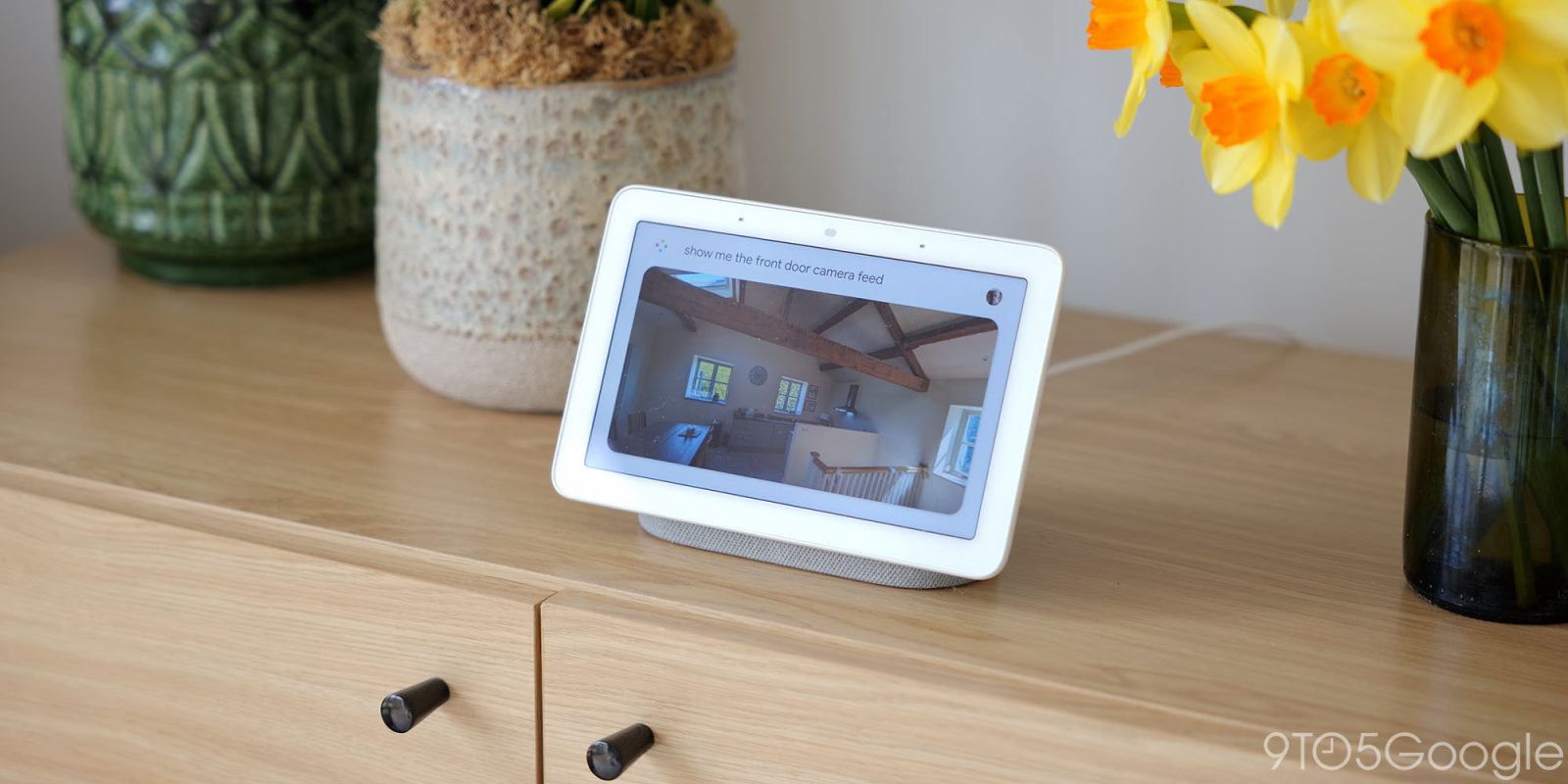
Perhaps the most visually significant change is the introduction of "Visual Answers" on Nest Hub smart displays. When a user queries a device regarding their home or environment, the display will now dynamically populate relevant images alongside the spoken response. This shift from purely auditory feedback to a multimodal approach represents a shift in smart display utility. By providing immediate visual context—such as showing a map, a specific device state, or a relevant diagram—the Nest Hub is evolving into a more robust information terminal.
Expansion of the Google Home Control Framework
The update extends beyond user-facing AI features, touching on the foundational architecture of the Google Home app. A new "Google Home Premium" page has been added to the settings menu, suggesting that Google is laying the groundwork for a tiered service model, potentially aimed at power users who require more robust automation or expanded cloud storage capabilities for camera footage.
For households operating multiple Nest Thermostats, the new "Eco Mode Everywhere" toggle provides a centralized solution to a common energy management issue. Previously, users with multiple climate control points often had to adjust each unit individually to enter energy-saving states. This global toggle allows for instantaneous, home-wide energy conservation, a feature that aligns with broader industry trends toward sustainability and grid-conscious power consumption.
Furthermore, the integration of Home keys into Google Wallet for compatible locks marks a major advancement in the physical-to-digital bridge. By utilizing NFC or Ultra-Wideband technology, users can now treat their smartphones as secure digital keys. This implementation is expected to reduce reliance on physical keypads, which are susceptible to wear and security compromises, in favor of the encrypted, biometric-protected environment of Google Wallet.
Automations and the MCP Architecture
A critical, albeit technical, advancement in this update involves Google Home MCP (Model Context Protocol) connections. By expanding the reach of AI agents to include control over a wider variety of home appliances, Google is effectively standardizing how third-party smart devices communicate with the Google Home brain.
The update now enables AI agents to interface directly with:
- Climate Control: Thermostats and air purifiers.
- Home Comfort: Fans and lighting effects.
- Maintenance: Robot vacuums and kitchen appliances.
- Safety: Smoke and carbon monoxide alarms.
- Infrastructure: Electric Vehicle (EV) chargers.
By allowing AI agents to perform status checks and execute automations across these categories, Google is shifting the smart home from a "set and forget" model to an autonomous system. For instance, an AI agent can now monitor the status of a smoke detector and, in the event of a false alarm or a specific command, adjust ventilation through connected fans or air purifiers. This level of cross-device coordination is a prerequisite for the industry’s goal of a fully automated home that anticipates user needs rather than waiting for explicit triggers.
Timeline and Industry Context
The release follows a turbulent period for Google’s Nest division, which has faced increased scrutiny regarding the longevity of its older devices. The chronology of these updates is telling: the initial reports of "Live View" failures emerged in late 2026, leading to a period of sustained criticism from long-term users. The fact that Google has prioritized these fixes alongside high-profile AI updates suggests a recognition that platform trust is a prerequisite for the successful adoption of new, subscription-based AI features.

Market analysts observe that this update is part of a broader consolidation trend in the Internet of Things (IoT) market. As competition between Apple’s HomeKit, Amazon’s Alexa, and Google Home intensifies, the primary battleground has shifted from hardware aesthetics to software intelligence. By embedding Gemini into the home, Google is attempting to leverage its lead in large language models to differentiate its ecosystem from competitors who have yet to deploy comparable generative AI at the local device level.
Broader Implications for the Smart Home
The implications of this update are two-fold. First, for the average consumer, it represents a stabilization of the existing product line. By fixing the Nest Cam issues and providing a more cohesive management system for thermostats and smart locks, Google is ensuring that the foundational "utility" of the smart home remains intact.
Second, for the technological landscape, the rollout of Gemini-powered visual feedback and expanded MCP control signifies the death of the "static" smart home. The future of the domestic space, as envisioned by this update, is one where the home functions as a singular, intelligent agent. The ability for an AI to interpret a query, search for visual information, and execute a multi-step automation—such as adjusting the temperature and checking the status of a front door lock—demonstrates that we are moving toward a paradigm of "Ambient Computing."
As Google continues to refine the early access features of Gemini, the smart home industry will be watching closely to see if these enhancements can drive higher engagement. If users find that the AI-powered interactions genuinely save time and improve convenience, it could set a new standard for how households interact with their environments, ultimately justifying the move toward premium, subscription-driven models that many tech giants are currently pursuing.
This update, while containing standard maintenance, serves as a clear signal of Google’s long-term trajectory. By combining critical hardware maintenance with cutting-edge AI integration, the company is attempting to secure its position as the central nervous system of the modern home. Users are advised to check the Google Home app for the latest firmware and software updates, as the rollout is currently being distributed globally across all compatible devices.