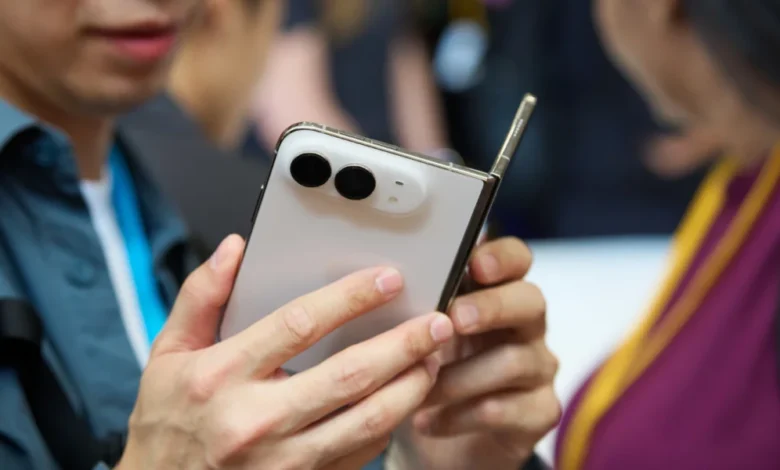
The arrival of the iPhone Duo in late 2026 represents the most significant shift in Apple’s hardware philosophy since the introduction of the original iPhone in 2007. As a foldable device, it enters a mature market previously dominated by competitors like Samsung, Google, and OnePlus. While initial sales figures indicate strong consumer interest, early user feedback has surfaced a notable divide between those who embrace the dual-screen form factor and those who find it incompatible with established mobile workflows.
The Evolution of the Foldable Form Factor
The road to the iPhone Duo was paved by nearly a decade of industry experimentation. Since 2019, when the first generation of mainstream foldables hit the market, the technology has transitioned from fragile prototypes to reliable consumer hardware. Apple, known for its conservative approach to hardware design, spent years refining hinge mechanisms, display durability, and iOS optimization.
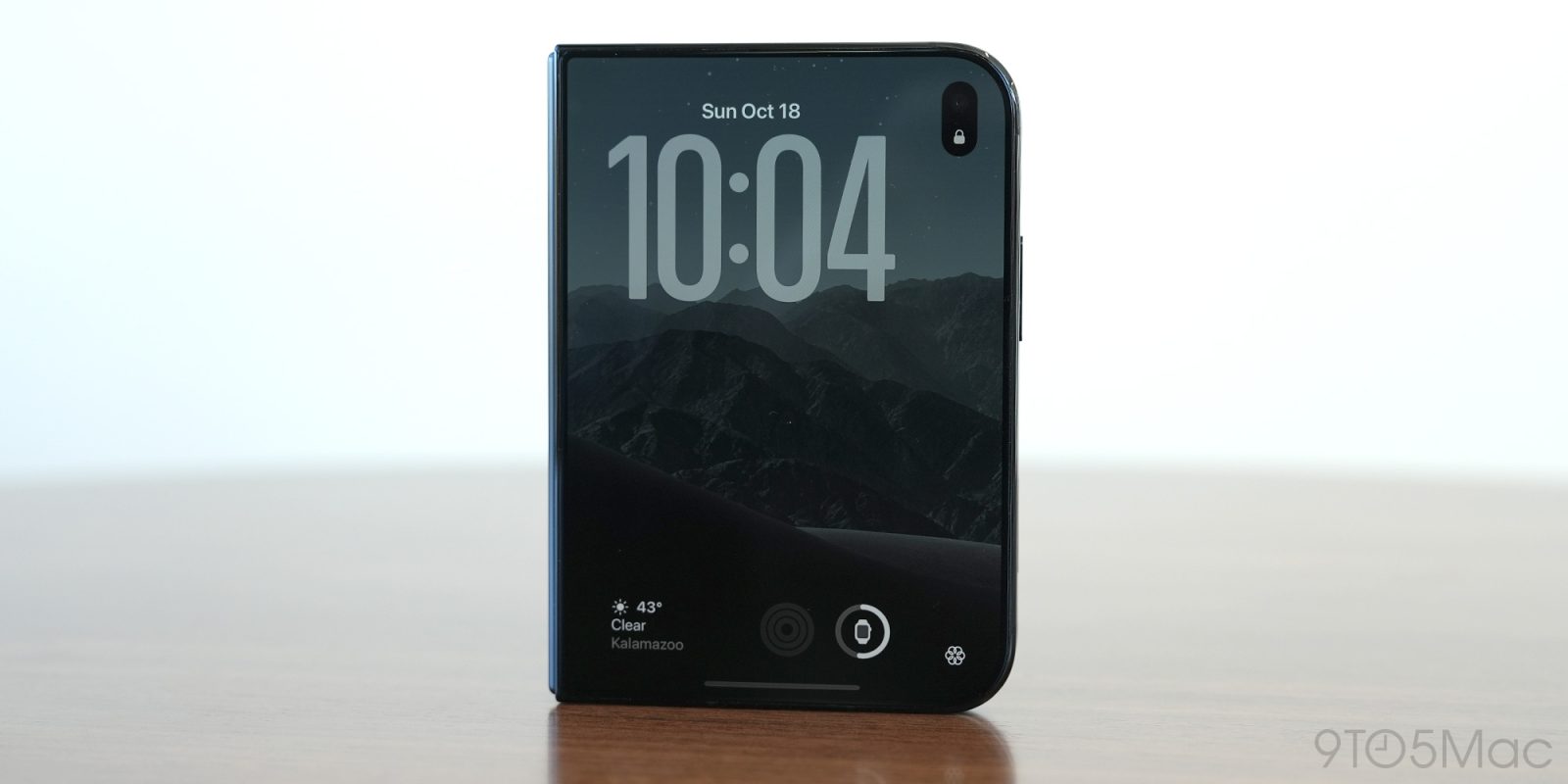
The development cycle reached a fever pitch in late 2025 following a series of patent filings that detailed a "continuous display" mechanism designed to minimize the crease typically associated with foldable OLED panels. When Apple finally unveiled the iPhone Duo at the September 2026 Keynote, the device was positioned not just as a high-end smartphone, but as a bridge between the traditional iPhone and the iPad mini.
Chronology of the Launch
The launch timeline followed Apple’s traditional seasonal cadence, but with heightened anticipation surrounding supply chain readiness:
- September 2026: Apple announces the iPhone Duo, emphasizing its "infinite canvas" and multitasking capabilities.
- October 2026: Global retail availability begins. Early adopters and technology enthusiasts queue at Apple Stores worldwide.
- Late October 2026: The first week of widespread real-world usage concludes, triggering a surge in user-submitted feedback on forums and support channels.
- November 2026: Initial reports emerge regarding return rates and user dissatisfaction concerning weight distribution and software integration.
Data-Driven Insights and User Behavior
Industry analysts have begun tracking the "retention rate" of early adopters. Preliminary data suggests that while the iPhone Duo is meeting sales expectations, there is a measurable uptick in returns compared to the iPhone 18 Pro series. Market research firm Counterpoint Analytics notes that roughly 12% of first-week buyers have inquired about return policies, citing "ergonomic fatigue" and "software friction" as the primary reasons.
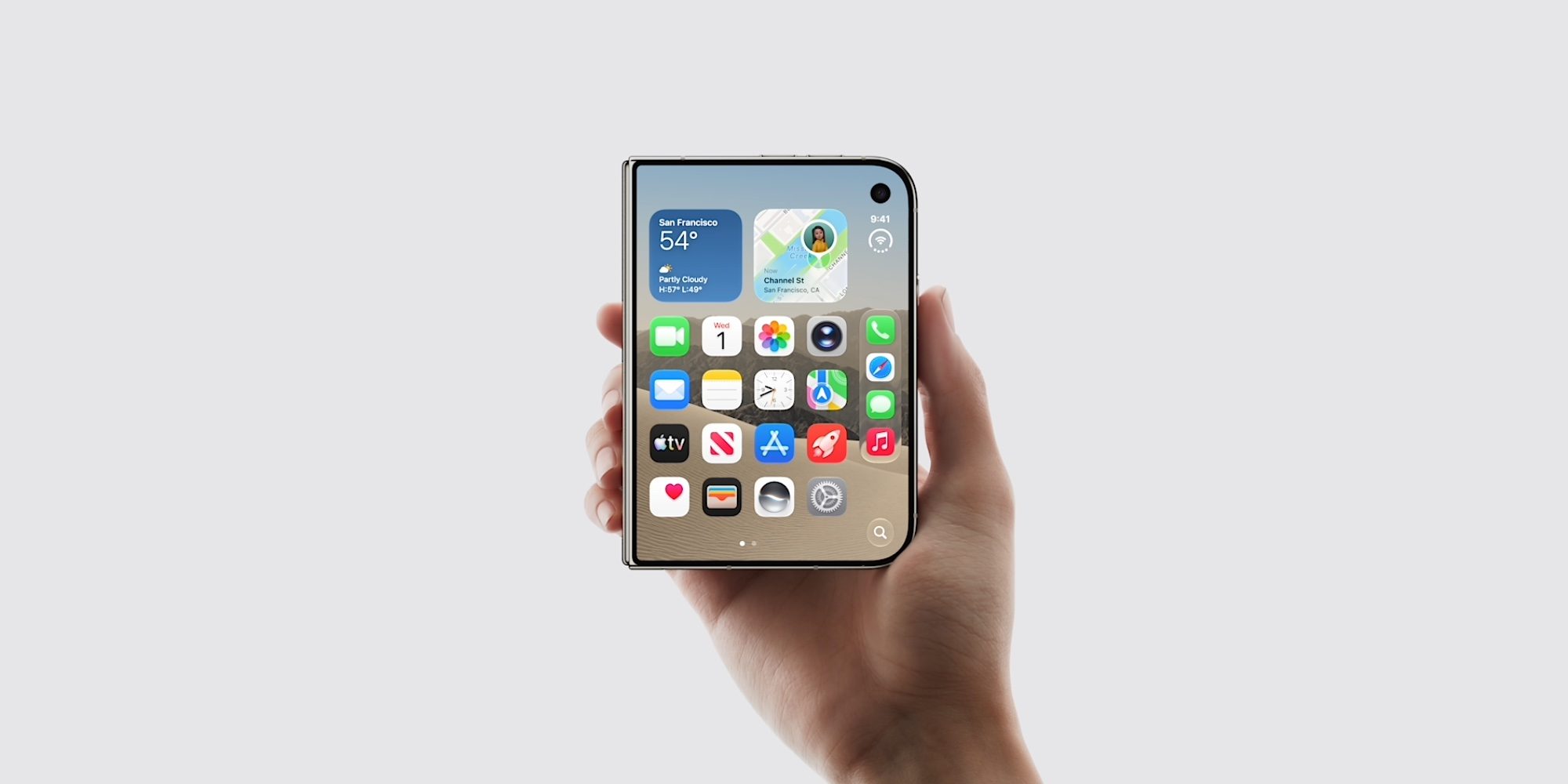
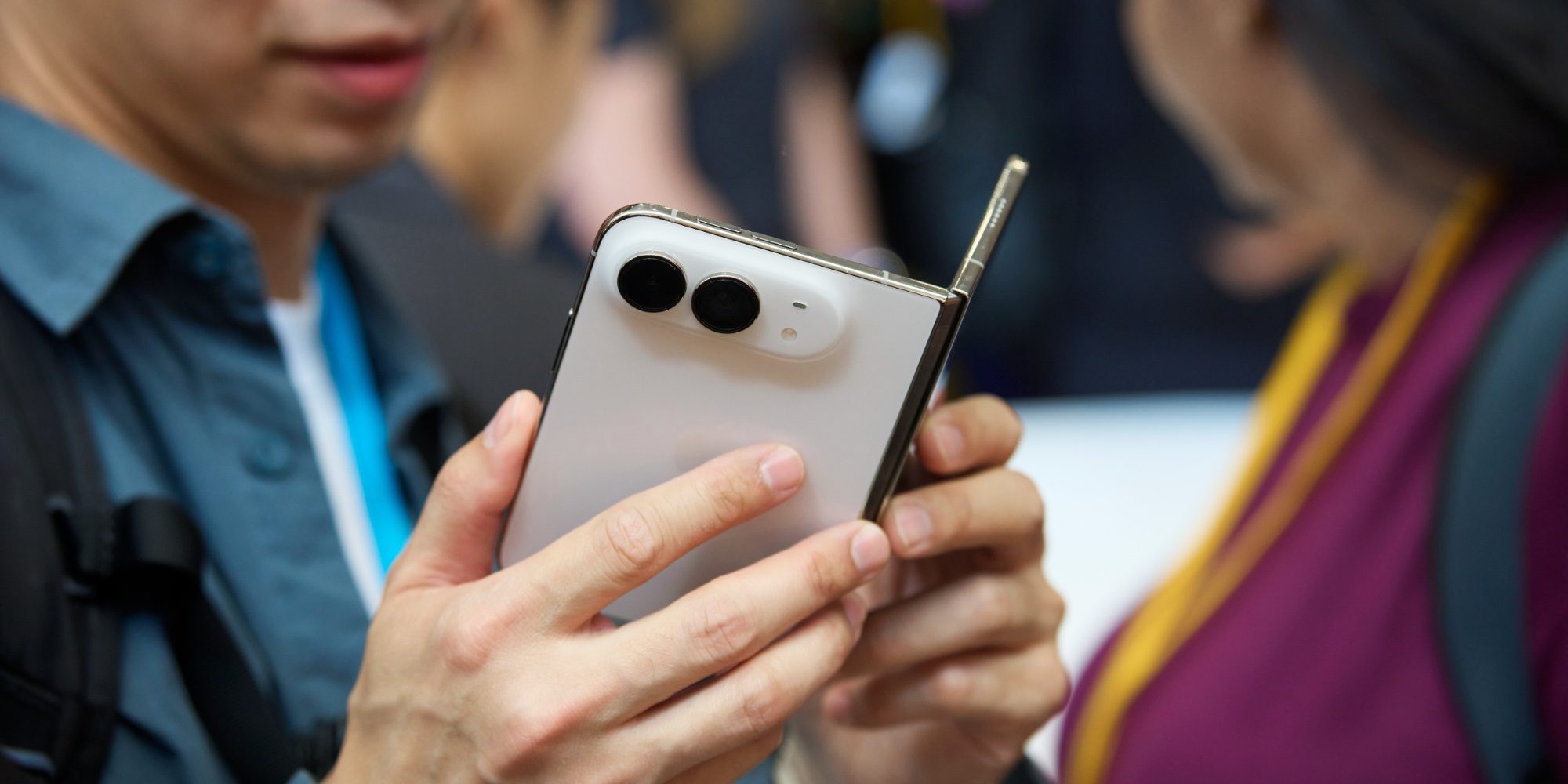
The central issue, according to human-computer interaction (HCI) studies, lies in the weight-to-balance ratio. At 285 grams, the iPhone Duo is significantly heavier than the standard iPhone 18 Pro. For users who rely on one-handed operation—a demographic that encompasses a vast majority of the smartphone market—the added mass and width of the folded state make it difficult to operate during quick, intermittent tasks, such as checking notifications or answering calls while performing other chores.
The Ergonomic Challenge
The "one-handed use" debate has become the focal point of the early iPhone Duo critique. Historically, Apple has prioritized the "thumb-reach" metric, ensuring that the most frequently used interface elements are accessible without shifting the device in the hand.
The Duo’s external screen, while functional, utilizes an aspect ratio that is narrower than the standard iPhone. This forces users to adapt to a different typing cadence and viewing experience. When the device is unfolded, the user interface expands, but the physical requirement to use two hands creates a "barrier to entry" for tasks that are traditionally instantaneous. For power users, this represents a workflow shift; for the average consumer, it often manifests as a lack of utility.
Corporate Strategy and Software Optimization
Apple’s approach to the Duo centers on "Continuity," the ecosystem feature that allows users to pick up work on one device where they left off on another. By integrating the Duo into this framework, Apple intended for the inner display to serve as a productivity hub. However, independent software developers have noted that many third-party apps are still struggling to translate their UIs effectively between the single-screen and dual-screen modes.
An official spokesperson for the company recently addressed these concerns, stating that "The iPhone Duo is a platform, not just a product. We are working closely with developers to refine the adaptive display standards, and we anticipate significant software updates in the coming months to smooth the transition between states."
Broader Industry Implications
The success of the iPhone Duo has profound implications for the mobile industry. If the form factor fails to gain traction among the general public, it could reinforce the status of the "slab" smartphone as the apex of mobile design. Conversely, if Apple manages to optimize the hardware for one-handed comfort—perhaps through future material science advancements that reduce weight—it could signal the beginning of the end for the traditional iPhone design.

The current sentiment among tech analysts is one of cautious observation. The iPhone Duo is clearly a "version 1.0" product. Just as the original Apple Watch or the first-generation iPad required several iterations to find their true utility, the Duo may need to undergo several cycles of refinement before it becomes a mass-market essential.
Analyzing the User Experience Gap
The disparity in user satisfaction often comes down to the user’s primary use case. Data suggests that professionals who utilize the device for mobile office tasks—such as spreadsheet editing, video conferencing, and multi-window navigation—report high satisfaction levels. In contrast, users who favor social media consumption and quick, single-handed communication report higher frustration levels.
This suggests that the iPhone Duo is not necessarily a "flawed" device, but rather a "specialized" one. The industry is currently witnessing a transition period where the smartphone is no longer a one-size-fits-all tool. The return of the iPhone Duo units should be viewed through the lens of a market correction: consumers are testing the device against their personal habits and finding that the traditional iPhone still holds a competitive advantage for certain lifestyles.

Conclusion: Is the Future Foldable?
The debate over the iPhone Duo is emblematic of a larger shift in consumer technology. As devices become more complex, the tension between innovation and practicality inevitably grows. For those who find the Duo cumbersome, the alternative remains the iPhone 18 Pro, which continues to set the benchmark for traditional mobile ergonomics.
As the industry moves forward, the success of the foldable category will depend on three factors: weight reduction, software fluidity, and the ability of developers to create applications that offer a distinct advantage over the single-screen experience. For now, the market is in a state of adjustment. While the iPhone Duo may not be the optimal device for every user, its existence serves as a bold indicator of where Apple believes the future of mobile computing lies—a future that is as flexible as the screens themselves.
Future iterations will undoubtedly address the weight and ergonomic concerns raised in these first few weeks. Until then, the choice between a traditional smartphone and a foldable device remains a personal one, dictated by the unique intersection of individual work habits, daily routines, and the willingness to adapt to a changing technological landscape.
Related posts: