Rivian Caught in the Crossfire of the Global AI Boom as Infrastructure Madness Squeezes EV Supply Chains

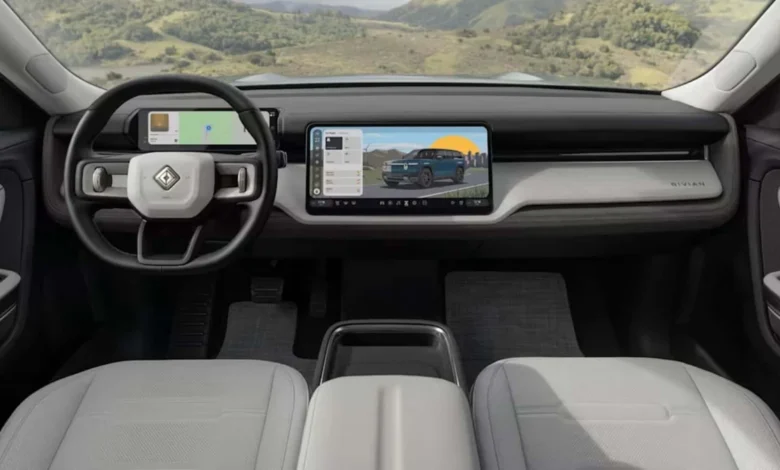
The rapid proliferation of artificial intelligence data centers is increasingly exerting pressure on sectors far removed from Silicon Valley, introducing complex supply chain vulnerabilities into the automotive industry. Electric vehicle manufacturer Rivian Automotive finds itself uniquely entangled in this dynamic. As the company steers toward the production of its upcoming, mass-market R2 platform, it must simultaneously navigate severe component scarcities, skyrocketing commodity prices, and fierce competition for basic electronic hardware traditionally taken for granted by automakers.
During a recent interview with venture capital firm Kleiner Perkins, Rivian Chief Executive Officer RJ Scaringe and Head of Hardware Vidya Rajagopalan offered a candid look into the physical realities of vehicle manufacturing. They detailed how the global infrastructure frenzy supporting generative AI and large-scale data storage has inadvertently upended traditional automotive supply procurement.
The Shifting Landscape of Automotive Hardware
Building a modern consumer vehicle requires an intricate, multi-tiered ecosystem consisting of thousands of primary suppliers and countless sub-tier providers. For years, foundational semiconductor and circuit components operated in a predictable marketplace characterized by stable pricing and abundant availability. However, the unprecedented capital expenditures poured into artificial intelligence infrastructure have completely altered this equilibrium.
Scaringe highlighted the stark transformation within just a three-year window, noting that dynamic random-access memory (DRAM) chips, once treated as standard, low-maintenance commodities, now command significant strategic oversight.
"Three years ago, we were not spending a lot of time thinking about memory. It was a commodity," Scaringe remarked during the discussion. "And now an enormous amount of time goes into planning for memory, optimizing it at the board level, how we’re using it, and then really thinking strategically about how we source it."
This sentiment underscores a broader structural shift within the technology and automotive sectors. As artificial intelligence developers scale up massive server farms to train complex neural networks, their demand for high-capacity memory, advanced processors, and specialized hardware components has grown insatiable.
Broader Industry Shockwaves and Semiconductor Bottlenecks
Rivian is far from alone in facing these headwinds. The squeeze on dynamic random-access memory and other fundamental hardware elements has rippled across consumer electronics and automotive markets alike. Semiconductor manufacturers, facing finite fabrication capacity, have increasingly redirected their output toward higher-margin components destined for enterprise AI applications, leaving traditional consumer and automotive buyers competing for remaining supply.
Earlier this year, Apple attributed price hikes across its hardware lineup to the soaring cost of memory driven by data center demand. Simultaneously, automotive players globally have sounded alarms regarding tightening inventories. In a corporate filing, Chinese EV maker Li Auto explicitly highlighted significant supply tightness and price volatility in memory components—specifically DRAM and NAND flash—which are vital for powering modern smart cockpits and advanced driver-assistance systems.
Legacy automakers have similarly acknowledged the squeeze. General Motors and Ford both addressed rising memory expenses during recent quarterly earnings calls, prompting both companies to establish long-term supply agreements with major memory provider Micron in an effort to insulate their production lines from prolonged market volatility.
Beyond Memory: The Hidden Bottlenecks of Circuit Production
The supply chain pressures facing electric vehicle startups extend well beyond silicon chips. According to Vidya Rajagopalan, Rivian’s hardware chief, basic electrical components that previously required minimal logistical foresight have transformed into operational hurdles.
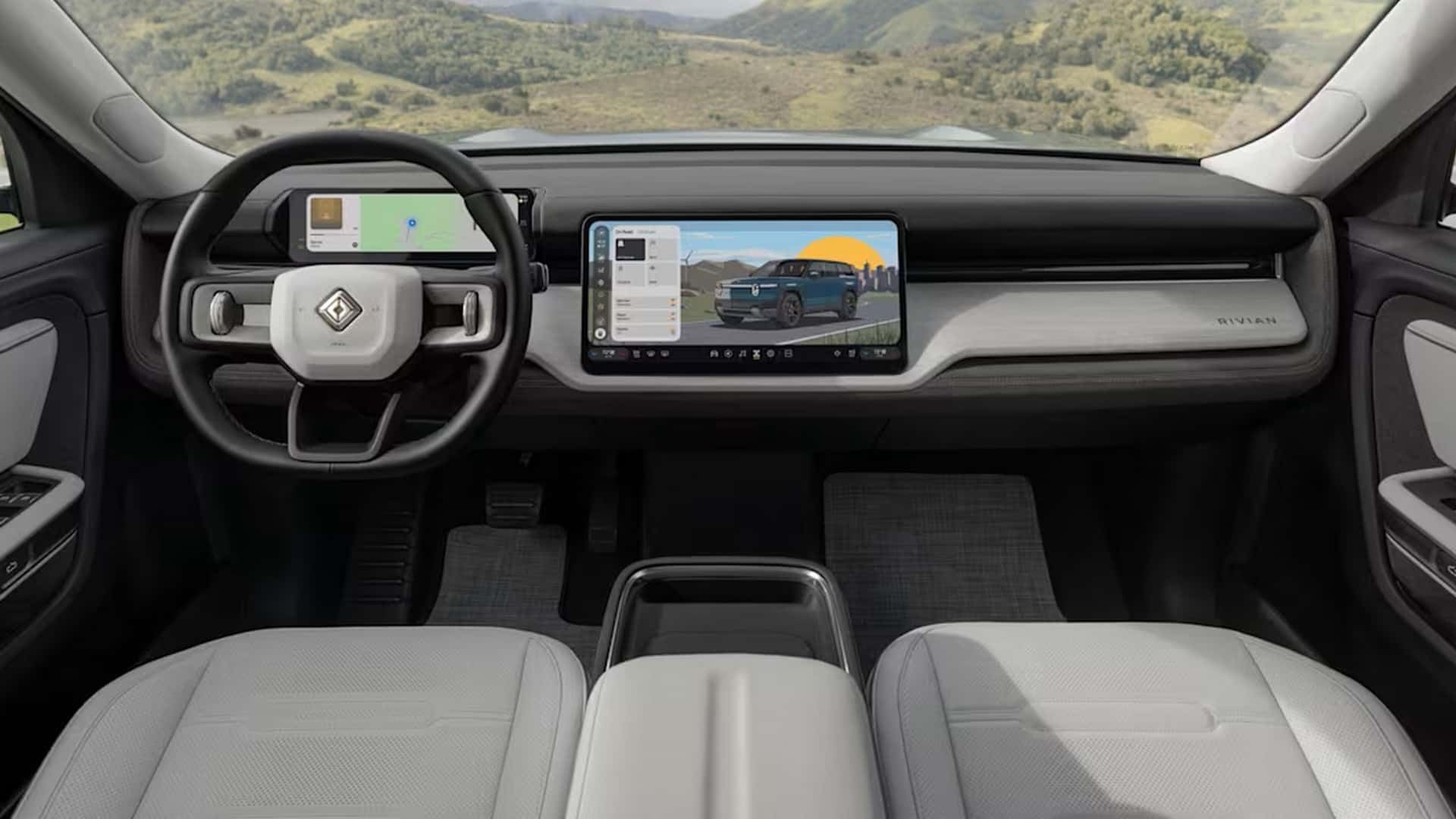
"We deal with this all the time, supply chain shortages, it’s a bane of our existence," Rajagopalan explained. "With the data center boom, a lot of the e-glass for printed circuit boards is really hard to find. And so you could have a component shortage in one space that totally throws you off."
E-glass, a foundational woven fiberglass material used in the manufacturing of printed circuit boards (PCBs), has seen tightening supply as industrial demands cross over between electronics, computing infrastructure, and automotive systems. Furthermore, multi-layer ceramic capacitors (MLCCs)—ubiquitous, microscopic passive components essential for regulating voltage and managing electrical noise on circuit boards—have emerged as another unexpected bottleneck.
"MLCC capacitors, you never thought about them. You’re thinking about them now, right?" Rajagopalan noted.
Balancing Innovation and Cost Controls for the R2 Platform
These compounding supply chain friction points arrive at a critical juncture for Rivian. The company is actively scaling its engineering and manufacturing operations to prepare for the commercial launch of the R2, a smaller, more affordable SUV designed to capture a broader market segment than its flagship R1T pickup truck and R1S SUV.
A central pillar of Rivian’s strategy for the R2 is maintaining an advertised base price of approximately $45,000. Achieving this price point requires strict cost discipline across every bill of materials, even as commodity prices experience upward pressure from competing industrial sectors. During recent earnings communications, Scaringe emphasized that the company is actively pursuing engineering workarounds, alternative sourcing strategies, and design optimizations to absorb rising hardware costs without compromising vehicle affordability or profitability goals.
Simultaneously, Rivian is leaning heavily into proprietary technology to secure its competitive advantage in automated driving and in-car user experiences. The company is developing its own custom silicon, spearheaded by the Rivian Autonomy Processor (RAP1) chip. Set to debut in the consumer R2 lineup next year, the RAP1—integrated into Rivian’s Autonomy Compute Module 3 alongside newly implemented lidar sensor technology—is designed to power increasingly sophisticated autonomous driving features.
Furthermore, Rivian is aggressively modern
izing its production facilities. The company has integrated advanced automation projects at its manufacturing plant in Normal, Illinois, aiming to shift initial factory assembly tasks from human workers to advanced robotic systems, with long-term targets directed at scaling automated assembly workflows significantly.
Strategic Implications and Industry Outlook
The intersection of the artificial intelligence boom and electric vehicle manufacturing highlights a profound economic reality: the global energy and digital transitions are deeply interconnected, sharing a finite pool of raw materials, manufacturing capacity, and foundational hardware components.
For startups like Rivian, successfully commercializing next-generation vehicles requires more than just innovative vehicle architecture and compelling software design; it demands sophisticated, resilient supply chain navigation capable of weathering macroeconomic disruptions driven by entirely separate technological revolutions. As the race for AI infrastructure continues to strain global semiconductor and component foundries, Rivian’s ability to strategically source essential materials while aggressively managing production costs will serve as a definitive test of its long-term operational maturity and financial viability in an increasingly competitive automotive market.
Related posts: