Tesla and SpaceX Advance Toward Historic Trillion-Dollar Merger with Potential December Announcement

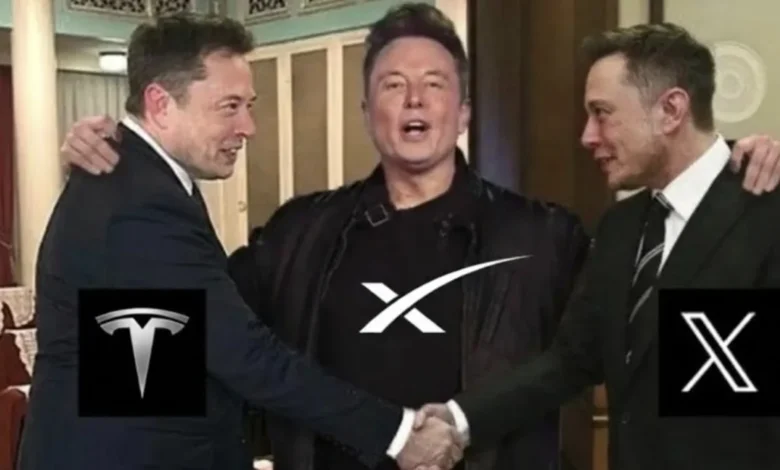
Negotiations between Tesla Inc. and SpaceX are accelerating rapidly, positioning the two corporate giants to potentially announce a definitive merger agreement as early as December. If finalized, the transaction would dwarf all previous corporate combinations, creating the largest merger in financial history. Sources familiar with the discussions indicate that while a December announcement is the primary target, the timeline could extend into early 2027 depending on the complexity of finalizing asset valuations, governance structures, and regulatory clearances.
The timing of these high-level talks coincides closely with Tesla’s upcoming annual shareholder meeting, scheduled for December 3. During this pivotal gathering, Tesla investors will vote on the re-election of key board members who are currently tasked with evaluating the merger terms. The intersection of corporate governance, executive compensation, and cross-company synergies has turned this potential union into one of the most closely watched financial events of the decade.
Core Structure and Valuation Dynamics
Current negotiations are primarily centered on pricing, structural terms, and the exact share-swap ratio. Financial analysts reviewing the framework note that the transaction is increasingly taking the shape of an acquisition where SpaceX effectively absorbs Tesla, rather than a merger of equals. This structural approach aligns closely with the market valuations of both entities.
Following its initial public offering in June, SpaceX commands a market valuation exceeding $1.9 trillion, fueled by its dominance in commercial space launch services, the rapid global expansion of Starlink satellite internet, and its deepening integration into artificial intelligence initiatives. Meanwhile, Tesla maintains a market capitalization of approximately $1.5 trillion.
To put the sheer scale of this potential transaction into perspective, it far surpasses historical records. The previous benchmark for a single corporate takeover was Vodafone’s $183 billion acquisition of Mannesmann in 2000. Furthermore, the combination would easily eclipse SpaceX’s earlier high-profile acquisition of xAI—a private entity valued at roughly $250 billion—earlier in the year. Following reports of the advanced merger talks, Tesla shares experienced a positive market reaction, rising by as much as 1.9% in early trading. Neither Tesla nor SpaceX has issued an official statement regarding the Bloomberg report.
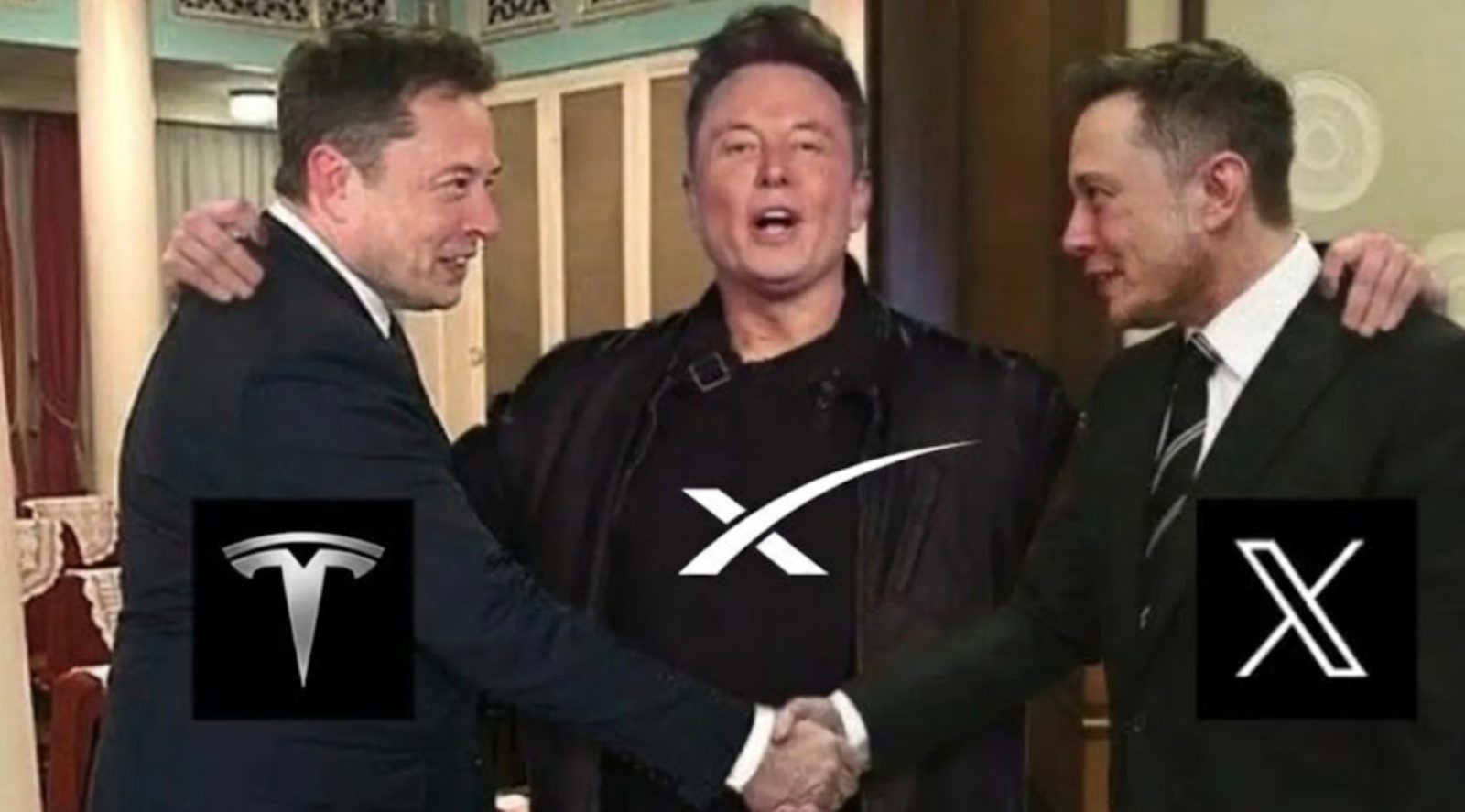
Chronology of the Proposed Consolidation
The path toward a combined corporate entity has developed incrementally over the past several months, tracing back to initial public hints and subsequent governance maneuvers:
- May: Chief Executive Elon Musk first publicly floated the concept of combining Tesla and SpaceX, sparking immediate debate across financial markets regarding governance and potential self-dealing conflicts.
- June: SpaceX completed a high-profile initial public offering, establishing its baseline public valuation above $1.9 trillion.
- July: Reports surfaced that Tesla was actively weighing the sale or spinoff of its critical China operations to mitigate regulatory complications ahead of a potential SpaceX merger—a rumor that leadership initially downplayed.
- October: Tesla’s annual proxy statement revealed board alignments heavily favoring a transition, notably highlighting director Ira Ehrenpreis, who serves on both Tesla’s governance committee and the SpaceX board. Shortly thereafter, both companies officially confirmed the formation of independent special committees to study the feasibility of a merger.
- December (Projected): Tesla’s annual shareholder meeting on December 3 serves as the critical milestone where board members up for re-election will face institutional scrutiny regarding the merger framework.
Governance, Shareholder Voting, and Executive Pay
For institutional investors and retail shareholders alike, the governance implications of the proposed merger represent a critical focal point of evaluation. Musk currently maintains an approximate 20% ownership stake in Tesla, adhering to a traditional one-share, one-vote corporate governance model. In contrast, regulatory filings for SpaceX have historically demonstrated that Musk controls roughly 85% of the company’s voting power through a dedicated class of super-voting shares.
A merger resulting in the exchange of Tesla equity for SpaceX stock would fundamentally alter this dynamic, transitioning Tesla investors into a corporate structure where Musk’s voting control is permanently entrenched.
Additionally, the transaction triggers significant financial clauses tied to executive compensation. Under change-in-control provisions integrated into Musk’s 2025 CEO compensation package, traditional operational milestones are bypassed in favor of a market capitalization test evaluated directly against the final deal price. Based on current proxy share counts, a transaction valuing Tesla at $2 trillion—representing an approximate 33% premium over its baseline trading price—would instantly trigger the vesting of massive equity blocks. Furthermore, millions of restricted shares originating from his historic 2018 compensation package are structured to accelerate immediately upon the realization of a change-in-control event.
Regulatory Hurdles: The Geopolitical Dilemma of China
Despite the financial momentum driving the talks, significant regulatory and operational hurdles remain. Chief among these is the geopolitical friction surrounding Tesla’s sprawling operational footprint in China. Financial analysts, including specialists from JPMorgan, have pointed out an inherent contradiction between SpaceX’s heavy reliance on classified United States government contracts, defense work, and national security clearances, and Tesla’s massive manufacturing and consumer presence in the Chinese market.
Giga Shanghai remains Tesla’s most efficient and productive manufacturing facility, routinely accounting for more than half of the automaker’s global deliveries, including nearly 68,000 vehicles in October alone. Ring-fencing this asset or satisfying the Committee on Foreign Investment in the United States (CFIUS) presents a complex regulatory puzzle.

Political timing adds another layer of urgency. Following congressional shifts in the midterm elections, incoming legislative majorities have signaled an intent to launch rigorous oversight inquiries into Musk’s corporate network and political associations. Industry insiders suggest that leadership is acutely motivated to finalize and close the transaction before the political landscape shifts further in Washington.
Market Implications and Strategic Outlook
The potential unification of Tesla and SpaceX represents a watershed moment for modern industrial history, merging automotive manufacturing, clean energy generation, orbital rocketry, global satellite communications, and artificial intelligence under a single corporate umbrella.
While governance watchdogs continue to raise questions regarding independent oversight and conflict-of-interest valuations, market sentiment reflects a pragmatic view. For many long-term shareholders whose portfolios have experienced prolonged periods of sideways trading relative to broader tech sector growth, the transaction offers a direct avenue toward liquidity and valuation expansion by anchoring automotive operations to a dominant aerospace and technology powerhouse.
As the December 3 shareholder meeting approaches, attention will remain fixed on the proxy votes, the composition of the special committees, and any formal updates regarding the definitive terms of what could become the largest corporate merger ever recorded.