Lenovo Yoga Slim 7x Gen 11 Review: A New Era of Snapdragon-Powered Ultraportables

The Lenovo Yoga Slim 7x Gen 11 represents a pivotal shift in the landscape of premium Windows laptops, marking one of the first major forays into the Snapdragon X Elite ecosystem. This transition from traditional x86 architecture to ARM-based processing is not merely a technical iteration but a strategic move by Lenovo to challenge the long-standing dominance of Apple’s Silicon in the ultraportable sector. By prioritizing energy efficiency without sacrificing raw compute power, the Yoga Slim 7x Gen 11 aims to provide professionals and creators with a device that balances extreme portability with the endurance required for a modern, mobile-first workforce.
The Evolution of the Yoga Series and the ARM Transition
The Lenovo Yoga brand has historically been synonymous with versatility and premium build quality. Since its inception, the line has evolved from simple 2-in-1 convertibles to include high-end "Slim" models that compete directly with the MacBook Air and high-end Dell XPS units. The Gen 11 iteration is significant because it arrives during the "Copilot+ PC" era—a term coined by Microsoft to describe a new generation of hardware featuring dedicated Neural Processing Units (NPUs) capable of handling advanced artificial intelligence tasks locally.
Chronologically, the development of the Yoga Slim 7x Gen 11 follows years of collaboration between Lenovo, Microsoft, and Qualcomm. While previous attempts at Windows on ARM faced hurdles regarding app compatibility and performance, the introduction of the Snapdragon X Elite chip, powered by the custom Oryon CPU cores, has fundamentally changed the performance-to-watt ratio. This device is the culmination of that developmental timeline, designed to offer a seamless Windows experience on a platform that was once reserved for mobile devices.

Hardware Specifications and Engineering Excellence
The Lenovo Yoga Slim 7x Gen 11 is built upon a foundation of high-performance components. The review unit tested features the Snapdragon X Elite X2E-80-100 processor, a 12-core beast capable of reaching speeds up to 4.70 GHz. This is paired with 32GB of LPDDR5X RAM and a 1TB PCIe Gen4 solid-state drive.
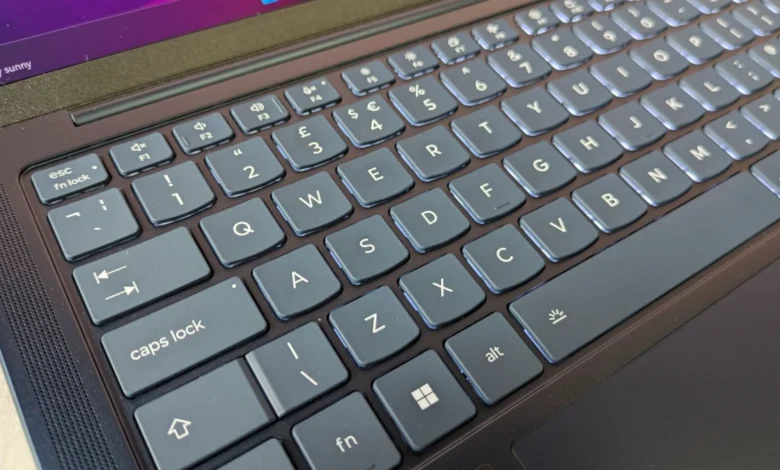
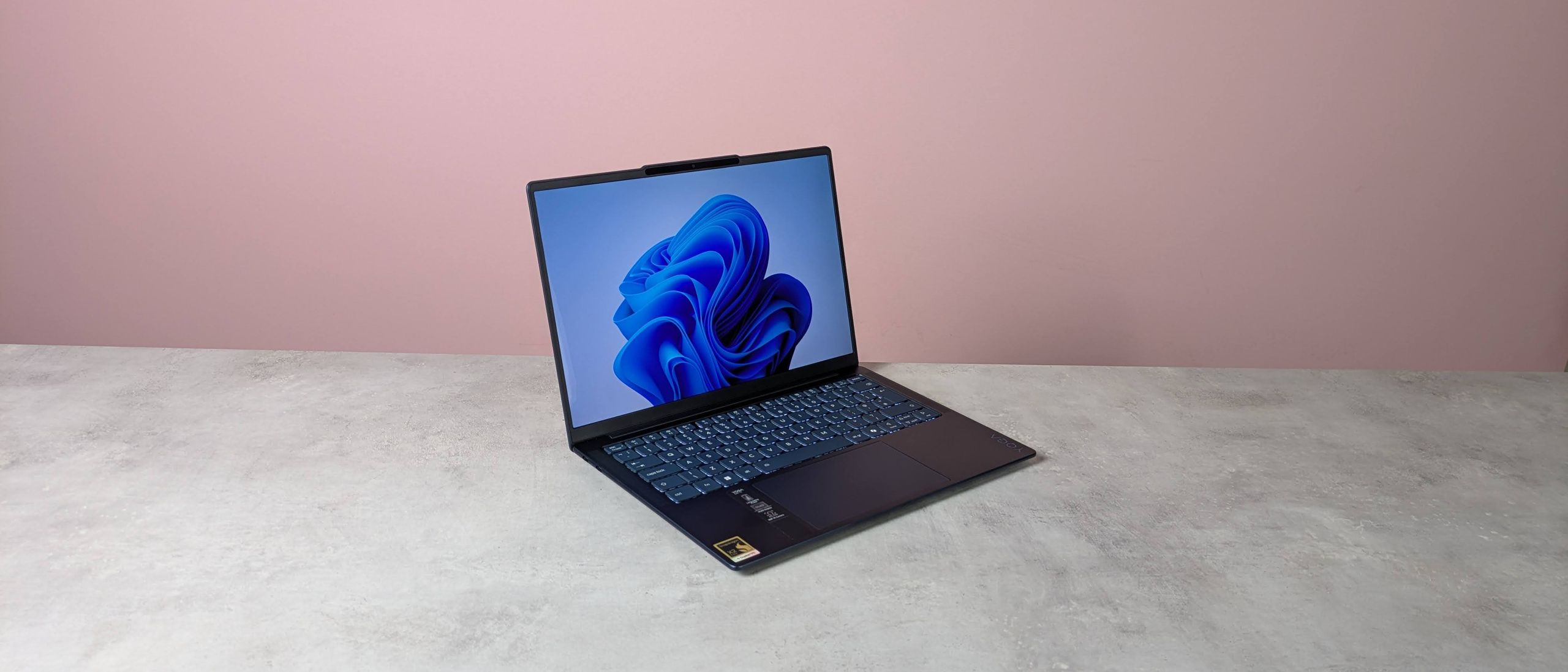
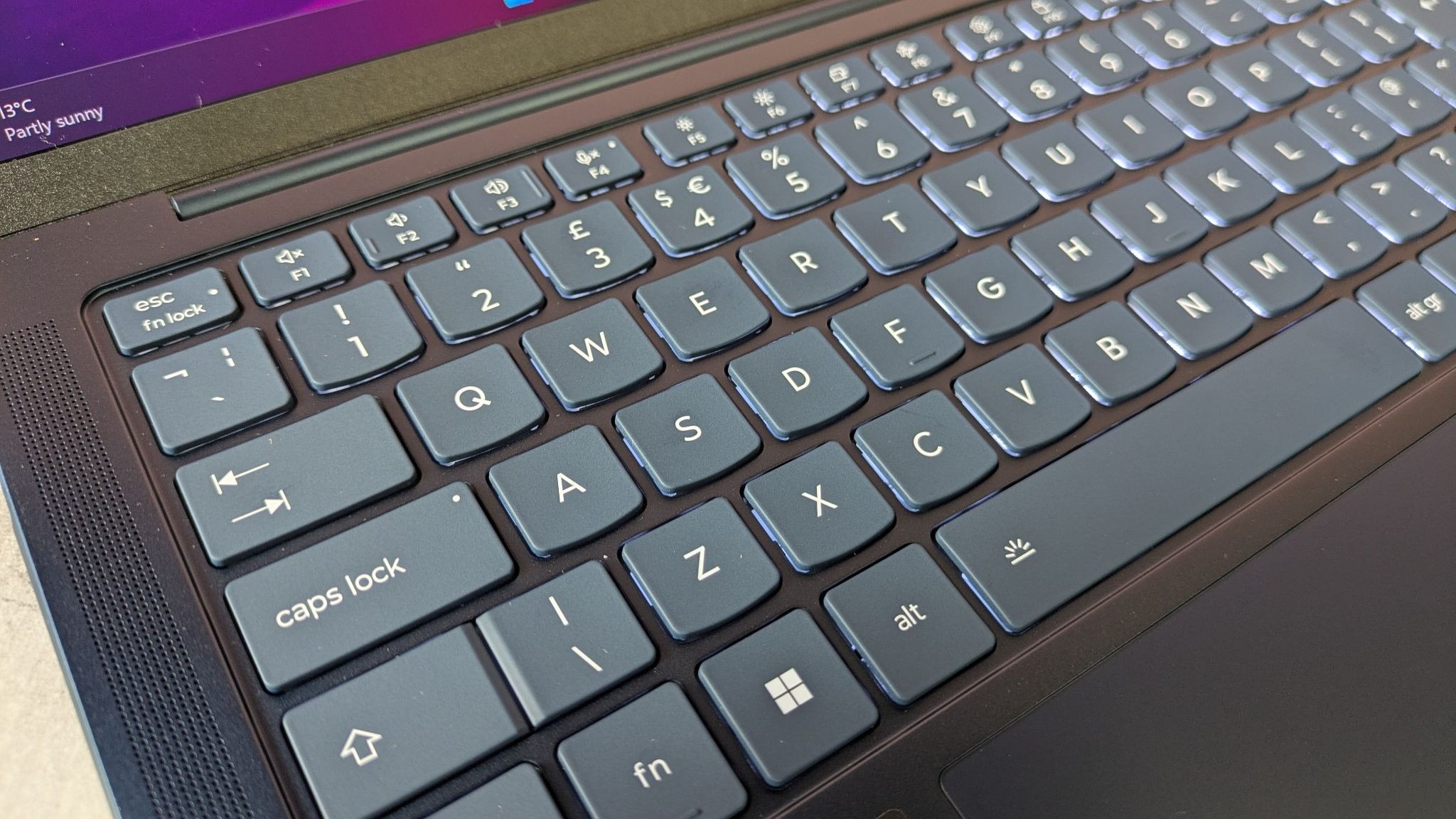
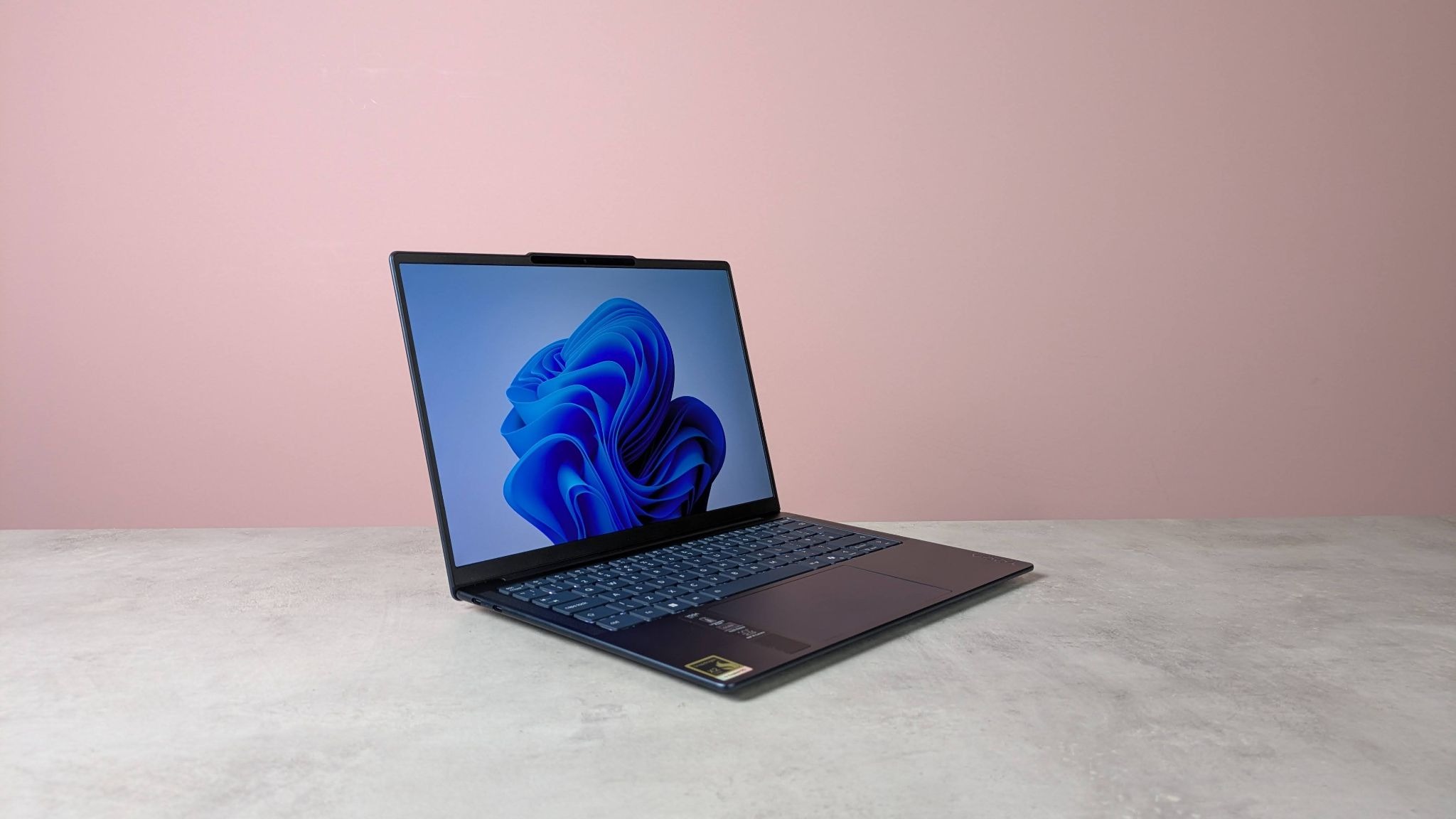
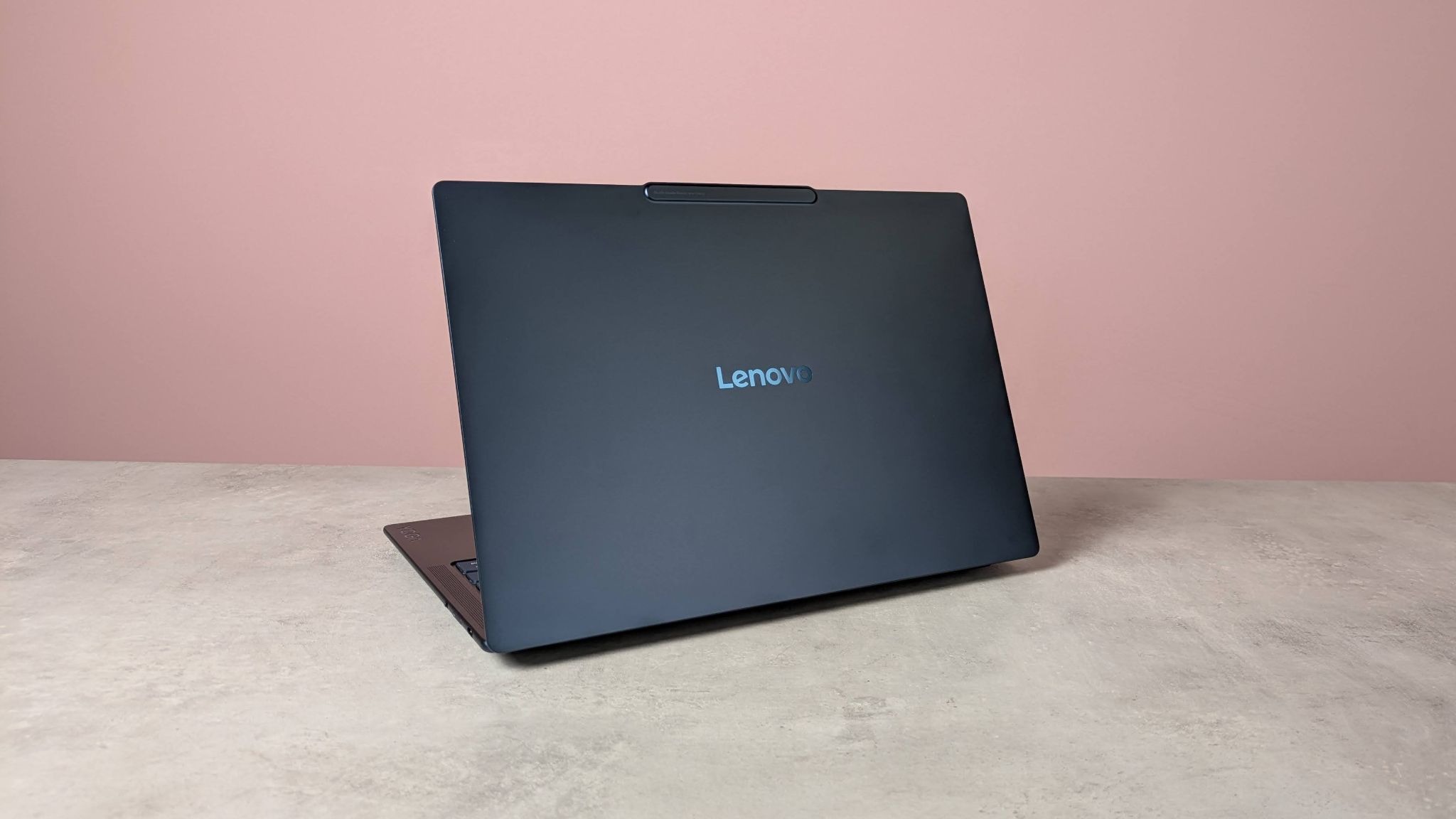
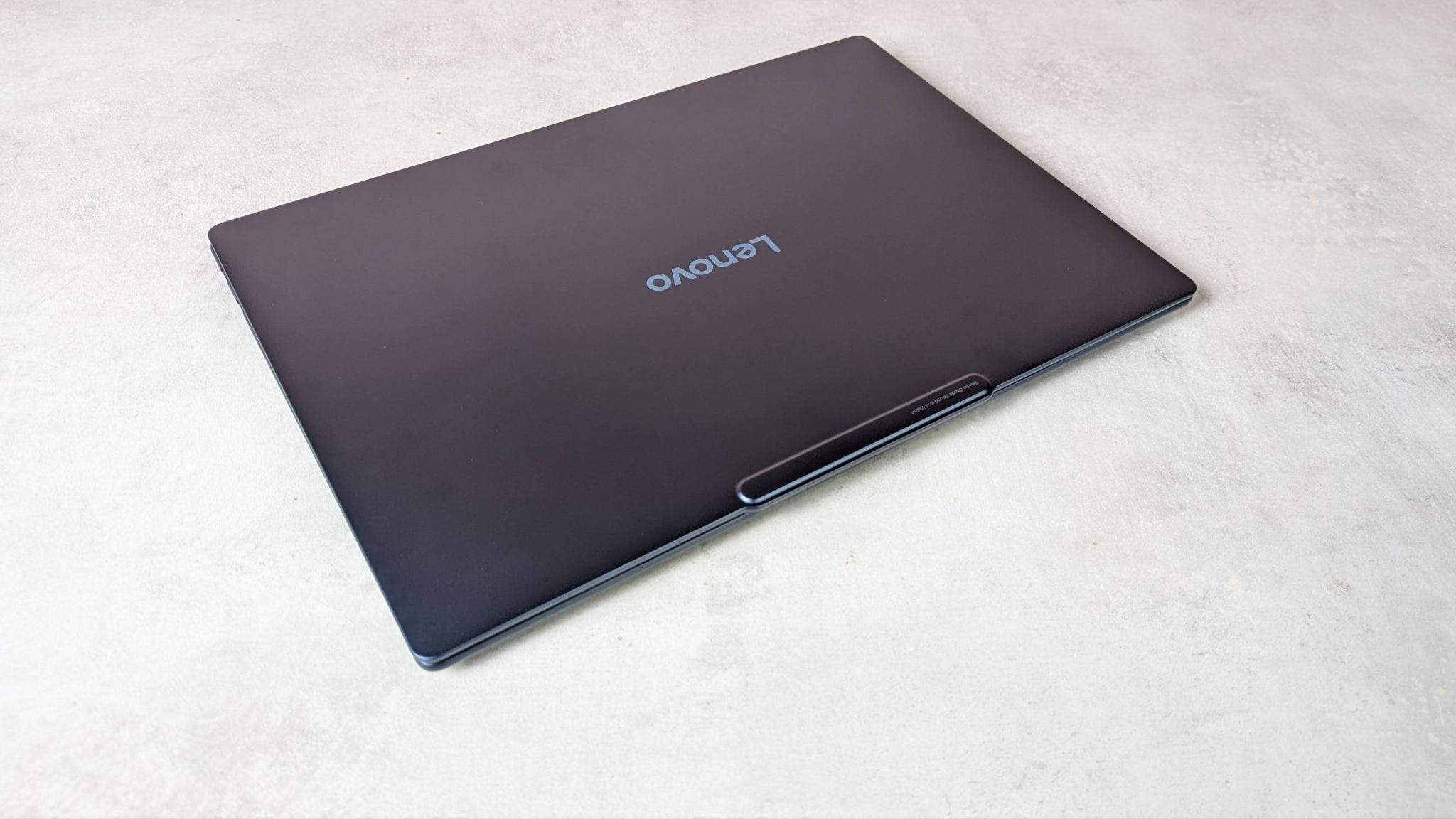
Structurally, the laptop is a marvel of modern engineering. Clad in a "Cosmic Blue" aluminum chassis, it weighs a mere 2.6 pounds (1.2kg) and maintains a profile of only 0.6 inches in thickness. However, the design includes a functional "bulky foot" at the rear. While this slightly interrupts the perfectly flat aesthetic, it serves a critical purpose in elevating the chassis to improve airflow to the underside vents—a necessary compromise to maintain high performance under sustained workloads.
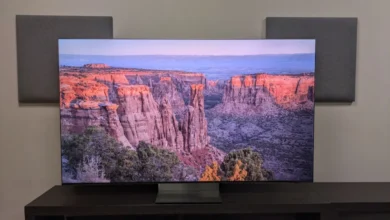
The display is a 14.5-inch 2.8K (2880 x 1800) OLED PureSight Pro panel. With a 120Hz refresh rate and a peak brightness of 500 nits (reaching 1000 nits in HDR mode), it covers 100% of the DCI-P3 color gamut. This makes it an ideal tool for photographers and video editors who require color accuracy, though the glossy finish can result in noticeable reflections in high-glare environments such as outdoor cafes or brightly lit offices.
Performance Benchmarks and Real-World Capability
To assess the true impact of the Snapdragon X Elite chip, the Yoga Slim 7x Gen 11 was subjected to a rigorous battery of industry-standard benchmarks. The results suggest that Qualcomm has successfully closed the gap with Intel’s high-end mobile processors and Apple’s M-series chips.
In Geekbench 6.5 testing, the device achieved a single-core score of 3,815 and a staggering multi-core score of 20,362. For context, this multi-core performance nearly doubles the output of several mid-range Intel Core Ultra 5 systems, demonstrating the efficiency of the 12-core Oryon architecture. In Cinebench R23, the multi-core score reached 13,071, further solidifying its status as a productivity powerhouse.
Storage performance is equally impressive. The BlackMagic Disk Speed Test recorded read speeds of 5,214 MB/s and write speeds of 4,947 MB/s, ensuring that large file transfers and 4K video scrubbing remain fluid. While the integrated Adreno GPU is not designed for high-end gaming, it managed a respectable 40,637 in 3DMark Night Raid. Real-world gaming tests showed that even a demanding title like Cyberpunk 2077 is playable at lower settings with resolution scaling—a feat previously unthinkable for an ultra-thin ARM-based Windows laptop.
Connectivity and the "Dongle Life" Reality
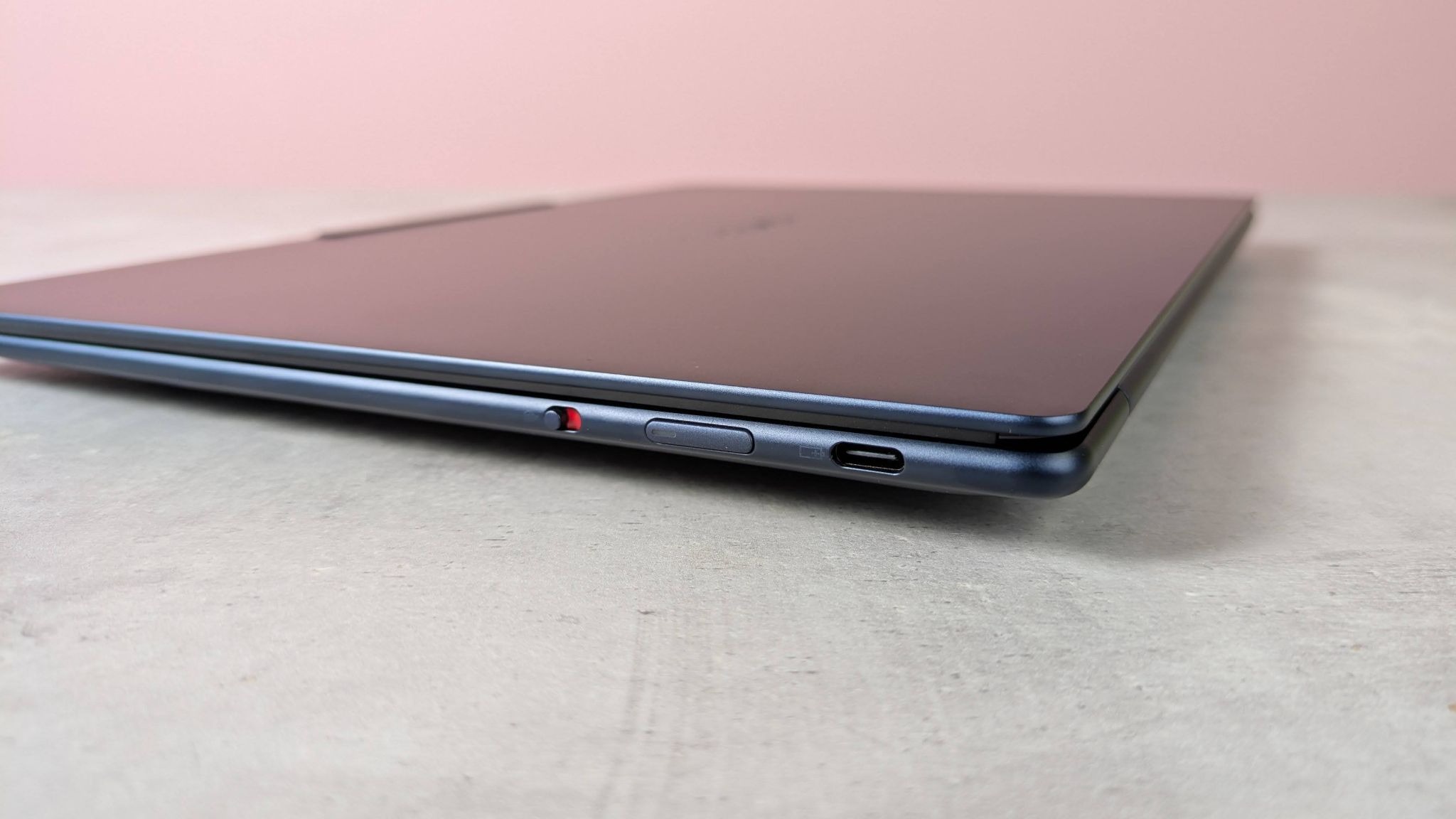
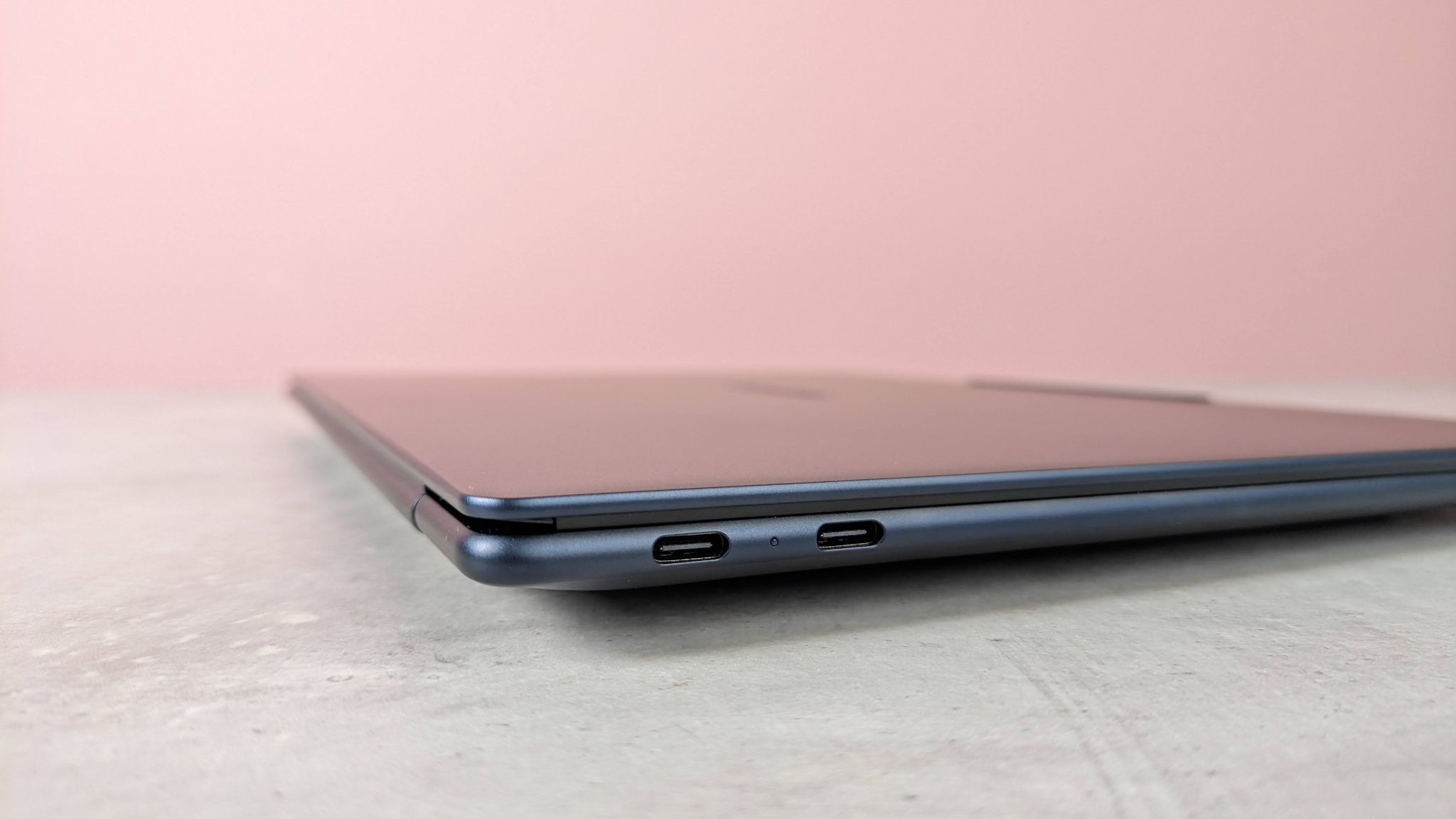
In its pursuit of a razor-thin silhouette, Lenovo has adopted a minimalist approach to port selection. The Yoga Slim 7x Gen 11 features three USB-C ports, all of which support USB4 (40Gbps), Power Delivery, and DisplayPort 1.4. While the inclusion of three high-speed ports is generous compared to some rivals, the absence of USB-A ports, an HDMI output, or a dedicated SD card slot means that many users will need to invest in a USB-C hub or various adapters.
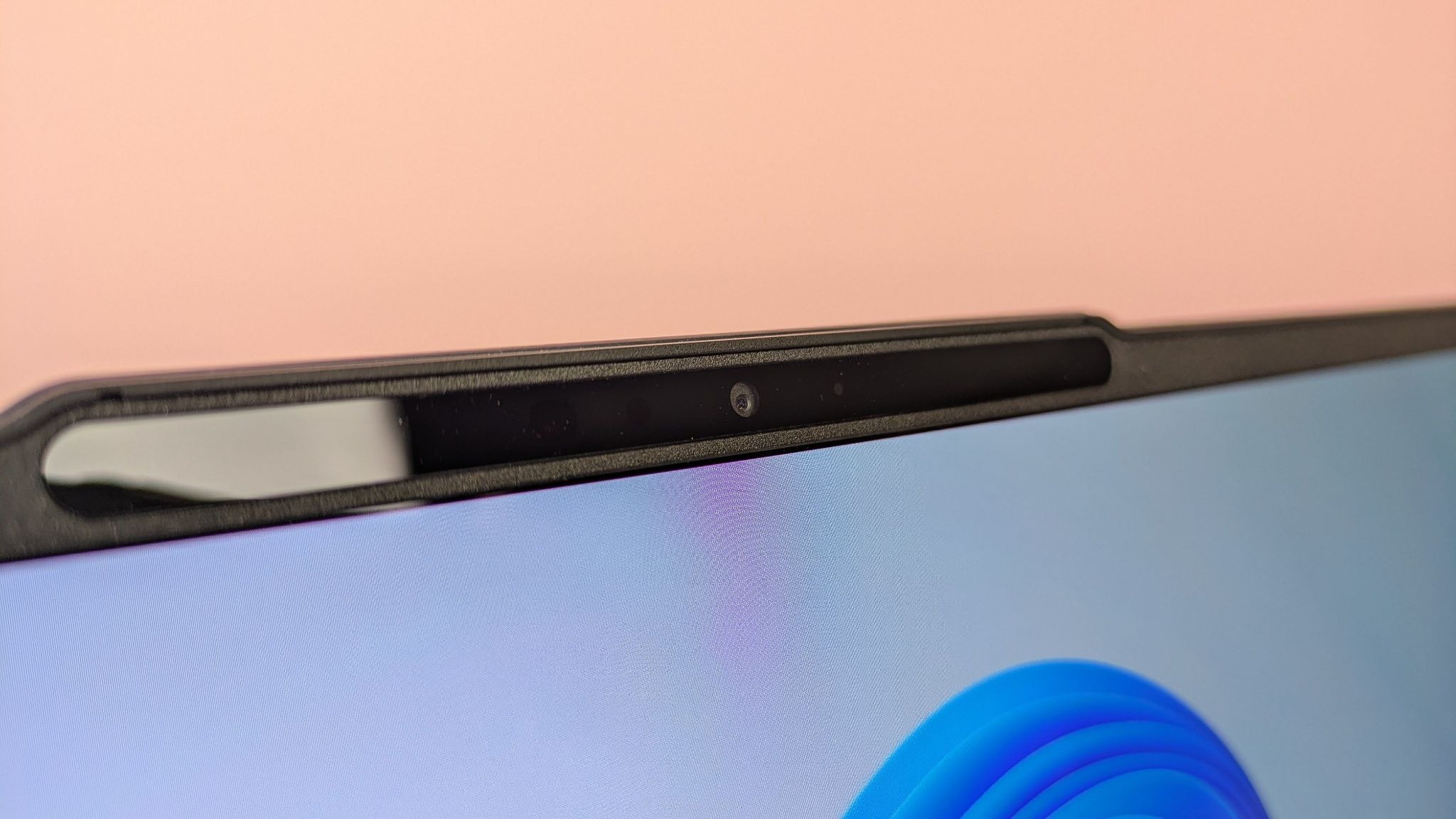
Wireless connectivity is at the bleeding edge of current standards. The device is equipped with Wi-Fi 7 and Bluetooth 5.4, ensuring compatibility with the fastest routers and most stable peripheral connections available today. For privacy-conscious users, the right side of the chassis includes a physical button to electronically disable the webcam, though some may still prefer the tactile security of a sliding physical shutter.
Battery Longevity: A Class-Leading Achievement
Perhaps the most compelling argument for the transition to Snapdragon architecture is the extraordinary battery life. In standardized video playback tests, the Yoga Slim 7x Gen 11 lasted 23 hours and 30 minutes on a single charge. This performance places it in the upper echelon of all laptops currently on the market, effectively allowing users to navigate a full workday and an evening of entertainment without ever reaching for a power cable.
Charging is facilitated by a 65W or 100W USB-C adapter, depending on the region and configuration. During testing, the 70Wh battery was able to reach a full charge from zero in approximately two hours. The thermal management system ensures that even during rapid charging or heavy processing, the heat remains localized to the top and bottom of the base, keeping the palm rests and keyboard cool to the touch.
Market Positioning and Competitive Landscape
The Lenovo Yoga Slim 7x Gen 11 enters a crowded market with a starting price of $999.99 for the base configuration (Snapdragon X Plus, 16GB RAM, 512GB SSD). The high-end configuration tested, featuring the Snapdragon X Elite and 32GB of RAM, pushes the price significantly higher, often exceeding $2,000 depending on regional taxes and promotions.
Lenovo faces stiff competition from the HP OmniBook 7 and the Asus Zenbook A14. The HP OmniBook 7 offers a slightly longer battery life (26 hours in some tests) but often carries a higher price tag in certain markets. The Asus Zenbook A14 is an endurance champion, reaching over 28 hours of battery life, yet it lacks the premium build materials and display brightness found in the Lenovo offering.
Industry analysts suggest that the success of the Yoga Slim 7x Gen 11 will depend largely on software optimization. As more developers release native ARM versions of their applications, the performance gap between this and traditional Intel laptops will likely widen in favor of Lenovo.
Strategic Implications for the Future of Computing
The release of the Yoga Slim 7x Gen 11 is a clear signal that the "Wintel" (Windows plus Intel) era is no longer the only viable path for high-end computing. By embracing Qualcomm’s architecture, Lenovo is providing a blueprint for the future of the Windows ecosystem—one where AI integration, multi-day battery life, and ultra-thin designs are standard rather than exceptions.
For the enterprise sector, this device offers a compelling total cost of ownership. The reduced need for charging infrastructure in offices and the high performance of the NPU for upcoming AI-driven workflow tools make it a future-proof investment. For the individual consumer, it represents a "no-compromise" machine that finally brings the efficiency of a tablet to the power of a professional-grade workstation.
In conclusion, while the limited port selection and the glossy screen may be minor points of contention for some, the Lenovo Yoga Slim 7x Gen 11 stands as a landmark achievement in mobile computing. It successfully proves that Windows laptops can be just as thin, powerful, and long-lasting as their competitors from Cupertino, marking a new chapter in the evolution of the personal computer.