FCC Advances Proposal to Open 482 MHz of Spectrum for Direct-to-Cell Satellite Services


The Federal Communications Commission (FCC) voted on Thursday, October 29, 2026, to advance a pivotal notice of proposed rulemaking aimed at expanding the availability of spectrum for direct-to-device (D2D) satellite services. This regulatory shift marks a significant milestone in the ongoing evolution of global telecommunications, potentially granting companies like SpaceX the operational runway needed to challenge the dominance of terrestrial wireless carriers. By proposing to open an additional 482 MHz of spectrum—increasing the total number of eligible bands for Supplemental Coverage from Space (SCS) from five to thirteen—the Commission has set the stage for a transformative change in how mobile devices maintain connectivity in remote or underserved areas.
The Regulatory Landscape and the Road to Adoption
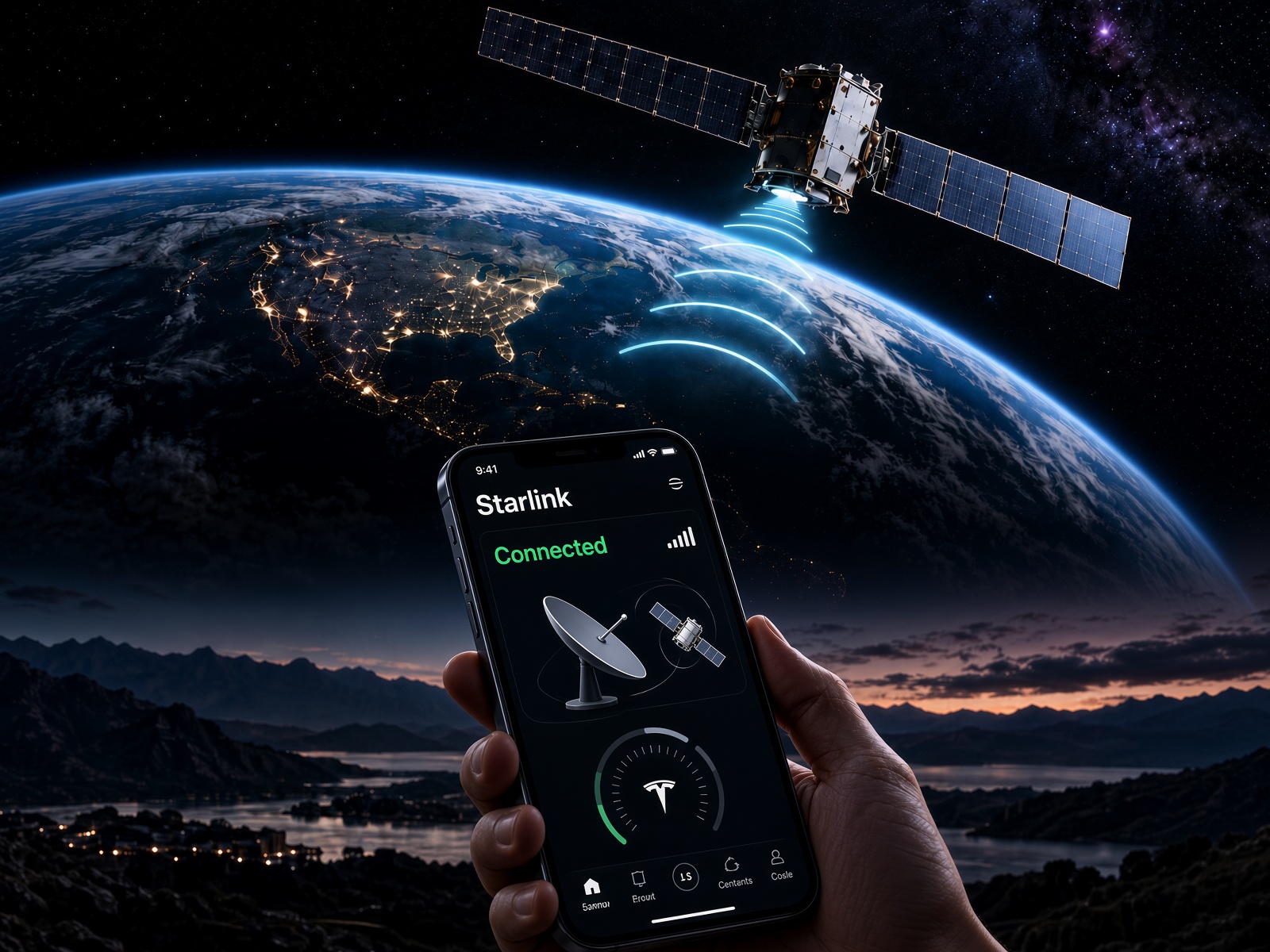
The decision, finalized during the Commission’s October open meeting in Washington, D.C., addresses the growing demand for ubiquitous connectivity. Under the new framework, the FCC aims to streamline the process for satellite operators to provide coverage directly to consumer smartphones. A critical component of this proposal is the modification of existing requirements that currently mandate satellite operators to lease spectrum from every individual carrier holding co-channel licenses across a specific region.
If finalized, the new rules would allow operators to provide a certification of coexistence, proving they have agreements in place for the specific areas they intend to serve, or that they hold the terrestrial licenses themselves. This structural change significantly lowers the barrier to entry for firms that have aggressively acquired spectrum portfolios. SpaceX, for instance, has spent the better part of 2026 solidifying its position by acquiring major AWS-4 and H-block licenses from EchoStar in a deal valued at approximately $17 billion. Furthermore, the company’s recent acquisition of Grain Management’s nationwide 800 MHz portfolio suggests a clear strategy to become a vertically integrated mobile carrier rather than merely a satellite wholesaler.
The Industry Conflict: Carriers vs. Satellite Providers
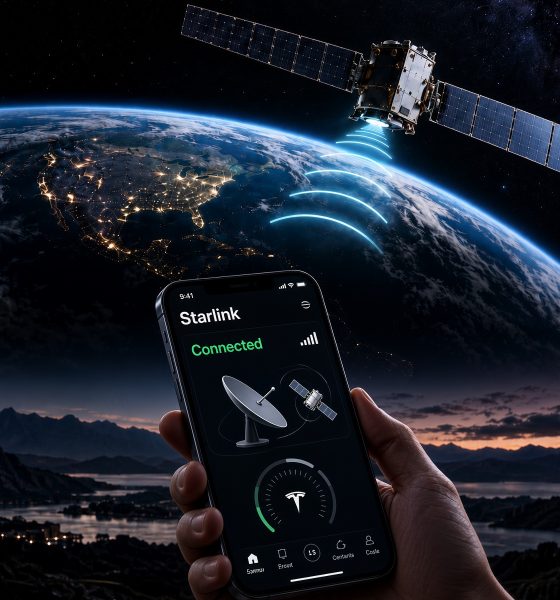
The advancement of this proposal has ignited a fierce lobbying battle between legacy telecommunications giants and the burgeoning satellite industry. The group representing the nation’s largest wireless providers—AT&T, Verizon, and T-Mobile—has voiced significant opposition to the inclusion of the 2.5 GHz and 3.45 GHz bands in the proposal. These bands represent 290 MHz of the 482 MHz currently under consideration.
In their filings with the FCC, the carriers argued that these specific bands are essential to their current terrestrial operations, with an estimated 300 million users relying on them for 5G connectivity. T-Mobile, in particular, has been vocal about the technical risks, noting that satellite interference within the 2.5 GHz band could potentially degrade the uplink coverage area of a cell site by up to 96% and severely impact data throughput.

Conversely, SpaceX and other satellite advocates have pushed for even greater access, requesting that the commission include the 902 to 928 MHz band. The satellite industry maintains that these frequencies are underutilized and that integrating them now would provide a more efficient path toward nationwide coverage. SpaceX President Gwynne Shotwell has previously indicated that the company is targeting early 2028 for the launch of its proprietary mobile service, underscoring the urgency behind these regulatory proceedings.
Chronology of Recent Regulatory Actions
The path to this October vote has been characterized by a series of strategic maneuvers by both regulators and private firms:

- 2024: The FCC initially adopted the framework for Supplemental Coverage from Space but notably rejected the use of the 2.5 GHz band for satellite operations.
- April 2026: The Commission dismissed a petition from SpaceX seeking access to specific Mobile Satellite Service (MSS) spectrum held by incumbent operators.
- October 6, 2026: The FCC cleared SpaceX’s plans for the deployment of 15,000 next-generation "Direct to Cell" satellites.
- October 21, 2026: The Commission approved the acquisition of three unused AWS-3 licenses by SpaceX from Tristar.
- October 27, 2026: The FCC authorized Amazon’s $11.6 billion acquisition of Globalstar, providing the e-commerce giant with dedicated spectrum for its own direct-to-device fleet.
- October 29, 2026: The FCC voted to move forward with the notice of proposed rulemaking to expand spectrum access to 13 bands.
Technical Implications and Market Competition
The core of the debate rests on the technical feasibility of "coexistence"—the ability for a satellite to beam signals to a phone without disrupting the terrestrial network that is simultaneously servicing millions of other devices on the ground. The FCC’s draft proposal emphasizes the need for rigorous interference mitigation, but the carriers remain skeptical. Verizon’s executive leadership recently downplayed the threat of Starlink Mobile, estimating that building a true, nationwide terrestrial-grade network would require hundreds of billions of dollars and years of infrastructure development.
However, the market reality is shifting. The joint venture formed by AT&T, Verizon, and T-Mobile to pool their own spectrum resources for satellite services indicates that they are taking the threat of non-terrestrial connectivity seriously. By creating their own satellite-terrestrial hybrid networks, these carriers are hedging their bets against a future where signal "dead zones" are a thing of the past.

The Path Forward: Public Comment and Final Rules
The vote on Thursday did not immediately grant any new spectrum to SpaceX or its competitors. Instead, it initiates a 60-day public comment period following the publication of the notice in the Federal Register. During this time, the FCC will collect technical data and policy arguments from stakeholders, including consumer advocacy groups, aerospace firms, and the major wireless carriers.
Following the comment period, the Commission will review the input and finalize the rules. This will likely involve a series of negotiations over specific power limits, guard bands, and coordination protocols designed to protect existing terrestrial 5G services from satellite-induced noise.
Broader Economic and Societal Impact
The potential for direct-to-cell satellite service extends far beyond competitive business interests. For rural populations, the technology offers a lifeline for emergency services and basic communication in areas where building traditional cell towers is economically unfeasible. If the FCC’s proposal leads to a robust, multi-provider market, it could essentially bridge the "digital divide" that has persisted for decades in remote parts of the United States.
However, the transition to this model requires a delicate balance. If the FCC opens too much spectrum without adequate protection for current 5G networks, it risks degrading the quality of service for the vast majority of mobile users. If it is too restrictive, it may stifle innovation and prevent the development of a resilient, space-based communication layer that could serve as a vital backup during natural disasters or infrastructure failures.

As the industry prepares for the upcoming comment cycle, all eyes will be on the technical data submitted by the carriers and the mitigation strategies proposed by the satellite operators. With the launch of 15,000 new satellites already approved for SpaceX and Amazon’s entry into the market via Globalstar, the era of space-enabled cellular connectivity is no longer a speculative future; it is a near-term reality currently being shaped in the halls of the FCC.
The resolution of this proceeding will determine not only the competitive landscape of the U.S. mobile market but also the technological standards for the next generation of global telecommunications. As stakeholders prepare their responses, the focus remains on whether the promise of total, everywhere-connected communication can be achieved without compromising the stability of the terrestrial networks that form the backbone of the modern economy.
Related posts: