Finding a high-quality laptop for under 500 dollars is a significant challenge in the current technology market, where premium devices often push prices well beyond the 1,000-dollar threshold. However, for students, remote workers on a budget, and those seeking a reliable secondary machine, the sub-500-dollar category remains a vital segment of the computing industry. Modern engineering has allowed manufacturers to bridge the gap between affordability and functionality, ensuring that low-cost devices are no longer synonymous with poor performance or immediate hardware failure.

The current market landscape is characterized by a sharp divide between entry-level Windows laptops and high-value Chromebooks. As of May 2025, consumer trends indicate a shift toward cloud-based computing for educational and productivity purposes, which has cemented the position of ChromeOS devices as the primary contenders for the "best value" title. While Windows machines in this price bracket often struggle with thermal management and hardware limitations, select models have emerged as reliable workhorses that defy the limitations of their price point.
The Strategic Shift Toward Chromebooks
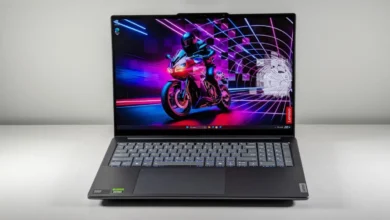
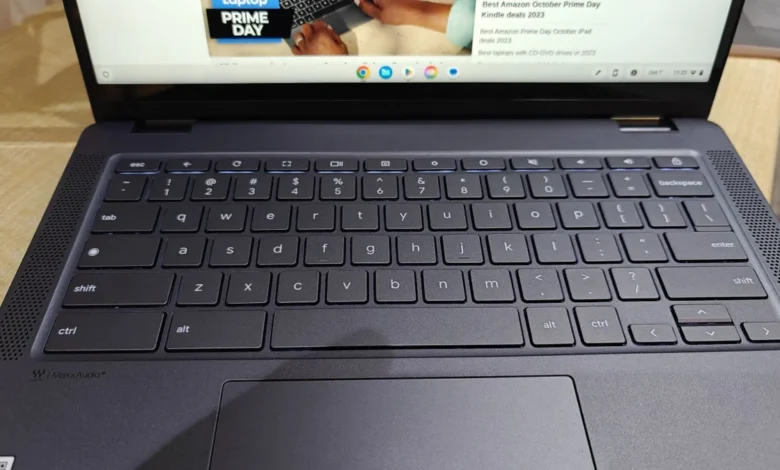
The evolution of the Chromebook has been the most significant development in the budget laptop sector over the last five years. Initially viewed as glorified web browsers, current iterations like the Lenovo IdeaPad Flex 5i Chromebook Plus have integrated advanced processing power and AI-assisted performance, moving them into the territory of productivity-focused machines.
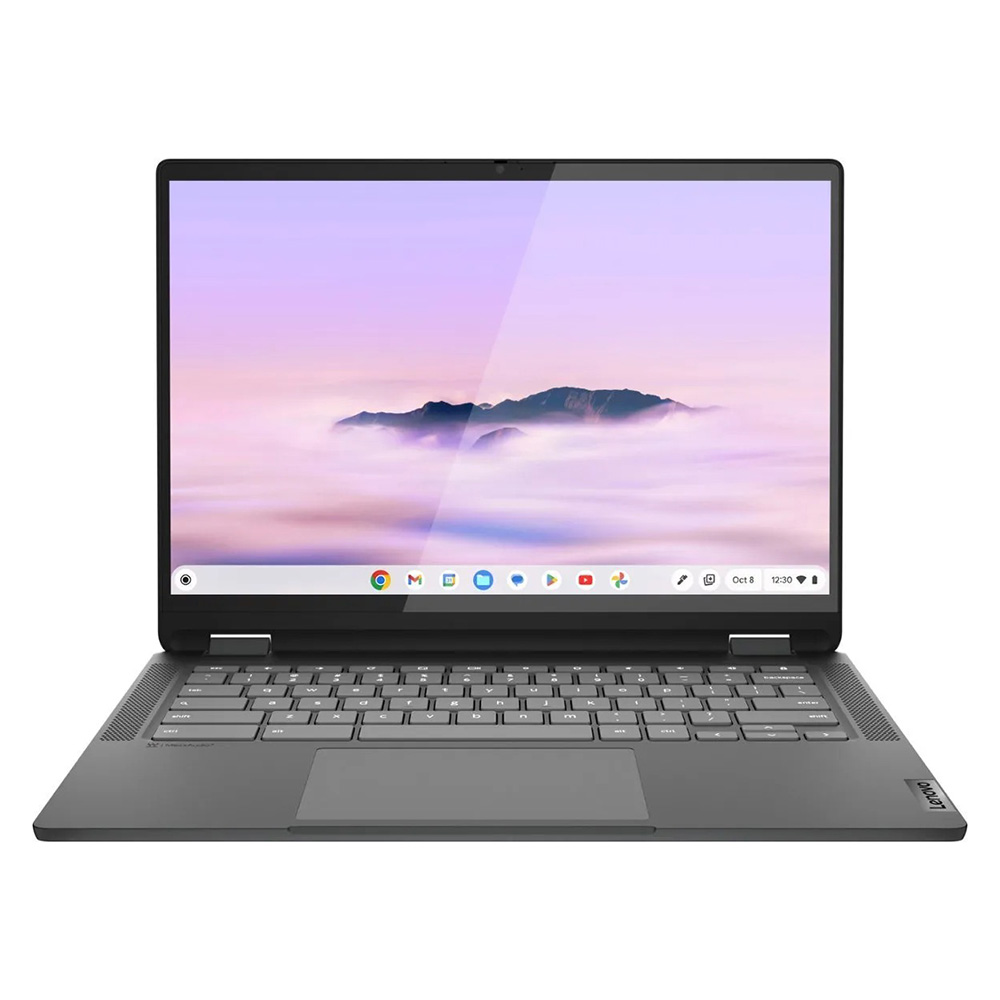
The industry-wide move toward "Chromebook Plus" branding represents a deliberate attempt by Google and its hardware partners to set a higher baseline for the consumer experience. By mandating minimum requirements for storage, RAM, and webcam resolution, manufacturers are effectively reducing the "hidden costs" of cheap laptops—namely the frustration of slow performance and poor reliability. For the average user, this means that a 450-dollar investment today yields a vastly superior machine compared to a 450-dollar laptop purchased in 2020.
Comparative Performance Analysis
Evaluating laptops in this price tier requires a focus on specific technical benchmarks. While high-end gaming or video editing remains outside the capabilities of these devices, their performance in productivity tasks is measurable. The Lenovo IdeaPad Flex 5i Chromebook Plus leads the current cohort with a Geekbench 6 multi-core score of 5,384, significantly outpacing the general Chromebook average of 2,253.
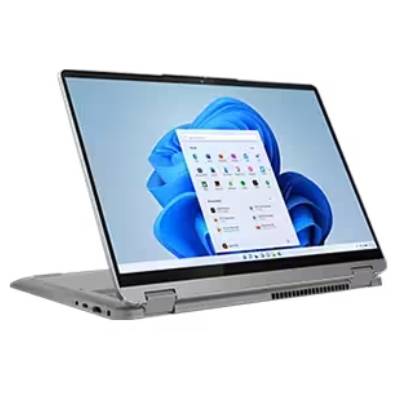
Conversely, Windows-based laptops under 500 dollars, such as the Lenovo IdeaPad Flex 5 14 (Intel), offer a different trade-off. They provide the versatility of a full operating system but often require more robust hardware to run smoothly. The Flex 5 14 averages 3,841 on Geekbench 5, which, while lower than the top-tier Chromebooks, offers better compatibility for specialized software that does not run in a browser environment.
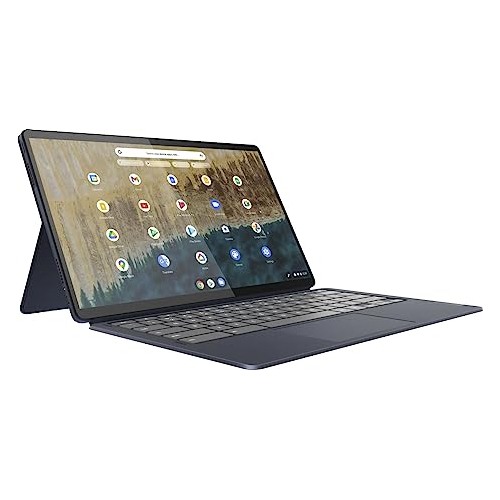
Data collected from recent lab testing highlights that battery life remains the most critical differentiator. While some premium ultrabooks reach 15 hours of real-world use, budget models have successfully hit the 10-hour mark. The Lenovo Duet 5 Chromebook, for instance, delivers an impressive 13 hours and 31 minutes of runtime, making it an outlier in a category where battery drain is often the primary complaint.
Key Hardware Considerations for Consumers
When evaluating a purchase, consumers must prioritize specific hardware specifications that directly impact longevity. The industry standard for a usable budget machine in 2025 includes a minimum of 8GB of RAM and 128GB of storage. Models utilizing eMMC storage—common in sub-500-dollar devices—are slower than traditional NVMe SSDs, but they are sufficient for web-based workflows.
Display quality is another area where manufacturers make significant compromises. IPS panels have become the baseline, though color accuracy remains inconsistent. The integration of OLED technology in devices like the Lenovo Duet 5 represents a major shift, offering contrast ratios and color reproduction previously reserved for laptops costing double the price. However, consumers are cautioned that these panels often come at the expense of processing power, illustrating the "give-and-take" nature of the budget market.
Economic Factors and Future Market Trends
The pricing of consumer electronics is currently influenced by a volatile global supply chain and shifting trade policies. Recent discussions regarding potential tariff hikes on electronic components have raised concerns among major retailers and manufacturers, including Dell, Lenovo, and HP. Analysts suggest that if these tariffs are implemented, the sub-500-dollar laptop market could face contraction, as manufacturers may struggle to maintain current profit margins while keeping retail prices below the psychological 500-dollar barrier.
Historically, the most aggressive pricing occurs during cyclical retail events such as Black Friday and Cyber Monday. However, because manufacturers now release new models on a rolling schedule throughout the year, the "best time to buy" has become more fluid. Retailers are increasingly utilizing flash sales to clear inventory of older, yet still highly capable, processors, providing savvy consumers with opportunities to purchase hardware that was priced at 700 dollars just months prior.

Expert Guidelines for Choosing a Device
Industry experts and reviewers emphasize that the most common mistake consumers make is prioritizing aesthetic appeal over internal longevity. A sturdy chassis is important, but a high-quality keyboard and a reliable trackpad are paramount for users who spend hours typing.
- Prioritize the Operating System: Choose Windows only if you require specific legacy software. For students and office workers relying on Google Workspace or Microsoft 365, a Chromebook will almost always provide a snappier experience at the same price point.
- Form Factor Versatility: The surge in 2-in-1 devices has provided users with more utility. However, convertible designs with 360-degree hinges add mechanical complexity. For users who prioritize durability, a traditional "clamshell" laptop is often a safer long-term investment.
- Connectivity: With the industry moving toward USB-C, budget laptops often ship with limited ports. Checking for a variety of inputs—or budgeting for a reliable USB-C hub—is a necessary step in the procurement process.
The Role of Independent Reviewers
The value of third-party testing in the budget laptop market cannot be overstated. Because manufacturers often market low-cost devices with deceptive technical jargon, independent labs—such as those operated by Laptop Mag—provide the necessary scrutiny to protect consumers. By testing thermal output, color gamut, and real-world battery endurance, these organizations ensure that a "budget" device is not a "disposable" device.
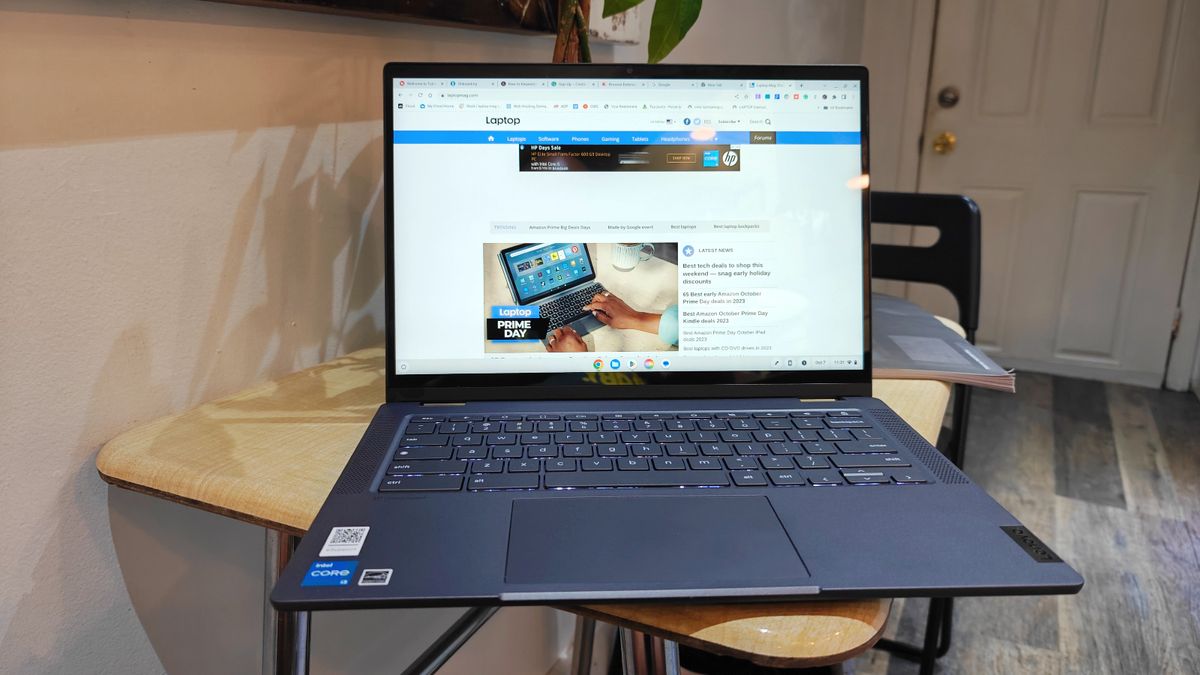
The methodology for these reviews is rigorous. It involves standardized stress tests, such as the Handbrake video conversion test and continuous web-surfing simulations at 150 nits of brightness. This technical rigor is what separates a recommended purchase from a failed experiment. As the industry continues to evolve, the demand for transparency in these reviews will only grow, particularly as budget machines become the primary computing tools for a significant portion of the global student population.
Conclusion: Navigating the Trade-offs
In summary, the 500-dollar laptop category is a testament to the advancements in modern computing. While users must still navigate the inherent trade-offs between processing power, screen quality, and build materials, the options available in 2025 are the most competitive they have ever been. Whether selecting a detachable 2-in-1 for its portability or a traditional Windows machine for its software compatibility, the key to success lies in understanding the specific limitations of the hardware and aligning them with one’s daily requirements. As technology continues to democratize, the barrier to entry for high-quality, reliable computing remains firmly held at the 500-dollar mark, a threshold that continues to deliver significant value to the consumer.
Related posts: