Hyundai Pivots Toward Profitable Robotaxi Production as US Electric Vehicle Market Faces Headwinds

The landscape of the American automotive industry is undergoing a profound and rapid transformation. For years, traditional legacy automakers and EV startups alike raced to flood the market with consumer-facing battery-electric vehicles (BEVs), banking on aggressive government incentives, rapidly expanding charging infrastructures, and a seemingly insatiable public appetite for eco-friendly personal transportation. However, the commercial reality of the mid-2020s has painted a starkly different picture.
Softer-than-expected consumer demand, combined with shifting political landscapes and the scaling back or outright elimination of crucial pro-EV federal policies and fuel-economy regulations, has left many automotive giants scrambling. Rather than pushing forward blindly into a sluggish retail market, South Korea’s Hyundai Motor Group has devised an alternative strategic playbook. Under the guidance of Hyundai Motor Company CEO José Muñoz, the automaker is leveraging its manufacturing might to target a booming, high-margin commercial demographic: autonomous robotaxi fleets.
While competitors across the globe have responded to the cooling retail EV market by absorbing multi-billion-dollar write-downs and scaling back their long-term electrification strategies, Hyundai is taking a pragmatic, asset-maximizing approach. By repositioning its production lines and forging high-profile partnerships with industry-leading autonomous driving firms, the company is turning what could have been a financial liability into a thriving, profitable B2B business unit.
The Shifting Tides of the American EV Market
To understand Hyundai’s current pivot, one must examine the broader macroeconomic and regulatory shifts that have shaken the automotive sector over the past several years. When the federal administration introduced aggressive tax credits for electric vehicle purchases alongside stringent corporate average fuel economy (CAFE) standards, automakers across Detroit, Europe, and Asia accelerated their multi-billion-dollar EV transitions.
Plants were retrofitted, supply chains were redesigned, and ambitious targets were established with the goal of phasing out internal combustion engines entirely by the middle of the 2030s. However, reality soon collided with corporate optimism. High interest rates, lingering consumer anxiety regarding charging network reliability, and the upfront purchase price of consumer EVs created a ceiling for retail adoption.
Furthermore, the recent political and regulatory shifts in Washington have removed several of the financial crutches that supported early EV adoption. As federal tax credits faced restructuring or expiration, and fuel-economy targets were softened, automakers from Ford to Honda were forced to pull back. Many incurred enormous financial write-downs as they adjusted their capital expenditures away from purely electric lineups and back toward more flexible architectures, including hybrids and internal combustion engines.
Yet, Hyundai chose a different path. Speaking to reporters in San Jose, California, CEO José Muñoz highlighted the distinct philosophy that has guided the company through this turbulent period. While rivals opted to write down their stranded assets, Muñoz and his executive team resolved to make the most out of their existing manufacturing investments.
Reengineering the Metaplant: Flexibility Meets Commercial Demand
The cornerstone of Hyundai’s manufacturing strategy in North America is its state-of-the-art Metaplant in Savannah, Georgia. Originally conceived as a dedicated hub for high-volume consumer EV production, the facility required a rapid operational pivot as retail market projections shifted.
Rather than letting factory capacity sit underutilized, Hyundai adjusted its production lines to embrace a mixed-portfolio approach. The Savannah plant was reconfigured to churn out a balanced mix of traditional hybrids, plug-in hybrids, and battery-electric vehicles. This flexibility allowed Hyundai to capture the surging consumer demand for hybrid powertrains while simultaneously preserving its ability to scale up pure-play EV production when commercial opportunities arose.
That commercial opportunity materialized in the form of autonomous vehicle (AV) and robotaxi companies. Recognizing that individual consumers were hesitating to purchase personal EVs in large numbers, Hyundai leadership pivoted its focus upward toward commercial fleet operators. By supplying purpose-built vehicles to companies operating shared mobility networks, Hyundai found a reliable outlet for its massive production capacity, insulating itself from the volatility of retail showroom floors.
The Waymo Partnership and the Rise of Autonomous Fleets
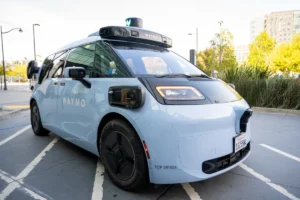
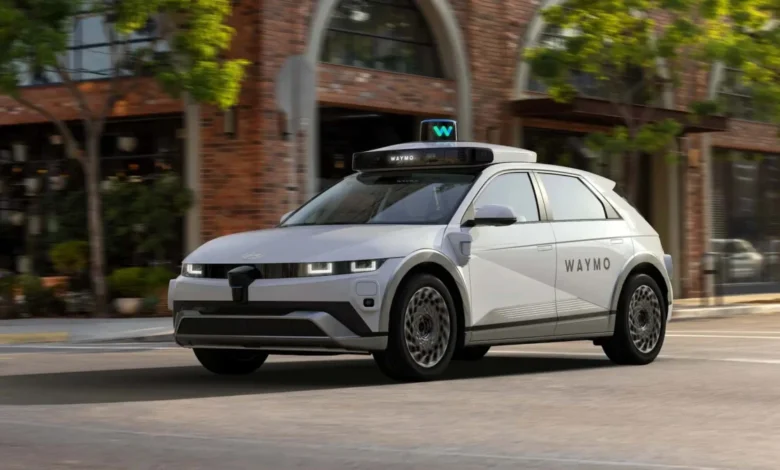
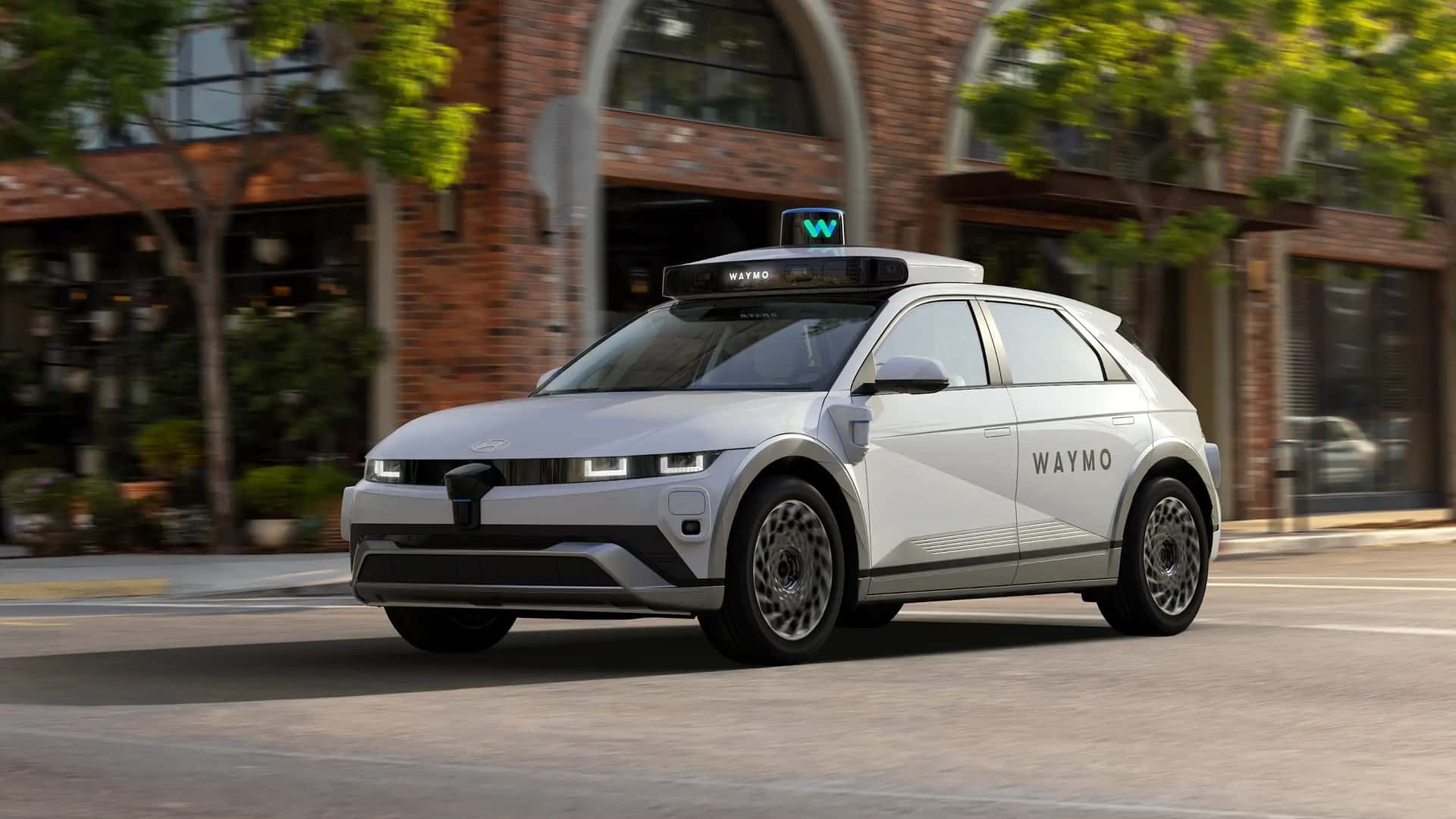
Hyundai’s aggressive push into the robotaxi space is anchored by a landmark partnership with Waymo, the autonomous driving subsidiary of Alphabet Inc. Announced in 2024, the collaboration establishes Hyundai as a primary manufacturing partner for Waymo’s expanding commercial fleet.
Under the terms of the agreement, Hyundai will manufacture thousands of dedicated Ioniq 5 electric crossovers specifically tailored for autonomous deployment. The first units destined for commercial operation—moving beyond initial testing phases—are scheduled for delivery to Waymo in the fourth quarter of the year.
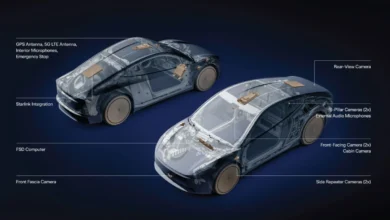
These vehicles will feature Waymo’s sixth-generation autonomous-driving hardware suite, representing the pinnacle of current self-driving technology. Notably, the integration process highlights a significant manufacturing advantage for Hyundai. Unlike other automotive partnerships where base vehicles are shipped to third-party facilities for extensive aftermarket sensor retrofitting—such as Waymo’s current integration model with Zeekr vans in Arizona—Hyundai’s Ioniq 5 robotaxis are engineered with specialized autonomous provisions directly from the factory floor. This factory-integrated approach streamlines production timelines, reduces logistical overhead, and ensures higher quality control standards.
Speaking at a recruitment event in San Jose, CEO Muñoz confirmed that Hyundai is slated to produce "tens of thousands" of Ioniq 5 robotaxis for Waymo at the Georgia Metaplant. Crucially, Muñoz emphasized that this manufacturing vertical has already crossed the threshold into profitability, operating effectively as a distinct, self-sustaining business unit within the broader Hyundai Motor Group.
A Broader Industry Trend: Automakers Pair with Mobility Giants
Hyundai is not alone in recognizing the commercial viability of supplying vehicles to the autonomous ride-hailing sector. Across the automotive and technology landscapes, a wave of strategic alliances is reshaping how EVs are deployed and monetized.
Startups and established legacy manufacturers alike are turning to fleet partnerships to secure predictable, high-volume orders that can stabilize their balance sheets during a sluggish retail period.
- Rivian and Uber: Rivian recently finalized a major agreement to supply up to 50,000 units of its upcoming R2 crossover platform to Uber, positioning the vehicles for future autonomous and ride-sharing deployment.
- Lucid Motors: Lucid has aggressively targeted the B2B space through strategic tie-ups with Uber, Nuro, and most recently, European shared mobility platform Bolt. Under its agreements, Lucid is slated to supply at least 35,000 Gravity SUVs and midsize vehicles for autonomous operation in the U.S., alongside a commitment of at least 25,000 midsize vehicles for Bolt’s European network.
- Stellantis: The transatlantic automotive conglomerate has likewise secured agreements to provide electrified vehicles to Uber for integration into ongoing and future robotaxi testing and commercial programs.
These partnerships reflect a broader industry realization: while everyday consumers may adopt new automotive technology at a measured pace, commercial fleet operators facing labor cost pressures and regulatory incentives are eager to scale autonomous operations immediately.
Strategic Implications and Future Outlook
The financial and operational implications of Hyundai’s robotaxi pivot are substantial. By securing large-scale supply contracts with major technology firms, Hyundai has successfully insulated its manufacturing operations from the ebbs and flows of consumer retail trends.
The strategy offers a threefold advantage:
- Capacity Utilization: It ensures that massive manufacturing investments, such as the Georgia Metaplant, operate at economically viable output levels regardless of retail demand fluctuations.
- Margin Protection: Commercial fleet contracts, particularly those involving advanced technology integration like Waymo’s sixth-generation hardware, often command healthier and more predictable profit margins than highly competitive consumer retail segments.
- Technological Leadership: By embedding next-generation autonomous software and hardware into its vehicles at the factory level, Hyundai positions itself at the cutting edge of the mobility revolution, gaining invaluable engineering data and brand prestige.
CEO Muñoz has made it clear that the partnership with Waymo is merely the foundation. Signaling that the company is actively engaged in discussions with other potential autonomous vehicle developers, Muñoz noted that there is "a lot of interest" from external customers seeking reliable, high-volume automotive partners.
As the autonomous vehicle industry transitions from a speculative technological experiment into a heavily commercialized reality, automakers capable of bridging the gap between traditional automotive manufacturing and cutting-edge software integration will dictate the terms of the market. Through strategic foresight, manufacturing flexibility, and a willingness to look beyond the traditional showroom, Hyundai has positioned itself not just as a survivor of the retail EV slowdown, but as a dominant foundational architect of the future urban transportation grid.